


How Long Does a Well Pump Last? Signs, Costs & Replacement Guide (2026)
That sudden silence when you turn on the tap is a homeowner’s nightmare. Your well pump is the heart of your water system, and when it fails, everything stops. We’ve talked to countless plumbers and homeowners who’ve been caught off guard. The truth is, most people don’t think about their pump until it’s too late.
This guide covers what you actually need to know. We’ll look at real-world lifespans, the warning signs you can’t ignore, what replacement really costs, and how to choose the right pump for your setup.
What Is a Well Pump?
A well pump is an electromechanical device that sits in or near your well. Its one job is to move water from underground into your home’s pressure tank and plumbing. Think of it as the engine that creates your water pressure. Without it, you’re hauling buckets.
It’s a closed-loop system. The pump pushes water into a pressure tank, which stores it and uses air pressure to deliver water on demand. When you open a faucet, the tank’s pressure pushes water out. When pressure drops to a set point (usually 40 PSI), the pump kicks on to refill the tank. This constant on-off cycle is what wears the pump down over years.
How a Well Pump System Works
The Basic Mechanics
Most modern homes use a submersible pump. It’s a long, cylindrical unit dropped directly into the well casing. A motor at the bottom spins impellers, pushing water up a pipe to the surface. It’s sealed tight to keep groundwater out of the electrics. Simpler jet pumps sit above ground and use suction to pull water up—better for shallow wells under 25 feet.
The Control Dance: Pressure Switch & Tank
The system’s brain is the pressure switch. It monitors the pressure tank. When you use water, tank pressure falls. At the low cut-in point (e.g., 40 PSI), the switch closes, sending power to the pump. The pump runs until pressure hits the high cut-out point (e.g., 60 PSI). This cycle repeats dozens of times a day. A failing switch can cause rapid cycling, which burns out pumps fast.
Key Benefits of a Functioning Well Pump
Reliable Water Pressure: A good pump maintains steady, strong pressure for showers, appliances, and hoses. No more dribbles when the dishwasher runs.
Water Independence: You’re not tied to a municipal supply or its costs. Your water quality is in your hands, which is why a proper filtered water system is a smart companion to any well.
Long-Term Value: A pump that lasts 15 years is a solid investment. It’s cheaper over time than dealing with emergency replacements and water damage from failures.
Potential Drawbacks & Failure Signs
Fluctuating Water Pressure: Pressure surges and drops, especially when multiple taps are open, often point to a dying pump or a waterlogged pressure tank.
Air “Spitting” at the Tap: If you get bursts of air, it could mean the pump’s water level is dropping too low, or the pump itself is failing to maintain a prime (for jet pumps).
High Electric Bills: A pump running constantly to maintain pressure is an energy hog. If your bill spikes without a clear reason, check the well system.
The Pump Runs Constantly: This is a major red flag. It could be a leak in the system, a failed check valve, or a pump that can’t build to cut-out pressure. Turn it off to prevent burnout.
Strange Noises: Grinding, clanking, or loud humming from the well or pressure tank usually means mechanical failure is imminent.
Types of Well Pumps
Submersible Pumps
The most common type for modern wells deeper than 25 feet. The entire assembly sits underwater. They’re efficient, quiet, and push water rather than pull it. Lasts 10-15 years on average. The upfront cost is higher, but they’re the standard for a reason.
Jet Pumps (Shallow & Deep)
These sit above ground. Shallow jet pumps (for wells <25 ft) use suction. Deep well jet pumps have an ejector jet placed down in the well. They're louder and less efficient than submersibles. Lifespan is typically 8-12 years. A common choice for older, shallower wells.
Constant Pressure Systems
A modern upgrade. These use a variable speed drive (VSD) or a smaller, additional pump to maintain steady pressure regardless of demand. Reduces wear on the main pump by eliminating rapid cycling. More expensive upfront but can extend pump life and improve comfort.
Buying Guide: Choosing Your Replacement
1. Match the Well Specs: You need the well depth, static water level, and recovery rate (GPM). This is non-negotiable. A pump that’s too powerful will cycle on/off too quickly. One that’s too weak won’t keep up. Your well driller’s report has this data.
2. Determine Your Demand: Count bathrooms, people, and water-using appliances. A typical 3-bedroom home needs 8-12 GPM. Add up fixture units or use a sizing calculator.
3. Choose Horsepower & Staging: Deeper wells need more HP. A “staged” pump (more impellers) builds pressure more efficiently for deep lifts. Don’t overbuy—a 1/2 HP pump might be perfect for a 150-foot well.
4. Consider Water Quality: High sand or sediment? Look for a pump with a built-in screen or a separate sediment filter pre-pump. Hard water? Your whole system, from pump to filtered water cooler, will benefit from treatment.
5. Warranty & Brand: Stick with major brands like Grundfos, Franklin, or Flotec. Look for a minimum 3-year warranty. Some offer 5 years on the motor. This is not the place to save $50 on an unknown brand.
Top Picks & Parts
While we can’t recommend a specific pump without your well’s data, here are some reliable parts and accessories we’ve seen hold up. Keeping spare parts on hand can save you a weekend without water.
| Product | Key Features | Price | Links |
|---|---|---|---|
 |
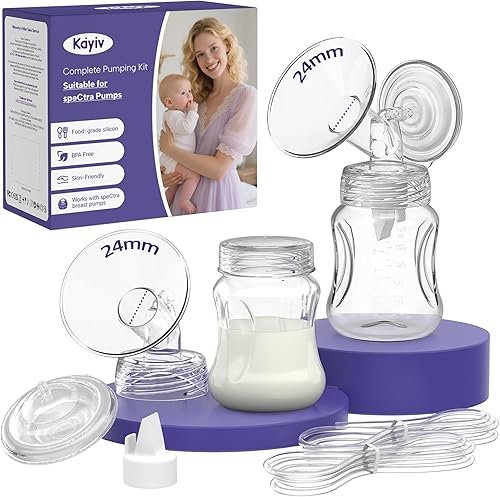
Spectra Replacement Pump Parts Kit Complete kit with flanges, valves, tubes, and bottles. Multiple flange sizes available for optimal comfort and suction. |
$44 |
Buy on Amazon Buy on eBay |
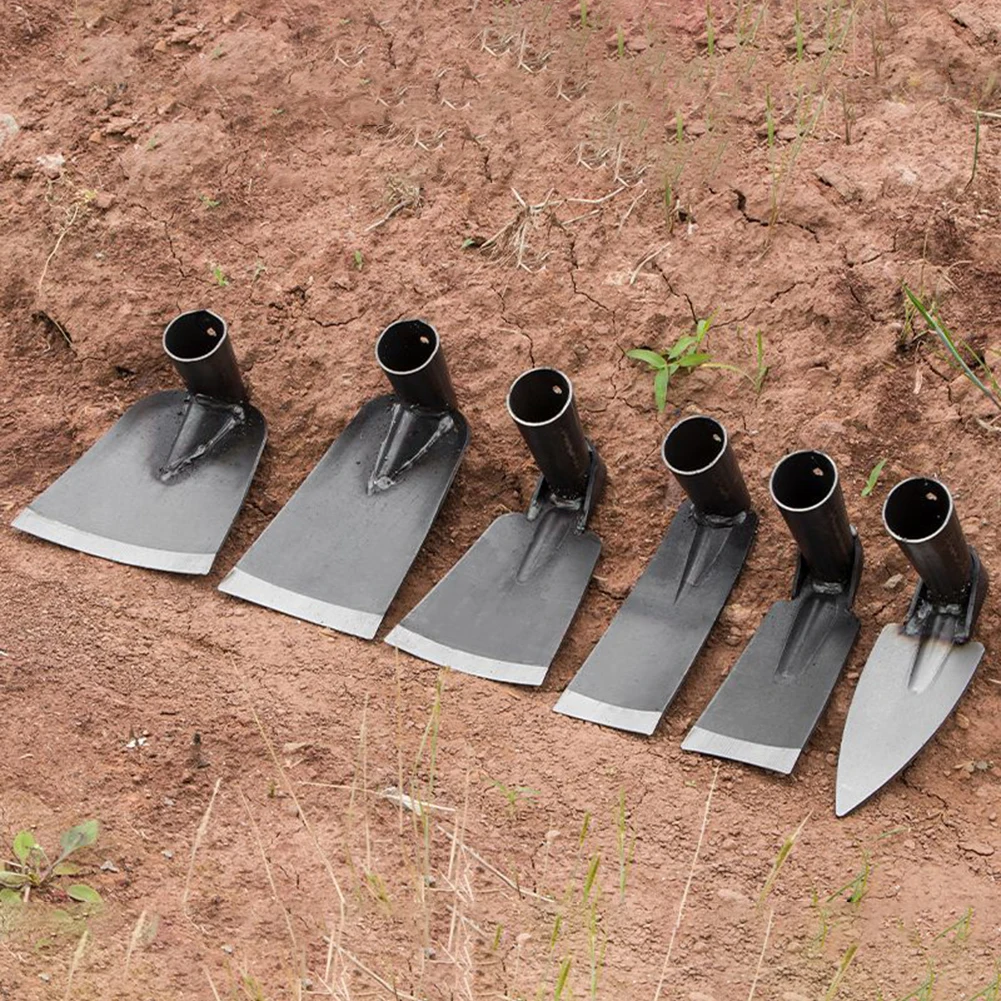
AliExpress Budget Pick: Small Garden Hoe
This isn’t a pump part, but it’s a handy tool for any well owner. Use it to dig around your wellhead for inspections, clear vegetation, or grade soil away from the casing to prevent contamination. It’s surprisingly durable for the price.
- Extremely affordable
- Good for light digging and maintenance
- Compact and easy to store
- Not for heavy-duty prying
- Handle may need tightening

AliExpress Budget Pick: Premium All-Steel Hoe
A step up in durability. The all-steel construction won’t snap like some cheap welded heads. It’s great for breaking up compacted soil around your well or trenching for a new water line to a garden or outbuilding.
- Solid, one-piece steel head
- Rust-resistant coating
- Good leverage for breaking soil
- Heavier than aluminum models
- Handle sold separately on some listings
FAQ
- Can a well pump last 20 years?
- It’s possible but rare. We’ve seen a few well-maintained submersible pumps hit 20 years, usually in homes with excellent water quality (low sediment, neutral pH) and a properly sized pressure tank that minimizes cycling. For most, planning on 10-15 years is realistic.
- What is the most common reason for well pump failure?
- Electrical issues and wear from cycling. Lightning strikes or power surges can fry the motor windings. Mechanically, the constant starting and stopping wears out the motor bearings and internal components. A failing pressure switch that causes rapid cycling is a top killer.
- How much does it cost to replace a well pump?
- Total installed cost typically runs $1,500 to $3,500. The pump itself is $600-$1,500. Labor, new wiring, control box, and possible pitless adapter work make up the rest. Deep wells or hard-to-access locations cost more. Always get multiple quotes.
- Should I replace my pressure tank when I replace the pump?
- Often, yes. If the tank is waterlogged (no air cushion), it forces the new pump to cycle rapidly, drastically shortening its life. A new, pre-charged tank is a wise $200-$500 investment that protects your new pump. Test the tank’s air pressure first.
- How can I make my well pump last longer?
- Install a correctly sized pressure tank to reduce cycling. Use a surge protector on the electrical line. Address water quality issues like high sediment with proper filtration—systems using ionizing water filter technology or multi-stage setups can help. And get an annual check-up.
- What size well pump do I need for a 3-bedroom house?
- A 3-bedroom home with 2 bathrooms generally needs a pump that can deliver 8-12 Gallons Per Minute (GPM). This assumes simultaneous use of a shower, faucet, and washing machine. Your well’s recovery rate must also meet or exceed this GPM.
Final Thoughts
Your well pump is a workhorse you can’t afford to forget. Knowing its expected lifespan—8 to 15 years for most—puts you ahead of the game. Don’t wait for a cold shower at 6 AM to start thinking about it. Watch for the warning signs: pressure changes, air in the lines, and a pump that runs non-stop.
When it’s time to replace, invest wisely. Match the pump to your well’s specs, not just the price tag. A quality installation with a new pressure tank and proper controls will give you a decade-plus of reliable service. And remember, protecting your pump starts with protecting your water quality. A solid multi stage filtration system is your pump’s best friend, whether you’re using a simple britta pitcher for drinking water or a whole-house solution.
