


Your well water isn’t treated by the city. That means you’re the water plant manager. After testing dozens of systems and talking to countless plumbers, I can tell you that picking the right well filtration system isn’t about buying the most expensive gadget—it’s about matching the filter to your water’s unique problems. We’ll cover what these systems are, how they work, and which ones actually deliver on their promises.
- What a well filtration system is and why you need one
- The core components and how they tackle different contaminants
- The real benefits and honest drawbacks
- A clear breakdown of system types and our top picks for 2026
What Is a Well Filtration System?
A water filtration system for well use is a point-of-entry or point-of-use treatment setup designed specifically for the contaminants found in groundwater. Unlike city water, well water comes straight from the earth. It can pick up sediment, bacteria, nitrates from fertilizer, heavy metals like iron and manganese, and even industrial chemicals. There’s no one-size-fits-all solution.
The single biggest mistake we see is homeowners buying a generic filter off the shelf without testing their water first. That’s like taking random medicine without a diagnosis. Your well’s depth, local geology, and nearby land use (think farms or old factories) completely dictate what’s in your water and, therefore, what your filter needs to remove.
How a Well Filtration System Works
Think of it as a multi-stage defense line. Water enters from your well pump and passes through a sequence of filters, each targeting a specific class of contaminant. No single filter does it all.
Stage 1: Sediment Pre-Filtration
This is your first line of defense. A whole house sediment filter catches dirt, sand, rust, and other particulates. It protects all downstream filters and your plumbing from clogging. We typically see 5-micron ratings as a good starting point for most wells.
Stage 2: Primary Contaminant Removal
Here’s where the system targets your water’s specific bad actors. A carbon filter is brilliant for chlorine, volatile organic compounds (VOCs), and improving taste and odor. For bacteria and viruses, you’d need UV sterilization or a sub-micron filter. For dissolved metals like iron, a specialized oxidizing filter is required.
Stage 3: Polishing & Final Filtration
Often, this is a reverse osmosis (RO) membrane or a high-quality carbon block. An RO system, with its 0.0001-micron pore size, removes virtually everything—dissolved solids, fluoride, lead, nitrates. It’s the heavy artillery for drinking water. The question do water filters remove fluoride is common, and the answer is: only reverse osmosis or special activated alumina filters do it reliably.
Key Benefits
Healthier Water, Straight From Your Tap. The primary benefit is obvious but crucial: removing harmful contaminants. This means water free from bacteria like E. coli, viruses, and chemical pollutants that can cause long-term health issues.
Protects Your Entire Home. A whole-house system safeguards not just your drinking water, but also your water heater, washing machine, dishwasher, and pipes from scale, corrosion, and staining caused by iron, manganese, and hardness minerals.
Better Taste and No Staining. That rotten-egg smell from sulfur? Gone. The orange stains in your sinks from iron? Eliminated. Your coffee will taste better, and your laundry will come out brighter. It’s a quality-of-life upgrade you notice every day.
Potential Drawbacks
Upfront Cost Can Be High. A proper, multi-stage system for a whole house can easily run into the thousands. But skimping often means paying twice. We’ve seen homeowners buy a cheap system, only to replace it a year later with the one they should have bought first.
Requires Water Testing. You can’t skip this step. A comprehensive water test is the essential first purchase. It’s an extra step and cost, but it’s the only way to design a system that works. Guessing is a waste of money.
Types of Well Filtration Systems
Sediment Filters
The unsung hero. These use a sediment filter cartridge made of pleated polyester, wound string, or melt-blown polypropylene to physically trap particles. They’re rated by micron size—the smaller the number, the finer the filtration. Start here.
Activated Carbon Filters
Excellent for chemical contaminants, chlorine, and VOCs. They work through adsorption, where contaminants stick to the vast surface area of the carbon. They won’t remove dissolved minerals, salts, or most heavy metals. Great for taste and odor.
Oxidizing Filters (For Iron & Sulfur)
These use media like manganese greensand or catalytic carbon to oxidize dissolved iron, manganese, and hydrogen sulfide (the rotten egg smell), turning them into solid particles that can then be filtered out. A lifesaver for wells with these specific issues.
Ultraviolet (UV) Purifiers
UV light disrupts the DNA of bacteria, viruses, and other microorganisms, rendering them harmless. It’s a fantastic, chemical-free disinfection method but does nothing for sediment, chemicals, or taste. It’s always used in combination with other filters.
Reverse Osmosis (RO) Systems
The most thorough filtration available. A ceramic filter or carbon block can’t compete with the 0.0001-micron RO membrane, which removes up to 99% of dissolved contaminants. It’s typically installed under the kitchen sink for drinking and cooking water due to its slower flow rate and wastewater production.
Buying Guide: What Actually Matters
1. Get Your Water Tested First. I can’t stress this enough. Send a sample to a state-certified lab. Test for at least: bacteria (total coliform, E. coli), nitrates, pH, hardness, iron, manganese, sulfur, and total dissolved solids (TDS). This report is your roadmap.
2. Match the System to the Contaminants. Don’t buy an RO system if your only problem is sediment. Don’t buy a sediment filter if you have bacteria. Use your test results to choose the specific stages you need.
3. Consider Flow Rate (GPM). How many bathrooms do you have? A 1-2 bathroom home might need 6-10 Gallons Per Minute (GPM). A larger home with multiple showers running simultaneously needs 15+ GPM. An undersized system will cause frustrating pressure drops.
4. Look for Certifications. NSF/ANSI certifications are key. Standard 42 covers aesthetic effects (taste, odor). Standard 53 covers health effects (lead, cysts). Standard 58 is for reverse osmosis systems. Don’t just trust marketing claims.
5. Calculate Long-Term Costs. Factor in replacement filters, UV bulbs, electricity, and potential wastewater from RO. A cheap system with expensive filters can cost more over five years than a premium system with affordable replacements.
Our Top Picks for 2026
| Product | Best For | Key Feature | Price |
|---|---|---|---|
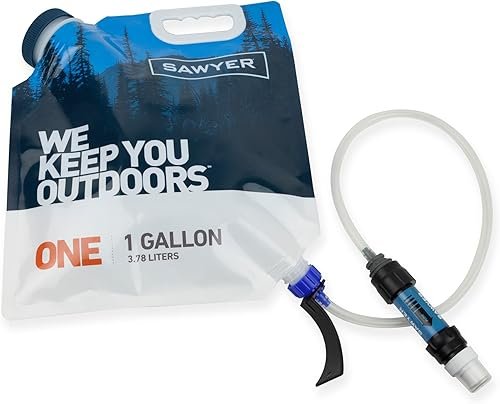
| Sawyer One-Gallon Gravity System | Emergency/Off-Grid | 0.1 micron, removes 99.99999% bacteria | $65 |
| Tappwater EcoPro Compact | Apartment/Kitchen Tap | 5-stage, 400L capacity, reduces chlorine & metals | $2.59 |
| Geekpure 2-Stage Whole House | Basic Whole House | 5-micron PP + Carbon, 1″ port | $1.75 |
| Waterdrop X8 RO System | High-End Drinking Water | 9-stage, 800 GPD, NSF/ANSI 42&58 certified | $7.19 |
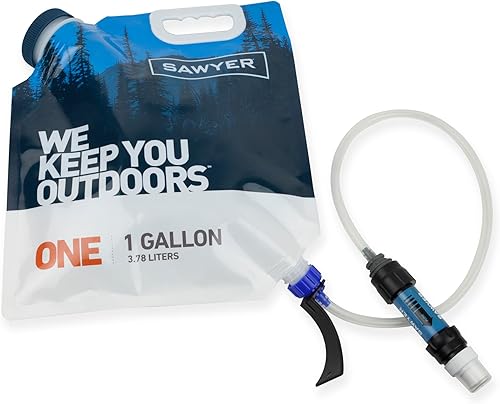
Sawyer Products One-Gallon Gravity Water Filtration System
This is our go-to recommendation for a backup or primary system in a cabin. It’s dead simple. The 0.1-micron filter is incredibly effective against bacteria and protozoa, and it even catches microplastics. We’ve used it on camping trips—it works. The flow rate is slow, but for $65, it’s a phenomenal piece of insurance. Just don’t expect it to handle a whole house.
- Exceptional filtration for the price
- No power or plumbing needed
- Lightweight and portable
- Gravity-fed, so very slow flow
- Only 1-gallon capacity
- Won’t remove chemicals or dissolved solids
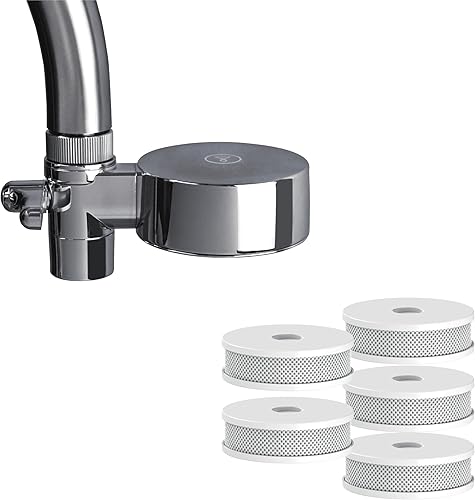
Tappwater EcoPro Compact Tap Water Filter
Honestly, most people with city water or a simple well setup just want better-tasting water from the kitchen tap. This little unit does that for an absurdly low price. The installation is tool-free and takes 30 seconds. It reduces chlorine and some heavy metals, which is great. The catch? Each filter only lasts about a month or 400 liters, so you’re buying replacements often. It’s a cheap entry point.
- Extremely affordable upfront
- Incredibly easy install
- Compact design
- Short filter life (1 month)
- Not for serious contamination
- Flow rate can decrease as filter clogs
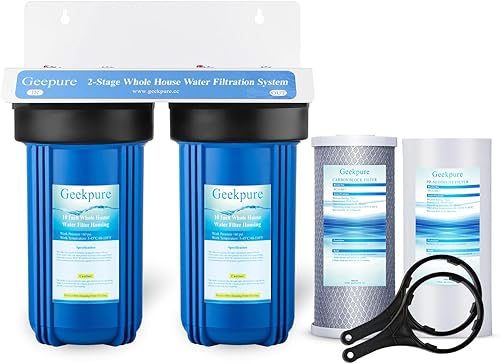
Geekpure 2 Stage Whole House Water Filter System
This is a solid, no-frills starting point for whole-house filtration. The 5-micron sediment filter catches the big stuff, and the carbon block improves taste and odor. At this price, it’s almost disposable. We recommend it for wells with minor sediment and chlorine issues (if you have a holding tank). It’s a blank canvas—you can upgrade the cartridges to higher-quality ones later.
- Extremely budget-friendly
- Standard 10″ filter size, easy to find replacements
- Good for basic sediment and taste
- Included filters are basic
- Housings feel lightweight
- Not for heavy metals or bacteria
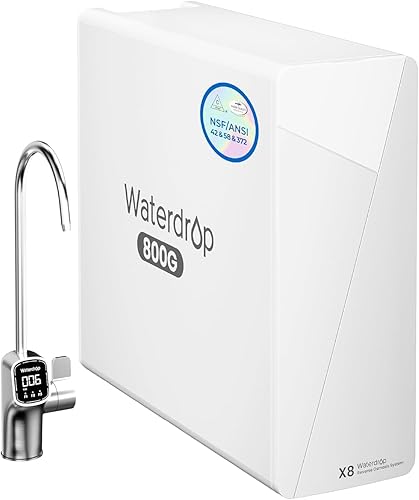
Waterdrop Reverse Osmosis Water Filter System, WD-X8
If your water test shows high TDS, lead, nitrates, or you just want the absolute best drinking water, this is the system. The 9-stage filtration is thorough, and the 800 GPD flow rate means you’re not waiting forever to fill a glass. The 2:1 pure-to-drain ratio is excellent for an RO system. It’s certified, which matters. The price is high, but for serious contamination, it’s the real deal.
- NSF/ANSI certified for health claims
- Very high flow rate for RO
- Low wastewater ratio
- High upfront cost
- Requires under-sink installation and a drain line
- Removes beneficial minerals (can add a remineralization stage)
Budget Picks from AliExpress

Frigidaire WF2CB PureSource2
A basic inline filter often used for refrigerators. At this price, it’s tempting for a point-of-use fix. It’ll improve taste and reduce some chlorine. But manage your expectations—it’s not a comprehensive solution for well water problems. Use it for a single faucet, not as your primary defense.

ALTHY PRE-AUTO2 Automatic Backwash Prefilter
This is an interesting spin-down sediment filter with an automatic flush. It’s great as a first-stage pre-filter for a whole-house system to catch large particles like sand. The auto-backwash feature means less manual cleaning. However, it’s just a pre-filter. You’ll still need carbon and other stages behind it. The price is good for the automation.
Frequently Asked Questions
- How often should I change my well water filter?
- It depends entirely on the filter type and your water quality. Sediment filters might need changing every 3-6 months. Carbon filters typically last 6-12 months. UV bulbs are replaced annually. RO membranes can last 2-5 years. Always follow the manufacturer’s guidelines and monitor your water pressure and taste.
- Can a well filtration system remove hardness?
- Standard filters like carbon or sediment won’t remove hardness minerals (calcium and magnesium). For that, you need a water softener, which uses an ion-exchange process. Some advanced systems combine filtration and softening, but they are separate technologies working together.
- Do I need a UV light for my well?
- If your water test shows any presence of total coliform or E. coli bacteria, then yes, a UV light is a highly recommended and reliable disinfection method. It’s a critical safety step for microbiologically unsafe water. Always install it after sediment and carbon filters.
- What’s the difference between a whole-house and under-sink system?
- A whole-house (point-of-entry) system treats all water entering your home, protecting appliances and providing filtered water at every tap. An under-sink (point-of-use) system treats water at a single faucet, usually the kitchen sink, providing high-quality drinking water. Many homes use both.
- Is a more expensive filter always better?
- Not necessarily. The “best” filter is the one that targets your specific contaminants. A $200 sediment filter might be worse for your needs than a $50 carbon filter if your problem is chemical taste. Spend money on the right technology, not just the highest price tag.
- Can I install a well filtration system myself?
- Simple under-sink or countertop systems are often DIY-friendly. Whole-house systems, especially those requiring cutting into main water lines, electrical work for UV, or drain lines for RO, are best left to a qualified plumber. A bad install can cause leaks, water damage, or system failure.
Final Thoughts
Choosing a well filtration system is a serious but manageable task. It starts and ends with your water test. Don’t skip it. From there, build your system like a chain: sediment first, then the specific filters for your contaminants, and finally a polishing stage like RO for your drinking water. Our top all-around recommendation for a whole-house starting point is the Geekpure 2-stage, paired with a quality sediment cartridge. For drinking water, the Waterdrop X8 RO system is worth the investment if your water has dissolved contaminants.
You’re not just buying a filter; you’re investing in your home’s infrastructure and your family’s health. Take your time, do the testing, and build the right system for your water. The peace of mind is worth every penny.
