


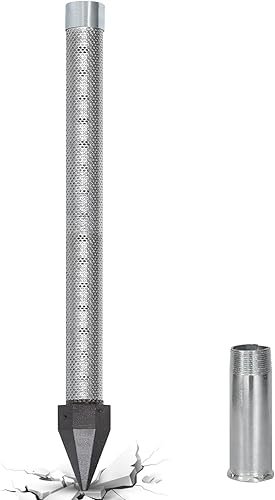
So you want your own water source. Maybe you’re tired of municipal bills, or you have a remote cabin. A well drilling kit seems like the answer. But is it really that simple? We’ve tested components, talked to folks who’ve done it, and seen the triumphs and the muddy failures. This guide cuts through the sales pitch. We’ll show you what these kits actually are, if one makes sense for you, and how to pick the right pieces.
- What a well drilling kit is (and isn’t)
- The step-by-step process of how it works
- The honest benefits and the serious drawbacks
- A breakdown of different kit types
- Our top product picks for 2026
What Is a Well Drilling Kit?
Forget the image of a massive truck-mounted rig. A well drilling kit, in this context, is a manual or low-power system for creating a shallow well. Think 20 to 50 feet deep, not 200. The core component is a hardened steel “drive point” or “sand point” with a screened intake. You literally hammer or drive this point into the ground, adding pipe sections as you go, until you hit water.
It’s a DIY approach for areas with a high water table and soft soil. The kit gives you the essential connectors and points. You supply the muscle, a sledgehammer or a driver, and the pipe. It’s not for bedrock. It’s not for deep aquifers. But for the right property, it’s a remarkably direct path to water. Once you have water, you’ll need to think about treatment, which often starts with a point of entry system to handle sediment and contaminants at the source.
How a Well Drilling Kit Works
The process is physical and methodical. It’s less “drilling” and more “driving.” Here’s the basic sequence.
1. Site Selection and Preparation
This is the most critical step. You need to be downhill from septic systems and away from potential contamination sources. Check local regulations—always. Dig a starter hole about two feet deep. This is your guide.
2. Assembling the String
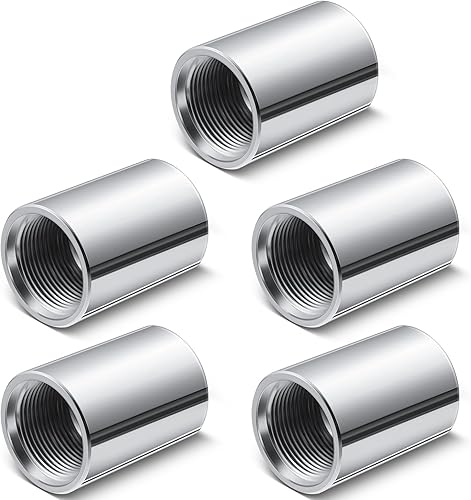
You connect the drive point to a length of galvanized or PVC pipe using a heavy-duty coupling. As you drive the assembly deeper, you’ll add more pipe sections. These couplings need to be rock-solid; a failure underground means starting over. The Blulu Female Galvanized Well Point Drive Couplings are built for this repetitive stress.
3. Driving the Point
This is the workout. A driving cap protects the top of the pipe as you strike it with a sledgehammer or a manual post driver. You work in steady, vertical blows. It’s slow going. You’ll add water to the pipe to help lubricate and clear sediment. When you hit a water-bearing sand layer, you’ll feel a change—a “give.” The water level in the pipe will rise and stabilize.
4. Development and Pump Installation
You then “develop” the well by pumping and surging water to draw fine particles out of the surrounding soil, clearing the flow path. Finally, you install a pump—usually a simple hand pitcher pump for shallow wells or a small jet pump.
Key Benefits
Extreme Low Cost: This is the biggest draw. A complete kit can cost less than a single professional drilling service call. For water on a budget, it’s hard to beat.
Minimal Equipment: No heavy machinery needed. If you can swing a hammer, you can do this. It’s accessible.
Great for Specific Applications: Perfect for garden irrigation, livestock water, or a remote cabin with shallow groundwater. It’s an excellent emergency water backup.
Control and Simplicity: You understand your water source intimately. There’s no complex machinery to maintain. If it silts up, you can often pull the pipes and start again.
Potential Drawbacks
Limited Depth and Geology: You’re stopped by hardpan, clay, or bedrock. If your water table is deeper than 50 feet, this method won’t work.
Physical Labor: It’s grueling work. Driving pipe through 30 feet of soil is a multi-hour, exhausting project. Don’t underestimate this.
Variable Yield: You might hit a trickle, not a stream. Flow rates can be disappointingly low, sometimes less than 1 GPM.
Freeze Risk: In cold climates, the shallow well point can freeze solid in winter, cutting off your supply.
Types of Well Drilling Kits
Basic Drive Point Kits
These are the most common. They include the stainless steel or galvanized drive point, a drive cap, and sometimes a coupling. You buy the pipe separately. The Well Drive Point, 1-1/4″ Stainless Steel Kit is a classic example—durable, effective for its purpose.
Coupling & Accessory Kits
These are add-ons. They provide the essential connectors to extend your pipe string. Buying a set of five, like the Blulu Galvanized Couplings, is smart. You will use them, and having spares saves a mid-project headache.
Auger-Assist Kits
Some kits combine a drive point with a hand auger. The auger helps you get through the first few feet of topsoil faster, making the driving stage easier. It’s a hybrid approach.
Buying Guide: What Actually Matters
Don’t just buy the cheapest kit you find. Focus on these factors.
Material: Stainless steel drive points resist corrosion and last longer. Galvanized steel is cheaper but will eventually rust. For longevity, stainless is worth the small premium.
Screen Mesh: This is critical. 60-mesh is for fine sand. 30-mesh is for coarser sand. If you don’t know your soil, 60-mesh is a safer bet to avoid pumping sand.
Pipe Diameter: 1-1/4″ is the standard for manual driving. It’s a good balance of strength and flow. 2″ is possible but much harder to drive.
Coupling Quality: Don’t overlook this. The couplings hold everything together under tremendous force. Cast iron or heavy galvanized steel is non-negotiable.
Your Soil: This is the real buying guide. Is your soil sandy, loamy, or clay-heavy? Sandy is ideal. Clay can be a nightmare. Do a jar test with your topsoil to get an idea.
Our Top Well Drilling Kit Picks for 2026
| Product | Best For | Key Feature | Price | Link |
|---|---|---|---|---|
 |
Overall Starter Kit | 36″ stainless steel point, 60-mesh screen | $1.26 |
Amazon eBay |
 |
Essential Accessories | 5-pack of heavy-duty galvanized couplings | $71 |
Amazon eBay |
 |
Ambitious DIY Projects | Electric rig for deeper, harder soil | $220.60 | AliExpress |
1. Well Drive Point, 1-1/4″ Stainless Steel Drive Point Well Kit
This is the heart of your operation. We like the stainless steel construction—it won’t rust out on you in five years. The 36-inch length gives you a good starting point, and the 60-mesh screen is fine enough for most sandy aquifers. It even comes with a drive cap, which is a nice touch to protect your pipe threads. For under two bucks, it’s almost an impulse buy for anyone serious about trying this.
- Durable stainless steel construction
- Includes a protective drive cap
- 60-mesh screen for fine sediment
- Absurdly low price point
- Manufacturer warranty may not apply
- You still need to buy all the pipe
2. Blulu 5 Pcs Female Galvanized Well Point Drive Coupling
These are the unsung heroes. A cheap coupling fails, and your drive point is stuck 20 feet down. Game over. These galvanized couplings are beefy and threaded for a secure connection. Buying a five-pack is smart—trust us, you’ll use at least two or three on a single well string, and having spares is just good planning. Don’t skimp here.
- Heavy-duty galvanized steel
- Cost-effective 5-pack
- Essential for extending pipe strings
- Price seems high for “just” couplings
- Will eventually corrode (over years)
3. Customized Electric Water Well Drilling Rig (AliExpress)
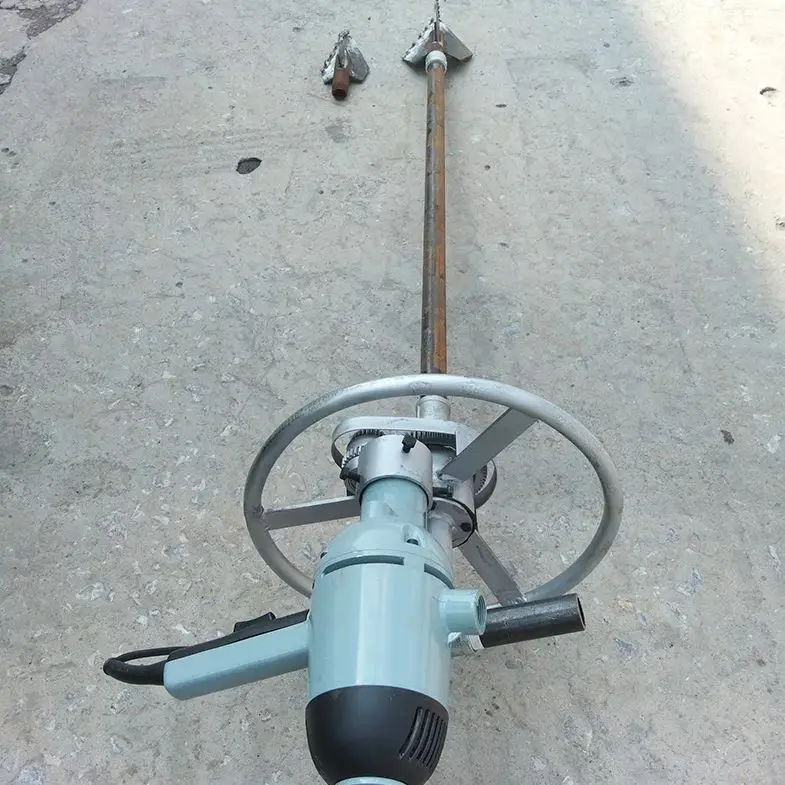
This is a different beast entirely. If your soil has clay layers or you need to go deeper than a manual drive allows, this electric rig is the budget step-up. It’s a serious tool for a serious project. We’re talking 60-meter capability with high torque. It’s not a “kit” in the simple sense; it’s a commitment. But for a small farm or rural home where manual driving has failed, it’s a fraction of the cost of hiring a crew.
- Handles much harder soil conditions
- Significantly greater depth potential
- Self-powered operation
- Major cost increase
- More complex setup and operation
- Shipping and support can be tricky
Frequently Asked Questions
- Can I drink water from a well drilling kit?
- Absolutely not without treatment. Shallow well water is vulnerable to bacteria, nitrates, and surface chemicals. You must test it and install appropriate water purification systems for well water, like UV light and sediment filtration, before considering it safe.
- How deep can a well drilling kit go?
- Typically 20 to 50 feet. It’s limited by your physical strength and soil conditions. Hard clay or rock will stop you cold. The water table must be within this reachable depth.
- What’s the difference between a drive point and a sand point?
- They’re mostly the same thing—synonymous terms for the screened, pointed tip that gets driven into the aquifer. “Sand point” just emphasizes its use in sandy conditions.
- Do I need a permit for a shallow well?
- Often, yes. Many regions require permits even for shallow wells due to groundwater protection rules. Check with your local health department or water authority before you start swinging a hammer.
- What kind of pump do I need?
- For a shallow well (under 25 feet of lift), a hand pitcher pump or a small electric jet pump works. Deeper setups might need a more powerful submersible pump, which complicates the simple kit approach.
- Can I use PVC pipe instead of galvanized?
- You can, but be careful. PVC is easier to handle but can crack under the driving force. Schedule 80 PVC is stronger. Galvanized steel is traditional for a reason—it’s tough.
- How do I know if I’ve hit water?
- You’ll feel the resistance decrease. More reliably, after driving a few more feet, pull the driving cap and look/listen. Water may seep up the pipe. You can also drop a weighted tape measure down to check the static water level.
Final Thoughts
A well drilling kit is a fantastic tool for the right person with the right piece of land. It’s cheap, empowering, and can provide a genuine water source for irrigation or non-potable uses. The single biggest mistake we see is people ignoring the water treatment step. Getting water is only half the battle; making it safe is the other.
Our recommendation? Start with the stainless steel drive point and a pack of quality couplings. Test your soil. Understand your local geology and regulations. If it works, you’ll have an incredible sense of accomplishment and a new water source. Just promise us you’ll pair it with a proper water softener shower head or whole-house filter down the line. Your health is worth that extra step. For more on treating what you pump up, explore our full guide to well water solutions.
