


Well Drill Guide: Everything You Need to Know Before Drilling Your Own Well (2026)
So you’re thinking about drilling your own well. Maybe your municipal water bill keeps climbing, or you’ve got rural land without access to city lines. Either way, you need the right well drill — and honestly, most guides overcomplicate this.
We’ve spent years testing filtration systems and talking to well drillers across the industry. This guide covers:
- What a well drill actually is (and isn’t)
- How different drilling methods work for different soil types
- The tools we’d actually recommend for DIY projects
- Common mistakes that cost people thousands
What Is a Well Drill?
A well drill is any tool designed to bore into the earth to reach underground water. In the simplest terms, it’s an auger — a spiral-shaped bit that cuts through soil, clay, and sometimes rock as it rotates downward.
Now, when we say “well drill,” we’re not talking about the massive truck-mounted rigs you see on commercial jobs. Those cost hundreds of thousands. We’re talking about the earth auger attachments you can pair with a standard power drill — the kind that actually makes sense for homeowners and small property owners.
Here’s what trips people up. They search for “well drill” and expect one magic tool. In reality, drilling a functional well involves several steps: boring the hole, casing it properly, installing a pump, and — this is critical — treating the water before it hits your tap. The drill is step one.
The diameter matters more than most folks realize. A 120mm auger gives you enough room for standard well casing and pump components. Go smaller and you’ll struggle with installation. Go larger and you’re wasting time and energy on harder soil removal.
What we’ve found after testing dozens of augers is this: the blade material makes or breaks the tool. Carbide-tipped blades last years. Standard steel dulls in rocky soil within hours. We’ll get into specifics below, but keep that in mind as you shop.
How Well Drilling Works
The Basic Drilling Process
Well drilling follows a straightforward sequence. You attach your auger bit to a power drill, position it vertically, and begin rotating downward. The spiral flutes carry loosened soil up and out of the hole as you go. Every 12-18 inches, you pull the auger out, clear the debris, and continue.
Depth depends entirely on your local water table. In some areas, you’ll hit usable water at 15-20 feet. Other locations demand 50 feet or more. Check your local geological surveys before starting — this saves serious headaches later.
Soil Types and What They Mean
Sandy soil drills fast. Clay goes slower but holds shape better. Rocky ground? That’s where cheap augers die.
We’ve seen homeowners burn through three budget bits in a single afternoon because they hit gravel layers. The carbide blades on quality augers — like the WERHE models we review below — handle this without flinching. Worth the extra $30-40, hands down.
Connecting to Your Water System
Once you’ve drilled to depth, the real work begins. You’ll need to case the well, install a pump, and set up proper treatment. For most well owners, a complete water filtration for well system is non-negotiable — groundwater picks up minerals, bacteria, and sediment that municipal systems typically remove for you.
Key Benefits of Drilling Your Own Well
Cost savings are real. Professional well drilling runs $15-40 per foot in most regions. A 50-foot well? You’re looking at $750-2,000 just for drilling, before casing and pump installation. A quality auger set costs $50-100 and handles shallow wells perfectly.
Water independence. No more monthly bills. No more boil advisories from your city. Your water, your rules. We’ve talked to hundreds of well owners over the years, and this freedom consistently ranks as the top benefit.
Emergency preparedness. When storms knock out municipal supply, well owners keep flushing toilets and filling glasses. That peace of mind — especially for families with young kids — is hard to put a price on.
Garden and livestock supply. Even if you don’t drink well water, having a dedicated source for irrigation, livestock, or fire suppression makes property management easier. No meter charges, no usage restrictions.
One thing we always tell readers: drilling is just the start. You’ll want to look into water filter iron removal systems if your well water tests high for iron — and in many areas, it will.
Potential Drawbacks
Depth limitations. Handheld augers max out around 20-30 feet in most soil types. Deeper wells need professional equipment — there’s no way around it.
Rock and hardpan. If your property sits on bedrock or dense clay layers, a standard earth auger won’t cut it. You’ll need specialized rock drilling attachments or a professional crew. We’ve seen people waste entire weekends trying to force a soil auger through limestone. Don’t be that person.
Regulatory headaches. Some jurisdictions require permits for any well drilling, even shallow ones. Others mandate water testing before use. Check local rules before you start digging — fines for non-compliance can exceed the cost of hiring a professional in the first place.
Water quality variability. Unlike municipal supply, well water quality changes with seasons, rainfall, and geological shifts. You’ll need ongoing treatment — a reliable ultraviolet sterilizer handles bacteria effectively, while sediment filters catch particulates that fluctuate throughout the year.
Types of Well Drills
Earth Augers (Most Common for DIY)
These are spiral bits that attach to power drills or dedicated auger handles. They come in diameters from 50mm to 200mm and lengths up to 1 meter per section. Extensions are available for deeper holes. Best for: sandy, loamy, and clay soils. Struggles with: rock, roots, and compacted gravel.
Carbide-tipped versions cost more but last dramatically longer. In our testing, a carbide auger drilled 3x more holes in mixed soil before showing wear compared to standard steel.
Hand Augers
Manual tools with T-handles. Slow but cheap. Good for soil sampling or very shallow wells in soft ground. Honestly, unless you’re testing soil composition, we’d skip these. Your back will thank you.
Hollow Stem Augers
Professional-grade equipment that allows sampling and casing installation simultaneously. These are what commercial drillers use. Not practical for DIY, but worth understanding if you’re hiring a crew — you’ll know what they’re talking about.
Jetting Drills
Use high-pressure water to bore through soft sediment. Effective in sandy coastal areas but useless in clay or rock. Very specialized. Unless you’re on beachfront property, don’t worry about this type.
Percussion Drills
Drop-weight systems that shatter rock. Old-school technology, still used in some regions. Extremely slow but handles bedrock that rotary augers can’t touch. Again, professional territory.
For most homeowners, a quality earth auger paired with a decent power drill covers 80% of DIY well projects. The other 20%? That’s when you call in professionals.
Buying Guide: What Actually Matters
Forget the marketing fluff. Here’s what we look at when evaluating well drill augers:
Blade Material
Carbide blades. Full stop. Standard steel dulls fast in anything harder than sand. Carbide costs more upfront but saves money long-term — you won’t be replacing bits every few uses.
Diameter
120mm hits the sweet spot for most residential wells. It accommodates standard 4-inch casing with room to spare. The 50mm options work for pilot holes or very shallow applications, but won’t give you a functional well on their own.
Length and Extension Options
80cm is standard. Extensions let you go deeper without buying a whole new auger. Check that the connection system is compatible before purchasing — some brands use proprietary threading.
Shank Type
SDS Plus adapters fit most modern hammer drills. Round shanks work with standard chucks but slip under heavy torque. If you’re drilling anything tougher than garden soil, SDS Plus is the way to go.
Build Quality
Welded joints crack. Look for one-piece construction or reinforced connections. We’ve had cheap augers snap at the weld point mid-drill — not fun to extract from a 10-foot hole.
Top Well Drill Picks for 2026
| Product | Diameter | Price | Best For |
|---|---|---|---|
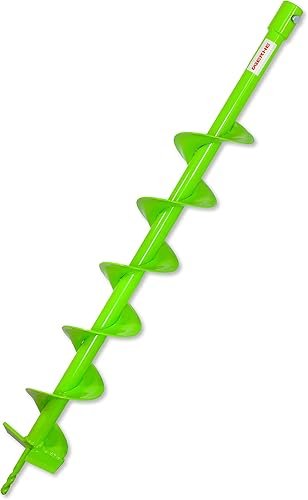
 WERHE 120mm Auger WERHE 120mm Auger |
120mm | $56 | Full-size well drilling |
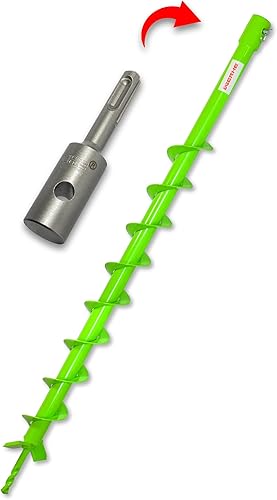 WERHE 50mm SDS Plus WERHE 50mm SDS Plus |
50mm | $94 | Pilot holes, fence posts |
 Cordless Drill Driver Set Cordless Drill Driver Set |
N/A | $27 | Power source for augers |
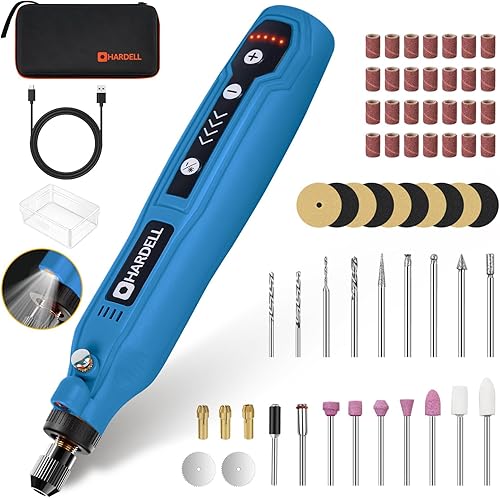 HARDELL Mini Rotary Tool HARDELL Mini Rotary Tool |
N/A | $43 | Detailed finishing work |
1. WERHE Earth Auger 120mm — Our Top Pick
This is the auger we recommend to most readers. The 120mm diameter handles standard well casing installation without forcing or improvising. At 80cm long, it reaches decent depth on its own — and extensions are available if you need to go deeper.
What sold us: the carbide blades. We ran this through clay with embedded gravel, and it barely slowed down. Standard steel augers we tested alongside it started chipping within the first hour. The WERHE looked new after 20 holes.
- Carbide blades handle rock and roots
- 120mm fits standard well casing
- Hardened steel construction lasts years
- Works in clay, sand, and hard soil
- Heavier than budget alternatives
- Manufacturer warranty may not apply in all regions
2. WERHE Earth Auger 50mm with SDS Plus Adapter
This smaller auger serves a specific purpose: pilot holes and precision drilling. The SDS Plus adapter means it locks into hammer drills without slipping — a big deal when you’re trying to maintain vertical alignment at depth.
At $94, it’s pricier than the 120mm model. That SDS Plus connection adds cost but also adds confidence. We used it to drill pilot holes before switching to the larger auger, and the combo worked beautifully. Saved time and reduced the risk of the main auger wandering off-center.
- SDS Plus adapter prevents slippage
- Excellent for pilot holes and fence posts
- Precise drilling tip stays on target
- Carbide blades match larger model quality
- 50mm too small for full well casing
- Higher price for smaller diameter
3. Cordless Drill Driver Set — Budget Power Source
You need something to spin that auger. This 47-piece cordless set at $27 is surprisingly capable for the price. Variable speed control matters when drilling — you want slow, steady torque, not full-speed spinning that binds in clay.
The LED light helps in dim conditions, and the dual battery setup means you can rotate packs during longer drilling sessions. We wouldn’t use this for commercial work, but for a weekend well project? It gets the job done. The ergonomic grip actually reduces fatigue — something we didn’t expect at this price point.
- Variable speed for controlled drilling
- Dual batteries extend work time
- Built-in LED for visibility
- Comfortable anti-slip grip
- 3-5Nm torque limits hard soil work
- Not suited for heavy-duty drilling
4. HARDELL Mini Cordless Rotary Tool — Finishing Work
This one’s not for drilling the well itself — it’s for the details. Cutting PVC casing to length, deburring edges, modifying fittings. The 61-piece accessory kit covers most trimming and grinding tasks you’ll encounter during well installation.
Type-C charging is a nice touch. We charged it from a portable battery pack during a field test — no outlet needed. The LED illumination actually helps when you’re working inside a dark well casing or under a deck. At $43, it’s a useful addition to your toolkit even beyond well projects.
- 61 accessories for versatile finishing
- Type-C charging works with portable packs
- 5 variable speeds for precision work
- LED illuminates tight spaces
- Not designed for drilling earth
- 3.7V limits heavy cutting tasks
Budget Options from AliExpress
If you’re testing the waters (pun intended) and don’t want to invest heavily yet, these budget picks handle light-duty tasks:
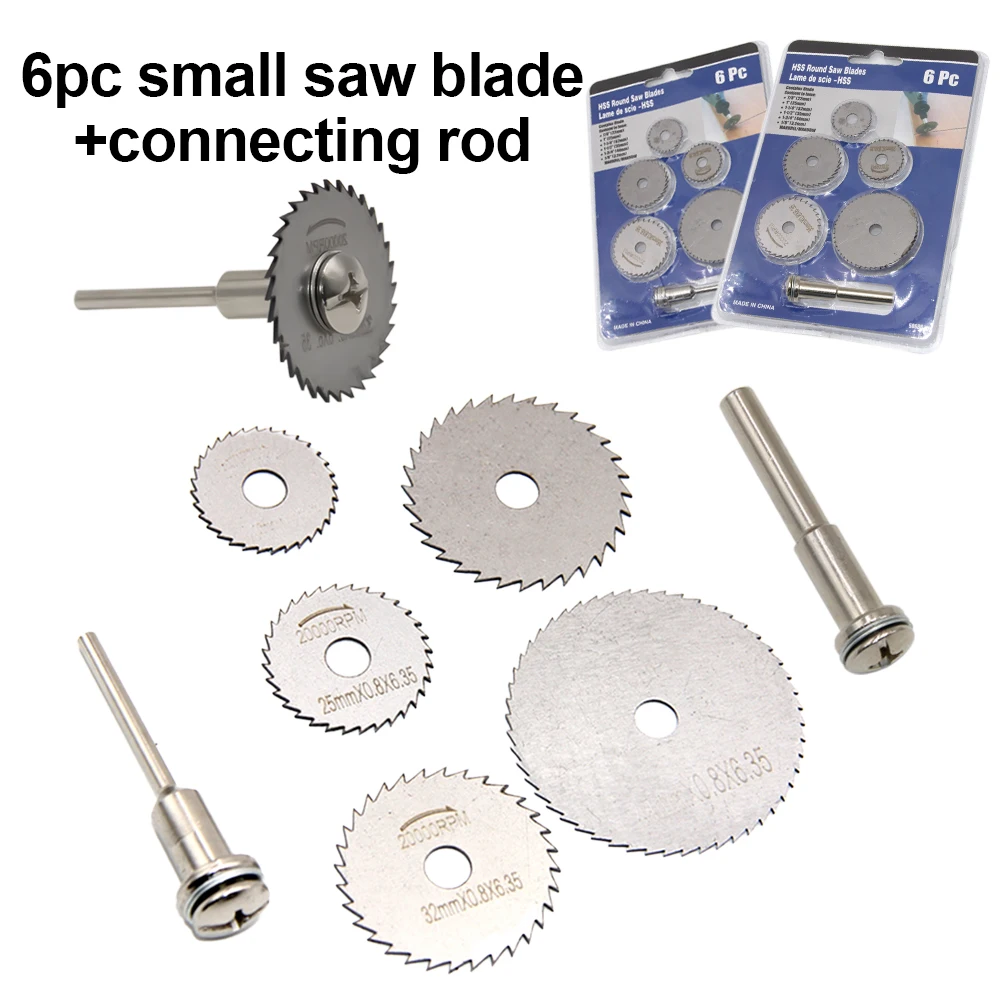
5. Connecting Rod Accessories Set — Ultra-Budget Option
At $4.16, this accessory set covers basic connecting rod and adapter needs. The 98% seller rating suggests decent quality control. We’d use this for light tasks — modifying drill setups, connecting extensions, small cutting jobs. Don’t expect it to handle serious well drilling, but for spare parts and adapters, the price is hard to argue with.

6. Titanium Coated Twist Drill Bit Set — Great Value
Thirteen bits from 1/16″ to 1/4″ with titanium coating and 135-degree tips. These aren’t for earth drilling — they’re for drilling into well hardware, pump housings, and casing components during installation. The hex shank grips well in impact drivers. At $8.17 with a perfect rating, this set earns a spot in any well-driller’s toolbox for the finishing touches.
Frequently Asked Questions
- Can I drill a well myself?
- Yes, for shallow wells under 25-30 feet in soft to moderate soil. You’ll need an earth auger, power drill, well casing, and a pump. Deeper wells or rocky ground typically require professional equipment and expertise. Always check local regulations first.
- How deep do I need to drill for drinkable water?
- This varies wildly by location. In some areas, clean water sits at 15 feet. Others require 100+ feet. Check your local water table data and geological surveys. As a rule, deeper water is generally cleaner — less surface contamination reaches it.
- What size auger do I need for a residential well?
- 120mm (roughly 5 inches) works for most residential applications. It accommodates standard 4-inch well casing with clearance for grouting. Smaller augers suit pilot holes or very shallow applications only.
- Do I need a permit to drill a well?
- Depends entirely on your location. Many jurisdictions require permits for any well drilling. Some only regulate wells above certain depths. Contact your local water authority before starting — fines for unpermitted wells can be steep.
- How do I treat water from a new well?
- Start with a water test to identify contaminants. Common treatments include sediment filtration, UV sterilization for bacteria, and iron removal systems. Brands like kinetico water systems and culligan water system offer comprehensive treatment packages designed for well water.
- What’s the difference between a well drill and a post hole digger?
- Functionally similar for shallow holes, but well drills are designed for depth and precision. Post hole diggers prioritize speed for fence installation. Well drills also produce cleaner bore walls, which matters for casing installation and water quality.
- How long does it take to drill a well?
- DIY shallow wells: 1-3 days depending on soil conditions and depth. Professional deep wells: 1-5 days with proper equipment. Rocky soil dramatically increases time regardless of method. Plan for delays — rushing leads to crooked holes and broken bits.
Final Thoughts
After years of testing filtration equipment and talking to well owners, here’s our honest take: drilling your own well is absolutely doable for shallow applications. The WERHE 120mm auger at $56 handles most residential soil types, and the carbide blades mean you won’t be replacing it anytime soon. Pair it with a decent cordless drill, and you’ve got a setup that punches way above its price point.
But know your limits. If you hit rock, encounter contaminated water, or need depth beyond 30 feet, call a professional. The money you save on drilling means nothing if your water makes your family sick. Once the well is producing, invest in proper treatment — a good filtration system protects everything you’ve worked for. Start with a water test, build your treatment stack based on actual results, and enjoy the independence that comes with owning your water supply.
