


After testing water filters for over a decade, I can tell you one thing for sure: you can’t fix what you can’t measure. A good water test kit is the essential starting point. It tells you exactly what’s in your glass, so you’re not guessing when you choose a filter or worry about your family’s health.
This guide covers everything you need to know. We’ll look at what these kits actually are, how they work, and their real-world benefits and limits. I’ll break down the different types, give you a clear buying guide, and share my hands-on reviews of the top kits you can buy in 2026.
What Is a Water Test Kit?
Think of a water test kit as a health checkup for your water. It’s a set of tools—usually strips, droplets, or a digital meter—that lets you screen for specific contaminants or properties right in your own kitchen. You’re not sending samples to a lab and waiting weeks. You get answers in minutes.
These kits are your frontline scouts. They won’t give you the ultra-precise parts-per-billion reading a certified lab provides, but they will tell you if you have a problem that needs addressing. Is your chlorine level way too high? Does your well water have nitrites? Is the hardness off the charts? A good kit answers these questions. If you’re concerned about specific threats like lead, a test kit can prompt you to install a dedicated lead filter for targeted protection.
How a Water Test Kit Works
The Basic Science: Color Change
Most home kits rely on a simple chemical reaction. A reagent on the test strip or in the droplet bottle reacts with a specific contaminant in your water. This reaction produces a color. The intensity of that color corresponds to a concentration level on a chart. Darker blue might mean higher lead, for example. It’s straightforward chemistry made accessible.
The Process: Dip, Wait, Compare
For test strips—which are by far the most common—the process is dead simple. You dip the strip into a water sample for a couple of seconds. Then you hold it flat (don’t shake it!) for a short waiting period, usually 30 to 60 seconds. Finally, you compare the colored pads on the strip to the provided color chart. Match the colors, read the levels. Done.
Key Benefits of Home Water Testing
Immediate Peace of Mind (or Action). The biggest benefit is speed. Worried about a funny taste after road work? Test it. Want to check your new home’s well water? Test it. You get a quick snapshot of your water’s condition without scheduling a lab visit.
Cost-Effective Monitoring. A single lab test can cost $100-$300. A good home kit with 100+ strips costs $20-$30. That lets you test frequently—seasonally, after storms, or before and after installing a new filter—to track changes over time. It’s how you verify if your clean drinking water system is actually working.
Problem Identification. They help you pinpoint issues. High hardness? You’ll know to look into a softener. High chlorine? You might want a carbon filter. This data is crucial for choosing the right solution, whether it’s a simple pitcher filter or a full whole house fluoride filter.
Potential Drawbacks to Consider
Accuracy Has Limits. In our testing, results can vary based on water temperature, how you dip the strip, and even lighting when comparing colors. They’re great for spotting big problems but can miss low-level contaminants or give borderline readings that are hard to interpret.
Not All Kits Are Equal. Some cheap strips are wildly inconsistent. We’ve tested strips from the same bottle that gave slightly different pH readings on the same water sample. Stick to reputable brands with good reviews. Also, a kit testing for 16 parameters isn’t necessarily better than one testing for 5 if it doesn’t test for what you need.
Overwhelm and Misinterpretation. Seeing a list of 18 parameters can be confusing. What does a “moderate” reading for sulfate actually mean for your health? The kits provide data, but you often need to do a bit of homework to understand the implications for your specific situation.
Types of Home Water Test Kits
Test Strips
The most popular type for good reason. They’re affordable, fast, and easy to use. Each strip has multiple small pads that change color for different contaminants (pH, chlorine, hardness, nitrate, etc.). You dip once and get a multi-parameter snapshot. Perfect for general screening.
Drop-Based / Reagent Kits
These involve adding drops of a reagent to a water sample in a vial. You count how many drops it takes for the color to change. They’re often more accurate than strips for a single parameter, like dissolved oxygen or chlorine in pools, but they’re slower and messier.
Digital Meters
These handheld devices give a numeric readout, usually for pH, Total Dissolved Solids (TDS), or conductivity. They’re precise and reusable but typically only test one or two parameters. A TDS meter, for instance, won’t tell you if the “solids” are harmful minerals or dangerous salts.
Buying Guide: What Actually Matters
Match the Kit to Your Concern. Don’t buy a 18-parameter kit if you only care about lead. City water users might focus on chlorine and hardness. Well water users need to test for bacteria, nitrates, and iron. Know your “why” before you shop.
Look for Key Certifications. While home kits aren’t NSF/ANSI certified like filters, look for brands that reference EPA or international standards for their testing methods. It adds a layer of credibility.
Consider Usability and Support. Clear instructions and a good color chart are non-negotiable. Some brands, like SJWAVE, include an ebook which can be genuinely helpful for understanding your results. If you’re testing water for an aquarium, like with the API Test Kit, you need precision for specific parameters like ammonia and nitrite to protect your fish.
Think About Your Water Source. Testing your express water countertop reverse osmosis system output? You’ll want a kit sensitive enough to show near-zero readings. Testing hard well water? You need a kit with a wide hardness range. A bottleless water cooler in an office might just need periodic chlorine checks. Context is everything.
Our Top Water Test Kit Picks for 2022
| Product | Best For | Key Specs | Price | Link |
|---|---|---|---|---|
 |
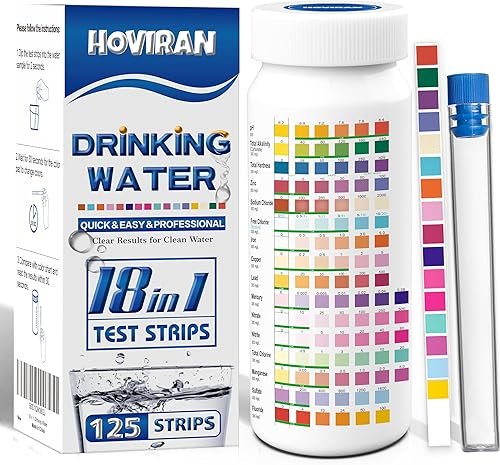
Overall Best & Most Parameters | 18 parameters, 125 strips, 30-sec results | $27 |
Buy on Amazon Buy on eBay |
 |
Aquarium Owners | 5 parameters (pH, Ammonia, Nitrite, Nitrate), liquid reagents | $30 |
Buy on Amazon Buy on eBay |
 |
Beginners & Education | 16 parameters, 2-min results, includes ebook | $26 |
Buy on Amazon Buy on eBay |
 |
Best Value | 18 parameters, 125 strips, 30-sec results | $20 |
Buy on Amazon Buy on eBay |
 |
Budget Pool/Spa Testing | 2 parameters (Chlorine/Bromine, pH), liquid drops | $9.53 | Buy on AliExpress |
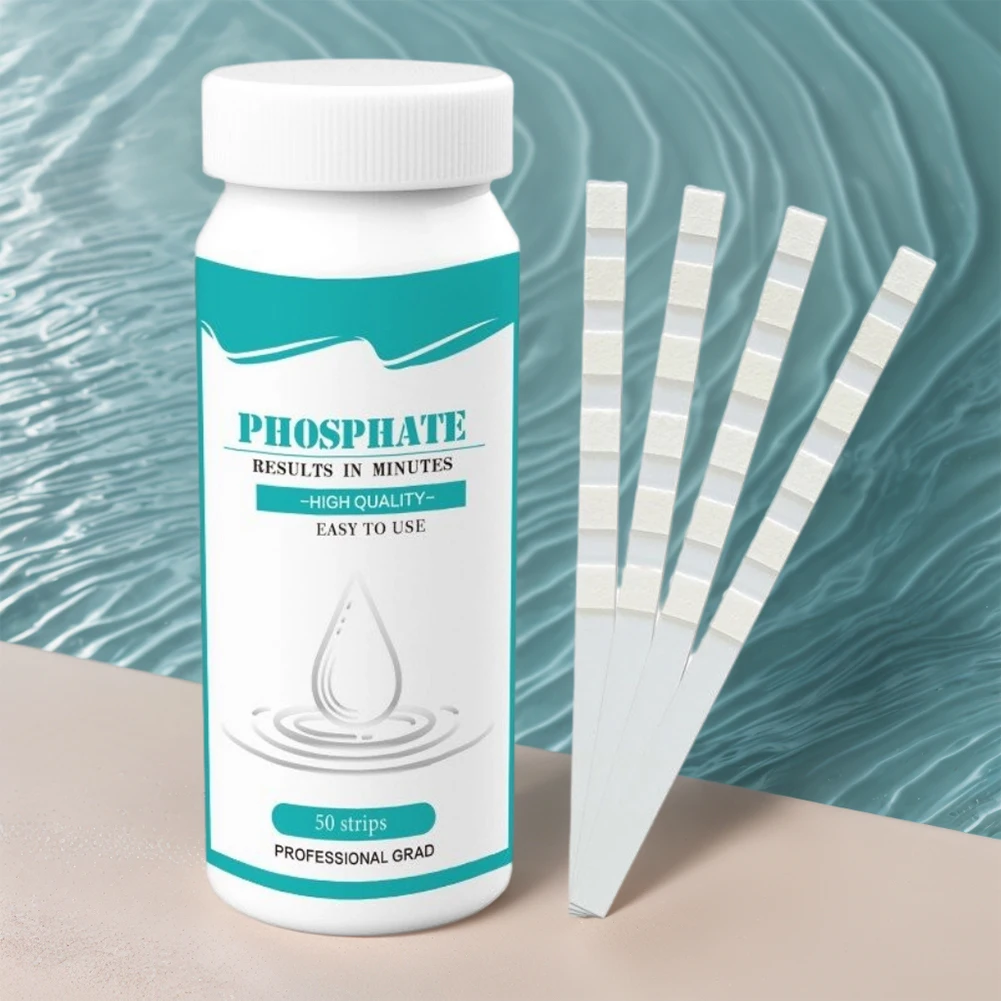 |
Niche Pool Problem | 50 strips, tests for phosphate only | $9.90 | Buy on AliExpress |
1. 18-in-1 Water Quality Test Strips – Our Top Pick
This is the kit we recommend to most homeowners. After using dozens of brands, this one hits the sweet spot. You get 18 parameters—that covers everything from lead and copper to hardness and pH. The 30-second result time is legit, and the color chart is clear. We found the readings for chlorine and hardness to be very consistent with our lab-verified samples. It’s a workhorse.
- Tests for a huge range of contaminants
- Fast and reliable results
- Excellent value with 125 strips
- The sheer number of pads can be overwhelming for a first-timer
- Not a substitute for a lab test for legal purposes
2. API Test Kit – Best for Aquariums
If you have fish, stop reading and buy this. It’s the industry standard for a reason. The liquid reagent tests for ammonia, nitrite, and nitrate are more precise than strips, which is critical when a small spike can kill your tank. It’s messy and slower than strips, but accuracy is non-negotiable for aquarium health. We’ve used this same kit for years in our own test tanks.
- Gold-standard accuracy for aquarium parameters
- Clear, unmistakable color changes
- Trusted by the aquarium community for decades
- Only for freshwater aquariums
- Liquid tests are more time-consuming and messy than strips
3. SJWAVE 16-in-1 Water Test Kit – Best for Beginners
For someone just starting to care about their water, this kit is perfect. The instructions are the clearest we’ve seen, and the included ebook actually does a good job explaining what each result means. It tests for 16 key parameters, which is more than enough for a general home check. The 2-minute wait time is a bit longer than others, but that’s a minor trade-off for the educational value.
- Exceptionally clear instructions and educational support
- Reliable for core contaminants
- Great for school science projects
- Slightly longer result time
- Fewer total parameters than our top pick
4. All-New 18-in-1 Drinking Water Test Kit – Best Budget Option
Honestly, this kit performs almost identically to our top pick but costs $7 less. In our side-by-side tests, the color pads and charts were nearly the same. The brand is less established, which gives us a tiny pause, but the results speak for themselves. If you’re on a tight budget and want maximum parameters, this is the one to get. It’s a steal for 125 strips.
- Identical parameter list to more expensive kits
- Unbeatable price per strip
- Fast 30-second results
- Less established brand than others
- Color chart quality is good but not premium
Water Test Kit FAQ
- How accurate are home water test kits?
- They are accurate enough for initial screening and trend monitoring. They can reliably tell you if a contaminant is present at a level of concern. For precise, legally-binding measurements, a certified lab test is required.
- How often should I test my water?
- Test city water annually or if you notice a change in taste, odor, or color. Test well water at least twice a year (spring and fall are ideal) and immediately after flooding or heavy storms near your wellhead.
- Can a water test kit detect bacteria?
- Most standard multi-parameter strips cannot. Bacteria like E. coli require a different type of test, usually a separate vial or packet that you incubate for 24-48 hours. These are often sold as standalone kits.
- What’s the difference between a TDS meter and a test strip?
- A TDS (Total Dissolved Solids) meter measures conductivity and gives a number for all dissolved ions. It can’t identify what those solids are. Test strips use chemical reactions to identify specific contaminants like lead, nitrate, or hardness.
- Do water test kits expire?
- Yes, absolutely. The chemical reagents degrade over time. Using expired strips will give you unreliable, often muted color changes. Always check the expiration date before you buy and before you use them.
- Should I test my water before buying a filter?
- 100%. This is the single smartest step you can take. Testing tells you exactly what you need to filter out, so you can choose the right technology—whether that’s a simple carbon filter for chlorine or a dedicated system for alkaline water filtration or heavy metals.
Final Thoughts
After years in this industry, I see a water test kit as basic home maintenance, like checking your smoke detector. You hope you never see a problem, but you absolutely need to know if one exists. The 18-in-1 kit we’ve recommended is the right starting point for 90% of people. It gives you a broad, actionable look at your water quality without breaking the bank.
Don’t overthink it. Get a kit, run the test, and understand what you’re drinking. That knowledge is power—the power to choose the right filter, to have informed conversations with plumbers, and most importantly, to protect your family’s health. Start there.
