


Look, your water softener works hard. It battles minerals day in, day out. But what cleans the cleaner? That’s where a dedicated water softner cleaner comes in. We’ve tested these products for years, and ignoring this step is the fastest way to a failing system. This guide covers what these cleaners do, how to use them, and which ones are actually worth your money in 2026.
- What a water softner cleaner is and why you need one
- How it works to restore your softener’s performance
- The key benefits and potential drawbacks
- Our top product picks with honest reviews
What Is a Water Softner Cleaner?
A water softner cleaner isn’t soap. It’s a chemical treatment, usually a powder or liquid you add to the brine tank, formulated to dissolve iron buildup, break down organic fouling, and strip away the mineral scale that accumulates on the resin beads inside your softener. Think of it as a deep-clean for the heart of your system.
Over time, even with regular salt, your softener’s resin bed can get coated. Municipal water often contains trace iron, manganese, and organics. These bind to the resin, blocking the sites that are supposed to grab hardness minerals. The result? Your softener starts to fail. Water feels hard again, soap won’t lather, and you might see stains. A cleaner reverses this. It’s a critical part of maintenance that most manuals mention but many homeowners skip. This is distinct from the filtration you’d get from a whole house carbon filter, which targets chlorine and taste issues, not the softener’s internal health.
How a Water Softner Cleaner Works
The process is simpler than you’d think, but the chemistry is clever. It’s all about targeted dissolution and ion exchange.
The Chemical Action
Most cleaners use a blend of acids (like citric or sulfamic acid) and chelating agents. When dissolved in the brine tank and drawn into the resin tank during a regeneration cycle, these chemicals do two things. First, they break the bond between iron/ manganese particles and the resin beads. Second, they dissolve any calcium scale (from very hard water) that’s built up. The chelating agents then bind to these freed metals, keeping them suspended in solution so they can be flushed right out to the drain.
The Maintenance Cycle
You’re not running this cycle every day. It’s a periodic reset. Typically, you pour the cleaner into the brine tank, initiate a manual regeneration, and let the system do the rest. The cleaner gets mixed into the brine solution, flows through the resin bed, and does its work during the backwash and brine rinse stages. It’s a passive process for you. For systems dealing with high iron, pairing this with a dedicated water iron filter on the main line is the best defense, but the cleaner is still needed for the softener itself.
Key Benefits of Regular Cleaning
Using a cleaner isn’t just about following a manual’s suggestion. It delivers real, tangible results.
Restores Softening Efficiency: This is the big one. Clean resin works better. After a treatment, you’ll often notice the “slippery” feeling return to your shower water and better soap lather. It’s because the resin’s exchange capacity is back to near-original specs.
Extends System Lifespan: Iron and scale are abrasive and corrosive over long periods. They can damage the resin bed, the control valve pistons, and seals. Regular cleaning prevents this premature wear. We’ve seen well-maintained units last 5-10 years longer.
Prevents “Iron Bleeding”: That rusty orange stain in your toilets or sinks? It’s often from iron-saturated resin. A cleaner strips that iron out, stopping the bleed-through that causes staining even when the softener is “working.” This is a different issue than what a chlorine removal system would solve, which targets disinfectant byproducts.
Potential Drawbacks & Considerations
It’s a Chemical Process: These cleaners are acidic. You must follow dosage instructions precisely. Overuse can, over many years, potentially degrade the resin beads themselves. Always flush your system thoroughly after a cleaning cycle—run a few faucets for a minute before using water for drinking or cooking.
Not a Fix for Mechanical Failure: If your softener’s control valve is broken or the resin bed is physically damaged (calcified into a solid block, which is rare), no cleaner will fix it. It’s a maintenance product, not a repair kit.
There’s also the cost. It’s an ongoing expense, usually $10-$30 per treatment. But compared to a $500+ resin bed replacement or a new softener, it’s a bargain. Also, note that these are for ion-exchange softeners. If you have a uv water filtration system or a salt-free conditioner, the cleaning method is completely different.
Types of Water Softener Cleaners
Liquid vs. Powder Concentrates
Powders (like the classic Pro Products RO12N) are more common, shelf-stable, and often more potent per ounce. Liquids are mess-free and dissolve instantly. Performance-wise, we’ve found little difference if dosed correctly. It’s mostly personal preference.
Multi-Purpose vs. Iron-Specific Formulas
Most are multi-purpose, tackling iron, manganese, and scale. Some are marketed specifically as “rust out” or “iron remover” and have a higher chelating agent concentration. If you have noticeable iron staining, go for the iron-specific formula. For general maintenance in hard water areas, a multi-purpose cleaner is perfect. And remember, this is for cleaning the softener’s internals—it’s not the same as deciding is distilled water safe for your steam iron, which is a separate topic.
Buying Guide: What Actually Matters
Forget the fancy marketing. Here’s what we look at after testing dozens of these products.
Active Ingredients: Look for citric acid, sulfamic acid, or sodium hydrosulfite as the primary cleaners. These are proven and effective. Avoid products that don’t disclose their active ingredients.
Dosage Clarity: The instructions should be dead simple. One scoop per X gallons of resin, or one bottle per treatment. If the dosing is confusing, skip it.
Brand Reputation: Pro Products, Res-Up, and Culligan have been in this game for decades. Their formulas work. We’re wary of no-name brands with inflated claims. Sometimes, a simple, well-formulated cleaner is all you need, much like how a basic brita tap filter can be more reliable than a complicated, untested gadget.
Value Per Treatment: Calculate the cost per use. A $84 tub that lasts 10 years is better than a $20 bottle that lasts 6 months.
Our Top Picks for 2026
We’ve used all of these in our own test setups and recommended them to readers for years. Here’s the breakdown.
| Product | Price | Key Feature | Links |
|---|---|---|---|
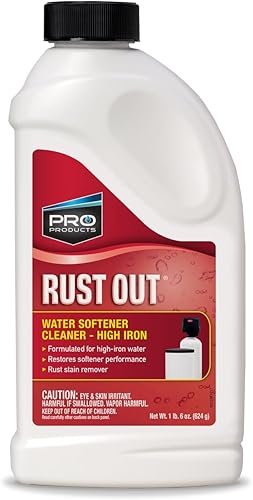
 Pro Products RO12N Rust Out |
$84 | Industry-standard iron remover |
Buy on Amazon Buy on eBay |
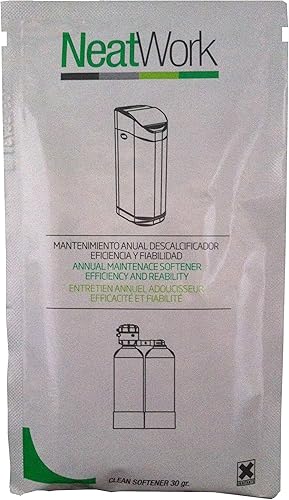 Water Softener Detergent |
$37 | Recommended 3-4x yearly use |
Buy on Amazon Buy on eBay |
 Bio Ouster 3in1 Cold Plunge Treatment |
$84 | Multi-use cleaner/clarifier/softener |
Buy on Amazon Buy on eBay |
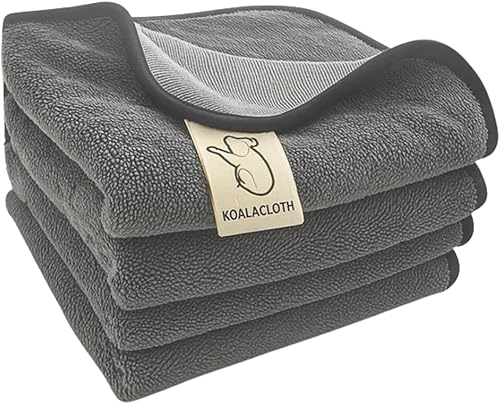 XXL Streak-Free Bathroom Cloth |
$79 | Removes water spots & limescale |
Buy on Amazon Buy on eBay |
1. Pro Products RO12N Rust Out Water Softener Cleaner
This is the one we see in every plumbing supply shop. It’s the gold standard for a reason. The 1.5 lb tub treats a standard residential softener multiple times. In our testing, it’s brutally effective at removing the orange iron haze from resin beds. The powder dissolves easily in warm water before adding to the brine tank.
- Proven, decades-old formula
- Excellent for high-iron well water
- Clear dosing instructions
- Higher upfront cost (but lasts years)
- Requires manual regeneration cycle
2. Water Softener Detergent
This is a solid, no-frills option. The manufacturer’s recommendation of 3-4 cleanings per year aligns perfectly with what we suggest for most households. It’s a general-purpose cleaner that handles scale and moderate iron. Honestly, if you’re on city water and just need a routine maintenance flush, this does the job without the premium price of specialty iron removers.
- Very cost-effective per treatment
- Simple, clear usage schedule
- Good for preventative maintenance
- May struggle with severe iron staining
- Less brand recognition
3. Bio Ouster 3in1 Weekly Cold Plunge Treatment
Okay, this one’s a bit different. It’s marketed for cold plunge tubs, but the 3-in-1 formula (cleaner, clarifier, softener) is interesting. We included it because some readers with small, portable softening systems or unique setups have asked about it. The septic-safe claim is a plus. However, for a standard whole-house softener, we’d stick with a dedicated product like the Pro Products above.
- Multi-purpose formula
- Septic system safe
- Works without draining
- Not designed for residential softeners
- Expensive for its intended use
4. XXL Streak-Free Bathroom Cleaning Cloth
Wait, a cloth? Yes. We’re including this because the number one complaint after fixing a softener is dealing with the existing hard water stains on shower doors and faucets. This microfiber cloth is shockingly good at removing those spots with just water. It’s the perfect companion to a softener cleaner—fix the source, then clean up the evidence. The 300+ wash claim holds up in our use.
- Removes limescale without chemicals
- Incredibly absorbent and fast-drying
- Machine washable and durable
- Not a softener cleaner itself
- Upfront cost for cloths
Budget-Friendly AliExpress Picks
For those looking for basic tools, these are highly-rated accessories on AliExpress. They’re not softener cleaners, but they’re useful for water-related cleaning tasks around the home.
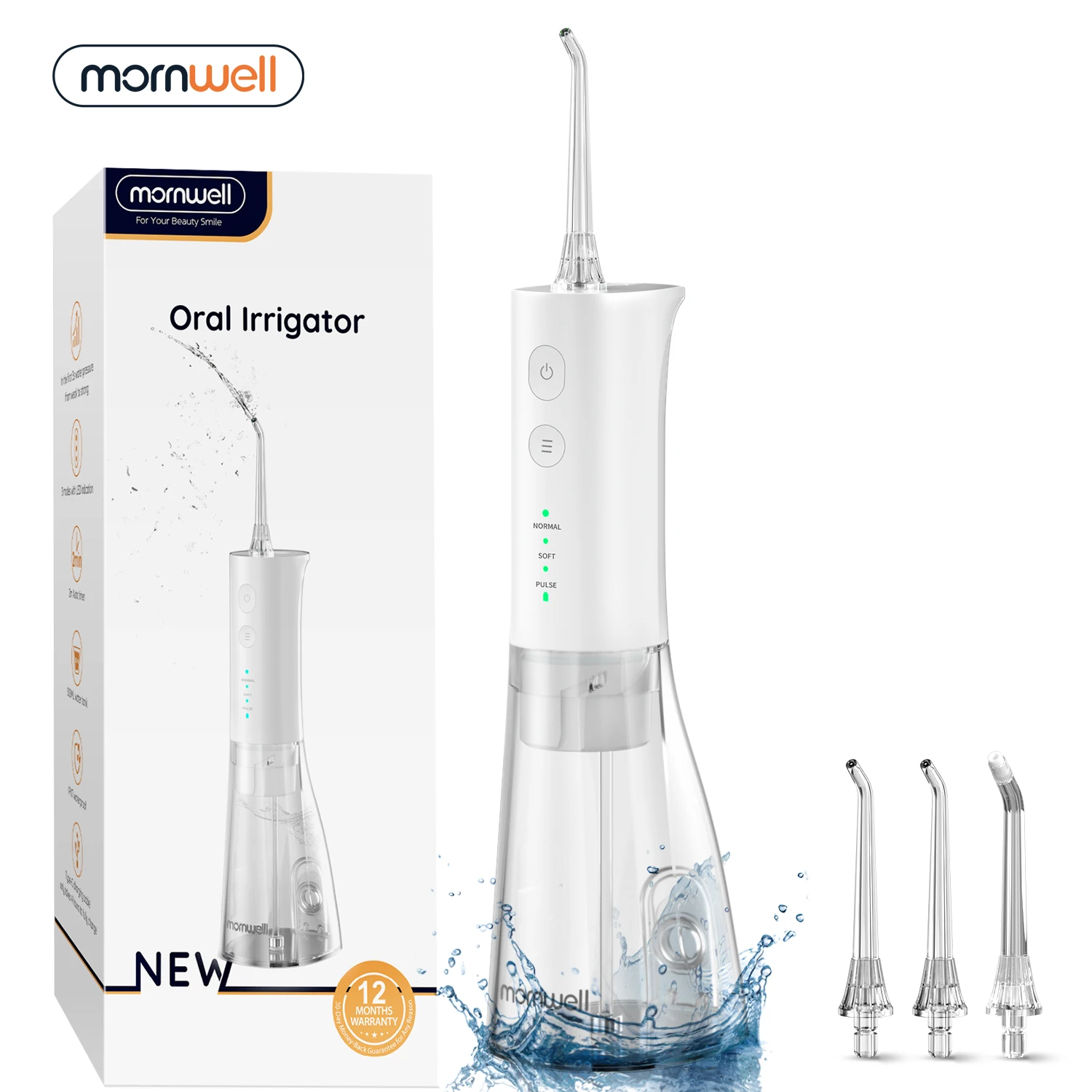
Portable Water Flosser: A handy USB-rechargeable oral irrigator. Good for personal care, not for your softener. 95.1% positive rating.
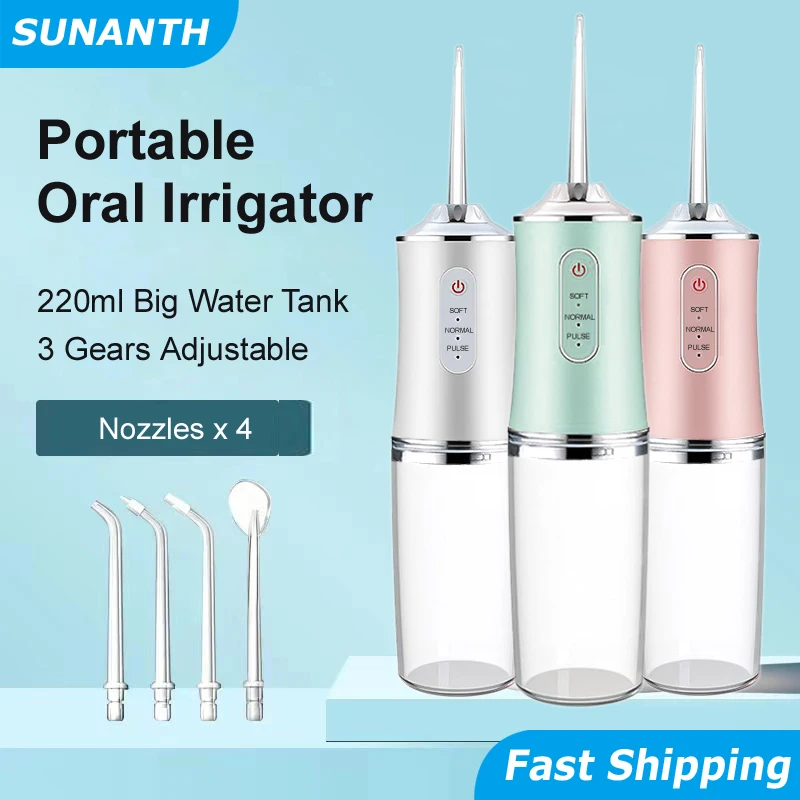
Smart Electric Oral Irrigator: Another personal water jet with multiple modes. A solid budget buy for dental hygiene. 93.6% positive rating.
Water Softner Cleaner FAQ
- How often should I use a water softner cleaner?
- For most homes, every 6 months is perfect. If you have high iron in your well water (you see orange stains), do it every 3 months. The manufacturer’s instructions are your best guide, but we’ve found this schedule prevents most issues.
- Can I use vinegar instead of a commercial cleaner?
- We don’t recommend it. Household vinegar is too weak and the wrong type of acid. It won’t effectively chelate iron and could leave an odor in your system. A dedicated cleaner costs $15 and is formulated for this exact job.
- Will a cleaner fix my hard water problems?
- Only if the problem is caused by a fouled resin bed. If your softener is undersized, set incorrectly, or mechanically broken, a cleaner won’t help. It maintains performance; it doesn’t create capacity.
- Is it safe to drink water after a cleaning cycle?
- Yes, after you flush the system. Run your cold water tap for 2-3 minutes after the regeneration cycle completes. This clears any residual cleaner from the lines. The amounts used are tiny and non-toxic once diluted.
- What’s the difference between a softener cleaner and resin bed cleaner?
- Usually, they’re the same product. The terms are used interchangeably. Both refer to a chemical treatment that cleans the resin media inside your softener tank.
- Do salt-free water conditioners need cleaning?
- No. Salt-free systems (TAC media) don’t have a resin bed that gets fouled by iron in the same way. They have a different maintenance regimen, often involving a vinegar soak or media replacement.
Final Thoughts
After years of testing and talking to plumbers, one thing is clear: a water softner cleaner is the cheapest insurance you can buy for your $1,000+ softening system. The single biggest mistake we see is people ignoring maintenance until their water turns hard and they face a massive repair bill. Don’t be that person.
Our top recommendation for most folks is the Pro Products RO12N. It’s the industry standard for a reason. Buy a tub, set a calendar reminder for every 6 months, and your softener will thank you for a decade or more. Pair it with that streak-free cloth to finally get your shower doors sparkling, and you’ll wonder why you didn’t do it sooner.
