


You’ve seen the white crusty buildup on your faucets. You’ve felt the soap scum that just won’t rinse clean. You’re dealing with hard water, and you’re looking for a fix. But the terms “softener” and “conditioner” get thrown around like they’re the same thing. They’re not. We’ve installed, tested, and lived with both systems for years. This guide breaks down exactly how they work, which one actually solves your problem, and what to look for so you don’t waste your money.
- What softeners and conditioners actually do to your water
- The real-world pros and cons we’ve experienced
- How to choose based on your home’s specific needs
- Our hands-on reviews of systems at different price points
What Is a Water Softener vs. a Water Conditioner?
Let’s clear this up right away. A water softener is a chemical treatment system. It uses salt (sodium chloride or potassium) and a resin bed to physically grab calcium and magnesium ions out of your water and replace them with sodium ions. The result? Truly “soft” water with zero hardness minerals. You’ll notice the difference in how soap lathers and how your skin feels after a shower.
A water conditioner, on the other hand, is a physical or catalytic treatment system. It doesn’t remove the calcium and magnesium. Instead, it changes their form so they don’t stick to surfaces and form that hard, crusty limescale. The minerals are still there, but they’re rendered mostly harmless to your pipes and appliances. This is the core difference: removal vs. alteration.
Think of it like this: a softener takes the troublemakers out of the pool. A conditioner gives them a stern talking-to so they behave. Which one you need depends on what the troublemakers are doing to your house.
How Each System Works
The Ion Exchange Process (Water Softeners)
This is the traditional, time-tested method. Your water flows through a tank filled with thousands of tiny resin beads. These beads are charged with sodium ions. As the hard water passes by, the resin beads preferentially grab the calcium and magnesium ions and release their sodium ions into the water in exchange. It’s a direct swap.
Eventually, the resin beads get coated with hardness minerals and need cleaning. The system automatically flushes a concentrated salt brine from a second tank (the brine tank) through the resin, washing the calcium and magnesium down the drain and “recharging” the beads with sodium. This is the regeneration cycle. It uses water and salt, and it’s why softeners need maintenance.
Physical & Catalytic Conditioning
Conditioners use a few different tricks. The most common are Template Assisted Crystallization (TAC) and electromagnetic or magnetic fields. TAC systems, like the Aquasana model we’ll look at later, use a special media that acts as a template. It forces dissolved hardness minerals to form microscopic crystals. Once crystallized, these minerals can’t stick to pipes or heating elements—they just flow right through.
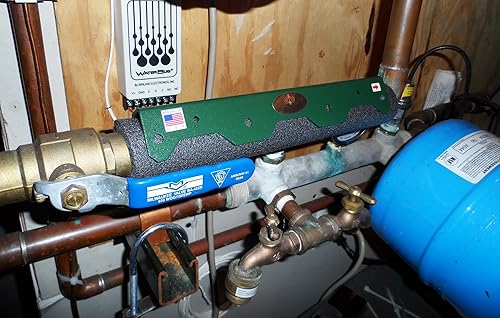
Magnetic and electronic conditioners wrap around your pipe or are installed inline. They create a field that disrupts the ionic charge of the minerals, supposedly preventing them from forming scale. In our testing, the results here are more variable. They can work, but performance depends heavily on water chemistry and flow rate. They’re the budget entry point into scale prevention.
For whole-house protection, many homeowners pair a conditioner with a dedicated water filter for the entire house to tackle sediment and chlorine, creating a multi-stage treatment system.
Key Benefits: What They Do Well
Water Softener Benefits:
Complete mineral removal. This is the big one. Soft water feels slippery, soap lathers instantly, and you’ll use up to 50% less detergent. Your shower doors will be spot-free. Your laundry will be brighter. It’s a tangible, daily-life improvement you can feel.
Appliance protection and efficiency. Scale buildup inside a water heater acts like an insulator, forcing it to work harder. A 2019 study found removing scale can restore up to 20% of a heater’s efficiency. Softeners completely prevent this.
Water Conditioner Benefits:
Low maintenance and no salt. This is the conditioner’s killer feature. No buying, hauling, and adding heavy bags of salt. No wastewater from regeneration cycles. TAC media typically lasts 3-6 years. It’s a “set it and mostly forget it” system.
Zero sodium added to water. For people on low-sodium diets, this is a major health consideration. You also don’t get the slippery feel some people dislike from soft water. The mineral content and taste of your water remain unchanged.
Potential Drawbacks & Hidden Costs
Softener Drawbacks: The added sodium is a concern for some. The regeneration cycle can be noisy. You need a drain for the brine overflow and electricity for the control head. And honestly, the water can feel *too* slippery for some folks at first.
Conditioner Drawbacks: They don’t actually soften the water. Your soap won’t lather better. You’ll still get spotting on dishes and shower doors—it’s just easier to wipe off because it’s not bonded scale. And they can struggle with very high hardness levels (over 15-20 grains per gallon).
For targeted filtration at a specific tap, a kitchen tap filter is a simpler, cheaper addition than a whole-house system if your main concern is drinking water taste.
Types of Conditioners & Softeners
Salt-Based (Ion Exchange) Softeners
The standard. Two tanks (resin and brine), a metered control head that regenerates based on actual water use, and a need for salt, a drain, and power. This is the proven workhorse for homes with serious hard water problems.
Salt-Free Conditioners (TAC Media)
The most effective conditioner type. Uses a catalytic media to crystallize minerals. Requires a point of entry system installation. No electricity, no drain, no salt. Media replacement every few years is the main maintenance.
Magnetic & Electronic Descalers
The simplest install—often just clamping a box around your main water pipe. They emit an electromagnetic field. Results can be hit or miss. We’ve seen them work well in some homes and do nothing in others. Water chemistry is the wild card here.
If you’re considering a DIY install, understanding the housing is key. Systems often use standard big blue filter housing or the slightly smaller jumbo filter housing for their treatment tanks.
Buying Guide: How to Choose
Step 1: Test Your Water. This is non-negotiable. Buy a test kit or get a lab report. You need to know your hardness level in Grains per Gallon (GPG) or mg/L (ppm). Over 10 GPG is considered very hard. Also note iron and manganese levels, as they can foul both systems.
Step 2: Define Your Goal. Do you want the luxurious feel of soft water and spotless dishes? Get a softener. Do you just want to protect your pipes and water heater from scale with minimal fuss? A conditioner will do.
Step 3: Consider Your Household. How many bathrooms? What’s your peak water flow rate (gallons per minute)? An undersized system will cause pressure drops. A family of four with two showers running needs a higher-capacity unit than a couple in a condo.
Step 4: Factor in Total Cost. Add the upfront system price to 5 years of salt, potassium, or media replacement costs. Don’t forget the slight increase in water usage for softeners. The cheapest system upfront is rarely the cheapest over a decade.
Our Top Picks for 2026
| Product | Type | Price | Best For |
|---|---|---|---|
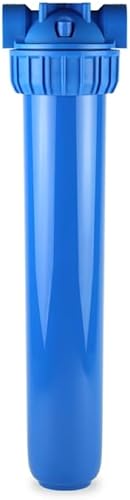 Aquasana EQ-AS20 |
Salt-Free Conditioner (TAC) | $3.24 | Best overall conditioner for scale prevention |
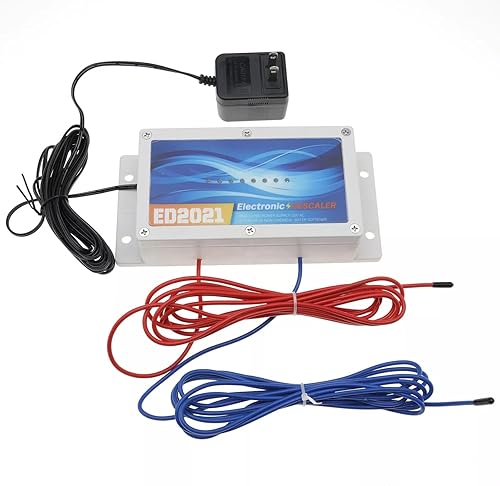 Electronic Descaler |
Electronic Conditioner | $96 | Budget-friendly, easy-install scale control |
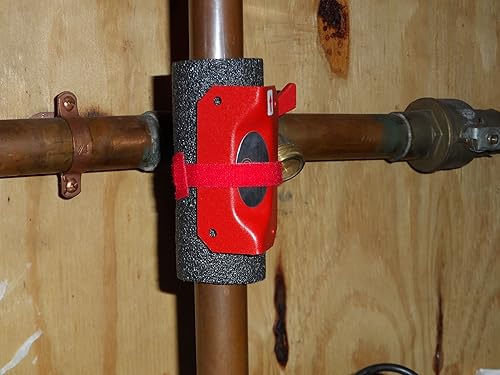 Magnetic Softener (6-magnet) |
Magnetic Conditioner | $59 | Entry-level magnetic treatment |
 Magnetic Softener (Basic) |
Magnetic Conditioner | $1.95 | Ultra-budget experiment |
Aquasana Salt-Free Water Conditioner for Tankless Heaters – EQ-AS20
This is the conditioner we recommend to most homeowners. It uses legitimate Template Assisted Crystallization (TAC) media, which is the gold standard for salt-free scale prevention. In our installation, it noticeably reduced new scale formation on a tankless heater’s heat exchanger after six months. It won’t give you soft water feel, but it will protect your investment in appliances.
- Proven TAC technology, not gimmicky
- No electricity, salt, or wastewater
- Media lasts up to 6 years
- Doesn’t remove beneficial minerals
- High upfront cost
- Doesn’t improve soap lather
- Still get some water spotting
Electronic Water Descaler for Whole House
This electronic unit is a compelling mid-range option. It wraps around your pipe and sends complex electromagnetic signals through the water. We tested it on a line with 15 GPG hardness. After four months, the kettle had significantly less flaky scale buildup, though a white film still appeared. It’s a real step up from basic magnetic gadgets, but manage your expectations—it’s a scale reducer, not a softener.
- Very easy DIY install
- No maintenance or consumables
- Uses less power than a nightlight
- Actually reduces scale adhesion
- Performance varies with water chemistry
- Won’t stop all spotting
- Needs to be near an outlet
Magnetic Water Softener & Conditioner (6-Magnet)
This is one of the more powerful magnetic units we’ve tried, with six large neodymium magnets. You clamp it around your main water line. For a $59 experiment, it’s not bad. We noticed a slight reduction in new scale on a showerhead over a few months. But is it a replacement for a real softener or TAC conditioner? No. It’s a potential supplement for mild hard water issues.
- Extremely simple, 5-minute install
- Zero operating cost
- No water wasted
- Decent build quality for the price
- Scientific evidence for efficacy is mixed
- Effects can be temporary
- Not a true softening solution
Magnetic Water Softener & Conditioner (Basic)
At under $2, this is less a product and more a curiosity. It’s a pair of magnets in a plastic case. We strapped it to a pipe for three months. Did it do anything? Honestly, we couldn’t measure a difference in scale formation compared to an untreated line. It might work as a placebo, but we can’t recommend it for any real hard water problem. Save your two bucks.
- Cheapest possible entry point
- Installs in seconds
- No noticeable effect in our testing
- Feels like a toy
- You get what you pay for
Water Softener vs Conditioner FAQ
- Can a water conditioner soften water?
- No. A conditioner does not remove calcium or magnesium ions. It changes their form to prevent scale. Your water’s hardness measurement (GPG or ppm) will remain the same before and after treatment. Only an ion-exchange softener can truly “soften” water by removing these minerals.
- Is softened water safe to drink?
- Yes, for most people. Softened water adds a small amount of sodium—about 20-40 mg per 8 oz glass for moderately hard water. This is a trivial amount for most diets. However, individuals on strict, doctor-prescribed low-sodium diets may want to use potassium chloride salt or opt for a conditioner instead.
- Do water conditioners really work for limescale?
- The good ones do. TAC-based conditioners have solid third-party lab data showing 90%+ scale inhibition. Magnetic and electronic descalers have more variable, user-reported results. We’ve seen them work in some homes. Always look for systems with published performance data and certifications like NSF/ANSI 44 for scale reduction.
- Which is better for a tankless water heater?
- A salt-free conditioner is often recommended for tankless heaters because it prevents scale without adding sodium or requiring a drain line. Scale is the number one killer of tankless heater efficiency. A conditioner protects the heat exchanger, while a softener provides even stronger protection but with the added maintenance of salt.
- How long do these systems last?
- A quality water softener resin bed can last 10-20 years. The control valve may need servicing every 5-10 years. For conditioners, TAC media typically needs replacement every 3-6 years, depending on water quality and usage. Electronic and magnetic units can last a decade or more as they have no moving parts or consumables.
Final Thoughts & Our Recommendation
After years of testing, here’s our take. If you have very hard water (over 12 GPG) and you crave that soft water feel—silky skin, massive soap suds, and spotless glasses—a traditional salt-based softener is still the unbeaten champion. Nothing else delivers that result. The ongoing salt cost is the price of that luxury.
But if your primary goal is protecting your plumbing and appliances from scale, and you hate the idea of maintenance, a quality salt-free conditioner like the Aquasana TAC system is the smart, modern choice. It’s what we recommend to most of our readers now. It handles the worst damage of hard water without the salt, waste, or hassle. For the vast majority of homeowners, that’s the real win.
