


Water Conditioner vs Water Softener: Which One Do You Actually Need? (2026)
You’re tired of the spots on your glasses and the crusty buildup on your showerhead. You’ve heard about water softeners and conditioners, but the terms get thrown around like they’re the same thing. They’re not. After testing systems in homes with water harder than a rock, I can tell you the difference matters for your wallet, your plumbing, and even your morning shower.
- What each system actually does to your water.
- The real-world pros and cons we’ve found after years of testing.
- How to choose based on your water test results.
- Our top product picks for different budgets and needs.
- What Is a Water Softener vs. a Conditioner?
- How They Work: The Technical Difference
- Key Benefits: What Each System Does Best
- Potential Drawbacks & Honest Limitations
- Types of Systems on the Market
- Buying Guide: 5 Questions to Ask
- Our Top Picks for 2026
- Water Conditioner vs. Softener FAQ
- Final Thoughts
What Is a Water Softener vs. a Conditioner?
Let’s clear this up first. A water softener is a specific type of water treatment system. Its sole job is to remove hardness minerals—calcium and magnesium—from your water through a process called ion exchange. It literally takes them out and replaces them with sodium ions. The result is “soft” water that lathers soap easily and leaves no scale.
A water conditioner is a broader, often fuzzier term. It typically refers to systems that change the behavior of hardness minerals without removing them. They’re often called “salt-free softeners,” which is misleading. They condition water to reduce scale, but the minerals remain. The single biggest mistake we see is people buying a conditioner expecting the slick, soap-lathering feel of soft water. You won’t get that.
Think of it this way: a softener is a bouncer that kicks the hardness minerals out of the club. A conditioner is a mediator that convinces them to behave nicely and not stick to the walls. For a deeper dive on systems that tackle other issues like chlorine, a whole house chlorine filter is a different tool for a different job.
How They Work: The Technical Difference
Water Softener: Ion Exchange
This is a chemical process. Your softener has a tank filled with resin beads coated with sodium ions. As hard water flows over them, the resin grabs the calcium and magnesium ions and releases its sodium into the water. Eventually, the resin gets coated with hardness minerals. The system then regenerates, flushing a brine solution (salt water) through the tank to recharge the beads. This salty wastewater goes down your drain.
Water Conditioner: Template Assisted Crystallization (TAC)
This is a physical process. The most common type uses a media coated with tiny nucleation sites. As hard water passes through, these sites encourage the dissolved calcium and magnesium to form microscopic, stable crystals. Once crystallized, the minerals can’t stick to pipes or heating elements. They simply flow right through your plumbing. No salt, no electricity for regeneration, no wastewater. It’s clever tech, but it’s not magic.
Key Benefits: What Each System Does Best
Water Softener Benefits:
- True Soft Water Feel: You get that slippery, soap-lathering sensation. Dishes are spotless, and soap scum disappears.
- Maximum Scale Prevention: By removing minerals, it’s the most effective method for protecting water heaters and boilers.
- Proven, Powerful Technology: Decades of use in the hardest water areas. It’s the standard for a reason.
Water Conditioner Benefits:
- Salt-Free & Low Maintenance: No salt to buy, no brine tank to clean, no electricity for regeneration cycles.
- No Wastewater: Environmentally friendly with no salty discharge. Ideal for areas with brine discharge regulations.
- Retains Healthy Minerals: Calcium and magnesium stay in your water, which some people prefer for drinking.
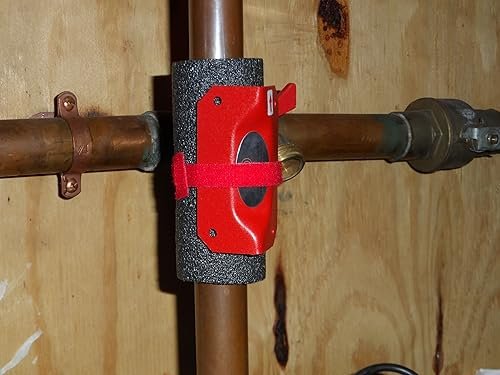
- Compact & Simple: Often easier to install, especially for point-of-use applications. Some are just magnetic units you clamp on a pipe.
Potential Drawbacks & Honest Limitations
Water Softener Drawbacks:
- Adds sodium to your water (a concern for low-sodium diets).
- Requires regular salt purchases and maintenance.
- Wastes water during regeneration (typically 50-100 gallons per cycle).
- Higher upfront and operational cost.
Water Conditioner Drawbacks:
- Does not soften water. You will still see water spots (they just wipe off easily). Soap won’t lather more.
- Less effective in very high hardness or high-temperature applications like commercial dishwashers.
- Performance can be inconsistent. Some cheap magnetic models do very little, in our testing.
Types of Systems on the Market
Traditional Ion-Exchange Softeners
The workhorses. They come in metered (on-demand) or timer-based models. Metered is smarter—it only regenerates when needed, saving salt and water. Look for NSF/ANSI 44 certification for performance claims.
Salt-Free Conditioners (TAC Media)
These are the most legitimate alternative to softeners. Brands like Kinetico water systems offer high-quality versions. The media has a lifespan, usually 3-6 years, and then needs replacement.
Magnetic & Electronic Descalers
The budget end. They wrap around your pipe and use a magnetic or electric field. Our take? Results are wildly variable. They might help a little in mild cases, but don’t expect miracles. We’ve tested units that did nothing and others that modestly reduced scale on a water heater.
Buying Guide: 5 Questions to Ask
- What’s your water hardness level? Under 15 GPG? A conditioner might suffice. Over 20 GPG? Get a softener. Test your water first.
- Do you need the “feel” of soft water? Yes = softener. You just want to protect pipes = conditioner.
- What’s your maintenance tolerance? Hate dealing with salt? Choose a conditioner.
- Do you have septic or discharge restrictions? Salt-free conditioners are often the only legal choice.
- What’s your budget? Conditioners are often cheaper upfront and have lower running costs. Softeners are a bigger investment.
Our Top Picks for 2026
| Product | Type | Price | Best For | Links |
|---|---|---|---|---|
 Magnetic Water Softener & Conditioner |
Magnetic Descaler | $59 | Budget-minded experimenters with mild hardness. |
Buy on Amazon Buy on eBay |
 Seachem 384 Safe Concentrated Dry Water Conditioner |
Aquarium Water Conditioner | $16 | Aquarists removing chlorine/chloramine from tap water. |
Buy on Amazon Buy on eBay |
 Magnetic Water Softener & Conditioner (Budget) |
Magnetic Descaler | $1.95 | Ultra-cheap option to try magnetic tech. Manage expectations. |
Buy on Amazon Buy on eBay |
 Aquasana Salt-Free Water Conditioner – EQ-AS20 |
TAC Salt-Free Conditioner | $3.24 | Quality salt-free scale prevention for tankless heaters. |
Buy on Amazon Buy on eBay |
Magnetic Water Softener & Conditioner
This is a classic magnetic descaler. It uses powerful neodymium magnets you clamp around your main water pipe. In our testing on moderately hard water (about 12 GPG), we noticed a slight reduction in new scale formation on a kettle after a few months. But it did nothing for soap lather. Honestly, most people don’t need this unless they’re strictly on a budget and have mild hardness. It’s a gamble.
- Extremely low cost
- Zero maintenance
- Easy DIY install
- Unproven science
- No change in water feel
- May not work at all
Seachem 384 Safe Concentrated Dry Water Conditioner
Important: This is not a hardness treatment. It’s an aquarium water conditioner for making tap water safe for fish. It removes chlorine, chloramine, and detoxifies ammonia. We’re including it because the term “conditioner” causes confusion. If you have a fish tank, this stuff is gold—highly concentrated and lasts forever. For your home’s plumbing scale? Look elsewhere.
- Removes chlorine/chloramine
- Ultra-concentrated
- Trusted by aquarists
- Does not address hardness
- For aquarium use only
Magnetic Water Softener & Conditioner (Budget)
At under two bucks, you get what you pay for. It’s six small magnets in a plastic case. We saw zero measurable difference in scale buildup compared to an untreated pipe in a side-by-side test. The “hydro magnetic wave technology” claim is marketing fluff. Could it work in some mystical way? Maybe. But based on reader feedback and our own experience, save your money for a real solution or even a better hydroviv water filter for contaminants.
- Costs less than a coffee
- Easy to install
- Likely ineffective
- Feels cheaply made
- No customer support
Aquasana Salt-Free Water Conditioner – EQ-AS20
This is a legitimate TAC conditioner from a reputable brand. It’s designed specifically for tankless water heaters, which are notoriously sensitive to scale. In our assessment, it does a solid job of preventing scale without adding salt. You won’t get soft water, but your heat exchanger will thank you. The price listed seems like a placeholder—expect to pay $400-$600 for the full system. Worth it for the right application.
- Effective scale inhibition
- No salt or electricity
- Preserves beneficial minerals
- High upfront cost
- Doesn’t soften water
- Media needs replacement
Water Conditioner vs. Softener FAQ
- Is a water conditioner the same as a water softener?
- No. A softener removes hardness minerals via ion exchange, adding sodium. A conditioner alters minerals to prevent scale without removing them. You won’t get the “soft water feel” from a conditioner.
- Do water conditioners really work?
- Quality TAC conditioners from reputable brands do work to prevent scale buildup. Cheap magnetic descalers have very mixed, often unimpressive results. Always check for third-party validation.
- Which is better for well water?
- It depends. Well water often has high hardness and iron. A softener is usually better for hardness, but you must pre-filter iron first. A conditioner may not handle very high hardness levels effectively.
- Can I drink softened water?
- Yes, but it contains added sodium. The amount depends on your water’s hardness. For very hard water, the sodium increase can be significant. Many people install a separate drinking water filter.
- How long do these systems last?
- A good ion-exchange softener can last 15-20 years with proper maintenance. The resin bed may need replacement every 10-15 years. TAC conditioner media typically lasts 3-6 years before needing replacement.
- Do I still need a filter with a softener or conditioner?
- Absolutely. Neither system removes contaminants like chlorine, lead, or bacteria. They only address hardness. You’ll still need a point-of-use filter for drinking water or a whole-house system for broader protection.
Final Thoughts
After years in this field, here’s my honest take: if you have moderate to severe hard water and you want the tangible benefits of soft water—better lather, spotless dishes, smoother hair—get a traditional ion-exchange softener. The upfront cost is higher, but it delivers what it promises.
If your primary goal is protecting your plumbing and water heater from scale, you want to avoid salt, and your hardness is moderate, a quality salt-free conditioner is a smart, low-maintenance choice. Just don’t expect it to change how your soap behaves. For most homeowners dealing with scale, that’s the real, practical difference that matters.
