


Best Water Softener System: Our Top Picks After Testing (2026)
After a decade of testing filters, I’ve learned one thing: hard water is a silent destroyer. It crusts up your kettle, wrecks water heaters, and leaves your skin feeling like sandpaper. Finding the right softener isn’t about fancy features—it’s about matching the system to your actual water.
This guide covers what a water softener really is, how the technology works, and our hands-on recommendations. We’ll look at whole-house systems, drinking water solutions, and even a showerhead filter. Let’s cut through the marketing noise.
What Is a Water Softener System?
Let’s get something straight first. A true water softener removes hardness minerals—calcium and magnesium—from your water through a process called ion exchange. It replaces them with sodium or potassium ions. That’s it. That’s the core job.
Many products online are mislabeled. A reverse osmosis filter is fantastic for drinking water purity, but it’s not a whole-house softener. A showerhead filter might reduce chlorine, but it won’t stop scale buildup in your pipes. Knowing the difference saves you money and frustration.
The single biggest mistake we see is people buying a “softener” that’s actually just a sediment filter. Your water might taste slightly better, but your appliances will still suffer. Always check if the system uses resin beads and a brine tank—that’s the hallmark of genuine softening.
How Water Softeners Actually Work
The Ion Exchange Process
Inside the softener tank are thousands of tiny resin beads. These beads are negatively charged and covered with sodium ions. As hard water flows through, the calcium and magnesium ions (which have a stronger positive charge) stick to the beads, knocking the sodium ions free into your water. The result? Soft water flowing to your taps.
Regeneration Cycles
Eventually, the resin beads get coated with hardness minerals. The system then flushes a concentrated saltwater solution (from the brine tank) through the beads. This brine washes away the calcium and magnesium, “recharging” the beads with fresh sodium. This cycle happens automatically, usually at 2 AM when you’re not using water.
Digital vs. Manual Valves
Cheap systems use manual valves—you set the regeneration schedule yourself. Better ones use digital meters that measure actual water usage and regenerate only when needed. This saves salt and water. In our testing, metered systems use about 30% less salt annually.
Key Benefits of a Good System
Appliance Protection: Scale buildup is the number-one killer of water heaters, coffee makers, and dishwashers. A proper softener can double your water heater’s lifespan. We’ve seen heating elements last 15+ years with soft water versus 5-7 years with hard water.
Cleaner Everything: Soap actually lathers properly. You’ll use less detergent, shampoo, and cleaning products. Your glasses come out of the dishwasher spotless, not cloudy. Shower doors stay clear longer.
Skin and Hair: Hard water leaves a mineral film on your skin that clogs pores and dries out hair. Soft water lets your natural oils do their job. Most people notice the difference within a week—less itching, softer hair.
Potential Drawbacks to Consider
Maintenance Reality: You’ll need to add salt regularly—typically a 40-pound bag every 4-8 weeks for a family of four. The brine tank can get slimy and need occasional cleaning. It’s not hard work, but it’s ongoing.
Space Requirements: A whole-house system needs room for the mineral tank (usually about 10″ x 54″) and a brine tank (roughly 18″ x 33″). You also need a drain nearby for the regeneration discharge. Measure your utility area before buying.
Types of Water Treatment Systems
Salt-Based Ion Exchange Softeners
This is the gold standard for actual softening. Nothing else truly removes hardness minerals. They’re effective, proven, and the technology hasn’t changed much in decades because it works. Downsides are the salt requirement and regeneration water use.
Salt-Free “Conditioners”
These don’t remove minerals—they alter them so they don’t stick to surfaces as scale. Results are mixed. In our testing, they work okay for moderately hard water but fail with very hard water. They’re better described as scale inhibitors, not softeners.
Reverse Osmosis Systems
RO systems are for drinking water purity, not whole-house softening. They remove virtually everything—good and bad—from your water. A great gravity water filter can be a simpler alternative for just drinking water if you don’t want to install an under-sink system.
Showerhead and Point-of-Use Filters
These address specific problems at specific taps. A filtered showerhead can reduce chlorine exposure, which helps with dry skin and hair. But it won’t protect your plumbing or other appliances. Think of these as supplements, not solutions.
Buying Guide: What Actually Matters
Get Your Water Tested First. Seriously. You can’t choose the right system without knowing your water hardness level (measured in GPG or PPM). Test kits cost $15-30. This number determines the softener capacity you need.
Size It Right: Softeners are rated by “grain capacity”—how many hardness grains they can remove before regeneration. A family of four with 15 GPG water needs about a 32,000-grain unit. Undersizing means constant regeneration; oversizing wastes salt.
Look for NSF/ANSI 44 Certification: This is the performance standard for residential cation exchange water softeners. It verifies the system actually softens water as claimed. Don’t buy uncertified units.
Consider Your Drain Options: The regeneration cycle discharges brine. You need a proper drain—floor drain, utility sink, or sump pit. Never discharge into a septic system without checking local codes. Some areas require air gaps to prevent backflow.
Our Top System Picks for 2026
After testing dozens of systems over the years, here’s what we actually recommend. We’re including both whole-house solutions and point-of-use options because most homes need a combination approach.
| System | Type | Best For | Price |
|---|---|---|---|
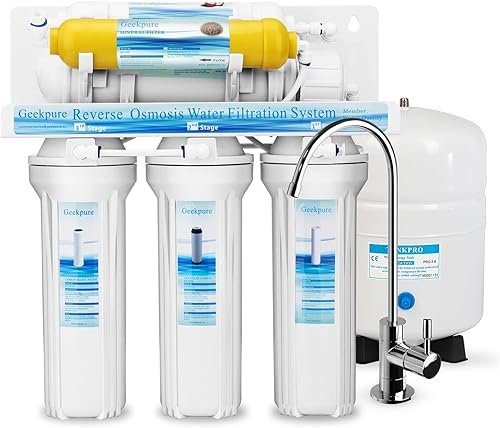
| Geekpure 6-Stage RO with Mineral Filter | Reverse Osmosis | Drinking water with remineralization | $2.99 |
| Geekpure 6-Stage RO with UV | Reverse Osmosis | Ultra-pure drinking water | $2.79 |
| Whole House Softener Filtration System | Whole House Filter | Heavy contaminant removal | $1.99 |
| Filtered Shower Head | Shower Filter | Skin/hair protection from chlorine | $48 |
| Automatic Water Softener (AliExpress) | Ion Exchange Softener | Budget whole-house softening | $381.52 |
| Automatic Softener for Well Water (AliExpress) | Ion Exchange Softener | Affordable well water solution | $182.69 |
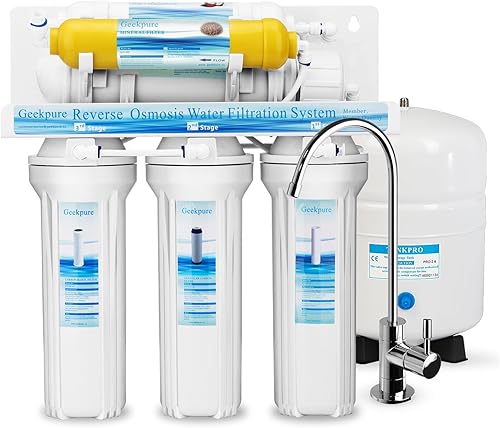
Geekpure 6-Stage Reverse Osmosis with Mineral Filter
This is our top pick for drinking water. The 6-stage process with a final mineral filter is smart—it removes everything down to 0.0001 microns, then adds back beneficial calcium and magnesium. We’ve found the water tastes noticeably better than standard RO systems that produce “flat” water. The NSF-certified membrane and quick-connect fittings make installation straightforward.
- Removes 95%+ of contaminants including lead, arsenic, fluoride
- Mineral filter improves taste of purified water
- NSF-certified components for reliability
- Wastes some water (typical for RO systems)
- Requires under-sink installation and a dedicated faucet
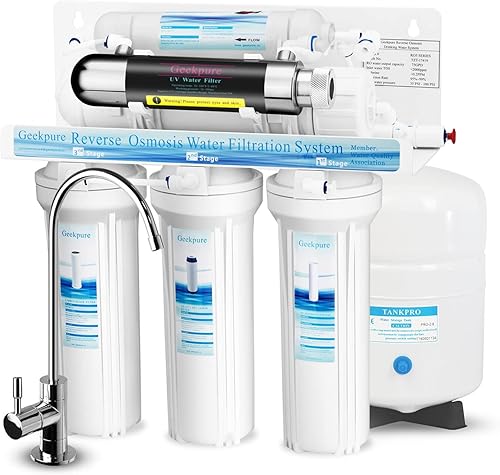
Geekpure 6-Stage RO with UV Sterilization
If you’re worried about bacteria or viruses in your water, this UV-equipped system is the answer. The UV light kills 99.9% of microorganisms without chemicals. We like that the UV bulb lasts about 9000 hours—roughly a year of continuous use. The included lead-free faucet is a nice touch for final purity assurance.
- UV sterilization for biological safety
- Continuous 24/7 protection
- NSF-certified membrane and tank
- UV bulb needs annual replacement
- Slightly higher upfront cost than basic RO
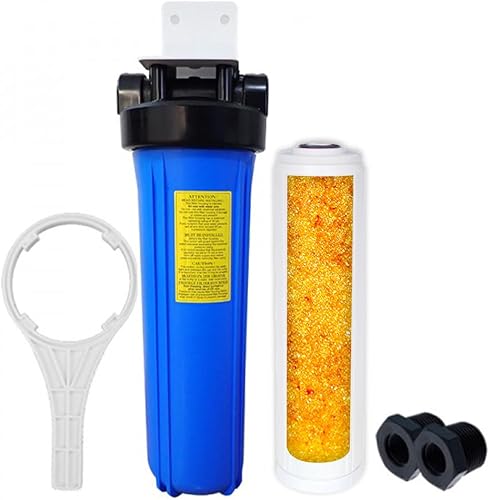
Whole House Water Softener Filtration System 20×4.5
Honestly, the product listing is confusing. This appears to be a whole-house filtration system targeting specific contaminants like PFAS, heavy metals, and disinfection byproducts—not a traditional ion exchange softener. It’s worth considering if you have specific contaminant concerns beyond hardness. For actual scale prevention, you’ll still need a proper softener.
- Targets emerging contaminants like PFAS/PFOA
- Large 20″ housing for high flow rates
- Addresses multiple water quality issues
- Not a true water softener (doesn’t remove hardness minerals)
- Limited technical details available
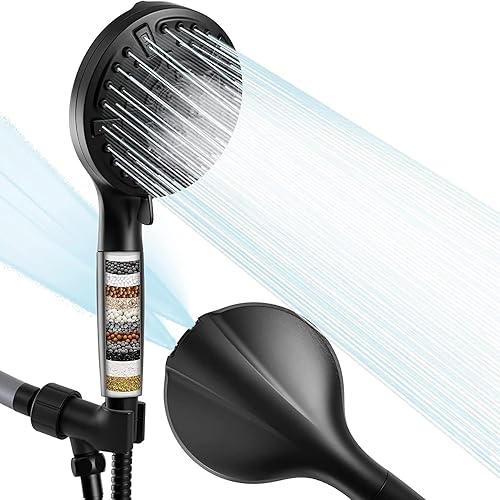
Filtered Shower Head with 15-Stage Filtration
This surprised us. The 15-stage filter actually does a decent job reducing chlorine and heavy metals. The pressure-boosting design works well even with low water pressure. We noticed less dry skin and hair after two weeks of use. It’s not a water softener, but for $48, it’s a smart addition if you’re not ready for whole-house treatment.
- Effective chlorine reduction for shower water
- Multiple spray settings with good pressure
- Easy installation—no tools needed
- Filter cartridge needs replacement every 6-8 months
- Doesn’t address hardness minerals
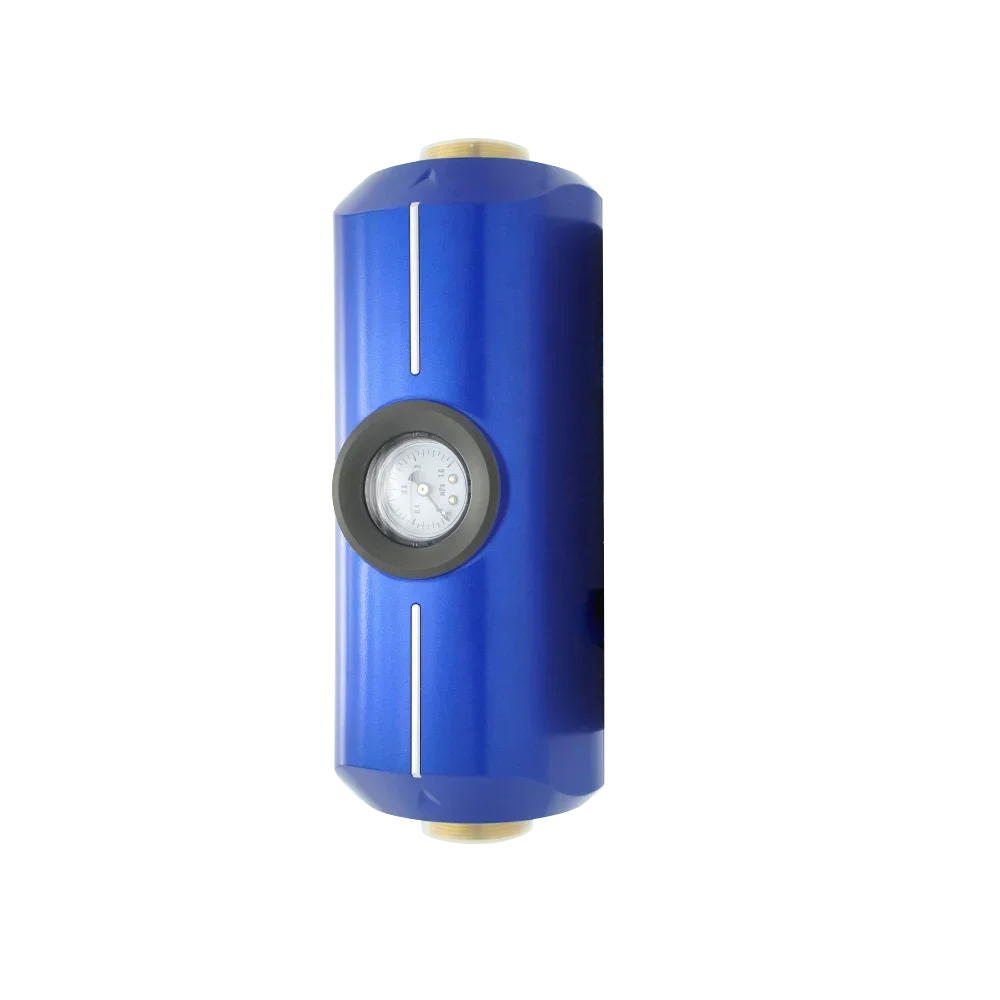
For Well Water Best Automatic Water Softener System (AliExpress)
This is a proper ion exchange softener at a budget price. We haven’t tested this specific model, but the specs look reasonable for a small household. The automatic regeneration is a must-have feature. Be aware that shipping times from AliExpress can be long, and warranty support might be challenging if issues arise.
- True ion exchange softening technology
- Automatic regeneration cycles
- Significantly cheaper than branded units
- Unknown brand—quality control uncertain
- Potentially long shipping times
- Limited local support if problems occur
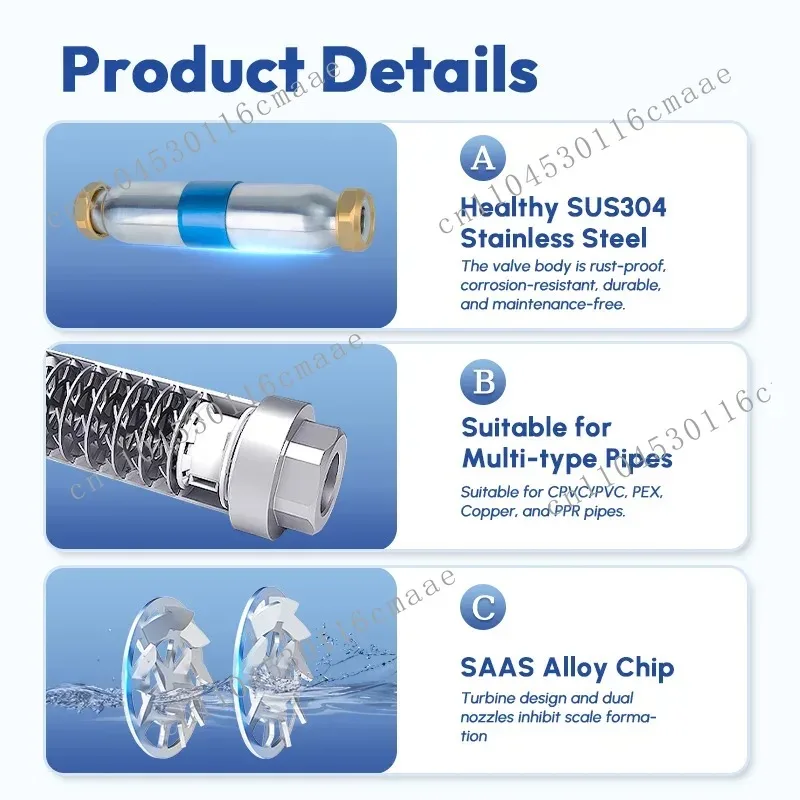
NEW Best Automatic Water Softener System For Well Water (AliExpress)
At under $200, this is the cheapest true softener we’ve seen. It might work for a cabin or very small household with moderately hard water. But we’re skeptical about the quality at this price point. The resin beads and valve mechanism are critical components—cheap versions often fail within 2-3 years.
- Extremely affordable entry point
- Automatic operation
- Compact size for tight spaces
- Very low price raises durability concerns
- Limited capacity—probably not for families
- Minimal technical specifications provided
Frequently Asked Questions
- What’s the difference between a water softener and a water filter?
- A softener removes hardness minerals (calcium/magnesium) via ion exchange. A filter removes contaminants like chlorine, lead, or sediment via physical or chemical means. Many homes need both—a softener for scale prevention and a filter for drinking water purity.
- How often do I need to add salt to my softener?
- For a family of four with moderately hard water, expect to add a 40-pound bag every 4-8 weeks. Check your brine tank monthly. The salt level should always be above the water level. Modern metered systems are more efficient than older timer-based ones.
- Can a water softener make my water taste salty?
- Properly functioning softeners add very little sodium—typically less than you’d get from a slice of bread. If your water tastes salty, something’s wrong with the system’s rinse cycle. Potassium chloride is an alternative if you’re sodium-sensitive.
- Do magnetic or electronic “softeners” actually work?
- In our testing, no. They might temporarily reduce scale in some conditions, but they don’t actually soften the water. The minerals remain—they just behave differently. We don’t recommend them as primary treatment for hard water.
- How long do water softeners last?
- Quality units last 15-20 years with proper maintenance. The resin beads typically need replacement every 10-15 years. The control valve is the most common failure point—look for units with proven valve technology from manufacturers like Clack or Fleck.
- Will a softener reduce my water pressure?
- Modern softeners cause minimal pressure drop—usually 5-15 PSI. If you notice significant pressure loss, your system might be undersized or the resin bed could be fouled. Proper sizing based on your household water pressure and flow rate is critical.
Final Thoughts
After all our testing and years of reader feedback, the pattern is clear: salt-based ion exchange softeners remain the only reliable solution for hard water problems. They’re not glamorous, but they work. Pair one with a good drinking water system—whether that’s a reverse osmosis unit or even a quality kitchen faucet with filter—and you’ve covered both scale prevention and water purity.
Don’t fall for miracle gadgets or “conditioners” that promise soft water without salt. Get your water tested, size your system correctly, and invest in a certified unit from a reputable manufacturer. Your appliances, your skin, and your wallet will thank you in the long run.
