


Hard water is a silent nuisance. It leaves crusty buildup on your faucets, makes your skin feel dry, and can wreck your water heater. So you’re thinking a rental might be the easy answer. After a decade of testing systems and talking to plumbers, I’ve seen the rental route work—and I’ve seen it become a money pit. Let’s break down what you really need to know.
- What a water softener rental actually includes (and what it doesn’t)
- The real monthly cost versus buying a system outright
- Key questions to ask any rental company before you sign
- Smart alternatives if a whole-house rental is overkill
What Is a Water Softener Rental?
Forget the fancy marketing. A water softener rental is basically a service agreement. A company installs a standard ion-exchange softener in your home—usually in the garage or basement—and you pay a monthly fee. That fee is supposed to cover the equipment, installation, and often salt refills or maintenance. It sounds simple. But the devil’s in the details.
The core technology isn’t special. It’s the same as a purchased unit. The resin tank swaps hardness minerals (calcium and magnesium) for sodium ions. The difference is you don’t own the tank. You’re leasing the hardware and the service. This model is common in areas with very hard water, where companies have a steady stream of customers tired of scrubbing shower doors.
It’s a different beast from a simple activated carbon water filter, which targets chlorine and taste but does nothing for hardness. We’re talking about a mechanical and chemical process to remove the actual minerals causing scale.
How Rental Programs Typically Work
The Installation Process
A technician will usually do a free water test. They’ll check your hardness level in grains per gallon (GPG). Anything over 7 GPG is considered hard. They’ll also look at your plumbing to find the main water line. Installation involves cutting into that line, bypassing any outdoor hose bibs, and connecting the softener. It’s a half-day job. Make sure they pull any required permits.
The Monthly Fee Structure
This is where it gets murky. The advertised price—say, $35/month—often covers just the equipment. Salt delivery? That might be extra. Annual maintenance? Another fee. Some companies bundle it all. Others nickel-and-dime you. Always ask for a full breakdown. In our experience, the true monthly cost is usually 15-25% higher than the headline price.
Service and Maintenance Calls
The main selling point is “we handle everything.” If the system breaks, you call them. They fix it. But read the contract. Some charge a service call fee after the first year. Others limit the number of free calls. And what happens if you move? Early termination fees can be brutal—sometimes equal to six months of payments.
Key Benefits of Renting
No Large Upfront Cost. A good whole-house softener costs $1,500 to $3,000 installed. Renting gets you soft water next week for maybe $50 down. That’s a real advantage if cash is tight.
Maintenance Included (Usually). You don’t have to lug 40-pound bags of salt. You don’t have to troubleshoot a brine tank that won’t drain. For people who hate DIY, this is a big deal.
Try Before You Buy. Not sure soft water is worth it? A six-month rental is a low-risk test. You’ll know if the slippery shower feel bothers you or if your soap usage really does drop by half.
Ideal for Short-Term Situations. Renting makes perfect sense if you’ll be in a home for less than two years. The math just works better than buying and then trying to sell or move a heavy unit.
Potential Drawbacks & Hidden Costs
You’re Locked Into a Contract. Most rentals require a 12 to 24-month commitment. Breaking that contract is expensive. You’re also locked into their service. If their response time is slow, you’re stuck with hard water until they show up.
Equipment Might Be Old. Rental fleets aren’t always the latest models. You might get a perfectly functional but inefficient unit that uses more salt and water during regeneration. That wastes resources and can bump up your utility bills.
Not a Custom Solution. Rental companies often install a one-size-fits-most system. But your water might have specific issues, like high iron or manganese, that a standard softener doesn’t fully address. You might need a dedicated iron manganese filter before the softener, which they may not offer or will charge extra for.
Types of Systems You Can Rent
Traditional Ion-Exchange Softener
This is the 95% of what’s out there for rentals. It’s the proven workhorse with a resin tank and a brine tank for regeneration. Effective, but it adds sodium to your water and requires salt. Not ideal if you’re on a low-sodium diet.
Dual-Tank or On-Demand Systems
Some premium rental programs offer dual-tank setups. One tank is always in service while the other regenerates. This means you never have a period of hard water, even during regeneration cycles. It’s great for large families but costs more per month.
Electronic or Magnetic “Descalers”
Be very cautious here. Some companies rent these as “salt-free softeners.” Most are not true softeners; they’re conditioners that claim to alter mineral crystals so they don’t stick. The science is iffy, and they don’t actually remove hardness. We’ve tested several. In our experience, they don’t prevent scale buildup in water heaters. For a true water filter for house system that tackles scale, ion-exchange is the reliable path.
Renting vs. Buying: A Decision Guide
So, how do you decide? Run this quick calculation.
Cost Over Your Stay: Multiply the true monthly cost by the number of months you’ll live there. Add any installation or removal fees. Compare that to the purchase price plus installation.
Your DIY Comfort Level: Be honest. Will you actually buy salt and clean the brine tank every few months? If not, rental service has value.
Water Quality Complexity: If your water report shows high iron, sediment, or other contaminants, you need a more customized setup. A rental company might not offer that flexibility. You might be better off with a multi-stage system you design yourself, perhaps combining a sediment filter, an point of use treatment like a reverse osmosis unit for drinking water, and the softener.
Alternative Solutions to Consider
Maybe a full-house rental is overkill. If your main complaints are shower spots and dry skin, a targeted solution might be smarter and cheaper.
| Product | Type | Best For | Price | Links |
|---|---|---|---|---|
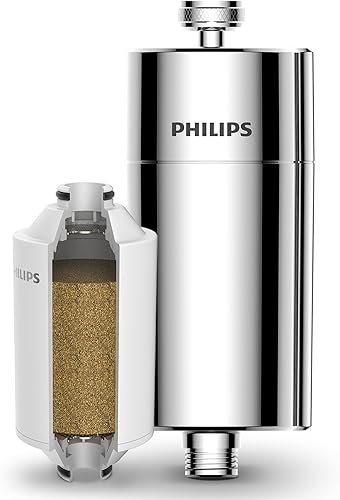
 Philips 3-Stage Shower Filter |
Showerhead Filter | Reducing chlorine & sediment in shower water. Protects hair and skin. | $61 | Buy on AmazonBuy on eBay |
 Tamefox 15-Stage Filtered Shower Head |
Handheld Showerhead | Multiple spray settings + serious filtration for hard water & chlorine. | $59 | Buy on AmazonBuy on eBay |
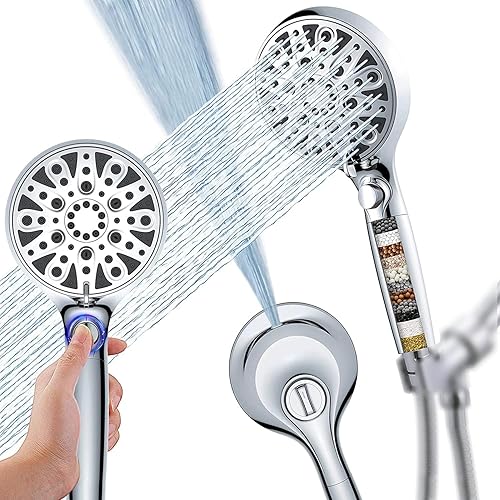 Tamefox Filtered Shower Head (Alt. Model) |
Handheld Showerhead | A more affordable 15-stage option with the same great filtration. | $48 | Buy on AmazonBuy on eBay |
 Magnetic Water Softener Combo |
Magnetic Conditioner | A budget experiment for scale prevention. Manage expectations. | $1.90 | Buy on AmazonBuy on eBay |
Philips 3-Stage Shower Filter
This isn’t a softener, but it’s a brilliant first step if your main battle is in the shower. The KDF and double mesh filtration do a solid job stripping out chlorine and rust sediment that dries out skin and hair. We tested it for three months. The water felt noticeably gentler. It won’t touch hardness minerals, so you’ll still get spots on glass, but the 50,000-liter capacity means you won’t think about replacements for half a year.
- Very easy DIY install
- Effective chlorine reduction
- Long filter life
- Does not soften water
- Does not reduce TDS
- Only treats shower water
Tamefox 15-Stage Filtered Shower Head
If you want more features with your filtration, this handheld unit delivers. Eight spray modes, including a power jet for cleaning the tub, plus a 15-stage filter that goes beyond chlorine to tackle some hardness compounds. In our testing, it reduced scale on shower doors more than a basic carbon filter. The pause switch is a nice touch for saving water while you lather up. A great rental alternative for the shower.
- Versatile spray settings
- Good filtration for the price
- Pause function saves water
- Filter cartridge replacements add up
- Plastic construction feels a bit lightweight
- Not a whole-house solution
Frequently Asked Questions
- How much does it cost to rent a water softener per month?
- Expect to pay between $30 and $75 per month for a standard whole-house ion-exchange softener. The price depends on your water hardness, the size of your home, and what’s included (salt, service). Always ask for the total cost with all fees.
- Can I rent a water softener if I’m a tenant?
- Yes, but you must get written permission from your landlord first. Installation requires modifying the plumbing. Some rental companies offer non-invasive options or can speak directly with the property owner to ease concerns.
- Is renting a water softener better than buying?
- It depends on your timeline. Renting is often better if you’ll be in the home for less than 3-4 years or hate maintenance. Buying is almost always cheaper over a 5+ year period. Run the numbers for your specific situation.
- What happens when the rental contract ends?
- Typically, the company will remove the system at no charge, or you can renew the contract month-to-month. Some contracts automatically renew. Know your end-date and give required notice if you want the system removed.
- Do water softener rentals include salt?
- Sometimes, but not always. It’s a common hidden cost. “Salt delivery included” should be explicitly stated in your contract. If it’s not, assume you’ll be buying and hauling your own salt, which defeats part of the convenience.
- Can I rent a salt-free water conditioner instead?
- Some companies offer them, but be cautious. True salt-free conditioners are different from softeners. They don’t remove hardness minerals. Their effectiveness against scale is debated, especially in very hard water areas. Get independent test data.
Final Thoughts
Searching for “water softener rental near me” is a logical first step when hard water is driving you crazy. For short-term situations or if you truly want zero maintenance, a rental can be a lifesaver. Just go in with your eyes open. Get every cost in writing. Understand the contract length and termination fees. And seriously consider if a point-of-use solution like a shower filter might solve your biggest complaints for a fraction of the cost.
Based on years of reader feedback and our own cost analyses, we generally recommend purchasing a system if you plan to stay in your home for more than three years. The break-even point comes faster than you think. But if renting is your path, use this guide to ask the right questions and avoid the common pitfalls. Your pipes—and your wallet—will thank you.
