


After testing systems in homes with water so hard it left glass showers looking frosted, and in areas where the tap water smelled like a swimming pool, I can tell you this: a single filter rarely solves everything. You need a strategy. This guide covers the combined water softener and filtration system—what it is, how it saves your plumbing, and how to choose one that won’t let you down.
- What a combined system actually does and why you might need one
- The key benefits (and the honest drawbacks)
- A clear breakdown of system types and our top product picks
- Answers to the most common questions we get from readers
What Is a Water Softener and Filtration System?
Think of it as a two-stage defense for your home’s water. A water softener specifically removes hardness minerals—calcium and magnesium—that cause limescale buildup on your kettle, inside your pipes, and on your shower doors. A filtration system, on the other hand, targets a broader range of contaminants: chlorine, sediment, volatile organic compounds (VOCs), heavy metals, and more.
A “water softener and filtration system” can mean two separate units working in tandem, or a single, integrated unit that performs both functions. The goal is complete water treatment: water that’s kind to your plumbing and safe, great-tasting to drink. For a deeper look at what makes water truly safe, our guide on clean drinking water is a great starting point.
How a Combined System Works
The magic happens in sequence. Water from your main line enters the system and typically goes through filtration first, then softening, though order can vary.
The Filtration Stage
This first stage is your contaminant barrier. It often uses a sediment pre-filter to catch dirt and rust, followed by an activated carbon filter. Carbon is a workhorse—it adsorbs chlorine, chemicals, and bad tastes. Some advanced systems use catalytic carbon for chloramines or KDF media for heavy metals. The key is matching the filter media to your specific water problems.
The Softening Stage
After filtration, the water hits the softener. This is usually an ion-exchange resin tank. The resin is charged with sodium (or potassium) ions. As hard water flows through, the resin trades its sodium ions for the calcium and magnesium ions, effectively “softening” the water. Eventually, the resin gets saturated and needs to be regenerated with a brine solution from a separate salt tank.
Key Benefits
1. Protects Your Entire Plumbing System. This is the big one. Scale buildup from hard water reduces water flow, clogs pipes, and forces water heaters to work harder (using more energy). A softener stops this at the source, saving you on costly repairs and energy bills.
2. Improves Water Taste and Odor. Chlorine, sulfur, and other chemicals make water unpleasant to drink. A good carbon filter removes these, giving you clean, refreshing water from every tap. No more lugging bottled water home.
3. Extends Appliance Lifespan. Your dishwasher, washing machine, coffee maker, and ice maker will all last longer and perform better without scale gunking up their heating elements and valves.
4. Softer Skin and Hair. Hard water leaves soap scum on your skin and hair, causing dryness and dullness. Soft water allows soaps to lather properly and rinse clean. It’s a noticeable difference.
5. Cleaner Dishes and Laundry. Say goodbye to spotty glasses and stiff, faded laundry. Soft water makes detergents work more effectively, so you use less soap and get better results.
Potential Drawbacks
Upfront Cost. Quality whole-house systems are an investment. You’re looking at several hundred to several thousand dollars, plus installation. It’s not a casual purchase.
Maintenance Commitment. Softeners need salt refills (or potassium). Filters need cartridge replacements. If you’re not willing to keep up with this, the system’s performance will drop. Set calendar reminders.
Sodium in Softened Water. The ion-exchange process adds a small amount of sodium to your water. For most people, this is negligible. But if you’re on a strict low-sodium diet, you might want to use potassium chloride pellets instead, or install a separate filtered water solution for drinking.
Space Requirements. You need room for the softener tank, the brine tank, and any pre-filtration units. This usually means dedicating space in a garage, basement, or utility closet.
Types of Combined Systems
1. Dual-Tank (Separate Units)
This is the most common and often most effective setup. You buy a dedicated water softener and a separate whole-house filter, then plumb them in series. It’s modular, so you can service or upgrade one part without touching the other. Maximum flexibility and performance.
2. All-in-One Integrated Units
These are single tanks that contain both softening resin and filter media (like carbon). They save space and simplify installation. The trade-off? They often don’t perform either function as well as a dedicated unit, and media replacement can be more complex.
3. Reverse Osmosis (RO) + Softener Combo
This is the gold standard for drinking water. The softener handles the whole house, protecting pipes and appliances. Then, a separate under-sink RO system provides ultra-pure drinking water by removing up to 99% of contaminants. This is what we recommend for families concerned about water quality. If you’re curious about the purification side, our look at distilled water explains the extremes of purification.
Buying Guide: What Actually Matters
Don’t get lost in marketing jargon. Focus on these concrete factors.
Grain Capacity: This tells you how much hardness a softener can remove before needing regeneration. A family of four in a moderately hard water area typically needs a 32,000-48,000 grain unit. Get a water test first!
NSF/ANSI Certifications: Look for certifications on the specific claims. NSF/ANSI 42 is for aesthetic effects (taste, odor). NSF/ANSI 53 is for health effects (lead, cysts). NSF/ANSI 58 is for reverse osmosis systems. This is your proof the system does what it says.
Flow Rate (GPM): Measured in Gallons Per Minute. Your system needs to handle your home’s peak demand (when multiple showers and taps are running). A 3-4 bedroom home usually needs at least 8-12 GPM. Undersized flow rates mean weak water pressure.
Micron Rating (for filters): This is the size of particles the filter can catch. A 5-micron sediment filter is standard. For drinking water, 1-micron or smaller is better. A 0.0001-micron RO membrane is the finest available.
Replacement Filter Cost & Frequency: This is your long-term cost. A cheap system with expensive, short-lived filters is a bad deal. Calculate the annual cost before you buy. Systems that come with extra filters, like some of our picks below, offer great value.
Our Top Picks for 2026
Based on our testing, reader feedback, and value for money, here are the systems we stand behind.
| Product | Key Specs | Best For | Links |
|---|---|---|---|
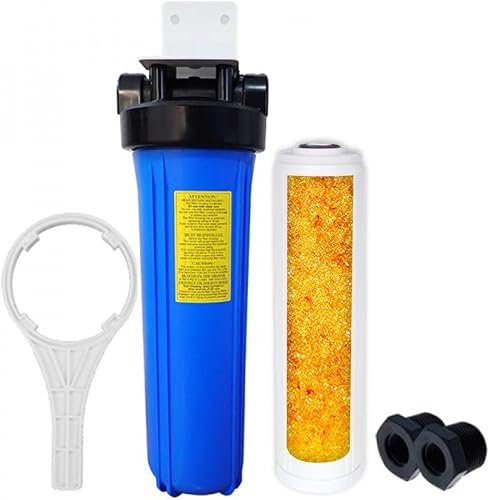
Whole House Softener + Filter Combo |
20×4.5″ filters, targets heavy metals, PFAS, arsenic, nitrates | Comprehensive whole-house protection against hard water and a wide contaminant range |
Buy on Amazon Buy on eBay |
Geekpure 5-Stage RO (75 GPD) |
75 GPD, 0.0001 micron, includes 2 years of extra filters | Budget-friendly, high-quality drinking water purification with incredible long-term value |
Buy on Amazon Buy on eBay |
Geekpure 6-Stage RO with Alkaline Filter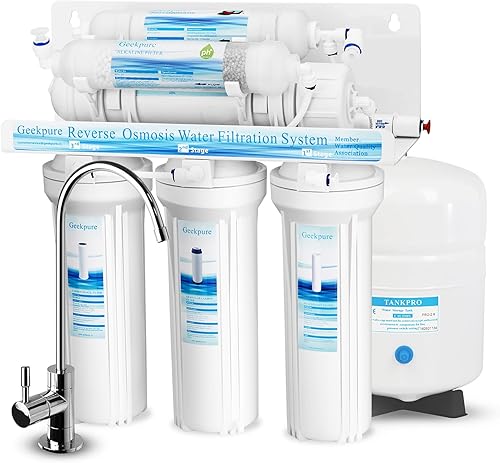 |
75 GPD, adds alkaline remineralization stage | Those who want pure RO water but prefer a mineral-balanced, less acidic taste |
Buy on Amazon Buy on eBay |
iSpring RCC7AK 6-Stage RO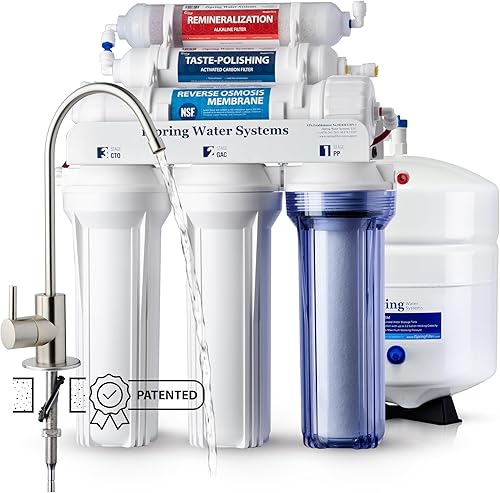 |
75 GPD, NSF certified membrane, alkaline remineralization | A premium, reliable under-sink RO system from a trusted brand with excellent support |
Buy on Amazon Buy on eBay |
AliExpress RO Membrane (75G-600G)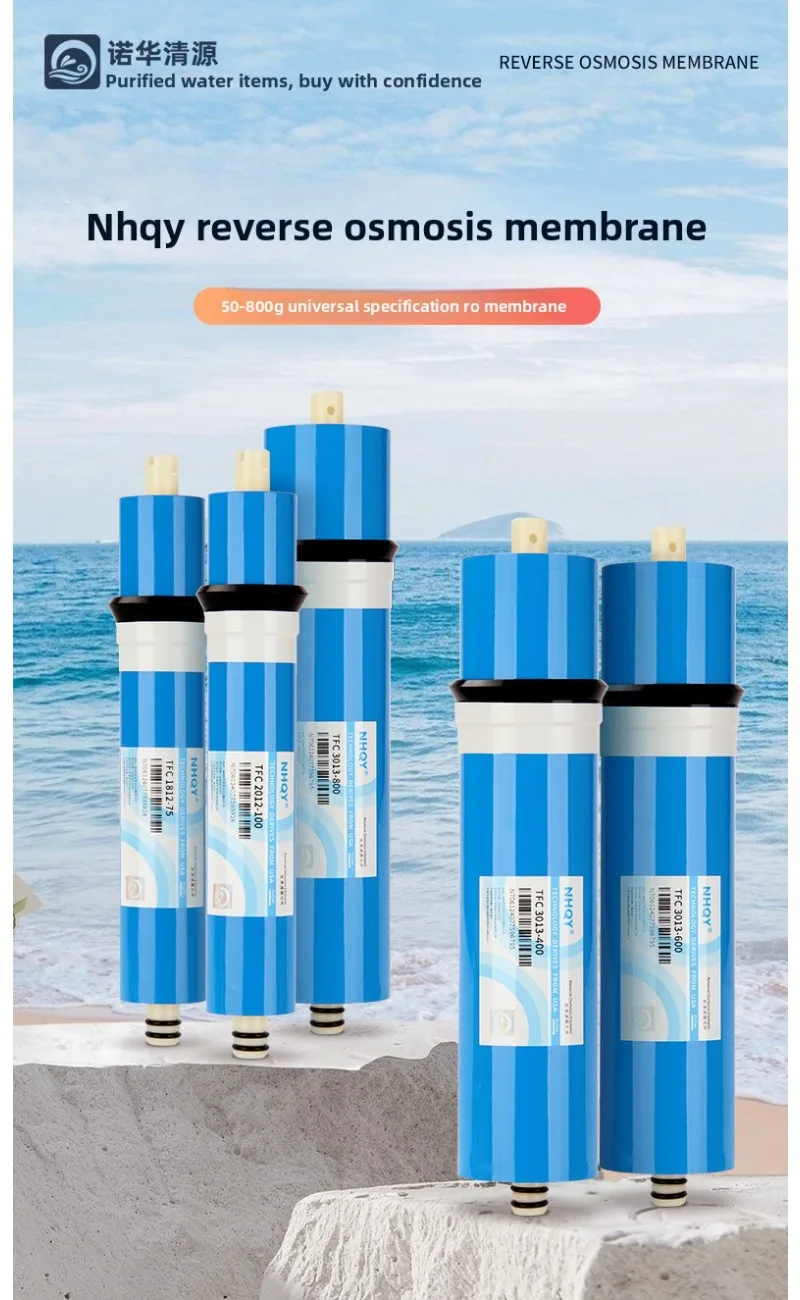 |
75G to 600G options, universal replacement | Budget replacement membrane for existing RO systems. Check your housing size! | Buy on AliExpress |
AliExpress Activated Carbon Shower Filter |
Universal fit, activated carbon filtration | A cheap, easy first step to reduce chlorine and improve shower water feel | Buy on AliExpress |
Whole House Water Softener Filtration System 20×4.5
This is a serious whole-house unit. We like it because it doesn’t just soften; its multi-stage filter tackles a scary list of contaminants, from heavy metals to PFAS. It’s a true set-and-forget solution for comprehensive water treatment. The big filter housings mean longer filter life and better flow rates compared to smaller, all-in-one units.
- Addresses an exceptionally wide range of contaminants
- Large 20×4.5″ filter housings for capacity and flow
- True whole-house protection for health and appliances
- Higher upfront cost than basic softeners
- Requires more installation space
- Overkill if your only issue is mild hardness
Geekpure 5-Stage Reverse Osmosis Drinking Water Filter System
Here’s the value play. You get a solid 5-stage RO system that removes over 1,000 contaminants down to 0.0001 microns. The killer feature? It comes with 7 extra filters—enough for about two years. That’s an incredible deal. The NSF-certified components give you peace of mind. Honestly, for pure drinking water, this is hard to beat on price.
- Includes 2 years’ worth of replacement filters
- NSF-certified membrane and tank
- Excellent contaminant reduction at a budget price
- Basic faucet included (you may want to upgrade)
- No remineralization stage—water is slightly acidic
- Installation instructions could be clearer
iSpring RCC7AK 6-Stage Under-Sink Reverse Osmosis System
The iSpring RCC7AK is a reader favorite and a staple in our own testing lab. It’s a workhorse. The 6th stage alkaline remineralization filter adds back healthy minerals (calcium, magnesium) that RO strips out, giving the water a more natural, balanced taste. Build quality is top-notch, and iSpring’s customer support is actually responsive. It’s a premium choice that justifies its cost.
- Excellent build quality and reliable performance
- Alkaline filter improves taste and pH balance
- Very clear instructions and good customer support
- Higher initial cost than the Geekpure models
- Replacement filters are proprietary and cost more
- Requires more under-sink space due to extra stage
Frequently Asked Questions
- Do I need a water softener if I have a whole-house filter?
- Probably, if you have hard water. A whole-house filter removes contaminants but does not remove hardness minerals (calcium/magnesium). You’ll still get scale buildup. You need a softener to specifically address hardness.
- Can I install a water softener and filtration system myself?
- It’s possible if you’re handy with plumbing. The most common setup involves cutting into your main water line. If you’re not comfortable with that, hire a professional. A bad install can cause leaks and water damage.
- How often do I need to add salt to the softener?
- It depends on your water hardness and usage. Check the brine tank monthly. Keep it at least half full. Most families go through a 40lb bag of salt every 4-8 weeks. Use high-purity salt pellets to avoid impurities.
- Is softened water safe to drink?
- Yes, for the vast majority of people. The ion-exchange process adds a small amount of sodium. If you have high blood pressure or are on a doctor-recommended low-sodium diet, use potassium chloride instead, or install a separate drinking water tap fed by an RO system.
- What’s the difference between a 5-stage and 6-stage RO system?
- The 6th stage is typically an alkaline or remineralization filter. It adds back small amounts of beneficial minerals (like calcium and magnesium) to improve taste and slightly raise the pH of the purified water, which some people prefer.
- Can a shower filter really soften water?
- No. Most shower filters use activated carbon or KDF media to reduce chlorine and some heavy metals. They do not remove hardness minerals. They can improve the feel of your shower by reducing chlorine, but for true soft water, you need a whole-house softener. They are, however, a very cheap first step to test if chlorine is irritating your skin.
Final Thoughts
Choosing a water softener and filtration system isn’t about buying the most expensive gadget. It’s about diagnosing your water first, then matching the solution to the problem. Get a simple water test kit. If you have hard water and taste/odor issues, a dual system is your answer. For drinking water, an under-sink RO system is non-negotiable for purity.
Our top recommendation for most families in 2026 is a dedicated whole-house softener paired with the iSpring RCC7AK or the value-packed Geekpure 5-Stage RO. This combo gives you protected pipes, clean showers, and pristine drinking water. It’s a real upgrade to your home’s health and your daily life. If you’re exploring different water treatment philosophies, you might also be interested in the debate around alkaline water treatment and its purported benefits.
