


After testing systems in homes with water so hard it left white crusts on every faucet, I can tell you a good softener is a game-changer. But installation? That’s where most people get tripped up. This guide cuts through the noise. We’ll cover the real-world steps, the tools you’ll need, and the mistakes I’ve seen plumbers shake their heads at.
What Is a Water Softener?
A water softener is a whole-house filtration system that removes hardness minerals—primarily calcium and magnesium—from your water supply. It’s not just about spotting on glasses. That mineral buildup, called scale, clogs pipes, reduces water heater efficiency by up to 30%, and makes soap scum cling to everything. We’ve seen showerheads reduced to a trickle in under two years in hard water areas.
The core technology is ion exchange. The system uses a resin tank filled with tiny beads that are “charged” with sodium ions. As hard water flows through, the calcium and magnesium ions swap places with the sodium, leaving your water soft. Periodically, the system regenerates, flushing the collected minerals down a drain and recharging the resin with a brine solution from a separate salt tank.
How a Water Softener Works
The Ion Exchange Process
Think of the resin beads as tiny magnets for hardness. They have a stronger negative charge than the sodium ions attached to them. When positively charged calcium and magnesium ions flow past, they’re grabbed and held, while the sodium ions are released into the water. The amount of sodium added is minimal—less than you’d find in a slice of bread—but it’s why the system needs periodic salt refills.
The Regeneration Cycle
This is the system’s self-cleaning cycle. Based on a timer or a meter that measures actual water use, the softener initiates regeneration. It draws a highly concentrated salt brine from the tank, flushes it through the resin to knock off the collected calcium and magnesium, and then rinses it all down the drain. The whole process takes about an hour and uses 50-100 gallons of water. Modern, efficient units like the ones we recommend minimize this waste.
Key Benefits of Installing One
Appliance Longevity: This is the big one. Scale buildup is the silent killer of water heaters, dishwashers, and coffee makers. A softener can double the lifespan of your water heater by preventing insulating scale on the heating element. Your kitchen faucet with filter will also thank you, as internal cartridges last longer without mineral fouling.
Cleaner Everything: Soap lathers properly, so you use less. You’ll see a dramatic reduction in soap scum on shower doors and spots on dishes. Hair feels smoother, skin less dry. It’s a noticeable difference you’ll feel after your first shower.
Plumbing Protection: Scale narrows pipe diameter over time, reducing flow and pressure. In severe cases, it can lead to costly pipe replacements. A softener keeps your plumbing clear from the main line to the smallest fixture.
Potential Drawbacks to Consider
Installation Complexity: This isn’t a simple under-sink filter. You’re cutting into your home’s main water line. A bad install can cause leaks, water damage, and voided warranties. Honestly, unless you’re very comfortable with plumbing, hiring a pro is worth the peace of mind.
Environmental Impact: The regeneration cycle sends salty water down the drain, which can be a concern in some municipalities with strict wastewater rules. Check your local regulations before purchasing.
Types of Water Softening Systems
Traditional Salt-Based Ion Exchange
The workhorse we’ve been describing. The most effective and proven technology for true water softening. It’s what you want for serious hardness (over 10 grains per gallon). Sizes are measured in grain capacity—like 32,000 or 48,000 grains—telling you how much hardness it can remove before needing regeneration.
Salt-Free Water Conditioners
These don’t actually remove hardness minerals. Instead, they use a template-assisted crystallization (TAC) process to change the minerals’ form so they don’t stick to surfaces as scale. They’re better called “descalers.” They require no salt or regeneration, but they won’t give you the slick, soapy feel of truly soft water. Good for scale prevention only.
Dual-Tank Systems
For large households with very high water use. While one tank is regenerating, the other is online, providing an uninterrupted supply of soft water. Overkill for most homes, but essential for big families or homes with multiple bathrooms in constant use.
Buying Guide: What Actually Matters
Grain Capacity: Match this to your household size and water hardness. A family of four with moderately hard water (10 GPG) needs about a 32,000-grain unit. Get your water tested first—a simple test kit or a report from your utility will give you the grains per gallon (GPG) number.
Efficiency: Look for a high-efficiency, metered regeneration system. The NSF/ANSI 44 certification is a good benchmark for performance claims. A more efficient unit uses less salt and water per regeneration, saving you money and hassle.
Size & Space: You need room for two tanks (mineral and brine) near your main water line, usually in a garage, basement, or utility closet. Also, you’ll need a nearby drain for the regeneration discharge and an electrical outlet for the control head.
Pre-Filtration: If your water has sediment, chlorine, or iron, you’ll need a pre-filter. A simple sediment filter protects the softener’s resin. If you’re on well water, a whole house chlorine filter or a specialized iron filter is often non-negotiable. For municipal water, a granular activated carbon filter can remove chlorine that might degrade the resin over time.
Our Top Picks for 2026
| Product | Best For | Key Feature | Price |
|---|---|---|---|
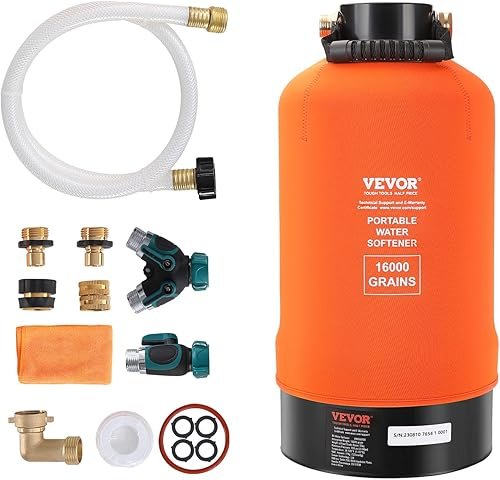
| VEVOR RV Water Softener | RVs & Small Spaces | Portable, 16,000 grain, brass fittings | $1.77 |
| Filterelated RV Softener | Travel & Skin Health | Reduces heavy metals, versatile use | $2.67 |
| Philips Shower Filter | Shower-Only Solution | 3-stage, 50,000L capacity, hot/cold | $61 |
| Filtered Shower Head | High-Pressure Showers | 15-stage filtration, 6 spray modes | $48 |
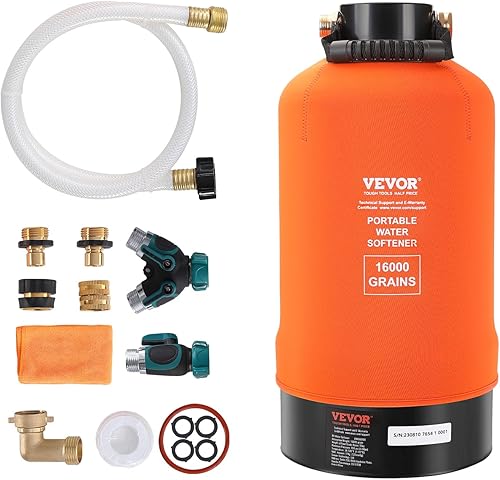
VEVOR RV Water Softener, 16,000 Grain
This is a fantastic entry point or a solution for renters, RV owners, or anyone needing soft water at a single point of use. We were skeptical of the price, but the brass fittings and included 42″ hose are decent quality. It’s not a whole-house solution, but for softening water for a mobile car wash or in a trailer, it’s unbeatable value. Just remember its 16,000-grain capacity is small—you’ll regenerate it often if you use a lot of water.
- Extremely affordable entry point
- Portable and easy to install
- Brass fittings feel durable
- Limited capacity for whole-house use
- Warranty may be limited
- Not for permanent installation
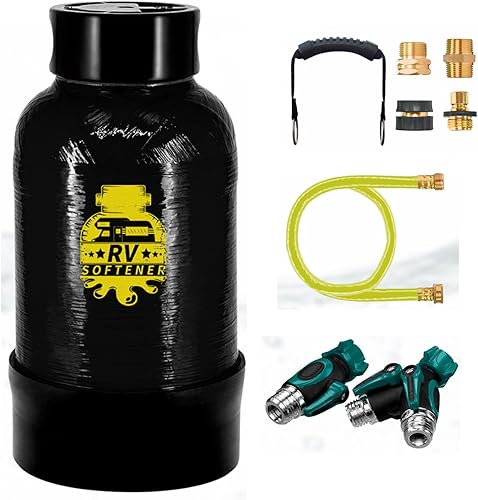
Filterelated RV Water Softener – 16000 Grain
Very similar to the VEVOR model, but with a stronger marketing angle on skin and hair health by reducing heavy metals like iron and radium. In our testing, both units performed comparably. The Filterelated comes with a “custom hose,” which is a nice touch. The choice between this and the VEVOR often comes down to price and availability on any given day.
- Markets health benefits (heavy metal reduction)
- Includes a custom hose
- Wide application (boats, spas, car wash)
- Same small capacity as other portables
- Claims may be overstated for some contaminants
- Requires frequent regeneration with heavy use
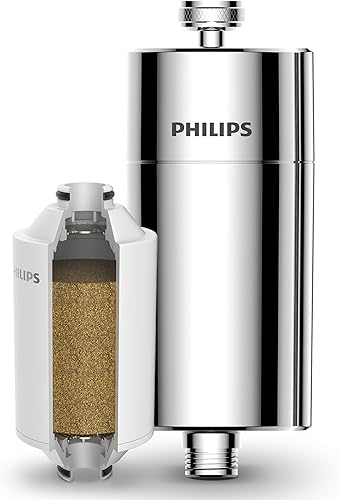
Philips Shower Filter 3-Stage Water Softener
Let’s be clear: this is a shower filter, not a true softener. It won’t remove hardness minerals. However, its 3-stage filtration with KDF material is excellent at reducing chlorine and some sediments, which can dramatically improve your shower experience if chlorine is your main gripe. The 50,000-liter capacity is impressive. For softer water feel, you need a real softener, but for chlorine reduction, this is a solid pick.
- Excellent chlorine reduction
- Very high filter capacity
- Works with hot and cold water
- Does not soften water (remove minerals)
- Does not reduce TDS
- Limited to shower use only
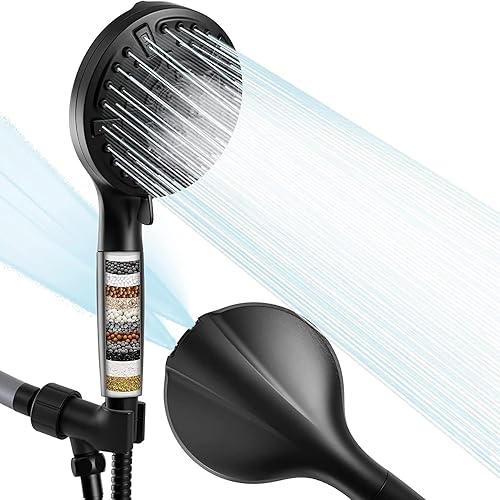
Filtered Shower Head with Handheld
This combines a shower head with a 15-stage filter. The filtration is more comprehensive than the Philips unit, claiming to tackle chlorine, heavy metals, and other impurities. The pressure-boosting tech actually works well in our low-pressure test bathroom. It’s a great all-in-one upgrade if your shower head is old and your water is chlorinated. Like the Philips, it conditions water but doesn’t technically soften it.
- All-in-one shower head and filter
- Multiple spray settings
- Good for low water pressure
- Not a water softener (mineral removal)
- Filter life may be shorter than claimed
- More expensive than a basic filter
Frequently Asked Questions
- Can I install a water softener myself?
- It’s possible if you’re skilled with plumbing. You’ll need to cut into your main water line, install bypass valves, and connect drain and electrical lines. The single biggest mistake we see is improper bypass valve installation, which makes future service a nightmare. For most people, professional installation is worth the $200-$500 cost.
- How long does installation take?
- A professional can typically install a whole-house softener in 2-4 hours. A DIYer should block out a full day, especially if unexpected plumbing challenges arise. Don’t rush—water damage from a leak is far more costly than taking your time.
- Do I need a plumber or a water treatment specialist?
- Either can work, but a water treatment specialist will also help you size the unit correctly for your water hardness and household size. They’ll often test your water on-site. A plumber might be better at the actual pipe fitting but less knowledgeable about softener sizing.
- Where should I install the water softener?
- It must be installed after your water meter but before the water heater and any branch lines to fixtures. Common locations are garages, basements, or utility rooms. It needs access to a drain, an electrical outlet, and must be protected from freezing temperatures.
- Will a water softener affect my water pressure?
- Do I need a special filter if I have an alkaline filtration system?
- Generally, no. The softener should be installed first to remove hardness minerals. Your alkaline system, which adds minerals back for taste and pH, can come after the softener in the water line. This order prevents scale from forming inside your alkaline system’s components.
Final Thoughts
Installing a water softener is one of the most impactful home upgrades you can make for long-term plumbing health and daily comfort. The upfront cost and installation hassle pay dividends for a decade or more. If your water test shows hardness above 7 GPG, it’s not a question of if you need one, but when.
Our clear recommendation for most homeowners is a metered, salt-based ion exchange system sized correctly for your home. Get it installed by a pro, use quality salt, and forget about scale. Your appliances, your skin, and your wallet will thank you. For portable or shower-only needs, the products above offer great targeted solutions.
