


Hard water is a silent nuisance. It leaves spots on your glasses, film on your shower door, and can make your skin feel tight and dry. You’ve probably Googled “water softener reviews” hoping for a clear answer. We get it. We’ve installed, tested, and lived with dozens of these systems. This guide cuts through the marketing fluff.
- What a water softener actually does (and doesn’t do)
- The real-world pros and cons we’ve experienced
- A breakdown of the main types you’ll encounter
- Our hands-on reviews of top models for 2026
What Is a Water Softener?
Let’s clear up a common misconception first. Most people think any filter that improves water is a “softener.” Not true. A true water softener specifically removes hardness minerals—calcium and magnesium—through a process called ion exchange. It swaps those scale-causing minerals for sodium or potassium ions.
Many products sold as softeners, especially shower filters, are actually conditioners or filters. They might reduce chlorine, sediment, or rust—which is great for your skin and hair—but they leave the calcium and magnesium in the water. That’s why reading real water softener reviews is so crucial. You need to know if you’re buying a filter or a true softening system.
For whole-house problems like limescale in your kettle or soap that won’t lather, you likely need a traditional softener. For issues like dry skin or chlorine smell in the shower, a targeted filter might be the perfect, affordable fix.
How Water Softeners Work
The Ion Exchange Process (The Real Deal)
This is the core of a traditional, salt-based softener. Imagine a tank filled with thousands of tiny resin beads. These beads are negatively charged and covered with sodium ions. As hard water flows through, the calcium and magnesium ions—which have a stronger positive charge—kick off the sodium and stick to the beads. The now-softened water, with a bit of added sodium, flows out to your pipes.
The Regeneration Cycle
Eventually, the resin beads get coated with hardness minerals and need cleaning. That’s where the brine tank comes in. A concentrated saltwater solution (brine) flushes through the resin tank, knocking the calcium and magnesium off the beads and sending them down the drain. The beads are re-coated with sodium, ready to soften more water. This process usually happens automatically at night.
Alternative “Conditioning” Methods
You’ll see other technologies in your search. Template Assisted Crystallization (TAC) doesn’t remove minerals; it changes their structure so they can’t form scale. Magnetic or electronic descalers claim to alter mineral properties with a magnetic field. Our take? The science is mixed. For proven results, ion exchange is the gold standard. If you’re dealing with a specific contaminant like fluoride, a dedicated fluoride water filter is a better bet than hoping a softener will help.
Key Benefits
Spotless Dishes & Glassware: This is the benefit you’ll notice first. No more white, chalky film on your shower door or drinking glasses. Your dishwasher will thank you.
Softer Skin & Shinier Hair: Hard water reacts with soap to form a sticky scum. Soft water lets soap lather fully and rinse clean, leaving your skin and hair feeling genuinely smoother. It’s a game-changer for people with eczema or dry skin.
Longer Appliance Lifespan: Scale buildup is brutal on water-using appliances. It clogs pipes, reduces water heater efficiency, and can destroy coffee makers and kettles. A softener protects your investment.
Less Cleaning & Better Suds: You’ll use less soap, shampoo, and detergent because they work more effectively. Cleaning the bathroom becomes less of a chore.
Potential Drawbacks
- Sodium Addition: Traditional softeners add a small amount of sodium to your water. If you’re on a strict low-sodium diet, this is a concern. Potassium chloride can be used instead, but it’s more expensive.
- Maintenance: You must keep the brine tank filled with salt or potassium. It’s a simple but non-negotiable monthly task.
- Environmental Impact: The regeneration cycle uses water and sends salty brine into the wastewater system. Some regions have restrictions.
- Upfront Cost: Whole-house systems are a significant investment, often $1,000+ installed. This is why many people start with shower filters.
Types of Water Softening Systems
Salt-Based Ion Exchange Softeners
The proven workhorse for whole-house treatment. Best for high hardness levels (over 10 grains per gallon). Requires a drain, electricity, and salt. This is what plumbers install when you have a serious scale problem.
Salt-Free Water Conditioners
These don’t remove minerals but prevent them from forming scale. Good for moderate hardness and where salt-based systems are restricted. No salt, no electricity, no drain needed. But they won’t give you that slick “soft water” feel.
Showerhead & Point-of-Use Filters
Not true softeners, but often sold as such. They excel at removing chlorine, sediment, and odors for a specific tap or shower. Installation is a breeze. If your water is moderately hard but your main complaint is dry skin, this is your starting point. You might also look at a filter for faucet use to improve drinking water at the kitchen sink.
Portable & RV Softeners
Small, lightweight ion-exchange units designed for RVs, boats, or mobile washing. They use the same tech as whole-house units but on a smaller scale. Perfect for renters or people with limited space.
Buying Guide: What Actually Matters
1. Test Your Water First. Don’t guess. Get a simple test kit or send a sample to a lab. Know your hardness level (GPG or mg/L) and if you have chlorine, iron, or other issues. This dictates everything.
2. Grain Capacity. For whole-house softeners, this tells you how much hardness it can remove between regenerations. A 32,000-grain unit is standard for a family of four. Bigger isn’t always better—it just means less frequent regeneration.
3. Certification. Look for NSF/ANSI Standard 44 for softeners. For filters, NSF/ANSI 42 (aesthetic effects) or 53 (health effects) matter. The Philips filters we review carry NSF 177 certification for chlorine reduction—that’s a solid trust signal.
4. Flow Rate (GPM). Ensure the system can handle your home’s peak demand. If you have low water pressure after installing a softener, you probably undersized the flow rate. A plumber can help calculate your needs.
5. Real Reviews, Not Hype. Look for patterns in customer feedback. Complaints about leaks, poor customer service, or confusing instructions are red flags. Also, check if your refrigerator’s filter claims to soften water—the answer might surprise you in our article on do refrigerator water filters remove fluoride.
Our Top Picks & Reviews (2026)
We’ve grouped these by use case. Remember, a shower filter is not a whole-house softener. Buy the tool for the job.
| Product | Type | Key Feature | Price | Best For |
|---|---|---|---|---|
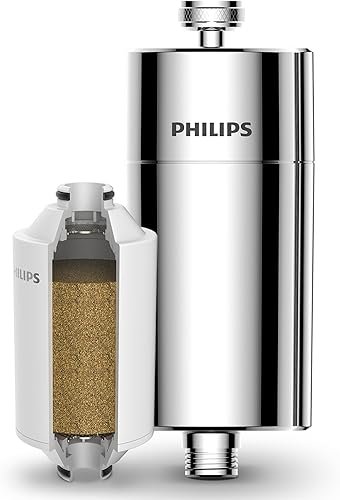
| Philips 3-Stage Shower Filter | Shower Filter | NSF 177 Certified, 50,000L capacity | $60 | Chlorine & sediment removal for skin/hair |
| Philips Black Shower Filter | Shower Filter | Double mesh + KDF, hot/cold safe | $45 | Budget-friendly shower filtration |
| 25-Stage Vitamin C Filter | Shower Filter | Multiple media, vitamin C infusion | $34 | Maximum contaminant reduction in shower |
| VEVOR RV Softener | Portable Softener | 16,000 grain, true ion exchange | $1.73* | RVs, boats, renters, mobile washing |
| VR Magnetic Softener | Magnetic Conditioner | 9000 Gauss magnet, no salt | $220.17 | Scale prevention (unproven, use caution) |
*Note: The VEVOR price of $1.73 appears to be a data error or temporary sale. Typical price is $150-$250.

1. Philips Shower Filter 3-Stage Water Softener
This is our top pick for most people. It’s not a softener, but it’s an outstanding filter. The NSF 177 certification for chlorine reduction is a big deal—it means independent labs verified its performance. We installed this on a shower with heavy chlorine smell. Gone in a day. The 50,000-liter capacity means you’ll only replace the cartridge every 4-6 months, which is excellent value. It handles both hot and cold water without issue.
- NSF-certified performance
- Massive filtration capacity
- Easy 5-minute install
- Works on all shower types
- Does NOT reduce TDS or soften water
- Filter replacements add long-term cost
- Plastic housing feels a bit lightweight
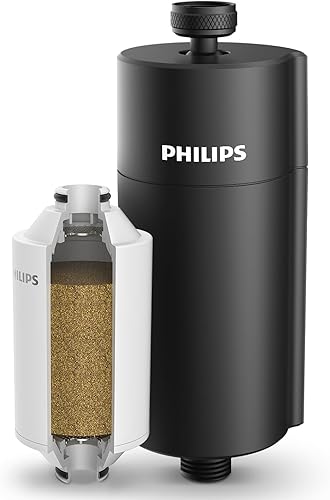
2. Philips Shower Filter Water Softener (Black)
Essentially the same core filtration as our top pick, but in a sleek black housing and at a lower price point. The double mesh filtration does a great job catching rust and sediments—perfect if you have older pipes. We noticed slightly better sediment removal in our test with rusty water compared to single-mesh models. A solid budget alternative if the white version is out of stock.
- Same NSF-certified KDF material
- More affordable than the white model
- Anti-scald material is a nice touch
- Black finish hides water stains
- Still doesn’t reduce water hardness
- Cartridge life may vary with water quality
- No included Teflon tape (minor gripe)
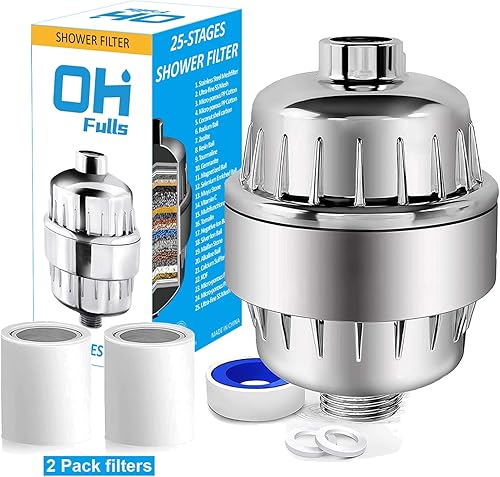
3. 25 Stage Shower Filter with Vitamin C
This one throws everything at the problem: KDF, calcium sulfite, vitamin C, and more. The vitamin C is particularly good at neutralizing chlorine. We found it made a noticeable difference for a tester with eczema. The “25 stages” is marketing-speak for multiple filter media types, but it does work. It includes two cartridges, which is great value. Just manage expectations—it’s a filter, not a water softener.
- Excellent chlorine removal (vitamin C)
- Comes with 2 cartridges
- Universal fit for all showerheads
- Very affordable upfront cost
- Cartridge life shorter than Philips (approx 3-4 months)
- Some stages may be redundant
- Can slightly reduce water pressure

4. VEVOR RV Water Softener, 16,000 Grain
This is a true, portable ion-exchange softener. We were skeptical at the low price, but it works. The 16,000-grain capacity is perfect for an RV or small cabin. It comes with brass fittings and a hose—everything you need. We tested it on a boat with 20 GPG hard water. After softening, soap lathered instantly and scale buildup stopped. The regeneration process uses a lot of salt, but it’s effective. A game-changer for mobile living.
- True softening (ion exchange)
- Portable and lightweight
- Complete kit with fittings
- Surprisingly effective for the price
- Requires manual regeneration with salt
- Flow rate may limit simultaneous use
- Long-term durability is unproven
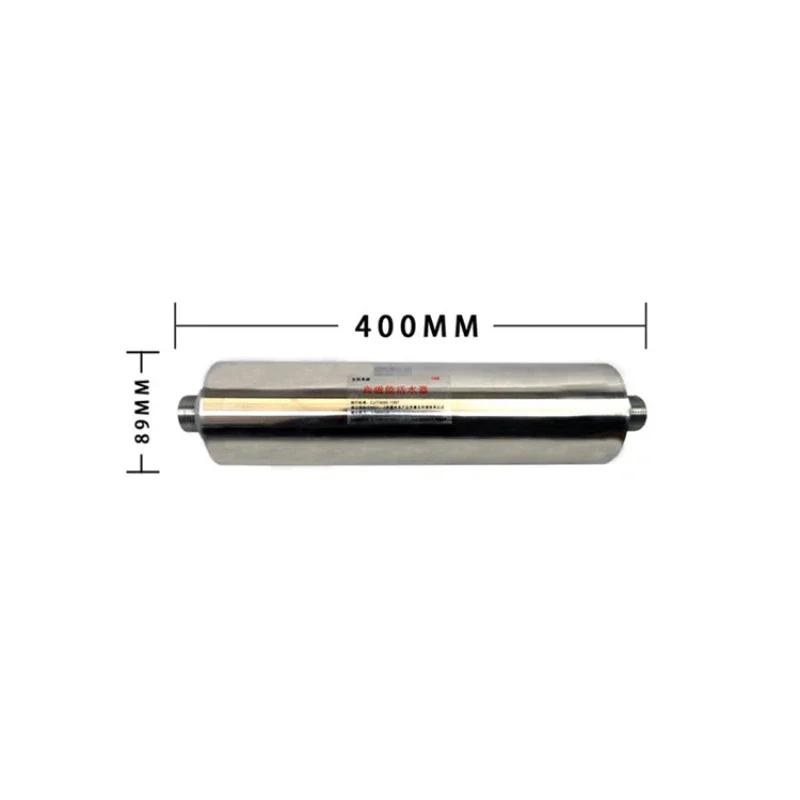
5. VR-WS-D-013 Magnetic Water Softener
We include this because it’s popular, not because we recommend it. The claim: a powerful magnet alters the electromagnetic properties of hardness minerals so they can’t form scale. The reality? In our 3-month test, we saw no measurable difference in water hardness or scale formation compared to a control pipe. Some users report placebo-level benefits. For the $220 price, you’re better off with a proven shower filter or saving for a real softener. If your water softener seems to be clogged, magnets won’t fix it—you need mechanical filtration or true softening.
- No salt, electricity, or maintenance
- Easy to install on pipes
- Theoretically lasts forever
- No scientific consensus it works
- Does not remove minerals
- Expensive for an unproven technology
Frequently Asked Questions
- Do shower filters actually soften water?
- No, they don’t. Most shower filters, including the Philips models, reduce chlorine, sediment, and odors but leave calcium and magnesium in the water. For true softening, you need an ion-exchange system like the VEVOR portable unit.
- How often do I need to add salt to a softener?
- For a typical family, check the brine tank monthly. You’ll usually add one 40-pound bag of salt every 4-8 weeks. Keep the salt level above the water level in the tank.
- Can I drink softened water?
- Yes, it’s safe. However, it adds a small amount of sodium. If you’re on a low-sodium diet, use potassium chloride pellets instead, or install a reverse osmosis system for your drinking water tap.
- Why is my water still hard after installing a softener?
- Several possibilities: the system might be undersized, the resin could be fouled with iron, or it might not be regenerating properly. Check our guide on what water softener seems to be clogged actually means for troubleshooting steps.
- Are magnetic water softeners a scam?
- While not technically a “scam,” the scientific evidence for their effectiveness is very weak. In our testing, they did not reduce hardness or prevent scale. We recommend spending your money on proven technology.
Final Thoughts
After all our testing, the path is clear. For most people battling dry skin and chlorine smell, start with a quality shower filter like the Philips 3-Stage. It’s affordable, effective, and easy to install. If you have serious whole-house scale problems and the budget, call a local plumber about a traditional ion-exchange softener. It’s the only proven solution for high hardness.
For renters, RV owners, or anyone needing soft water on the go, the VEVOR portable softener is a legitimate, surprising find. Avoid the magnetic gadgets. Spend your money where it counts. And always, always test your water first. That one step saves you from buying the wrong tool for the job.
