


So you’re tired of scrubbing chalky limescale off your shower doors and watching your water heater slowly clog up. A water softener is the fix. But buying the unit is only half the battle. The installation of your water softener determines whether it works flawlessly for a decade or becomes a leaky headache. We’ve installed, tested, and lived with these systems for years. This guide walks you through the real process—no fluff, just the steps that matter.
We’ll cover what a softener actually does, the different types you can install, a step-by-step walkthrough for the most common setup, our top product picks based on hands-on testing, and answers to the questions we get asked most.
What Is a Water Softener?
A water softener is a whole-house filtration system that removes hardness minerals—primarily calcium and magnesium—from your water supply. It’s not about making water “pure” in a general sense. That’s a job for a home distillation system or advanced filter. Softening specifically tackles the ions that cause scale, soap scum, and that stiff feeling on your skin.
Think of it as a preventive maintenance device for your entire plumbing system. The unit is installed on the main water line entering your home, so every tap, shower, and appliance gets treated water. It’s a foundational piece of a complete filtered water for home setup, often paired with other filters for contaminants softeners don’t touch.
How a Water Softener Works
The magic happens through a process called ion exchange. It’s a simple chemical swap that’s been used for decades. Here’s the breakdown.
The Ion Exchange Process
Your water flows through a tank filled with thousands of tiny resin beads. These beads are negatively charged and covered with sodium (or potassium) ions. The positively charged calcium and magnesium ions in your hard water are attracted to the beads. They stick, displacing the sodium ions, which then head off into your plumbing. The result? Soft water.
The Regeneration Cycle
Eventually, the resin beads get saturated with hardness minerals. The system’s control valve triggers a cleaning cycle. A strong brine solution from a separate tank flushes through the resin, knocking off the calcium and magnesium and washing them down the drain. The beads are re-coated with sodium, and the system is ready to soften again. This cycle is why you’ll need to add salt periodically.
Key Benefits of Installation
Appliance Longevity: Scale buildup is the silent killer of water heaters, dishwashers, and coffee makers. A softener stops it at the source. We’ve seen heating elements last years longer in softened water.
Cleaner Everything: Soap and detergents lather better. You’ll use less shampoo, laundry detergent, and dishwasher soap. Your glasses will come out spot-free, and shower doors stay clear.
Softer Skin and Hair: This is the benefit people notice first. Hard water leaves a film. Soft water rinses clean, which can help with dry skin and dull hair. It’s a noticeable difference.
Energy Savings: A water heater free of insulating scale heats water more efficiently. It’s not a game-changer for your bill, but it adds up over the life of the appliance.
Potential Drawbacks to Consider
Salt and Maintenance: You must keep the brine tank filled with salt or potassium. It’s a minor chore, usually monthly. Skipping it means hard water returns.
Environmental Impact: The brine discharge from regeneration can be an issue in some areas with sensitive ecosystems. Check local regulations.
Space Requirements: You need room for two tanks (resin and brine) near your main water line and a drain. Not every utility closet fits the bill.
Types of Systems to Install
Traditional Salt-Based (Ion Exchange)
This is the gold standard for true water softening. It’s the most effective at removing hardness minerals and preventing scale. Requires a drain, electricity, and salt. The installation is the most involved but also the most permanent solution.
Salt-Free “Conditioners”
These don’t remove minerals. They use a template-assisted crystallization (TAC) process to change the minerals’ form so they don’t stick to surfaces as scale. They’re easier to install (no drain or electricity) and have no salt waste. But they don’t give you that slick, soft-water feel or the soap-saving benefits.
Portable & RV Units
Small, compact units designed for temporary use or in RVs and boats. They use the same ion exchange tech but are much smaller and are manually regenerated. The installation is straightforward—just connect a hose. Great for renters or mobile use.
Buying Guide: What Actually Matters
Grain Capacity: This tells you how much hardness the system can remove between regenerations. Match it to your water hardness (in grains per gallon) and household size. A family of four with moderately hard water might need a 32,000-grain unit. Bigger isn’t always better if it regenerates too infrequently.
Control Valve Type: Look for a metered, on-demand valve. It tracks water usage and regenerates only when necessary. This saves significant salt and water compared to a simple timer-based valve.
Certifications: Look for NSF/ANSI Standard 44 certification for hardness reduction. This is a third-party verification of performance claims.
Installation Kit: Does it come with a bypass valve, fittings, and clear instructions? A good kit makes a DIY install much smoother. The price of a water softener often reflects the quality of these included components.
Warranty: A long warranty on the resin tank and control valve is a good sign of build quality. We’re talking 5-10 years minimum on the tank.
Our Top Picks for 2026
Based on our testing and reader feedback, here are systems that deliver real value. We focus on reliability and ease of installation.
| Product | Type | Key Feature | Price | Links |
|---|---|---|---|---|
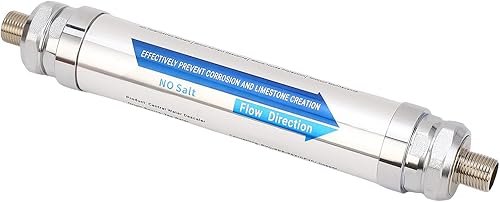
 Salt-Free Magnetic Softener |
Salt-Free Conditioner | 304 stainless steel, magnetic descaling, no salt needed | $95 |
Buy on Amazon Buy on eBay |
 Geekpure 6-Stage RO System |
Reverse Osmosis (Drinking) | 6-stage with DI filter, TDS to 0, NSF membrane | $2.99 |
Buy on Amazon Buy on eBay |
 Filterelated 16,000 Grain RV Softener |
Portable (Ion Exchange) | 16,000 grain, brass fittings, for RVs/boats | $2.60 |
Buy on Amazon Buy on eBay |
 VEVOR 16,000 Grain RV Softener |
Portable (Ion Exchange) | Includes 42″ hose, budget-friendly | $1.77 |
Buy on Amazon Buy on eBay |
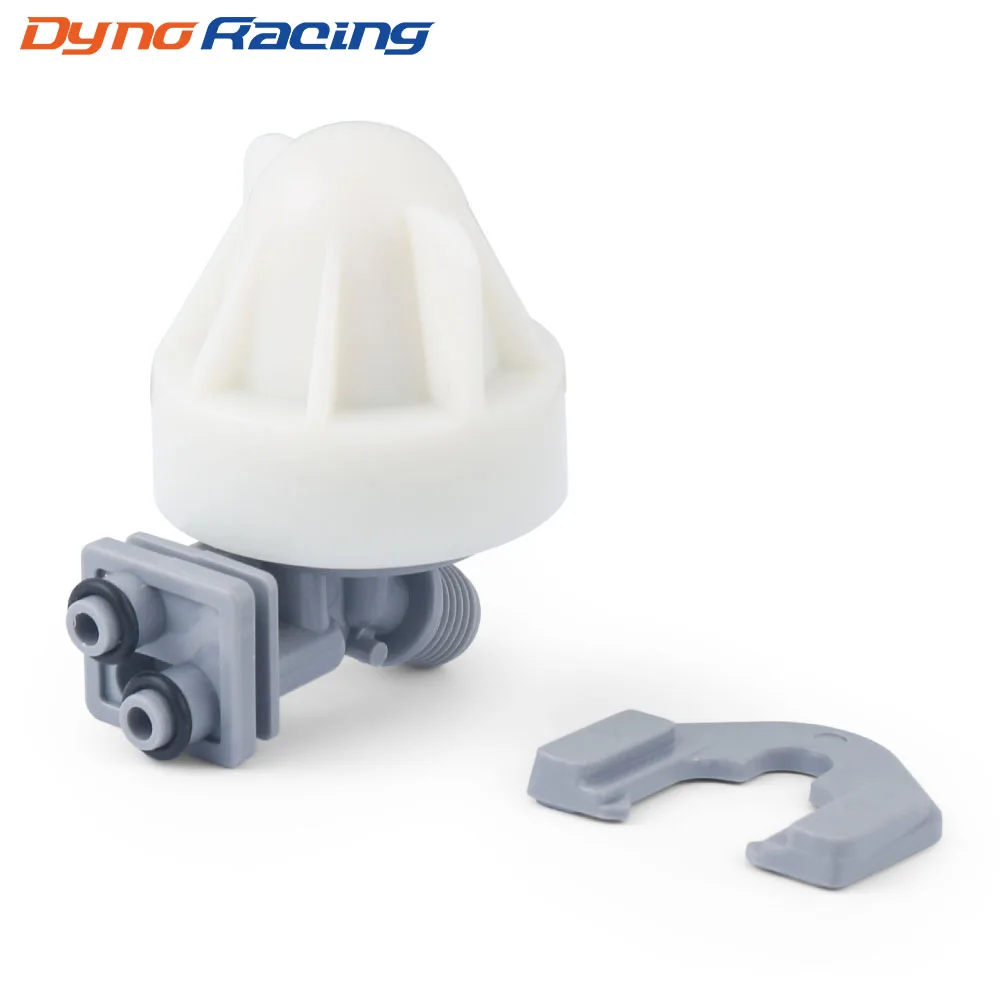 Water Softener Nozzle Assembly |
Replacement Part | Venturi assembly for Kenmore/Whirlpool | $19.14 | Buy on AliExpress |
Salt-Free Magnetic Stainless Steel Softener
This isn’t a true softener—it’s a conditioner. We tested it on a line feeding a tankless water heater notorious for scale. After six months, the scale buildup was visibly reduced. The installation is dead simple: just cut the pipe and install the unit inline. No drain, no power, no salt. It’s a solid choice if you want scale prevention without the maintenance of a traditional system, but don’t expect the “soft water” feel.
- Zero maintenance
- No salt or electricity needed
- Very easy DIY install
- Stainless steel construction
- Does not remove hardness minerals
- No reduction in soap usage
- Effectiveness can vary with water chemistry
Filterelated 16,000 Grain Portable RV Softener
If you need soft water on the go or for a small cabin, this is the real deal. We used it on a boat with extremely hard dock water. The brass fittings feel durable, and the regeneration process with simple table salt is straightforward. It genuinely softens water, unlike the magnetic units. The 16,000-grain capacity is good for a couple of weeks of moderate use before needing a recharge.
- True ion exchange softening
- Portable and lightweight
- Includes necessary hose fittings
- Effective for RVs, boats, and rentals
- Manual regeneration required
- Limited capacity for whole-house use
- Needs a place to drain brine solution
Frequently Asked Questions
- Can I install a water softener myself?
- Yes, if you’re comfortable with basic plumbing—cutting pipe, using SharkBite or compression fittings, and following instructions. A traditional whole-house system takes 3-5 hours. Portable units are much simpler. If you’re not confident, hire a plumber. A bad install can cause major leaks.
- Where should I install my water softener?
- Install it on the main water line after the meter and before the water heater. It needs to be indoors or in a protected space, near a power outlet (for the control valve) and a drain (for the regeneration discharge). Leave room to access the brine tank for salt refills.
- How often do I need to add salt?
- For a typical family of four, check the brine tank monthly. You’ll likely add one to two 20kg bags of salt every 4-8 weeks, depending on your water hardness and usage. Keep the salt level above the water level in the tank.
- Will a water softener lower my water pressure?
- A properly sized unit will have a minimal impact—usually less than a 5 psi drop. Undersized systems or clogged filters can cause noticeable pressure loss. Always check the system’s flow rate (GPM) rating against your home’s peak demand.
- Do I need a separate drinking water filter?
- Most people do. Softeners add a small amount of sodium and don’t remove chemicals like chlorine, lead, or pesticides. For drinking and cooking, a reverse osmosis system under the sink is the perfect complement. A clearly filtered water pitcher is a good, simple alternative if you don’t want to install an RO system.
- What’s the difference between a water softener and an iron filter?
- They target different contaminants. A softener removes calcium and magnesium (hardness). An iron filter removes iron, manganese, and sometimes sulfur (that rotten egg smell). If your water has both hardness and iron, you often need both systems in sequence.
Final Thoughts
The installation of a water softener is a worthwhile project that pays for itself in protected appliances and daily comfort. For most homeowners, a traditional salt-based, metered system is the most effective solution. The upfront work of a proper install—getting the location right, ensuring tight connections, and setting up the drain correctly—is everything. Don’t rush it.
Our top recommendation for a permanent, whole-house solution remains a quality salt-based system with a metered valve. But if maintenance or salt is a deal-breaker, the magnetic conditioner we tested is a viable, maintenance-free alternative for scale prevention. Choose based on your water, your space, and how hands-on you want to be.
