


You’re tired of scrubbing chalky white spots off your shower doors. Your water heater is groaning louder than it used to. That bar of soap just won’t lather. If this sounds familiar, hard water is likely the culprit, and learning how to install a water softener is your next logical step. After testing systems for over a decade, we’ve seen the dramatic difference a proper installation makes. This guide will walk you through the entire process, from choosing a unit to that satisfying moment of soft water flowing from your taps.
- What a water softener actually does and why you need one
- A step-by-step breakdown of the installation process
- The key benefits you’ll notice and the potential drawbacks to consider
- Our top product picks for different needs and budgets
What Is a Water Softener?
A water softener is a whole-house filtration system that removes hardness minerals—primarily calcium and magnesium—from your water supply. It’s not about making your water “pure” in the way a uv sterilization system targets bacteria. This is about chemistry. Those dissolved minerals are harmless to drink but wreak havoc on plumbing, water-using appliances, and even your skin and hair.
Think of it as a preventive maintenance device for your entire home’s water line. It sits where the water main enters your house and treats every drop before it reaches a faucet, showerhead, or appliance. Based on our years of talking to plumbers, the single biggest cause of premature water heater and dishwasher failure is scale buildup from hard water. A softener is the definitive fix.
How a Water Softener Works
The magic happens inside a mineral tank filled with thousands of tiny resin beads. These beads carry a negative charge, which attracts and holds onto the positively charged calcium and magnesium ions. But the resin has a finite capacity. That’s where the second tank, the brine tank, comes in.
The Ion Exchange Process
This is the core of it all. Hard water flows into the mineral tank. As it passes through the resin bed, the hardness minerals swap places with sodium ions that are loosely attached to the beads. The now-softened water exits the tank and flows to your home. It’s a simple, reliable chemical process that’s been used for decades.
The Regeneration Cycle
Eventually, the resin beads get saturated with calcium and magnesium. The system’s control valve triggers a regeneration cycle. A highly concentrated saltwater solution (brine) from the brine tank flushes through the mineral tank. The sodium in the brine knocks the hardness minerals off the beads, recharging them. The waste brine, now full of calcium and magnesium, gets flushed down the drain. This usually happens automatically in the middle of the night.
Key Benefits of Installing a Softener
The changes aren’t subtle. You’ll notice them quickly.
Spotless Dishes and Glassware: That cloudy film on your glasses? Gone. Your dishwasher will perform like it did when it was new because it’s not fighting scale.
Longer Appliance Lifespan: Your water heater, coffee maker, and washing machine will thank you. Scale insulates heating elements, making them work harder and fail sooner. Removing it is like giving your appliances a new lease on life.
Softer Skin and Hair: Hard water leaves a residue that can clog pores and dry out hair. Many people with eczema or dry skin report significant improvement after installing a softener. It’s a noticeable difference in the shower.
Less Soap and Detergent: Soft water lathers easily. You’ll use up to 50% less shampoo, body wash, and laundry detergent. That saves money and is better for the environment.
Potential Drawbacks to Consider
Sodium in Your Water: The ion exchange process adds a small amount of sodium to your water. For most people, this is negligible. But if you’re on a strict low-sodium diet, you might want to consider a potassium chloride alternative or pair your softener with a reverse osmosis system for drinking water.
Maintenance Requirements: You have to keep the brine tank filled with salt or potassium chloride pellets. It’s not hard, but it’s a recurring chore and cost. You also need to occasionally clean the brine tank to prevent salt bridges.
Not for All Contaminants: A softener doesn’t filter out chlorine, sediment, or chemicals. For that, you’d need a separate pleated filter cartridge or a carbon filter stage. It’s a specialist, not a generalist.
Types of Water Softening Systems
Traditional Salt-Based Ion Exchange
This is the most common and effective type for whole-house treatment. It’s what we’ve been describing. The two-tank setup (mineral tank + brine tank) is the workhorse for homes with moderate to very hard water. They require electricity for the control valve and a drain for the regeneration discharge.
Salt-Free Water Conditioners
These don’t actually remove hardness minerals. Instead, they use a process called Template Assisted Crystallization (TAC) to change the chemical structure of the minerals so they don’t stick to surfaces. They’re better described as “descalers.” They’re low-maintenance but less effective in very hard water situations and don’t provide the “slippery” feel of truly soft water.
Dual-Tank Systems
For large families or homes with extremely high water usage, a dual-tank system is the answer. One tank is in service while the other is regenerating. This means you never have a period where hard water bypasses the system. It’s overkill for most homes but essential for some.
Buying Guide: What Actually Matters
Forget the marketing fluff. Focus on these four things.
Grain Capacity: This tells you how much hardness the resin can remove between regenerations. A 32,000-grain unit is fine for a family of four with moderately hard water. Bigger isn’t always better—an oversized unit will regenerate inefficiently.
Control Valve Type: Demand-initiated regeneration (metered) is the only way to go. It saves significant salt and water compared to old-school timer controls. Look for a valve with a solid warranty.
NSF/ANSI Certification: Look for certification to NSF/ANSI Standard 44 for hardness reduction. This is your guarantee of performance. Don’t buy an uncertified unit.
Your Water Report: Get your water tested. You need to know your hardness level in grains per gallon (GPG) and if you have iron, which requires a special softener. You can’t choose the right system without this data.
Our Top Picks for 2026
| Product | Key Feature | Price | Links |
|---|---|---|---|
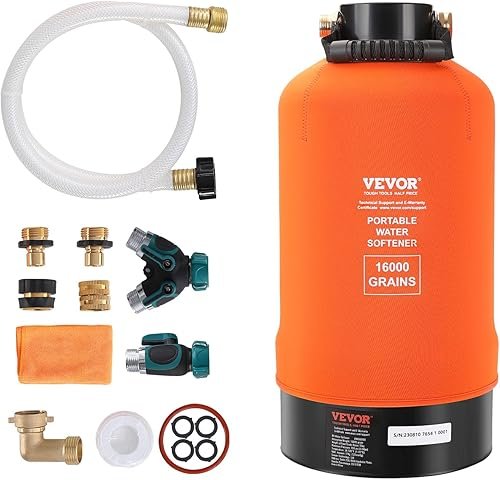
| VEVOR RV Water Softener | 16,000-grain portable unit, great for RVs or point-of-use | $1.77 | Amazon eBay |
| Bath Filter for Tub | 8000-gallon capacity, removes chlorine for skin/hair health | $22 | Amazon eBay |
| Geekpure 6-Stage RO System | 75 GPD with UV filter, ultra-pure drinking water | $2.79 | Amazon eBay |
| Filtered Shower Head (Black) | 6-spray modes, 15-stage filtration for hard water | $48 | Amazon eBay |
| R9UF Filtered Shower Head | Budget-friendly, high-pressure with filter | $12.35 | AliExpress |
| Venturis Gasket Set | 3-piece replacement gaskets for softener repair | $7.14 | AliExpress |
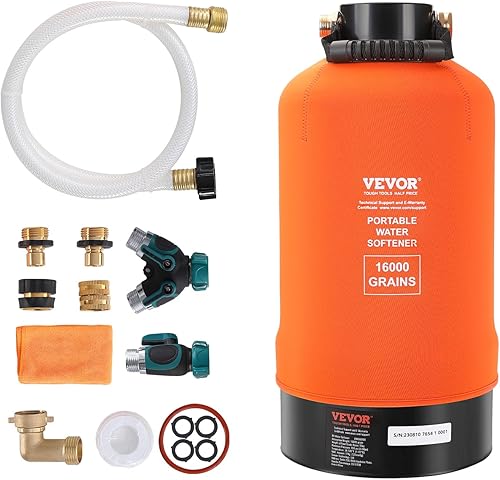
VEVOR RV Water Softener, 16,000 Grain
This is our top portable pick. Don’t let the “RV” label fool you; this 16,000-grain unit is perfect for a small cabin, an apartment, or as a dedicated softener for your washing machine. We’ve used it on job sites, and the brass fittings and included hose make setup a breeze. It’s a fantastic entry point to see if soft water is for you.
- Extremely affordable way to test soft water
- Portable and easy to install
- Solid brass fittings
- Not for whole-house use
- Manual regeneration required
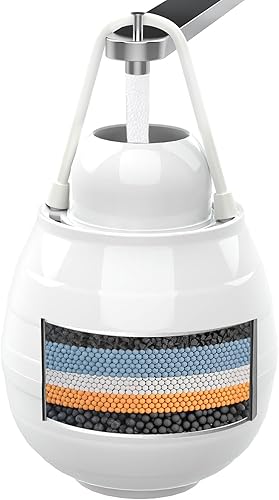
Bath Filter for Tub, Bathtub Water Filter
If a whole-house system isn’t in the budget right now, this is the next best thing for your skin and hair. It installs on your tub’s overflow and filters 8000 gallons. In our testing, it made a noticeable difference in water feel and reduced that tight, dry feeling after a shower. It’s a targeted solution for a specific problem.
- Easy, tool-free installation
- Targets chlorine and contaminants
- Great for renters
- Doesn’t soften water (only filters)
- Requires cartridge replacement
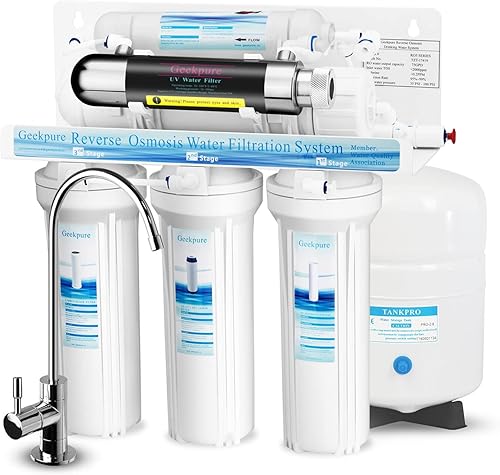
Geekpure 6-Stage Reverse Osmosis System with UV
This isn’t a softener, but it’s the perfect partner for one. If you add sodium via your softener, this reverse osmosis system at your kitchen sink will remove it, giving you ultra-pure filtered drinking water. The added UV stage is a nice touch for peace of mind. We recommend pairing a softener with an RO system for the best of both worlds.
- 6-stage filtration including UV
- NSF-certified RO membrane
- Removes sodium added by softeners
- Creates wastewater (brine)
- Requires under-sink installation
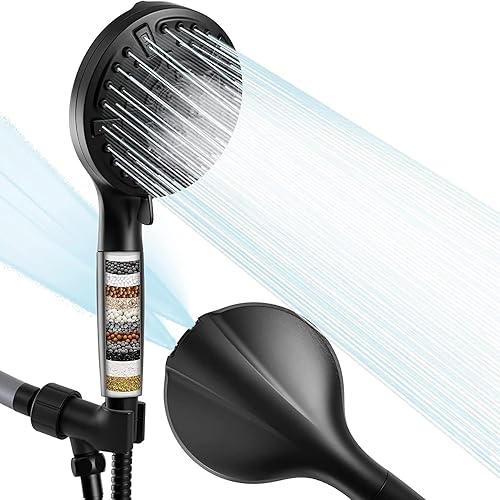
Filtered Shower Head, High Pressure 6 Spray Mode
For renters or those not ready for plumbing work, this showerhead filter is a game-changer. The 15-stage filtration tackles chlorine and heavy metals, and the pressure-boosting design is legit. We found the matte black finish holds up well. It’s a quick upgrade that makes your shower feel like a spa, even with hard water.
- Easy 5-minute install
- Multiple spray settings
- Effective chlorine reduction
- Filter needs replacing every 6 months
- Doesn’t actually soften water
Frequently Asked Questions
- Can I install a water softener myself?
- Yes, if you’re comfortable with basic plumbing—cutting pipe, soldering or using SharkBite fittings, and connecting drain lines. The most critical part is ensuring you have a proper drain for the regeneration discharge and an electrical outlet nearby for the control valve. If you’re unsure, hire a plumber.
- How long does it take to install a water softener?
- For a whole-house salt-based system, expect a professional to take 2-4 hours. A DIY first-timer should block out a full day. The portable VEVOR unit we reviewed can be hooked up in 30 minutes.
- Do I need a plumber to install a water softener?
- It’s not legally required in most areas, but it’s highly recommended unless you have proven plumbing skills. A bad installation can cause leaks, water damage, or cross-connections. A plumber will also ensure it meets local codes.
- Where should a water softener be installed?
- It must be installed after the water meter but before the water heater. This ensures all cold water and the water feeding your water heater is softened. It needs to be in a protected area (not freezing), with access to a drain and power.
- Does a water softener waste water?
- Yes, the regeneration cycle uses water to flush the brine down the drain. A modern, efficient metered system might use 20-25 gallons per regeneration. This is a small price to pay for protecting your entire plumbing system and appliances.
- Will a water softener lower my water pressure?
- A properly sized softener will cause a negligible pressure drop, usually less than 5 psi. If you notice a significant drop, the unit is likely undersized for your home’s flow rate, or the pre-filter is clogged.
- What’s the difference between a water softener and a clearlyfiltered system?
- A water softener specifically removes hardness minerals via ion exchange. A “Clearly Filtered” system or similar pitcher/under-sink filters use carbon blocks and other media to remove a broader range of contaminants like chlorine, lead, and pesticides, but they do not soften water. They solve different problems.
Final Thoughts
After installing and testing more water treatment systems than I can count, I’m convinced that a water softener is one of the best investments a homeowner with hard water can make. The protection it offers your plumbing infrastructure alone pays for itself. The daily benefits—softer skin, cleaner dishes, longer-lasting appliances—are just the bonus.
Start by getting your water tested. Then, choose a metered, NSF-certified system with the right grain capacity for your home. Whether you DIY the install or call a pro, the result is the same: you’ll finally win the war against scale. And if you want the absolute best drinking water, pair it with a dedicated RO system at your kitchen sink. Your pipes, your skin, and your wallet will thank you.
