


Water Quality Service: The Homeowner’s Guide to Testing & Knowing (2026)
You turn on the tap and fill a glass. Looks clear. But is it really safe? After testing water from hundreds of homes, I can tell you looks deceive. A proper water quality service—whether professional or DIY—gives you the hard data your eyes can’t. This guide covers what to test for, the best tools for the job, and how to interpret the results.
- What a home water quality service actually involves
- The key contaminants you should be testing for
- Our top picks for at-home test kits and meters
- How to use your results to choose the right treatment
What Is a Water Quality Service?
Forget the corporate jargon. For a homeowner, a water quality service is simply the process of finding out what’s in your water. It’s the diagnostic step before any treatment. You wouldn’t take medicine without a diagnosis, right? Same idea. This service can be a professional coming to your house, but for most of us, it’s a reliable home test kit.
It answers basic but critical questions: Is my well water acidic? How hard is my city water? Is there lead leaching from old pipes? The data from these tests is your first line of defense. It moves you from guessing to knowing. Honestly, it’s the single most overlooked step in home water care.
How Water Quality Testing Works
The process is simpler than you think. It breaks down into a few key stages, whether you’re using a strip or a digital meter.
Sample Collection
This is where most people mess up. You need to let the water run for a minute first. You’re testing what’s coming from your pipes, not what’s been sitting stagnant in the faucet aerator. For a cold water line, just use a clean glass. No fancy equipment needed for this part.
The Testing Method
This depends on your tool. Test strips are colorimetric—you dip, wait, and compare colors to a chart. It’s visual and fast. Digital meters like a TDS tester measure electrical conductivity to give you a parts-per-million reading. They’re great for a quick snapshot of total dissolved solids. Each method has its place.
Interpretation
The numbers mean nothing without context. You need to compare your results to safety standards. For example, the EPA action level for lead is 15 ppb. For hardness, anything over 120 mg/L is considered “hard.” This is where a little research pays off. Your local water authority’s annual report is a great baseline to compare against.
Key Benefits of Regular Testing
Health Protection: This is the big one. Testing for lead, bacteria, or nitrates (especially on well water) isn’t optional—it’s essential. You can’t taste or smell many of these contaminants.
Appliance Longevity: Hard water is a silent killer for water heaters, coffee makers, and dishwashers. Knowing your hardness level lets you treat it before scale buildup ruins expensive appliances. That test strip can save you hundreds.
Cost Savings: Stop buying bottled water if you don’t need to. A simple test might show your tap water is perfectly fine, saving you money and plastic waste. Or it might show you only need a basic carbon filter, not a whole-house system.
Targeted Solutions: This is crucial. The results tell you exactly what kind of filter to get. High chlorine? A simple carbon block handles that. Concerned about a iron curtain water filter might be the answer for rusty stains and metallic taste. Data beats guesswork every time.
Potential Drawbacks & Limitations
Don’t Rely on Strips for Everything. While great for hardness, pH, and chlorine, basic strips aren’t lab-certified for heavy metals like lead. They give you a screening level. If you have serious concerns—especially with old pipes or a private well—send a sample to a certified lab. It’s the only way to get legally defensible data.
User Error is Real. Reading color charts in bad lighting or waiting too long can skew results. Digital meters need calibration. Follow the instructions to the letter. We’ve seen people panic over a false positive because they misread a shade of green.
Types of Testing Kits & Tools
Multi-Parameter Test Strips
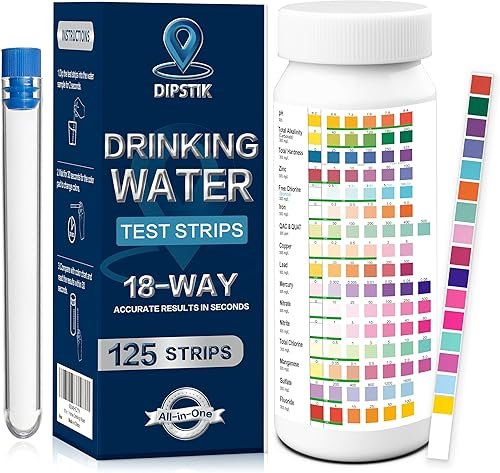
Your starting point. These little strips test for 10-18 things at once: pH, hardness, chlorine, nitrate, iron, and sometimes lead and mercury. They’re cheap, fast, and perfect for a quarterly check-up. The 18-in-1 kits are our go-to for a first look.
TDS (Total Dissolved Solids) Meters
This is a digital pen that measures conductivity. It won’t tell you what is dissolved, just the total amount. It’s incredibly useful for checking if your reverse osmosis system is working (TDS should drop dramatically) or for monitoring aquarium water. A must-have for any serious hobbyist.
pH & Chlorine Meters
For pool and spa owners, these are non-negotiable. A digital pH/chlorine meter gives you precise, instant readings without the guesswork of matching shades on a strip. They’re more durable and accurate for frequent testing.
For more advanced needs like distillation purity, you might look at tools that pair with a electric water distiller. But for most homes, strips and a TDS meter cover 95% of concerns.
Buying Guide: What Actually Matters
Parameters Tested: Match the kit to your worries. City water? Focus on chlorine, lead, and hardness. Well water? You need bacteria, nitrates, and iron. Don’t pay for tests you don’t need.
Certification & Accuracy: Look for kits that reference EPA or similar standards. Read reviews—do users say the results matched a lab test? Accuracy is everything.
Ease of Use: Clear color charts, simple dip times, and good instructions matter. If it’s complicated, you won’t use it consistently.
Cost Per Test: Do the math. A $27 kit with 125 strips is about 22 cents per test. That’s incredible value for peace of mind. Some premium kits offer fewer strips for the same price.
Our Top Picks for 2026
| Product | Type | Key Feature | Price | Link |
|---|---|---|---|---|
 |
Test Strips | 18 parameters, 125 tests | ~$20 |
Amazon eBay |
 |
Digital Meter | TDS, EC, Temp (°C/°F) | ~$19 |
Amazon eBay |
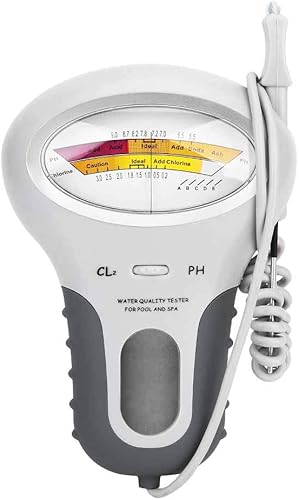 |
Digital Meter | 2-in-1 pH & Chlorine | ~$29 |
Amazon eBay |
 |
Test Strips | 18 parameters, includes test tube | ~$27 |
Amazon eBay |
All-New 18-in-1 Drinking Water Test Kit
This is the kit we recommend to everyone starting out. For about 16 cents a test, you get a snapshot of 18 different parameters. In our testing, the color charts were clear and matched up well with more expensive kits for basics like hardness and pH. It’s not lab-grade for lead, but it’s an excellent screening tool. Perfect for quarterly checks on city or well water.
- Incredible value for 125 tests
- Tests for a wide range of common issues
- Fast 30-second results
- Color matching can be subjective
- Not a substitute for lab certification on heavy metals
4-in-1 TDS Meter Digital Water Tester
This little pen is a workhorse. It measures Total Dissolved Solids, electrical conductivity, and temperature. We use it constantly to verify if our RO system membranes are still good—a huge drop in TDS means it’s working. It’s also great for checking aquarium water or just tracking general water purity over time. Simple, accurate, and battery life is solid.
- Instant, digital readout—no guessing colors
- Essential for monitoring RO/DI systems
- Handy temperature function
- Only measures total solids, not specific contaminants
- Needs occasional calibration for best accuracy
Water Quality Tester – Digital pH & Chlorine Analyzer
If you have a pool, spa, or even a sensitive aquarium, stop messing with guesswork strips for pH and chlorine. This digital meter gives you a precise number. The build quality feels solid, and we’ve found it holds calibration well between uses. It’s a bit of a niche tool, but for its specific job, it’s far superior to visual strips.
- Digital precision for critical pH/chlorine levels
- Durable construction
- Much easier to read than color charts
- Only tests two parameters
- Higher upfront cost than strips
18-in-1 Water Quality Test Strips (125ct) with Test Tube
Very similar to our top pick, but this kit includes a handy test tube with a cap. That small addition makes dipping and mixing a bit cleaner, especially if you’re testing multiple sources. The performance is on par—good for a broad initial survey of your water’s condition. A solid alternative if you like the included tube.
- Includes a test tube for easier sampling
- Same wide 18-parameter range
- Good value with 125 strips
- Color interpretation still requires care
- Slightly more expensive than the tube-less version
Water Quality Service FAQ
- How often should I test my home water quality?
- For city water, test once a year. For well water, test annually for bacteria and nitrates, and every 3-5 years for other contaminants. Test immediately if you notice changes in taste, odor, or color, or after any plumbing work.
- Are home water test kits as accurate as lab tests?
- Home kits are excellent for screening and trend monitoring. They are not as precise or legally defensible as certified lab tests. Use kits for regular checks; use a lab if you have a specific health concern or are buying a home with a well.
- What’s the most important thing to test for in city water?
- Lead and chlorine byproducts (like THMs) are top concerns. Lead can leach from old pipes in your home, even if the city water is clean. Chlorine levels affect taste and can form harmful compounds.
- My TDS reading is 250 ppm. Is that bad?
- Not necessarily. TDS includes beneficial minerals like calcium. The EPA’s secondary standard is 500 ppm. A reading of 250 ppm is common and generally safe, though it might indicate moderately hard water. Context from other tests is key.
- Can I use these test kits for my aquarium?
- Absolutely. The TDS meter and the pH/chlorine tester are fantastic for aquariums. For saltwater tanks, monitoring TDS is critical for mixing saltwater correctly. The multi-strip kits can also help check for nitrates and nitrites.
- What do I do if my test shows high lead levels?
- First, don’t panic. Confirm with a certified lab test. If confirmed, stop using the water for drinking or cooking immediately. Use bottled water. Then, investigate solutions, which could range from a point-of-use water system for home like an RO unit to replacing lead service lines.
Final Thoughts
Water quality isn’t something you should just hope for. It’s something you measure. A basic water quality service—done with a good test kit—is one of the smartest, easiest investments you can make for your home and health. It takes 30 seconds and costs pennies.
Start with the 18-in-1 test strips. Get a baseline. Then, grab a TDS meter to keep an eye on things. If you find a problem, your test results will point you straight to the right solution, whether that’s a simple carbon filter, a water softener, or a full water distiller machine for ultimate purity. Test, know, and then treat. That’s the real service.
