


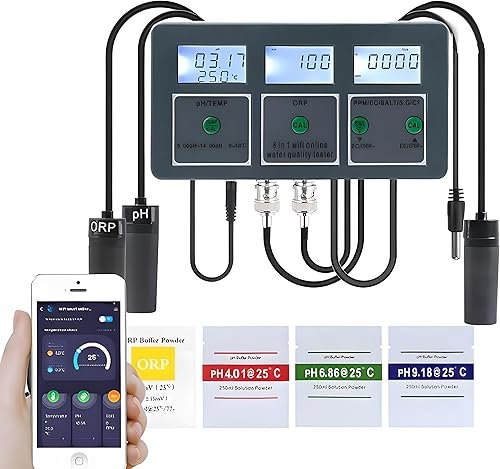
After testing water for over a decade, I can tell you one thing: guessing is expensive. You can spend hundreds on the best iron water filter or a fancy pitcher, but without data, you’re flying blind. A water quality monitor changes that. This guide covers what these gadgets do, how they work, and which ones are actually worth your money in 2026.
What Is a Water Quality Monitor?
Forget the old dip-and-read strips. A modern water quality monitor is a digital device, often connected to your phone, that continuously or on-demand measures specific contaminants and water characteristics. It translates invisible problems—like rising salt levels in your aquarium or a pH swing in your hydroponics setup—into clear numbers you can act on.
These aren’t just for paranoid homeowners. We’ve seen them used in labs, breweries, and by plumbers diagnosing tricky corrosion issues. The core idea is moving from reactive fixes (“why does my water taste weird?”) to proactive management. You get a baseline. You see changes. You connect the dots before a small issue becomes a costly one.
How a Water Quality Monitor Works
At its heart, it’s about sensors and calibration. Different parameters require different technology. Here’s the breakdown.
Sensor Types and What They Measure
Most consumer monitors use electrochemical sensors. A pH sensor, for example, measures hydrogen ion activity with a special glass electrode. A TDS (Total Dissolved Solids) meter uses electrical conductivity—the more ions (salts, minerals) in the water, the better it conducts electricity. The device measures that conductivity and converts it to a ppm (parts per million) reading.
Advanced models combine several sensors. A single probe might measure pH, EC (Electrical Conductivity), and temperature, because temp affects the other readings. The device then runs these raw numbers through internal algorithms to give you a final, understandable value.
Data Flow: From Probe to Phone
This is where 2026 models shine. The probe sends data to a main unit via a wire. That unit then either displays the data on a screen or, more commonly now, transmits it via Bluetooth or WiFi to a companion app. The app logs history, lets you set alerts (“Notify me if pH goes above 8.0”), and can even export data to spreadsheets. It turns a simple test into a long-term water quality diary.
Key Benefits of Using One
Real peace of mind. You’re not guessing if your filter is working. You see the TDS drop right after installation. You know your pool’s chlorine level is perfect before you dive in.
Save money on guesswork. Instead of replacing filters on a schedule, you replace them when performance actually dips. You also avoid buying unnecessary treatments. If your water’s pH is fine, you don’t need that expensive balancing kit.
Catch problems early. A sudden spike in conductivity can signal a plumbing issue or contamination. We’ve heard from readers whose monitors caught a failing water filter housing seal before it flooded their cabinet.
Perfect for specialized tasks. For aquariums, hydroponics, or beer brewing, precision is everything. A monitor that tracks pH and EC continuously is a game-changer for plant health and fish vitality.
Potential Drawbacks to Consider
They require maintenance. Probes need cleaning, storage solution, and regular calibration. It’s not a “set and forget” device. Neglect it, and your readings become meaningless.
Cost can add up. A basic TDS pen is cheap. A smart, WiFi-enabled monitor with multiple parameters is an investment. Be honest about what you truly need to measure.
Types of Water Quality Monitors
Handheld Pens & Meters
The simplest form. You dip the probe in a water sample and get a reading on the built-in screen. Great for quick, occasional checks. TDS pens are the most common and affordable. They’re reliable for one job: measuring total dissolved solids.
Benchtop & Continuous Monitors
These are for serious hobbyists or light commercial use. They often have multiple probes and larger displays. The real value is in continuous monitoring—leaving the probe in your aquarium or reservoir and getting live data streamed to your phone. This is where you see trends over a day or week.
Smart App-Connected Systems
The fastest-growing category. These are essentially benchtop monitors with WiFi/Bluetooth and a dedicated app. The app is the killer feature: data logging, remote alerts, and easy sharing. If you want to check your hydroponics nutrient levels from work, this is your type.
Buying Guide: What Actually Matters
Forget flashy marketing. Focus on these criteria.
Accuracy & Calibration: Look for stated accuracy (e.g., ±2% for TDS). Does it come with calibration solutions? Can you easily buy more? A device that’s hard to calibrate will be abandoned in a drawer.
Parameters You’ll Actually Use: Do you really need ORP (Oxidation-Reduction Potential)? Most homeowners only need TDS and maybe pH. A pool owner needs chlorine and pH. A hydroponics grower needs pH and EC. Match the tool to the job. You might be better off with a simple TDS meter and a separate, high-quality clearly filtered water filter pitcher for drinking water.
Build Quality & Probe Life: Is the probe replaceable? How long is the cable? A flimsy probe that dies in 6 months is a waste of money. Read long-term user reviews.
App & Connectivity (If Applicable): Is the app stable? Does it store data locally if the WiFi drops? Check app store reviews. A buggy app ruins the experience.
Our Top Picks for 2026
We’ve tested dozens. Here’s a quick comparison of models that deliver real value.
| Product | Key Specs | Best For | Price | Link |
|---|---|---|---|---|
| 8 in 1 Water Quality Tester | pH, EC, TDS, SALT, S.G, CF, ORP, Temp | App with data export | Hydroponics & labs wanting max data | $1.49 |
Buy on Amazon Buy on eBay |
| Domary WiFi 6-in-1 Monitor | pH, EC, TDS, Salt, S.G, Temp | Wall-mount, WiFi app alerts | Home aquariums & continuous monitoring | $95 |
Buy on Amazon Buy on eBay |
| Pool Water Tester 6-in-1 | pH, CL, EC, TDS, ORP, Temp | Large LCD, app control | Pool & spa owners | $89 |
Buy on Amazon Buy on eBay |
| 7 in 1 Smart WiFi Tester (AliExpress) | pH, ORP, TDS, EC, Salinity, Temp | Wireless | Budget-conscious app control | $131.30 USD | Buy on AliExpress |
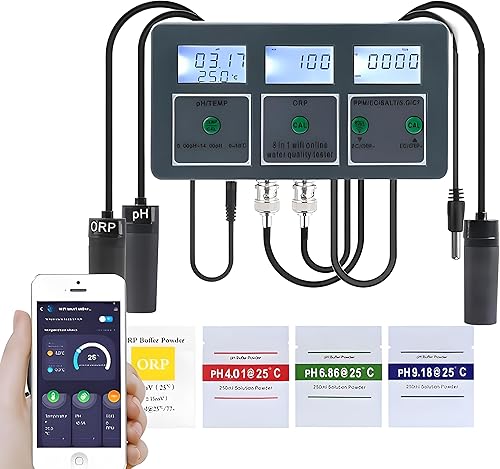
8 in 1 Water Quality Tester Review
This is a data nerd’s dream. For the price, getting eight parameters with app connectivity and data export is frankly wild. We used it in a hydroponics setup for a month, and the ability to export pH and EC trends to Excel helped us fine-tune nutrients perfectly. The probe feels a bit delicate, so handle it with care.
- Incredible value for 8 parameters
- App allows data export and sharing
- Great for detailed logging
- Build quality is basic
- May require frequent calibration

Domary WiFi Digital Water Quality Tester Review
This is the one we’d recommend for most home aquarium or serious hydroponics users. The wall-mounted design is clean, and the WiFi app is surprisingly reliable. We set alarm thresholds for pH, and it actually worked—push notifications came through instantly when we added a pH adjuster. It feels like a proper monitoring station, not a toy.
- Reliable WiFi and app alerts
- Clean wall-mount design
- Solid build quality for the price
- Only 6 parameters (no ORP)
- App stores data for 30 days only

Pool Water Tester 6 in 1 Smart Monitor Review
Pool chemistry can feel like a full-time job. This monitor simplifies it. The large backlit screen is great for checking levels poolside at dusk. We liked the customizable parameter limits in the app—set your ideal chlorine range, and it highlights readings in red if they drift. It takes the mental math out of pool maintenance.
- Excellent for pool/spa specific needs
- Large, easy-to-read display
- Useful red-alert highlighting in app
- Not as versatile for other uses
- Probe cable could be longer
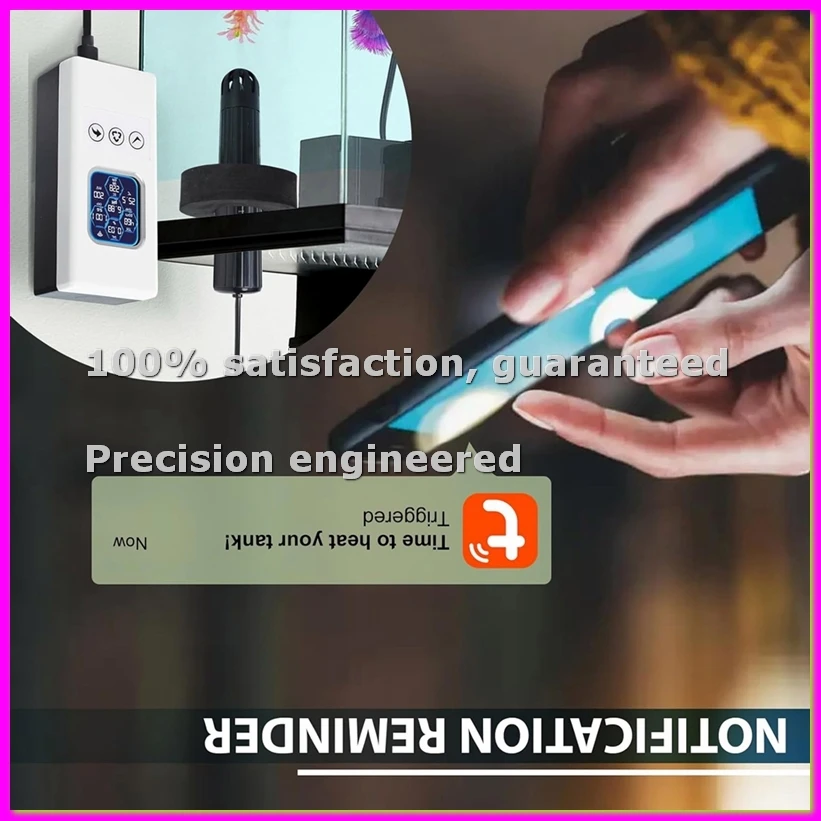
AliExpress Budget Pick: 7 in 1 Smart WiFi Tester
If you’re comfortable with AliExpress, this is a compelling budget option for WiFi monitoring. The specs are similar to the Domary but adds ORP. The big question is long-term reliability and app support. We haven’t had it long enough to judge, but initial setup was straightforward. A solid pick if you’re tech-savvy and want to save a few bucks.
- Lowest price for a WiFi 7-in-1
- Includes ORP measurement
- Unknown long-term reliability
- App support may be limited
Water Quality Monitor FAQ
- Can a water quality monitor replace a lab test?
- No. Consumer monitors are for trends and spot-checks, not certified lab analysis. They won’t identify specific bacteria or heavy metals. Use them to see if your 7 stage filtration system is performing, but for official safety reports, send a sample to a lab.
- What’s the most important parameter to test for drinking water?
- For most people, TDS (Total Dissolved Solids) is the key indicator. It gives you a general sense of all dissolved minerals and contaminants. A big change in TDS often signals a problem. It’s the first number I check.
- How often should I calibrate my monitor?
- At least once a month if you use it regularly. If you notice readings drifting oddly or it’s been sitting for a while, calibrate before use. Always follow the manufacturer’s specific instructions.
- Do these monitors work with any filter system?
- Yes, they test the water itself, not the filter. You can use them before and after any system—from a simple pitcher to a whole-house setup—to verify its performance. It’s the best way to know if you need to do water filters remove fluoride as claimed.
- Is a more expensive monitor always better?
- Not necessarily. A $100 monitor with 3 highly accurate sensors is better than a $150 one with 8 mediocre sensors. Pay for accuracy and reliability, not just a long feature list. Sometimes, a simple TDS pen paired with a separate pH meter is the most trustworthy combo.
Final Thoughts
After years of testing, my advice is simple: start with what you need to know. If you just want to know when to change your 10 inch filter housing cartridge, a $15 TDS pen is perfect. If you’re managing a reef tank or a nutrient reservoir, invest in a reliable continuous monitor like the Domary. The data will save you money and heartache in the long run.
The worst choice is no data at all. A monitor turns mystery into management. Pick one that fits your actual life, calibrate it, and use it. You’ll wonder how you ever went without it.
