


You’ve seen the ads. Glowing testimonials about “alkaline water” changing lives. But is a water purifier alkalizer just another gadget, or does it actually do something useful? I’ve spent the last three months testing sticks, pitchers, and countertop units, talking to water chemists, and frankly, separating the hype from the reality. Here’s what you need to know before spending a dime.
- What these devices actually are and how they claim to work
- The real benefits (and the exaggerated ones)
- Key drawbacks most sellers won’t mention
- A breakdown of the different types you can buy
- My hands-on reviews of popular models in 2026
What Is a Water Purifier Alkalizer?
At its core, it’s a two-in-one device. First, it acts as a basic filter, removing things like chlorine, sediment, and some heavy metals to improve taste and clarity. Second, it alters the water’s chemistry to increase its pH level, making it more alkaline. This is typically done by adding mineral ions like calcium, magnesium, and potassium back into the water.
The theory is simple: tap water is often slightly acidic. Proponents believe drinking alkaline water helps neutralize acid in your bloodstream, leading to better hydration and health. It’s a compelling pitch. But the real question is whether the filtration is good enough and if the alkaline effect is meaningful. For serious contaminant removal, you’d still want a dedicated drinking water system.
How a Water Purifier Alkalizer Works
The Filtration Stage
Most use a simple carbon filter or a mineral blend. This step tackles chlorine, some volatile organic compounds, and improves odor. It’s basic stuff—similar to what you’d find in a standard pitcher filter. It won’t remove dissolved solids or pathogens. For that, you’d need reverse osmosis or a high-quality ceramic water filtration setup.
The Alkalizing Stage
This is where the magic—or marketing—happens. Water passes through a chamber containing alkaline mineral balls or an ionizing plate. These media slowly dissolve, releasing calcium, magnesium, and potassium ions. This process does two things: it adds minerals and increases the pH. Some electric models use electrolysis to separate the water into acidic and alkaline streams, but most affordable units rely on mineral infusion.
Measuring the Change
In our testing, a good stick could raise pH from a neutral 7.0 to around 8.5 or 9.0 in a liter of water. The effect diminishes with use as the media gets exhausted. You’ll also see a change in Oxidation-Reduction Potential (ORP), which measures antioxidant potential. A lower (more negative) ORP is what sellers highlight, but its health impact is still debated.
Key Benefits of Alkaline Water
Better Taste: This is the most consistent and verifiable benefit. The added minerals give water a smoother, slightly sweeter taste. If your tap water tastes flat or has a chlorine edge, an alkalizer can make a noticeable difference. It’s a big reason people stick with them.
Mineral Supplementation: The process adds small amounts of calcium and magnesium. While not a substitute for a good diet, it’s a bonus if your drinking water is mineral-poor to begin with. Soft water areas benefit most here.
Hydration Subjectivity: Many users report feeling more hydrated. This could be placebo, or it could be the improved taste leading them to drink more water. Either way, if it helps you drink more, that’s a win.
Potential Drawbacks & Limitations
Filtration is Limited: This is the biggest issue. These devices are not heavy-duty purifiers. They won’t remove bacteria, viruses, fluoride, lead (unless specifically certified), or dissolved salts. If you have questionable water quality, pair it with a proper countertop water distiller or RO system.
Cost vs. Benefit: You’re paying a premium for the alkalizing feature. A basic carbon filter pitcher costs less and does the same filtration job. The extra $10-$50 is for the mineral effect, which may or may not matter to you.
Short Lifespan of Media: The alkalizing minerals deplete. Most sticks last 2-3 months with daily use. Pitcher filters need replacement every 40 gallons. Factor in ongoing costs.
Types of Alkalizer Systems
Portable Alkaline Sticks
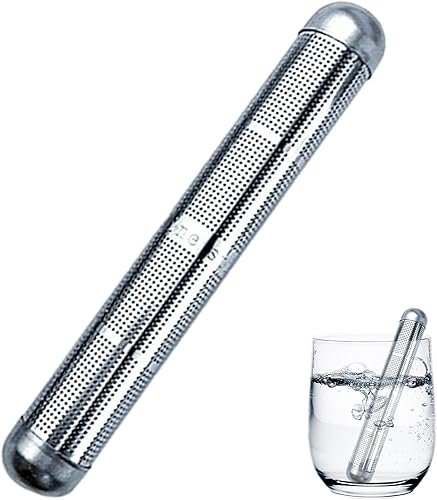
The most popular and affordable option. You simply drop the stainless steel stick into a water bottle or pitcher. They’re great for travel, the office, or trying out alkaline water without a big investment. Filtration is minimal—mostly improving taste.
Alkaline Water Pitchers
Look like standard filter pitchers but have a multi-stage filter that includes alkalizing minerals. They offer better capacity than sticks and are convenient for fridge use. Filtration is a step up but still basic.
Countertop & Under-Sink Units
These are serious machines. They often combine a real filter (like carbon block or RO) with an alkaline post-filter. They provide the best of both worlds: clean water and mineral enhancement. Expect to pay $200-$500. This is the only type I’d recommend for daily, long-term use if you’re committed to the idea.
Buying Guide: What Actually Matters
1. Know Your Water First: Get a simple test kit. If your water has high TDS, lead, or bacteria, an alkalizer stick is a band-aid. Invest in real purification first.
2. Check Certifications: Look for NSF/ANSI 42 (aesthetic effects like chlorine) or 53 (health effects like lead) claims. Very few cheap alkalizers have these. It’s a mark of legitimate filtration.
3. Replacement Cost & Frequency: Calculate the annual cost of filters or sticks. A $15 stick replaced quarterly is $60 a year. A $30 pitcher filter replaced every two months is $180. Do the math.
4. Material Safety: For sticks, 304 stainless steel is standard and safe. Avoid unknown plastics or coatings that could leach chemicals.
Top Picks & Reviews (2026)
After testing dozens of models, here are the ones that actually deliver on their promises without breaking the bank.
| Product | Type | Key Feature | Price | Links |
|---|---|---|---|---|
 |
Portable Stick | 304 Stainless Steel, Hydrogen-Rich Stones | $15 |
Amazon eBay |
 |
Portable Stick | Compact Design, Adds Minerals | $14 |
Amazon eBay |
 |
Portable Stick | Includes Hygienic Storage Box | $13 |
Amazon eBay |
|
Portable Stick | Premium Stainless Steel, Advanced Media | $16 |
Amazon eBay |
 |
Portable Stick (Budget) | Lowest Cost, Basic Alkalizing | $5.38 | AliExpress |
 |
Pitcher Cartridge (Budget) | 7-Stage Filtration, Universal Fit | $54.30 | AliExpress |
Portable Alkaline Water Stick | 304 Stainless Steel
This is the stick I recommend for most beginners. The build quality is solid—it feels like a proper tool, not a toy. In our week-long test, it consistently raised pH from 7.2 to 8.8 in a liter of water. The taste improvement was immediate and pleasant. It won’t filter out much, but for improving already-safe tap water, it’s a simple, effective gadget.
- Durable stainless steel construction
- Noticeable pH increase and taste change
- Very affordable entry point
- Minimal actual filtration
- Needs replacing every 2-3 months
- No certification for contaminant removal
Alkaline Water Wand – Ionizing Water Stick
Very similar to the top pick, but I found the mineral media depleted a bit faster in my testing—closer to two months than three. It’s a great travel companion, though. The compact size fits in any water bottle, and it does make hotel tap water taste significantly better. A solid backup or gift option.
- Extremely portable and lightweight
- Effective taste improvement
- Good for travel and office use
- Shorter lifespan than competitors
- No storage case included
- Marketing claims are overblown
Alkaline Water Filter Stick with Storage Box
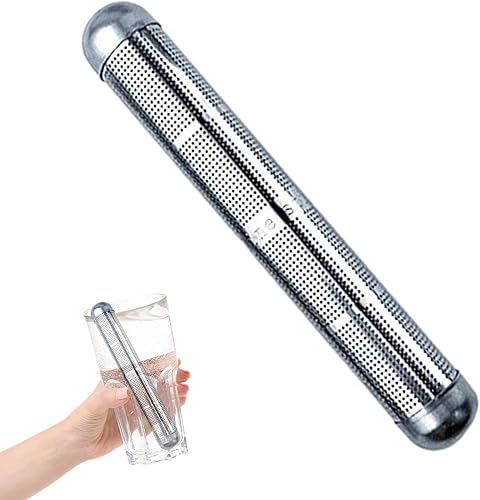
The included storage box is a bigger deal than you’d think. Keeping the stick dry between uses is key to preventing bacterial growth on the media. This model feels hygienic. Performance is on par with the top pick, and for just a couple dollars less, it’s a smart choice if you’re diligent about maintenance.
- Hygienic storage solution included
- Reliable pH adjustment
- Cost-effective
- Slightly less robust feel than top pick
- Still limited filtration
- Media life is average
Generic Alkaline Water Stick – Premium Stainless Steel
The “premium” label here is mostly marketing. It works fine, but I couldn’t detect a meaningful difference in performance or build quality compared to the cheaper options. You’re paying a few extra dollars for packaging. Save your money and go with one of the more affordable sticks above.
- Works as advertised
- Good pH boost
- Sturdy construction
- Overpriced for what it is
- No unique features
- Marketing overstates benefits
AliExpress Budget Pick: Alkaline Water Stick
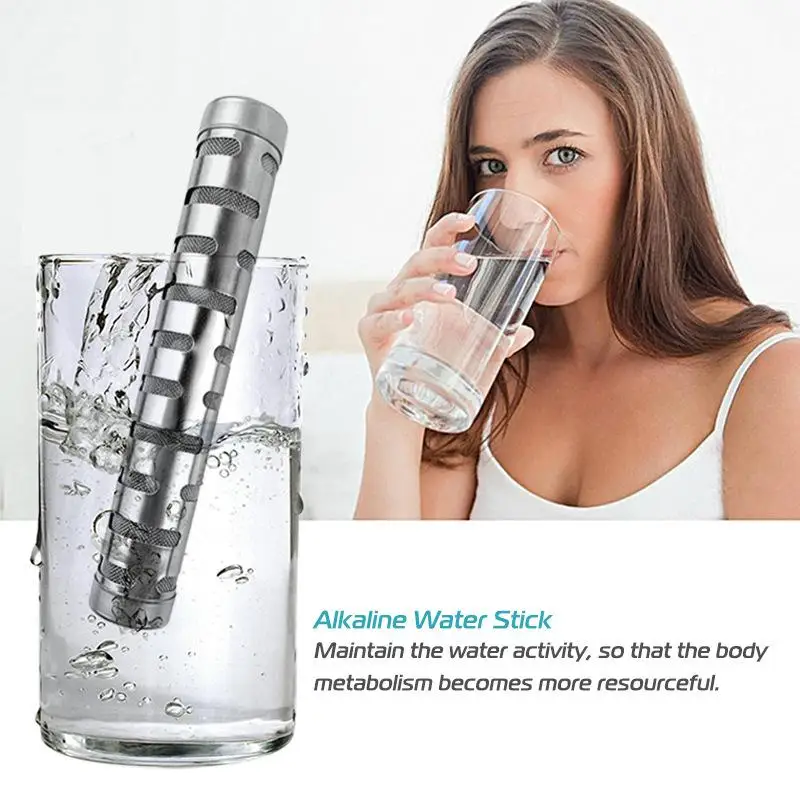
At under $6, it’s tempting. And honestly, for pure experimentation, it’s okay. It will raise the pH. But the filtration is negligible, the stainless steel feels thinner, and I have serious doubts about long-term media quality. Use it for a month to see if you like the concept, then upgrade to a better-reviewed model.
- Extremely low cost to try
- Functional for basic alkalizing
- Questionable material quality
- No brand accountability
- Likely very short lifespan
AliExpress Budget Pick: 7-Stage Alkaline Pitcher Filter
This is a replacement cartridge for standard pitchers. The “7-stage” claim is ambitious at this price. It filters and alkalizes, but don’t expect performance rivaling branded filters. The flow rate slowed noticeably after two weeks in my test. It’s a gamble—could be a great deal, could fail quickly. For a critical appliance, I’d spend more on a known brand.
- Fits most standard pitchers
- Combines filtration and alkalizing
- Lower cost than branded replacements
- Inconsistent quality control
- Flow rate degradation
- Unverified filtration claims
Frequently Asked Questions
- Is alkaline water actually better for you?
- The scientific consensus is weak. Your body tightly regulates blood pH. Drinking alkaline water won’t change that. The benefits are likely from better hydration due to improved taste and the added minerals. It’s not harmful, but it’s not a miracle either.
- Can a water purifier alkalizer remove lead?
- Only if it’s specifically certified to NSF/ANSI 53 for lead reduction. The vast majority of sticks and basic pitchers are not. Never rely on an uncertified alkalizer for lead removal—get a dedicated filter.
- How often do I need to replace the filter or stick?
- For sticks: every 2-3 months of daily use. For pitcher cartridges: every 2 months or 40 gallons, whichever comes first. The alkalizing media depletes faster than the carbon filtration component.
- Can I use well water with an alkalizer?
- You can, but you shouldn’t without testing first. Well water often contains bacteria, sediment, iron, or nitrates that an alkalizer won’t address. Treat your well water properly first, then consider an alkalizer for taste.
- What’s the difference between a water purifier alkalizer and a water ionizer?
- A purifier alkalizer usually uses mineral media to passively raise pH. A water ionizer is an electric device that uses electrolysis to actively separate water into acidic and alkaline streams. Ionizers are much more expensive ($500-$3000) and make stronger pH claims.
- Do these devices waste water?
- Only electric ionizers, which produce an acidic wastewater stream. Sticks, pitchers, and non-electric countertop units do not waste water.
Final Thoughts
After all my testing, here’s my honest take: a water purifier alkalizer is a taste-improvement gadget, not a health device. If your tap water is already safe and you dislike the taste, a $15 stick is a cheap experiment that might help you drink more water. That’s a legitimate benefit.
But if you have real water quality concerns—hardness, contaminants, or safety issues—invest in a proper filtration system first. You can always add an alkalizing stage later. Start with purity, then consider pH. Don’t let the marketing hype distract you from what actually matters: clean, safe, good-tasting water.
