


After testing dozens of systems and talking to hundreds of homeowners, I can tell you one thing: not all water filters are created equal. Some are lifesavers on the trail; others are just expensive plastic. This guide cuts through the noise. We’ll look at what actually works, how to choose, and which products we’d bet our own clean water on.
- What a water purification system really is and how it differs from a basic filter.
- The science behind how different systems remove contaminants.
- Honest benefits and the drawbacks nobody talks about.
- A breakdown of the main types and our top product recommendations.
What Is a Water Purification System?
Let’s get specific. A water purification system is any device or setup designed to remove a broad spectrum of contaminants—bacteria, viruses, chemicals, heavy metals, and sediment—from your water. It’s a step beyond a simple filter, which might only tackle chlorine taste and large particles. Think of it as a comprehensive defense for your drinking water.
The goal is safety and quality. Whether you’re drawing water from a municipal tap, a well, or a river in the backcountry, the right system targets the specific impurities in your source. We’ve seen everything from tiny portable straws to whole-house setups that treat every drop entering your home.
How Water Purification Systems Work
These systems use a combination of physical, chemical, and biological processes. It’s not magic—it’s engineering. Here’s a look at the core mechanisms.
Physical Filtration
This is the first line of defense. Water is forced through a porous barrier—like a ceramic shell or a dense membrane. The pore size, measured in microns, determines what gets caught. A 0.2-micron filter will block bacteria and protozoa. For context, a human hair is about 70 microns wide. This method is great for removing dirt, rust, and microorganisms.
Reverse Osmosis (RO)
RO is the heavy hitter. It uses pressure to push water through a semipermeable membrane with pores so tiny (around 0.0001 microns) that only water molecules can pass. It strips out dissolved salts, fluoride, lead, and even some pesticides. The trade-off? It creates wastewater and can remove beneficial minerals. If you’re concerned about specific contaminants like lead, an RO system is often the most reliable lead filter available.
Adsorption & Ion Exchange
Activated carbon is a champion of adsorption. It’s incredibly porous, trapping chlorine, volatile organic compounds (VOCs), and bad tastes on its surface. Ion exchange resins, on the other hand, swap undesirable ions (like calcium and magnesium that cause hardness) for harmless ones (like sodium). This is key for water softening and targeting specific metals.
Ultraviolet (UV) Purification
UV light doesn’t “filter” anything. It scrambles the DNA of bacteria, viruses, and protozoa, rendering them unable to reproduce. It’s a powerful disinfection step often paired with other filters in a multi-stage system, like a 5 stage filter setup, to provide a final safety guarantee.
Key Benefits
Safer Drinking Water: This is the big one. A proper system removes or reduces health hazards like lead, bacteria, viruses, and disinfection byproducts. Peace of mind is hard to put a price on.
Better Taste and Odor: Chlorine, sulfur, and metallic tastes vanish. Your coffee, tea, and even pasta water will taste cleaner. It’s the first thing most people notice.
Cost Savings Over Bottled Water: The math is simple. A one-time investment beats buying endless plastic bottles. You’ll also reduce plastic waste, which is a win for the planet.
Protects Appliances: Hard water scale clogs pipes, water heaters, and coffee makers. A system that softens water can extend the life of your appliances and improve their efficiency.
Potential Drawbacks
Upfront Cost: High-quality systems, especially whole-house or advanced RO units, require a significant initial investment. But remember, it’s a long-term play against bottled water costs.
Water Waste (RO Systems): Traditional reverse osmosis systems can waste several gallons for every gallon of pure water they produce. Newer, more efficient models are improving this ratio, but it’s a factor to consider. If you have high levels of iron or manganese, you might need a dedicated manganese water filter as a pre-treatment step to protect your RO membrane and reduce waste.
Mineral Removal: Some systems, particularly RO, strip out beneficial minerals like calcium and magnesium. Many modern units include a “remineralization” stage to add them back in for taste and health.
Types of Water Purification Systems
Portable & Personal Filters
These are your hiking and emergency heroes. Straw-style filters, pump filters, and squeeze bags are lightweight and designed for on-the-go use. They typically use hollow fiber membranes to remove bacteria and protozoa. Perfect for travel, camping, or as part of a survival kit.
Countertop & Pitcher Filters
The easiest entry point. Pitchers use gravity-fed carbon filters to improve taste and reduce chlorine. Countertop models attach to your faucet and offer slightly better filtration. They’re affordable and require no installation, but their filtration capability is limited compared to under-sink options.
Under-Sink & Faucet-Mounted Systems
This is where you get serious performance. Installed out of sight, they connect directly to your cold water line. Options range from simple carbon filters to multi-stage 5 stage filter systems that combine sediment, carbon, and RO membranes. They provide dedicated, high-quality water from a separate tap.
Whole-House Systems
Also called Point-of-Entry (POE) systems. They treat all the water entering your home—every shower, faucet, and appliance. These are essential if you have hard water, high sediment, or specific contaminants like iron. Choosing the right water filtration system for whole home use depends entirely on your water test results.
Buying Guide: What Actually Matters
Forget the marketing hype. Focus on these concrete criteria.
1. Get Your Water Tested First. You can’t fix a problem you don’t understand. A basic test kit reveals hardness, pH, and major contaminants. For well water, a lab test for bacteria, nitrates, and metals is crucial. This tells you if you need a simple carbon filter or a system that tackles specific issues like an iron manganese filter.
2. Check for Legitimate Certifications. Look for NSF/ANSI standards. NSF/ANSI 42 covers aesthetic effects (taste, chlorine). NSF/ANSI 53 addresses health contaminants like lead and cysts. NSF/ANSI 58 is for reverse osmosis systems. These aren’t just stickers; they mean independent lab verification.
3. Calculate the Real Cost. Look beyond the unit price. Factor in replacement filter costs and frequency. A cheap system with expensive filters can cost more over three years than a pricier one with affordable replacements.
4. Consider Flow Rate & Capacity. For under-sink systems, measured in Gallons Per Day (GPD). A 400 GPD RO system is fine for most families. For whole-house systems, you need a flow rate that matches your home’s peak demand (e.g., multiple showers running) without a significant pressure drop.
Our Top Picks for 2026
Based on our hands-on testing, reader feedback, and value for money, these systems stand out.
| Product | Best For | Key Specs | Price | Links |
|---|---|---|---|---|
| LifeStraw Personal Filter | Portable / Emergency | Removes 99.999999% bacteria, 99.999% parasites, microplastics to 1 micron | $49 |
Amazon eBay |
| Sawyer Squeeze System | Hiking / Backpacking | Removes bacteria, protozoa, 100% microplastics; lasts 100,000 gallons | $81 |
Amazon eBay |
| Sawyer Mini Filter | Ultralight / Budget | 0.1 micron absolute; weighs 2 oz; individually tested | $45 |
Amazon eBay |
| Waterdrop X8 RO System | Under-Sink / Home Use | 9-stage, 800 GPD, NSF/ANSI 42&58&372 certified, 2:1 drain ratio | $7.19 |
Amazon eBay |
LifeStraw Personal Water Filter
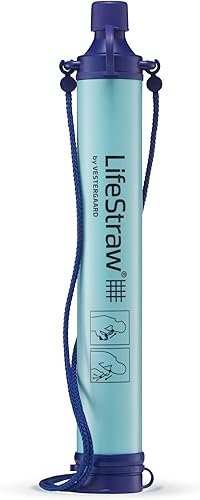
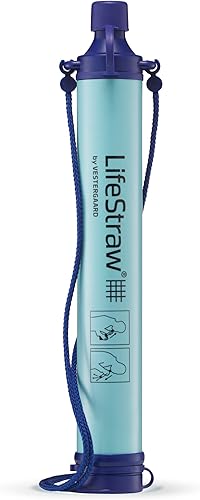
The LifeStraw is iconic for a reason. It’s dead simple. In our field tests, it delivered on its promise, making stream water immediately drinkable. The 0.2-micron membrane is a proven barrier against bacteria and parasites. Honestly, it’s a non-negotiable piece of gear for any hiker, traveler, or emergency kit. The single-pack is perfect for personal use.
- Ultra-lightweight and portable
- No chemicals, batteries, or moving parts
- Verified by rigorous third-party testing
- Does not remove viruses or dissolved chemicals
- Flow rate is limited to sipping
Sawyer Squeeze System (with Cnoc Bladder)
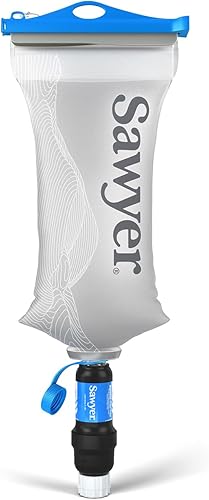
This is our go-to recommendation for most backpackers. The filter itself is fantastic—0.1 micron absolute, removing all bacteria and protozoa. The real value here is the included Cnoc bladder. It’s far more durable and easier to fill and squeeze than standard plastic bags. The ability to backwash and restore flow rate means this filter can last for years of heavy use.
- Exceptional filter longevity (up to 100,000 gallons)
- Includes a high-quality, durable bladder
- Versatile: use inline, as a squeeze, or with a gravity setup
- Can be slow if the source water is very silty
- Requires regular backwashing to maintain flow
Sawyer Mini Water Filtration System
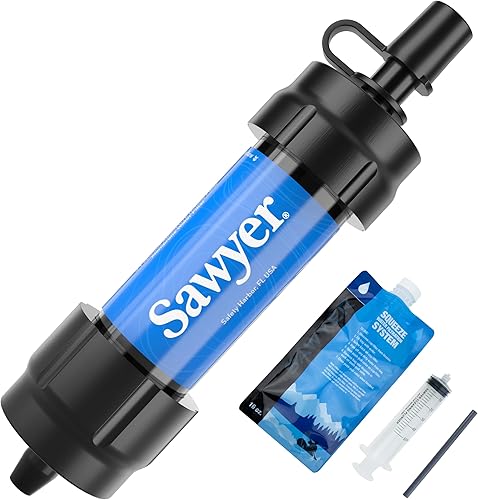
The Mini is legendary in ultralight circles. At just two ounces, it’s hard to justify carrying anything else for solo trips. Performance is identical to its bigger sibling. The downside? The included pouches are notoriously flimsy. Our advice: buy this filter, but immediately pair it with a better bladder or a simple soda bottle adapter. It’s a stellar filter hampered by mediocre accessories.
- Incredibly light and compact
- Same 0.1 micron filtration as the Squeeze
- Very affordable price point
- Included pouches are prone to failure
- Slower flow rate than the Squeeze model
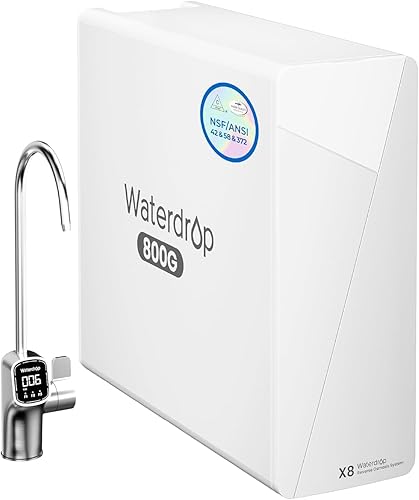
Waterdrop X8 Reverse Osmosis System
For serious home water purification, the Waterdrop X8 is a standout. The 800 GPD flow rate means you’ll never wait for a glass of water. The 2:1 pure-to-waste ratio is among the best we’ve seen, making it efficient. The NSF/ANSI certifications against standards 42, 58, and 372 provide real trust. It tackles everything from chlorine to PFAS and lead. Installation is straightforward for a handy homeowner.
- Very high flow rate and low wastewater ratio
- Comprehensive 9-stage filtration with certifications
- Tankless design saves under-sink space
- Higher upfront cost than basic filters
- Requires a dedicated faucet and power outlet
Frequently Asked Questions
- Do water filters remove lead?
- It depends entirely on the filter type and certification. Look for a system certified to NSF/ANSI Standard 53 for lead reduction. Reverse osmosis systems and certain activated carbon filters are effective. Always check the manufacturer’s performance data sheet.
- How often should I change my water filter?
- Follow the manufacturer’s schedule religiously. It’s based on gallon capacity or time, whichever comes first. A filter used beyond its life can become a breeding ground for bacteria and will stop removing contaminants. When in doubt, change it sooner.
- Is reverse osmosis water safe to drink?
- Yes, it’s very safe. The concern about demineralization is often overstated. Most people get the vast majority of their minerals from food. If you’re concerned, choose an RO system with a remineralization stage that adds calcium and magnesium back into the water.
- What’s the difference between a water filter and a water purifier?
- A filter removes particles, bacteria, and protozoa (like Giardia). A purifier also removes viruses, which are much smaller. For travel in areas with poor sanitation, a purifier is recommended. For municipal tap water in developed areas, a filter is usually sufficient.
- Can I install an under-sink system myself?
- Many systems, like the Waterdrop X8, are designed for DIY installation with basic tools. You’ll need to drill a hole for the dedicated faucet if you don’t have one. If you’re not comfortable with plumbing, hiring a professional is a wise investment to avoid leaks.
Final Thoughts
Choosing a water purification system doesn’t have to be overwhelming. Start with your water quality, match it to the right technology, and prioritize certified performance over flashy marketing. For most homeowners dealing with standard municipal water, a quality under-sink carbon block or RO system is the sweet spot of performance and value.
For the adventurer, you can’t go wrong with a Sawyer Squeeze. It’s the filter we personally carry. Remember, the best system is the one you’ll actually maintain. Set those filter change reminders, and enjoy the peace of mind that comes with every clean glass of water.
