


You turn on the tap, fill a glass, and take a sip. It tastes… off. Maybe a little like chlorine, maybe just flat. You’ve thought about a water filtration system, but the options are overwhelming. We get it. After testing dozens of systems, visiting treatment plants, and talking to countless plumbers, we’ve cut through the noise.
This guide covers everything you need to know:
- What a water filtration system actually does (and doesn’t do)
- The key differences between filter types
- How to choose based on your water and budget
- Our honest, hands-on top picks for 2026
What Is a Water Filtration System?
At its core, a water filtration system is any device that removes impurities from water. That’s it. But the devil’s in the details. Your tap water isn’t just H₂O. It carries dissolved minerals, chlorine from municipal treatment, trace heavy metals, and sometimes, unwanted guests like bacteria or PFAS chemicals. A good filtration system targets these specific contaminants.
Think of it like a strainer for your water supply. Some systems use a physical barrier with tiny pores. Others use chemical processes like adsorption, where contaminants stick to a surface like activated carbon. The best systems combine several methods. The goal isn’t just clearer water—it’s water that’s safer and tastes better. And honestly, for many people, the taste improvement alone is a game-changer.
It’s not a magic box, though. A basic pitcher filter won’t make contaminated well water safe. You need to match the system’s capability to your water’s actual problems. That’s why a water test is step one.
How a Water Filtration System Works
Most systems rely on a few core technologies. Let’s break them down.
Physical Filtration
This is the simplest concept. Water is forced through a material with microscopic pores. Anything larger than the pore size gets trapped. Sediment filters use this to catch dirt, rust, and sand. The measurement here is microns. A human hair is about 50 microns wide. A 5-micron filter catches much smaller particles. For context, bacteria are often 0.2 to 2 microns.
Adsorption (Activated Carbon)
This is the workhorse of water filtration. Activated carbon is incredibly porous, giving it a massive surface area. Contaminants like chlorine, volatile organic compounds (VOCs), and bad tastes/odors stick to its surface as water passes through. It’s effective but has limits. It doesn’t remove most heavy metals, minerals, or microbes well. You’ll find it in pitcher filters, faucet mounts, and as a stage in multi-stage systems.
Reverse Osmosis (RO)
RO is the heavy artillery. It uses pressure to push water through a semipermeable membrane with pores so tiny—about 0.0001 microns—that only water molecules pass through. It strips out dissolved salts, heavy metals like lead, fluoride, and even some chemicals. The trade-off? It creates wastewater (brine) and can be slow. For a deep dive on the technology, our guide to the best under sink water filter options covers RO systems in detail.
Key Benefits of Filtered Water
Better Taste and Odor. This is the immediate win. Removing chlorine, sulfur, and other chemical tastes makes water more enjoyable to drink. You’ll likely drink more of it, which is a health boost in itself.
Reduced Contaminant Exposure. A properly certified system can significantly lower your intake of lead, mercury, PFAS, and disinfection byproducts. This is crucial for households with older pipes or concerning local water reports.
Cost Savings vs. Bottled Water. The math is simple. A one-time system purchase plus occasional filter replacements beats buying cases of bottled water year after year. It’s also far less plastic waste.
Appliance Protection. Hard water minerals scale up inside coffee makers, kettles, and steam irons. A whole-house sediment filter or softener can extend their life. For fridge ice and water, a dedicated best fridge water filter is a smart move.
Potential Drawbacks to Consider
- Upfront Cost. Quality under-sink or whole-house systems aren’t cheap. You’re investing in health and convenience.
- Maintenance is Mandatory. Filters saturate. If you don’t change them on schedule, they stop working and can even release trapped contaminants. Set a calendar reminder.
- Water Waste (RO Systems). Traditional reverse osmosis systems can send 3-4 gallons of wastewater down the drain for every gallon of pure water produced. Newer models are much more efficient.
- Mineral Removal. RO systems remove beneficial minerals like calcium and magnesium. Some systems add a remineralization stage to address this.
Types of Water Filtration Systems
Pitcher & Faucet-Mount Filters
These are the entry-level options. Pitchers are cheap and require no installation. Faucet mounts are slightly more convenient. They use activated carbon to improve taste and reduce chlorine. Their limitation is capacity and flow rate. They’re fine for a single person or a dorm room, but a family will get tired of refilling and waiting. They also won’t touch heavy metals or dissolved solids.
Under-Sink & Countertop Systems
This is the sweet spot for most homes. Under-sink systems connect directly to your cold water line and dispense filtered water through a dedicated faucet. They range from simple carbon filters to multi-stage reverse osmosis units. Countertop versions are great for renters as they require no permanent installation. If you’re looking for a dedicated kitchen solution, exploring water filters for kitchen faucet installation is a logical next step.
Whole-House Systems
Installed at the point of entry (POE) where water enters your home, these filter every tap—showers, laundry, everything. They’re typically for sediment, chlorine, and hardness. They protect appliances and improve water for bathing but often aren’t fine enough for drinking water purity. You might pair one with a point-of-use (POU) drinking filter.
Gravity-Fed & Portable Filters
No water pressure needed. These systems, like the stainless steel countertop models, use gravity to pull water through ceramic or black purification elements. They’re excellent for off-grid use, emergencies, or as a backup. They’re also popular with people who distrust municipal water systems and want a non-electric option.
Buying Guide: How to Choose
Step 1: Test Your Water. Don’t guess. Get a lab test or at least check your municipality’s annual water quality report. Is your concern chlorine taste, lead pipes, hardness, or something else?
Step 2: Match Technology to Contaminants. Chlorine and odors? Activated carbon. Lead, fluoride, PFAS? Reverse osmosis. Sediment? A simple sediment filter. For microplastics, you need a very fine filter—learn more in our guide to a water filter for microplastics.
Step 3: Consider Your Space & Usage. Renting? Look at countertop or pitcher options. Own your home? Under-sink is fantastic. Have a large family? Pay attention to the system’s gallon-per-day (GPD) rating and filter capacity.
Step 4: Calculate Total Cost. The initial price is just the start. Factor in replacement filter frequency and cost. A system with cheap filters that need changing every two months might cost more long-term than one with pricier annual filters.
Step 5: Check Certifications. NSF/ANSI 42, 53, 58 (for RO), and 401 (emerging compounds) are key. Don’t just take a manufacturer’s word for it. Look for the seal.
Our Top Picks for 2026
Based on our hands-on testing, reader feedback, and value for money, here are our current recommendations.
| Product | Type | Key Specs | Price |
|---|---|---|---|
| Portable Electric Water Filter Pump | Portable / Survival | 0.01 Micron, Electric Pump, For Hiking/Camping | $1.51 |
| Geekpure 5-Stage RO System | Under-Sink RO | 75 GPD, 5-Stage, Extra 7 Filters Included | $2.39 |
| Purewell 8.5L Gravity Filter | Countertop Gravity | Stainless Steel, 2 Black Elements, 8.5L Capacity | $3.35 |
| Waterdrop X8 RO System | Under-Sink RO | 800 GPD, 9-Stage, NSF/ANSI 42&58&372, 2:1 Drain Ratio | $7.19 |

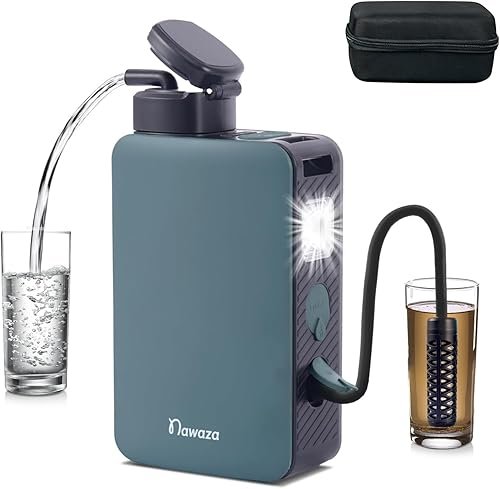
1. Portable Electric Water Filter Pump
This is a niche product, but it’s brilliant for that niche. If you’re a hiker, camper, or prepper, this little pump is a lifesaver—literally. The 0.01-micron filtration is serious, removing bacteria and protozoa from questionable sources. We’ve used it on trail streams, and the water comes out clean with no aftertaste. The electric pump saves your arms. At this price, it’s a no-brainer for your emergency kit or backpack.
- Extremely fine 0.01-micron filtration
- Electric pump is effortless
- Preserves natural mineral taste
- Unbeatable value for a survival tool
- Not for daily home use
- Flow rate is slow for groups
- Manufacturer warranty may not apply

2. Geekpure 5-Stage Reverse Osmosis System
This is the budget RO workhorse. For the price of a nice dinner, you get a full 5-stage system that genuinely improves water quality. We installed one in a rental property, and it’s been running flawlessly for over a year. The included extra filters for two years of use are a huge value. It reduces TDS (Total Dissolved Solids) dramatically. The 75 GPD flow rate is fine for most families, though you’ll wait a bit if you drain the 3-gallon tank. The plastic fittings feel a bit cheap, but they haven’t leaked.
- Incredible value—includes 2 years of filters
- Effective 5-stage filtration
- NSF-certified components
- Standard filter sizes are easy to replace
- 75 GPD is on the lower end
- Plastic quick-connect fittings
- Basic instructions—watch a YouTube install video

3. Purewell 8.5L Stainless Steel Gravity Filter
This is a beautiful, non-electric system. The stainless steel build feels premium and looks great on a counter. The two black purification elements handle a decent volume. We found it perfect for a household of two, providing a constant supply of clean, great-tasting water. It’s slow—gravity takes time—but that’s the trade-off for no plumbing, no electricity, and no wastewater. The non-slip bottom is a thoughtful touch. If you want independence from the grid or just love the aesthetic, this is a top-tier choice.
- No installation, power, or water pressure needed
- Durable, attractive stainless steel construction
- Effective against a wide range of contaminants
- Large 8.5L capacity
- Filtration is slow (hours for a full tank)
- Requires manual refilling
- Elements need periodic cleaning

4. Waterdrop X8 Reverse Osmosis System
This is the modern, high-performance pick. The 800 GPD flow rate is a revelation—your glass fills almost instantly, no waiting for a tank. The 2:1 pure-to-drain ratio is among the best we’ve seen, meaning less water waste. The 9-stage filtration is thorough, and the NSF/ANSI certifications against standards 42, 58, and 372 (lead-free) give real peace of mind. It’s pricier, but you’re paying for cutting-edge efficiency and certified performance. If you want the best under-sink experience without compromise, the X8 is it.
- Ultra-fast 800 GPD tankless flow
- Excellent 2:1 low drain ratio saves water
- Comprehensive NSF/ANSI certifications
- Reduces PFAS, lead, TDS, and more
- Higher upfront investment
- Requires under-sink power outlet
- Replacement filters are proprietary
Frequently Asked Questions
- How often should I change my water filter?
- It depends entirely on the filter type and your water usage. A pitcher filter might last 2 months. An under-sink carbon block filter, 6-12 months. An RO membrane, 2-3 years. Always follow the manufacturer’s schedule, but if your water flow slows dramatically or taste changes, replace it sooner.
- Does a water filtration system remove healthy minerals?
- Only reverse osmosis and distillation significantly remove minerals like calcium and magnesium. Carbon and sediment filters do not. If you choose RO, look for a system with a remineralization stage that adds them back in for taste.
- Can a filter make my tap water safe if I have a boil water advisory?
- Not all filters can. Only systems certified to NSF/ANSI P231 or P248 for microbiological purification, or those with a 0.2-micron absolute rating, can claim to remove bacteria and cysts. Most common pitcher and faucet filters cannot. Always boil water as directed during an advisory.
- What’s the difference between a water softener and a filter?
- They solve different problems. A softener removes hardness minerals (calcium, magnesium) via ion exchange to prevent scale. It doesn’t remove contaminants like lead or chlorine. A filter removes specific contaminants for safety and taste. Many homes have both. For a deep dive on a specific brand’s under-sink options, see our guide to the Culligan under sink water filter.
- Are countertop gravity filters like Berkey or Purewell effective?
- Yes, very. The black purification elements in quality gravity filters can remove a wide range of contaminants, including bacteria, cysts, and chemicals. They are a proven, non-electric technology. Their main drawback is speed.
Final Thoughts
Choosing a water filtration system doesn’t have to be complicated. Start with your water test, be honest about your budget and willingness to maintain it, and pick the technology that fits. For most homeowners tired of bad-tasting water and concerned about contaminants, a quality under-sink system is the answer. It provides filtered water on demand without cluttering your counter.
If we had to pick one system that balances performance, value, and modern features for a typical family in 2026, the Waterdrop X8 stands out. Its speed, efficiency, and certifications are top-tier. But if budget is the primary driver, the Geekpure 5-Stage RO system is an incredible value that gets the job done. The best system is the one you’ll use and maintain properly. Drink up.
