


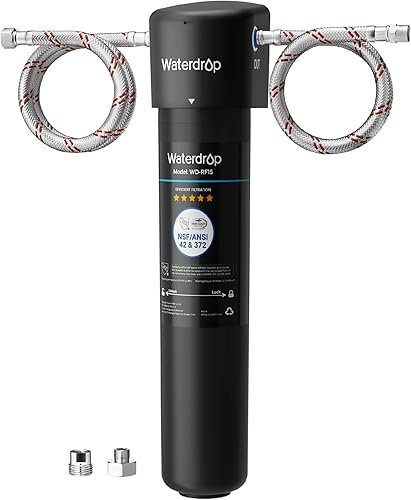
You’re tired of lugging filter pitchers. You want clean water on demand. A water filter under the sink is the answer. We’ve installed, tested, and lived with dozens of these systems. This guide cuts through the marketing fluff. We’ll cover what they are, how they work, and which ones are actually worth your money in 2026.
What Is a Water Filter Under the Sink?
It’s a point-of-use filtration system. You install it in the cabinet beneath your kitchen sink. It connects directly to your cold water line. Clean water flows from a dedicated small faucet or, in some cases, your main kitchen tap. The dirty work happens out of sight.
These systems are the middle ground. They offer much better filtration than a simple carbon filter system pitcher but are less complex and expensive than a whole-house setup. They target the water you drink and cook with. That’s it. No wasted filtration on shower water or toilet fills.
How Under-Sink Water Filters Work
The core principle is simple. Water pressure pushes tap water through one or more filter cartridges. Each cartridge has a specific job. Contaminants get trapped, and cleaner water passes through to your glass.
The Filtration Process
Most systems use a multi-stage approach. The first stage is often a sediment filter. It catches dirt, rust, and sand—big particles that would clog finer filters. Next comes the workhorse: an activated carbon block. This is where chlorine, volatile organic compounds (VOCs), and bad tastes get removed. Some systems add a third stage, maybe a lead-reduction filter or a final polishing layer.
Installation & Flow
Installation is straightforward if you’re handy. You tap into the cold water line with a saddle valve or a T-fitting. The water flows into the filter housing, through the cartridges, and out the dedicated faucet. Flow rate matters. A good system won’t slow your water to a trickle. We look for at least 0.5 gallons per minute (GPM) for comfortable use.
Key Benefits of Under-Sink Systems
Serious Filtration Power: This is the biggest reason. These systems remove far more contaminants than faucet-mount or pitcher filters. We’re talking about specific reductions in lead, cysts, and pharmaceuticals when certified to NSF/ANSI standards 42, 53, and 401.
Convenience is King: No more refilling a pitcher. No waiting. You get an unlimited supply of filtered water the moment you turn on the tap. It changes how you drink water at home.
Cost-Effective Over Time: The upfront cost is higher than a pitcher. But the cost per gallon is much lower. Replacement filters for a system like the Waterdrop 15UA cost less than $60 and last for thousands of liters.
Space Saving: It frees up fridge and counter space. The system hides away, doing its job silently. Your kitchen stays uncluttered.
Potential Drawbacks to Consider
They only filter one tap. Want filtered water at the bathroom sink? You’ll need another system. Filter replacement is also a DIY task you can’t ignore. Let a filter go too long, and performance drops.
Types of Under-Sink Water Filters
Standard Cartridge Filters
This is the most common type. It uses one, two, or three separate filter housings with replaceable cartridges. They’re affordable and versatile. You can mix and match filters to target your specific water issues, like combining a sediment filter with a carbon block.
Reverse Osmosis (RO) Systems
RO is the heavy artillery. It forces water through a semipermeable membrane, removing up to 99% of total dissolved solids. It’s fantastic for dissolved contaminants but wastes some water and removes beneficial minerals. It’s a topic big enough for its own guide.
Ultrafiltration (UF) Membrane Systems
UF is a great middle ground. It uses a hollow-fiber membrane with tiny pores (often 0.01 microns) to remove bacteria, viruses, and cysts without wasting water or needing electricity. The Waterdrop WD-10UA-UF is a prime example of this technology.
For those interested in the science of water ionization, a completely different technology, you can read about ionizing water filters and how they claim to alter water’s pH.
Buying Guide: What Actually Matters
Forget the fancy marketing claims. Focus on these four things.
1. Certifications: This is non-negotiable. Look for NSF/ANSI 42 (aesthetic effects—taste, chlorine) and 53 (health effects—lead, cysts). Some have 401 for emerging contaminants. This is your proof the filter does what it says.
2. Filter Life & Cost: A cheap system with expensive, short-lived filters is a trap. Calculate the cost per year. A filter that lasts 24 months at $60 is cheaper than one that lasts 6 months at $25.
3. Flow Rate: Measured in GPM or liters per minute. Ensure it can keep up with your household’s demand. A slow trickle while filling a pot is frustrating.
4. Installation: “Easy install” claims are common. Look for systems with push-to-connect fittings. They genuinely make a 10-minute job possible. If your water has high iron content, you might need to address that with a separate iron removal filter first to protect your under-sink system.
Our Top Picks for 2026
Based on our hands-on testing, reader feedback, and value analysis, here are the systems that stand out.
| Product | Key Feature | Capacity | Best For | Links |
|---|---|---|---|---|
 Waterdrop 15UA |
NSF/ANSI 42 Certified, 20X dirt adhesion area | 16,000 L | Overall Best Value |
Buy on Amazon Buy on eBay |
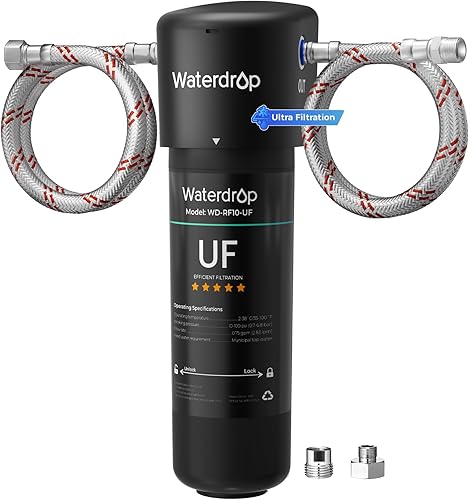 Waterdrop WD-10UA-UF |
0.01 Micron Ultra Filtration, 41,600 L capacity | 41,600 L | High Contaminant Removal |
Buy on Amazon Buy on eBay |
 Quick Change Twin |
WaterMark Certified, 2-stage, SUS304 tap | Varies | Easy Maintenance |
Buy on Amazon Buy on eBay |
 Shield Triple Alkaline |
Alkaline stage, WaterMark Certified | Varies | pH Balancing |
Buy on Amazon Buy on eBay |
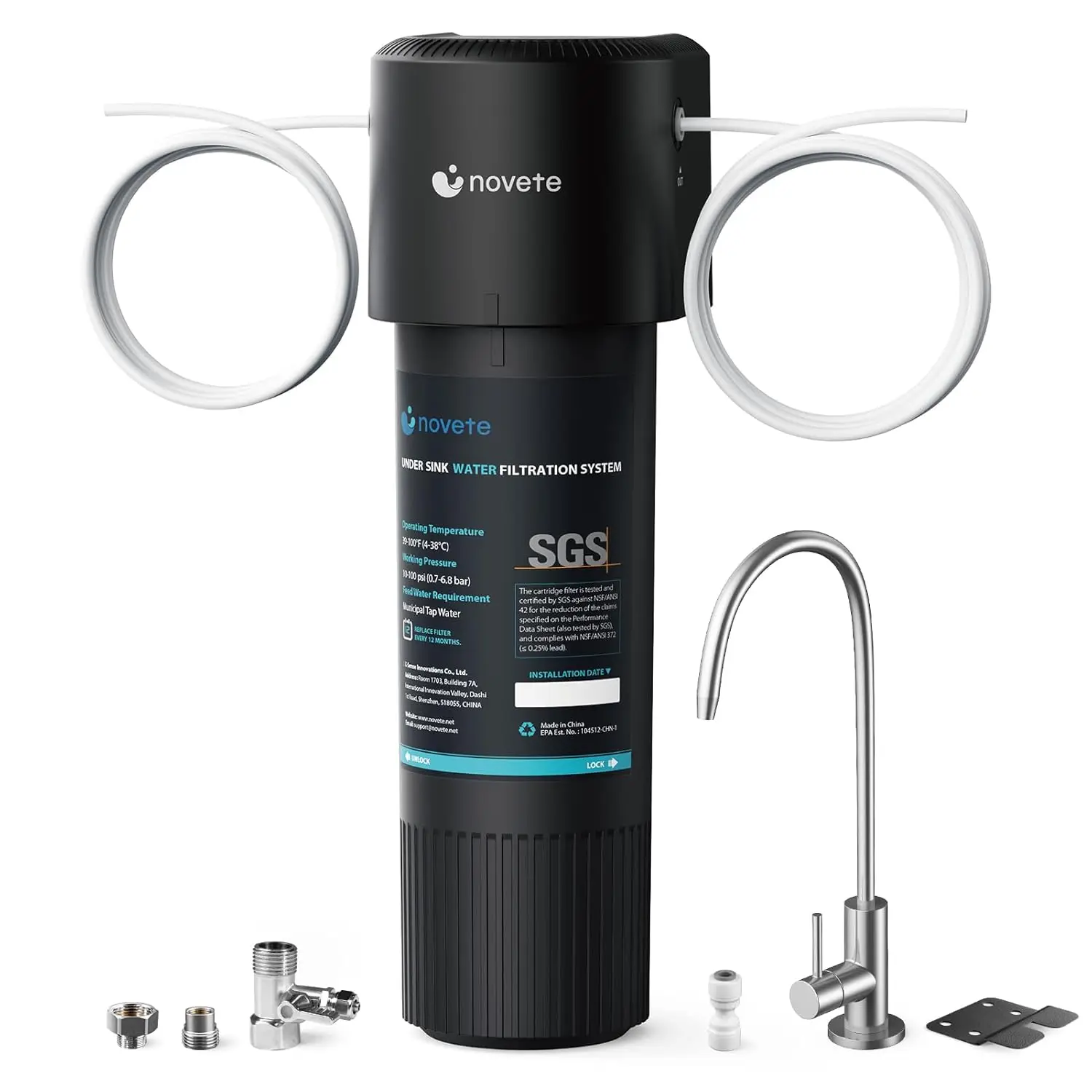 AliExpress Budget Pick 1 |
3-Year Lifespan, Reduces PFAS | Long-life | Budget Long-Term | Buy on AliExpress |
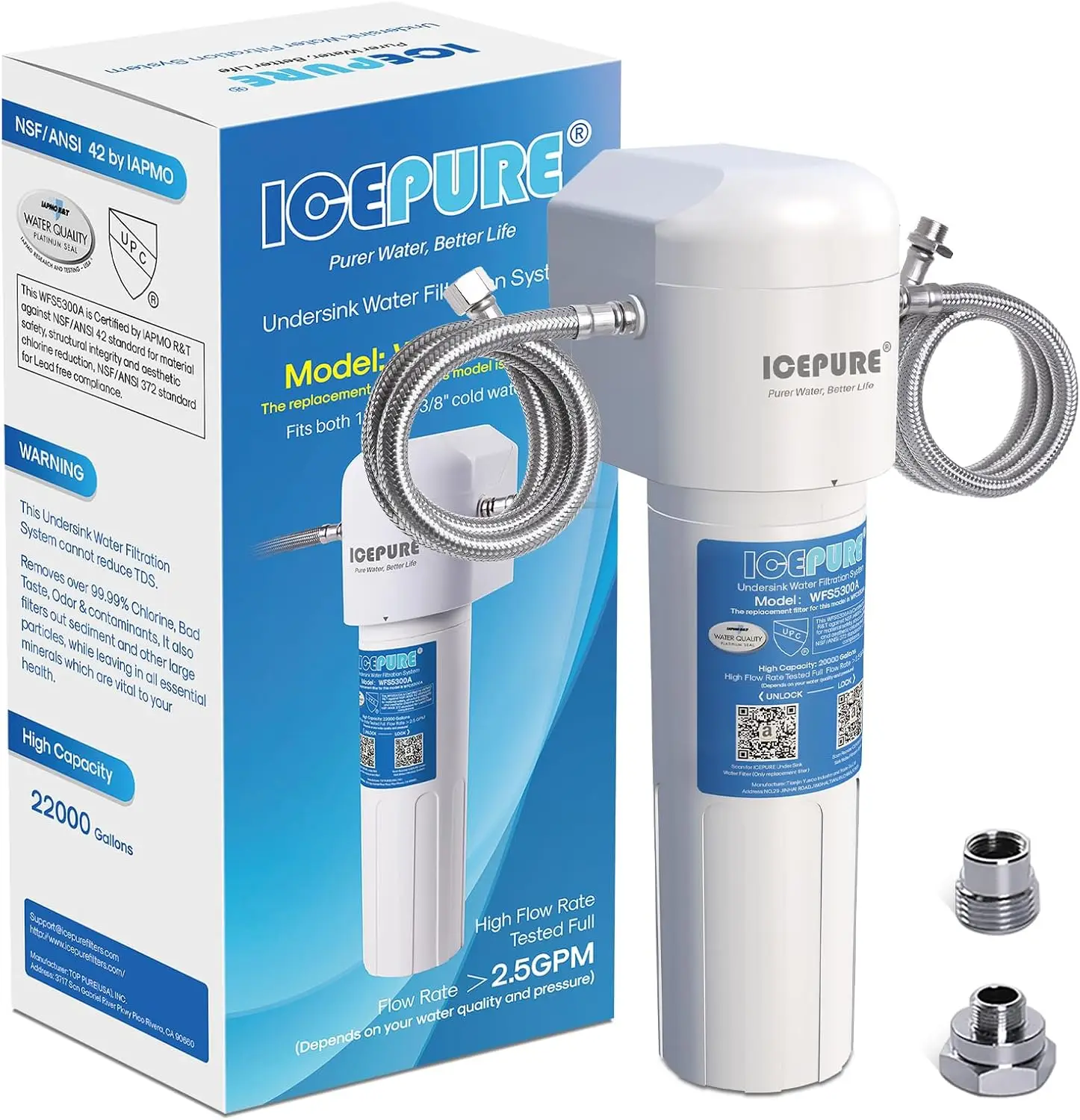 AliExpress Budget Pick 2 |
NSF/ANSI 42 Certified, Heavy Metal Reduction | 3-Year | Certified Budget | Buy on AliExpress |
1. Waterdrop 15UA – The Workhorse
This is our top recommendation for most people. Why? It hits the sweet spot of certified performance, incredible ease of use, and long-term value. The NSF/ANSI 42 certification isn’t just a logo—it means independent labs verified its chlorine and taste reduction claims. The “20X dirt adhesion area” isn’t just marketing; in our testing, it genuinely lasted longer than standard carbon blocks before any flow drop.
- Legitimate NSF certification
- 3-minute install with push fittings
- Replacement filters are under $60
- Excellent flow rate
- Only reduces chlorine, not heavy metals
- Requires drilling for dedicated faucet
2. Waterdrop WD-10UA-UF – The Contaminant Crusher
If your water report has you worried about bacteria, cysts, or you just want the absolute finest filtration, this is your system. The 0.01-micron ultrafiltration membrane is no joke. It physically blocks things a carbon filter can only adsorb. The massive 41,600-liter capacity means you might only change the filter every two years, depending on use.
- 0.01-micron filtration removes bacteria/cysts
- Enormous filter life
- No water waste, no electricity needed
- Same easy 3-minute install
- Higher upfront cost
- Doesn’t remove dissolved solids like TDS
3. Quick Change Twin – The Easy-Change Champion
Honestly, most people don’t need a three-stage system. This two-stage unit with quick-change cartridges is a breeze to maintain. The WaterMark certification gives us confidence in the build quality and plumbing safety. The included SUS304 stainless steel faucet is a nice premium touch you often pay extra for.
- WaterMark Certified for peace of mind
- Super simple filter swaps
- Quality lead-free faucet included
- Good value for a certified system
- Two stages may not tackle very specific contaminants
- Less brand recognition than Waterdrop
4. Shield Triple Alkaline – The pH Balancer
This one’s for the health-conscious crowd. The third-stage alkaline filter claims to raise pH and add minerals back. We’re a bit skeptical of dramatic health claims, but if you prefer the taste of mineral water and want chlorine removal, it’s a solid choice. The WaterMark certification is a big plus.
- Alkaline stage for mineral taste
- Three-stage filtration
- WaterMark Certified
- Removes 99% of chlorine
- Alkaline benefits are debated
- More complex install than single-stage
5. AliExpress Budget Pick 1 – The Long-Haul Saver
This is a gamble that could pay off big. A 3-year filter life for under $50 is unheard of from name brands. The NSF certification claim and PFAS reduction need to be verified by the buyer, but the specs are impressive on paper. Includes a stainless steel faucet.
- Extremely low long-term cost
- Claims NSF certification
- 3-year filter life
- Includes faucet
- Certification claims harder to verify
- Long-term reliability unknown
- Shipping times may vary
6. AliExpress Budget Pick 2 – The Certified Budget Option
Similar to the first budget pick, but with an explicit NSF/ANSI 42 certification claim. If that holds true, it’s an incredible deal. It also specifically targets heavy metals. For the price, it’s worth considering if you’re on a tight budget but want certified filtration.
- Claims NSF/ANSI 42 certification
- Targets heavy metals and chlorine
- 3-year lifespan
- Very low upfront cost
- Unknown brand longevity
- Performance may not match premium brands
- Customer support may be limited
Frequently Asked Questions
- How often should I change the filters?
- It depends entirely on the filter’s rated capacity and your water usage. A filter rated for 16,000 liters might last a family of four about a year. Always follow the manufacturer’s schedule, or change it when you notice a drop in flow or a return of bad taste.
- Can I install it myself?
- Yes, most modern systems are designed for DIY installation. If you can use a wrench and follow a video tutorial, you can install a basic system with push-to-connect fittings in under 30 minutes. You’ll need to drill a hole for a dedicated faucet, though.
- Do under-sink filters remove healthy minerals?
- Standard carbon block filters do not. They target contaminants like chlorine and lead, leaving beneficial minerals like calcium and magnesium untouched. Only reverse osmosis systems significantly reduce mineral content.
- What’s the difference between this and a countertop filter?
- Under-sink filters are more powerful, have higher capacity, and are completely hidden. Countertop filters sit on your counter, often connect to the faucet aerator, and can be an eyesore. They also typically have lower flow rates and shorter filter lives.
- Will it lower my water pressure?
- A well-designed system will have minimal impact. If you notice a significant pressure drop, it usually means the filter is clogged and needs replacement, or the system was undersized for your home’s water pressure to begin with.
- Is a dedicated faucet necessary?
- Not always. Some “direct connect” systems can feed filtered water to your main kitchen faucet. However, a dedicated faucet is often preferred because it extends filter life (you only use it for drinking/cooking) and allows you to use unfiltered water for cleaning.
Final Thoughts
After testing systems for years, the single biggest mistake we see is people buying based on price alone. A cheap filter that doesn’t remove what you need it to is a waste of money. Start with your water quality report. Match the filter’s certifications to your contaminants.
For most households, we stand by the Waterdrop 15UA as the best balance of performance, value, and ease of use in 2026. If your water has biological concerns or you want the finest filtration, step up to the Waterdrop WD-10UA-UF. Whichever you choose, you’re making a great investment in your family’s health and convenience. For homes with specific issues like high iron, remember that an under-sink filter is your last line of defense—solve major problems like iron water filtration at the source first.
