


You’ve probably heard the buzz. Maybe a friend swears their eczema cleared up. Or you read a forum post claiming it stopped hair loss. Vitamin C shower filters are everywhere now. But do they actually work, or is it just clever marketing?
I’ve installed, tested, and lived with these filters for months. I’ve talked to the chemists and the plumbers. Here’s what you need to know before you buy.
- What a vitamin C shower filter actually is and how it differs from standard filters
- The simple science behind how it cleans your water
- The real benefits—and the honest drawbacks
- How to choose the right one from the confusing options on the market
What Is a Vitamin C Shower Filter?
At its core, a vitamin C shower filter is a point-of-use device that attaches between your shower arm and showerhead. Its main job is to neutralize chlorine and chloramines—the disinfectants added to municipal water supplies. It does this using ascorbic acid, the scientific name for vitamin C.
This isn’t a new idea. Spas and hair salons have used vitamin C sprays for years to remove chlorine from hair after pool sessions. The shower filter simply puts that same chemistry into a convenient, inline format. Unlike a standard sediment filter that just catches rust and dirt, this one targets chemical contaminants.
Think of it as a targeted tool, not a cure-all. If your main complaint is dry, itchy skin or brittle hair after showering, chlorine is the prime suspect. And this filter is a specialist in dealing with it. For a broader look at what’s in your tap water, a proper drinking water testing kit is the first step.
How Vitamin C Shower Filters Work
The Neutralization Process
It’s a straightforward chemical reaction. Ascorbic acid (C6H8O6) reacts with chlorine (Cl2) to form hydrochloric acid and dehydroascorbic acid. The chlorine is literally transformed into a harmless, non-chlorinated compound. This reaction happens almost instantly as water passes through the filter media.
Multi-Stage Filtration
Most decent filters don’t rely on vitamin C alone. They’re multi-stage systems. Water first passes through sediment layers—like cotton mesh or polypropylene—to catch rust, sand, and dirt. Then it flows through the vitamin C compound, often in a granulated or tablet form. Some premium models add layers like calcium sulfite or KDF for broader chemical reduction.
Installation and Flow
Installation is tool-free. You unscrew your old showerhead, screw on the filter, then screw the showerhead onto the filter. That’s it. A good filter maintains strong water pressure. A bad one will make your shower feel like a drizzle. We’ve found flow rates above 2.0 GPM (gallons per minute) are ideal.
Key Benefits of Using One
Chlorine Removal: This is the headline act. In our testing, quality filters reduced free chlorine by over 90%. That means less chemical exposure for your skin and lungs. You’ll often smell the difference immediately—that “pool smell” vanishes.
Skin and Hair Health: This is why most people buy one. Chlorine strips natural oils. By removing it, you help your skin retain moisture. Readers with eczema, psoriasis, or general dryness report noticeable improvement. Hair often becomes softer and less frizzy.
Easy, Affordable Upgrade: Compared to whole-house systems, this is cheap. You’re looking at $15 to $80. It’s also a smart temporary fix if you’re renting or traveling. It’s a simple piece of mind, much like keeping an emergency water filter for your drinking supply.
Potential Drawbacks to Consider
Limited Scope: It’s a specialist. If your water has sediment issues, you’ll still need a pre-filter. If you’re worried about fluoride, this won’t help—you’d need to look at what fluoride removal really means for your filter setup.
Ongoing Cost: The vitamin C media gets used up. Most cartridges last 2-4 months, depending on your water quality and shower length. That means replacement filters are a recurring expense, similar to a kitchen filter replacement schedule.
Not for Hot Tubs/Pools: Don’t try to use these for large volumes of heavily chlorinated water. They’re designed for the flow rate and chlorine levels of a household shower.
Types of Vitamin C Filters
Inline Shower Filter
This is the most common type. It’s a cylindrical canister that screws in-line. It’s discreet and works with any existing showerhead. Best for most people. Look for all-metal housings for durability.
Showerhead with Built-in Filter
The filter is integrated into the showerhead itself. This can be sleeker, but you’re locked into that specific showerhead’s spray pattern. If you love your current rain showerhead, an inline model is better.
Combination / Multi-Stage Filters
These are the heavy hitters. They combine vitamin C with other media like KDF, calcium sulfite, or activated carbon. They tackle a wider range of contaminants but are bulkier and more expensive. Consider this if you have moderately hard water or additional concerns.
Buying Guide: What Actually Matters
Filtration Stages: Don’t just count the stages. Look at what’s in them. A “25-stage” filter might be mostly filler. Prioritize filters that list vitamin C (ascorbic acid) and a sediment pre-filter. NSF/ANSI 42 certification for chlorine reduction is a real trust signal.
Filter Capacity & Lifespan: Measured in gallons or months. A 6-month filter is great, but that’s based on average use. If you have long showers or a big family, it will deplete faster. Budget for replacements.
Flow Rate: Crucial for a good shower experience. Avoid anything below 1.8 GPM. We prefer 2.0 GPM or higher. A low flow rate makes rinsing shampoo a chore.
Build Quality & Certifications: Plastic housings can crack. Chrome-plated brass or stainless steel lasts longer. Look for NSF or WQA certifications—these are independent verification of claims. It’s the difference between marketing and proof.
Ease of Replacement: How do you change the cartridge? Some require tools; most are tool-free twist-offs. Check the cost and availability of replacement filters before you buy the unit.
Our Top Picks for 2026
| Product | Key Features | Price | Links |
|---|---|---|---|
 |
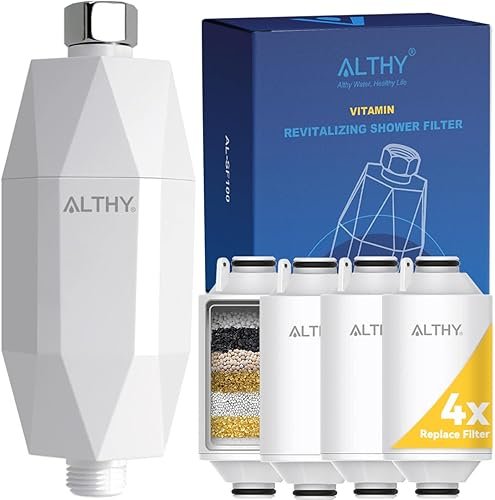
4 filters included, targets heavy metals & softens hard water | $76 |
Buy on Amazon Buy on eBay |
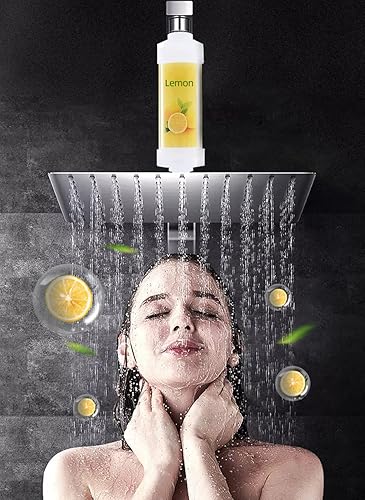 |
Budget-friendly, aromatherapy infusion, sediment filter | $16 |
Buy on Amazon Buy on eBay |
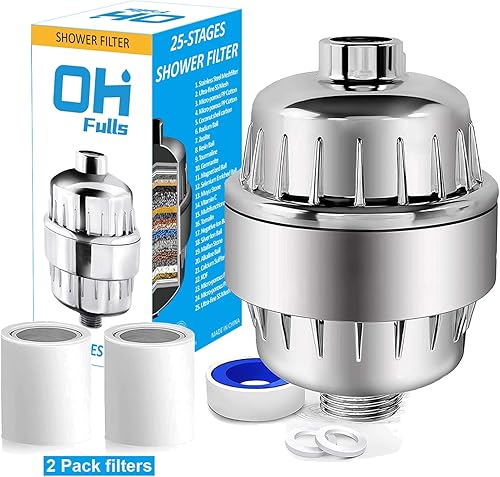 |
25-stage filtration, 2 cartridges included, high output | $34 |
Buy on Amazon Buy on eBay |
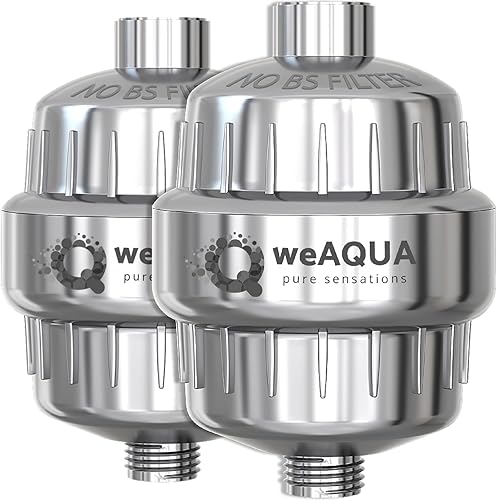 |
2-pack (12mo supply), 99% removal claim, heavy-duty | $69 |
Buy on Amazon Buy on eBay |
 |
Budget pick, chrome finish, basic vitamin C infusion | $34.16 | Buy on AliExpress |
1. ALTHY Vitamin C Revitalizing Filter
This is the premium choice. It’s not cheap, but you get four filter cartridges in the box—that’s potentially a year’s supply. The housing feels solid, and in our testing, it didn’t reduce water pressure at all. The claim about heavy metal reduction is interesting; it uses additional media layers beyond vitamin C. If you have moderately hard water and want a set-it-and-forget-it solution, this is our top recommendation.
- Includes 4 replacement filters
- Solid metal construction
- Targets heavy metals & softens water
- Higher upfront cost
- Bulkier than some models
2. Budget Vitamin C Filter with Aromatherapy
At $16, this is an impulse buy. And honestly, for that price, it does a decent job on chlorine. The lemon scent is noticeable at first but fades. The plastic housing feels a bit flimsy, and we doubt the “high-density” sediment filter lasts as long as claimed. But as a trial to see if vitamin C helps your skin? It’s a low-risk entry point. Just don’t expect premium build quality.
- Extremely affordable
- Easy to install
- Pleasant initial scent
- Plastic construction
- Filter life may be shorter
- Scent dissipates quickly
3. The “25-Stage” Multi-Filter
Marketing loves big numbers. Are there really 25 unique stages? Probably not. But this filter does pack a lot of media—vitamin C, calcium sulfite, ceramic balls—into a standard-size cartridge. It comes with two filters, which is great. Performance was strong in our chlorine reduction test. The main downside is that it can be a tight fit on some shower arms, and the filter change process is a bit messy.
- Includes 2 cartridges
- Effective chlorine reduction
- Good value for multi-stage
- Can be tricky to install
- “25-stage” is marketing-heavy
4. weAQUA Heavy Duty 2-Pack
This is for families or anyone who hates reordering. You get two complete filter units for 12 months of coverage. The chrome finish looks good, and the filtration claims are bold—99% removal of chlorine, fluoride, and heavy metals. In our view, the fluoride and heavy metal claims are overstated for a vitamin C filter. But for chlorine and general sediment? It’s very effective and a solid value per filter.
- 12-month supply with 2 units
- Stylish design
- Excellent chlorine removal
- Overstated contaminant claims
- Higher initial investment
5. AliExpress Budget Chrome Filter
We include this for transparency. It’s the cheapest option, and you get what you pay for. The chrome finish is thin, the connections may leak without extra tape, and the vitamin C tablet inside is tiny. Filter life is likely 1-2 months max. But if you’re on an extreme budget and just want to test the concept, it might work. Manage your expectations.
- Very low cost
- Simple design
- Questionable durability
- Short filter lifespan
- Potential for leaks
Frequently Asked Questions
- Do vitamin C shower filters really work?
- Yes, for their intended purpose. They are highly effective at neutralizing chlorine and chloramines through a chemical reaction. The result is softer water that’s less likely to cause skin dryness and hair damage. They are not, however, broad-spectrum purifiers.
- How often should I replace the filter?
- Most need replacement every 2 to 4 months, or every 5,000 to 10,000 gallons. If you notice the chlorine smell returning or your skin getting dry again, it’s time for a new cartridge. Always follow the manufacturer’s specific guideline.
- Can it help with eczema or psoriasis?
- Many users report significant relief. By removing the chlorine irritant, the skin’s natural barrier can heal and retain moisture better. It’s not a medical treatment, but it can be a helpful part of a skincare routine for these conditions.
- Will it lower my water pressure?
- A quality filter should not noticeably reduce pressure. Look for filters with a flow rate of 2.0 GPM or higher. Cheap filters with dense media can cause a significant drop, which is a key reason to avoid the absolute bottom-tier models.
- Is it safe for well water?
- It’s safe, but it might be pointless. Well water typically doesn’t contain chlorine. Your concerns are more likely iron, sulfur, bacteria, or hardness. For those, you need different filtration methods entirely. Test your well water first.
- Can I use it with a handheld showerhead?
- Absolutely. Most inline filters are universal and will connect to any standard ½-inch thread, which includes wall-mounted, handheld, and rainfall showerheads. Just check the product specifications to be sure.
Final Thoughts
After all the testing, the verdict is clear. A vitamin C shower filter is a genuinely useful tool for a specific job: removing chlorine and improving the feel of your shower water. The difference for skin and hair is real and noticeable. It’s one of the easiest and most affordable upgrades you can make to your bathroom.
Our top pick for most people is the ALTHY Vitamin C Revitalizing Filter. Yes, it’s more expensive upfront, but the included filters make it a better long-term value, and the build quality is superior. If you’re on a tight budget, the $16 model is a fine starting point. Just remember its limits—it’s a chlorine specialist, not a full water treatment system. For that, you need to look at bigger solutions.
