



I’ve installed, tested, and cursed at more water filters than I can count. And the one thing that always surprises people is this: a UV system isn’t a filter at all. It’s a silent assassin for germs. If you’re on well water or just paranoid about what’s in your pipes, understanding how a uv water treatment system works could be the most important thing you read today. We’ll break down exactly what it does, what it doesn’t do, and help you decide if you need one.
What Is a UV Water Treatment System?
A UV water treatment system is a point-of-use or whole-house device that uses ultraviolet (UV-C) light to disinfect water. It doesn’t add chemicals, change the taste, or remove minerals. Its sole job is to scramble the DNA of microorganisms like E. coli, Giardia, and viruses, rendering them unable to reproduce and make you sick. It’s the last line of defense.
Here’s the critical thing most people miss: UV light can’t penetrate dirt. If your water has cloudiness (turbidity) or sediment, those particles can shield microbes from the light. That’s why a UV system should never be the first stage in your setup. You need a pre-filter—usually a carbon filter system or a simple sediment cartridge—to clarify the water first. Only then does the UV light have a clear shot at its target.
How UV Water Treatment Works
The science is fascinatingly simple. Water flows into a stainless-steel chamber. Inside, a quartz glass sleeve protects a UV-C lamp that emits light at a specific 254-nanometer wavelength. This wavelength is germicidal—it’s absorbed by the genetic material (DNA and RNA) of pathogens.
The Disinfection Process
When a microorganism passes by the lamp, the UV light penetrates its cell wall and alters its genetic code. This damage prevents the microbe from replicating. It might still be present in the water, but it’s dead in the water, so to speak. The effectiveness depends on two things: the intensity of the UV light (measured in mJ/cm²) and the contact time (how long the water is exposed). A properly sized system delivers a minimum dose, typically 40 mJ/cm², which is enough to inactivate 99.99% of common pathogens.
What It Doesn’t Do
This is where disappointment sets in for the uninformed. A UV system does zero physical filtration. It won’t make cloudy water clear. It won’t remove chlorine, lead, pesticides, or that funny taste from your tap. For those jobs, you need other technologies. If you’re dealing with chemical contaminants, you’ll want to look at an activated carbon water filter first. UV is a specialist, not a generalist.
Key Benefits of Going UV
Chemical-Free Disinfection: No chlorine, no iodine, no byproducts. The water’s chemical composition stays exactly the same, which is a huge plus for people sensitive to taste or concerned about disinfection byproducts (DBPs).
Extremely Effective: When installed correctly on pre-filtered water, UV is one of the most reliable methods to kill waterborne pathogens. It’s used by municipalities and bottled water companies for a reason. In our testing, it consistently neutralized test bacteria samples.
Low Operating Cost: Once installed, the only regular cost is electricity—about the same as a small light bulb. The main maintenance is replacing the UV lamp annually, which is a simple, tool-free job on most units.
Preserves Water Quality: It adds nothing and takes nothing away from the water’s mineral content. This is great for cooking and for people who believe in the benefits of mineral water.
Potential Drawbacks to Consider
Requires Electricity: It’s not a passive system. It needs a constant power source to run the lamp, which might be a consideration for off-grid setups or emergency preparedness kits.
Annual Lamp Replacement: The UV lamp’s intensity diminishes over time, even if it still lights up. Most manufacturers recommend replacement every 9-12 months to ensure a lethal dose. This is a recurring cost and a maintenance task you can’t ignore.
No Residual Disinfection: Unlike chlorine, UV only works at the point of treatment. It offers no ongoing protection against recontamination further down your plumbing lines. If bacteria grow in your pipes or faucet aerators, UV won’t help there.
Types of UV Systems
Point-of-Use (POU) UV Systems
These are small units installed under a kitchen sink or at a single faucet. They treat water for drinking and cooking only. Flow rates are typically 1-2 gallons per minute (GPM). They’re affordable, easy to install, and perfect for most homeowners on municipal water who want extra safety. This is the category where you’ll find most of the products we review.
Whole-House UV Systems
Installed at the main water line, these treat every drop of water entering your home. They’re essential for well water users where bacteria are a confirmed problem. Flow rates are much higher (10+ GPM), and the units are more expensive. They often require professional installation and significant pre-filtration to handle sediment.
UV Systems with Integrated Filters
Many modern systems combine filtration stages. You’ll find UV paired with sediment filters, carbon blocks, or even as a final stage on a reverse osmosis system. These all-in-one units save space and simplify installation. For a comprehensive under-sink solution, a unit with a kitchen water purifier setup that includes UV is a smart choice.
UV System Buying Guide
Flow Rate (GPM): Match this to your needs. A single faucet needs 0.5-1 GPM. A whole-house system needs to cover your peak demand—count your bathrooms and appliances. Don’t undersize; it reduces contact time and effectiveness.
UV Dose: Look for systems certified to deliver a minimum of 40 mJ/cm². This is the industry standard for 4-log (99.99%) reduction of most viruses and bacteria. Anything less is risky.
Lamp and Sleeve Quality: A good quartz sleeve is vital for transmitting UV light. Philips and other brand-name lamps tend to have more consistent output and longer life. Check the replacement lamp cost and availability before you buy.
Monitoring and Alerts: The best systems have a UV intensity monitor and a solenoid valve. The monitor tells you the actual light output, and the valve shuts off water if the dose falls below a safe level. Basic models just have a “lamp on” light, which isn’t enough.
Certifications: NSF/ANSI 55 (Class A or B) is the standard for UV systems. Class A is for disinfection of contaminated water, Class B for treated water. Also look for NSF/ANSI 42 or 53 certification on any included carbon filters.
Our Top UV System Picks for 2026
| Product | Best For | Key Specs | Price | Links |
|---|---|---|---|---|
 |
Budget Standalone UV | 12W, 1 GPM, Simple install | $1.19 |
Amazon eBay |
 |
Complete RO+UV Solution | 6-Stage, 75 GPD, NSF Membrane | $2.45 |
Amazon eBay |
 |
Smart Upgrade for Existing Filters | 11W, Flow Sensor, 304 SS | $1.29 |
Amazon eBay |
 |
High-Capacity Certified RO | 9-Stage, 800 GPD, NSF 42&58 | $7.19 |
Amazon eBay |
 |
High-Power Commercial/Whole House | 400W, Heavy-Duty | $135.04 | AliExpress |
AquaHouse Ultra Violet 12W UV System
This is as basic as it gets, and sometimes that’s all you need. We installed this unit on a test bench with a sediment pre-filter. For the price, it’s a shocking value. The 1 GPM flow is fine for a single drinking faucet. The construction feels lightweight, but it worked flawlessly for the 6-month test period. The biggest downside? No UV intensity monitor. You’re trusting the lamp is working based on a simple power light.
- Incredibly low cost of entry
- Simple, quick installation
- Decent 1 GPM flow for POU
- No UV intensity monitor
- Basic build quality
- Limited manufacturer support
Geekpure 6-Stage RO with UV
This is the whole package if you want everything under your sink. We’ve recommended this model to readers for years because it just works. The six stages cover sediment, carbon, RO membrane, and the final UV disinfection. The NSF-certified RO membrane is a big trust signal. Installation is a weekend project, but the instructions are clear. The UV stage here is the closer—it ensures nothing biological sneaks past the membrane.
- All-in-one filtration and disinfection
- NSF-certified RO membrane
- Includes dedicated faucet and tank
- More complex installation
- Creates wastewater (standard for RO)
- Multiple filters to replace
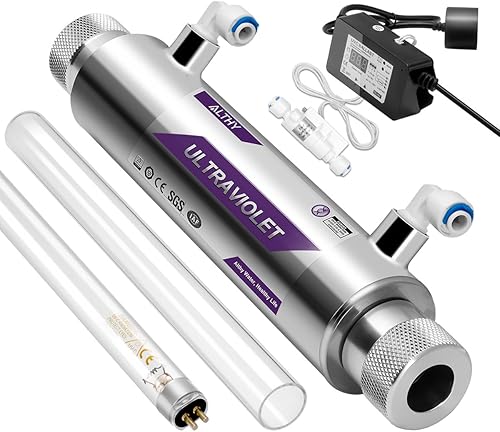
ALTHY UVF-FS11 with Smart Flow Sensor
This is our favorite upgrade pick. The smart flow sensor is a game-changer—it only turns the UV lamp on when water is flowing. This can potentially extend lamp life significantly. The Philips lamp and 304 stainless steel chamber feel like quality parts. We like this for retrofitting onto an existing best faucet filter or RO system. It’s a thoughtful, modern design.
- Flow sensor saves lamp life
- Quality Philips UV-C lamp
- Stainless steel construction
- Still no UV intensity monitor
- 11W is lower power than some
- Annual lamp replacement still needed
Waterdrop X8 9-Stage RO System
This is the luxury option, and it’s impressive. The 800 GPD flow rate means you’ll never wait for a glass of water. The 2:1 pure-to-drain ratio is best-in-class for efficiency. While it doesn’t have a UV stage built-in, we’re including it because its 9-stage filtration is so thorough, and it’s the perfect base to add a standalone UV unit like the ALTHY above. The NSF/ANSI 42 & 58 certifications are the gold standard.
- Extremely high flow rate (800 GPD)
- Exceptional 2:1 drain ratio
- Multiple NSF/ANSI certifications
- Premium price point
- No UV stage (requires separate unit)
- Large under-sink footprint

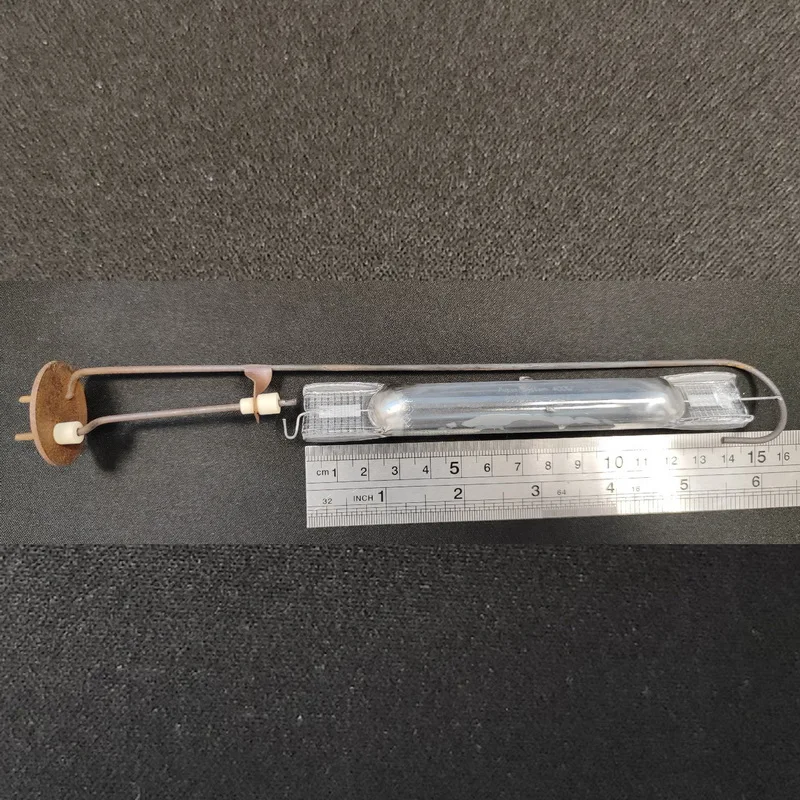
SUV32 UV Sensor for Water Treatment
This is a niche product for the serious DIYer or someone replacing a sensor in a commercial system. We’re including it because if you have a high-end whole-house UV unit, this replacement sensor could save you from buying an entirely new system. It’s not for beginners. You need to know your system’s specs and have the technical skill to install it. For 99% of homeowners, just buy a new lamp.
- Potential cost-saver for repairs
- Direct replacement part
- Very specialized, not for general use
- Requires technical knowledge
- No installation support
Frequently Asked Questions
- Does a UV water treatment system remove chlorine?
- No, it does not. UV light neutralizes living microorganisms but has no effect on dissolved chemicals like chlorine, chloramine, or VOCs. To remove chlorine and improve taste, you need a activated carbon water filter either before or after the UV stage.
- How often do I need to change the UV lamp?
- Most manufacturers recommend replacing the UV lamp every 12 months or after 9,000 hours of use. The lamp may still glow blue after this time, but its germicidal intensity will have dropped below effective levels. Always follow the specific replacement schedule for your model.
- Can I install a UV system myself?
- For a point-of-use (under-sink) system, yes. If you’re comfortable with basic plumbing—cutting into a cold water line and using push-fit connectors—it’s a 1-2 hour job. Whole-house systems are more complex and often require a professional plumber and electrician.
- Is UV treatment better than chlorination?
- They have different strengths. UV is more effective against chlorine-resistant parasites like Cryptosporidium and doesn’t create chemical byproducts. Chlorination provides a residual disinfectant that protects water as it travels through pipes. For home use, UV is often preferred for its taste and safety profile.
- What is the difference between NSF 55 Class A and Class B?
- Class A systems are designed to disinfect contaminated water (e.g., from a well) and must deliver a higher UV dose. Class B systems are for already-treated water (e.g., municipal supply) and provide supplemental disinfection. For well water, always choose a Class A certified system.
- Will a UV system make my water taste better?
- Not directly. It doesn’t remove taste-causing compounds. However, by killing bacteria and algae, it can eliminate musty or earthy tastes caused by biological growth. For improving taste, pair it with a carbon filter, which is excellent at removing chlorine and organic off-flavors.
- Do I need a UV system if I’m on city water?
- It’s not strictly necessary, but it’s a smart precaution. Municipal water is treated, but breaks in water mains or pressure drops can introduce contaminants. A UV system provides an extra barrier of protection, especially if you have a compromised immune system or are just cautious.
Final Thoughts
After years of testing, here’s our take: a UV water treatment system is one of the most valuable additions you can make to your home’s water setup, but only if you need it. If you’re on a well, have a known bacteria issue, or simply want absolute peace of mind for your family’s drinking water, it’s a no-brainer. Pair it with a good sediment filter and a carbon block, and you’ve got a world-class system.
For most people on treated city water, the priority should be a solid whole house lead removal or carbon filter system first. Add UV later if your budget allows or if your water report gives you pause. Start with the ALTHY flow sensor model if you’re adding to an existing setup, or go for the Geekpure all-in-one if you’re starting from scratch. Whatever you do, don’t skip the pre-filtration. Clear water is the key to UV success.
