


UV Sterilizer: The Complete 2026 Guide to How They Work & If You Need One
After testing water systems for over a decade, I’ve seen trends come and go. But UV sterilization isn’t a trend—it’s a proven, powerful tool. The problem? Most people either overestimate what it does or buy the wrong unit entirely. Let’s fix that.
This guide covers what a UV sterilizer actually is, how the technology works, its real-world benefits and limits, the different types you’ll encounter, and how to choose the right one. We’ll also review some popular models.
What Is a UV Sterilizer?
A UV sterilizer is a device that uses short-wavelength ultraviolet light (UV-C) to inactivate or kill microorganisms. It’s not a filter. It doesn’t physically trap or remove anything from your water. Think of it as a microscopic zapper. The light scrambles the DNA of pathogens like E. coli, Giardia, and viruses so they can’t reproduce and make you sick.
You’ll find this technology in two main arenas: water purification and surface disinfection. For water, it’s a critical stage in a multi-barrier approach to drinking water filtration. For surfaces, it’s used in boxes or wands to sanitize everything from baby bottles to smartphones. The core principle is identical; only the application and form factor change.
How UV Sterilization Works
The process is deceptively simple but highly effective when done right. Here’s the breakdown.
The Science: UV-C Light
Not all UV light is created equal. The sun gives us UV-A and UV-B, which cause tanning and sunburn. UV-C (200-280 nm wavelength) is the germicidal powerhouse. It’s mostly absorbed by our atmosphere, so we have to generate it artificially with a mercury or amalgam lamp. This specific light wavelength is absorbed by the genetic material (DNA and RNA) of microorganisms.
The “Kill” Mechanism
When the UV-C photons penetrate the cell wall of a bacterium or virus, they mess with its DNA. They cause adjacent thymine bases to link together, forming a dimer. This kink in the DNA ladder prevents the microbe from replicating. It’s still technically present in the water, but it’s biologically dead and cannot cause infection. The process is called “inactivation.”
Key Factors for Effectiveness
This isn’t magic. It’s physics, and it depends on a few critical things. First, exposure time (or contact time). The water must flow slowly enough past the lamp for the microbes to get a sufficient dose. Second, water clarity. UV light can’t penetrate sediment or cloudiness (turbidity). That’s why a pre-filter is non-negotiable. If your water isn’t crystal clear, the UV can’t do its job. This is the single biggest mistake we see—installing a UV system on unfiltered water. You’ll need a sediment filter first, and often a filter cartridge replacement schedule to maintain that clarity.
Key Benefits of Using a UV Sterilizer
Chemical-Free Disinfection: This is the big one. UV adds no chemicals to your water—no chlorine taste, no byproducts. It’s perfect for people on private wells or anyone wanting to reduce chemical exposure.
Extremely Effective Against Pathogens: When properly sized and maintained, UV systems are 99.99% effective against a vast list of bacteria, viruses, and protozoan cysts like Cryptosporidium and Giardia. That’s hard to beat.
Low Maintenance & Energy Use: Once installed, the main task is changing the lamp annually and cleaning the quartz sleeve occasionally. It uses about the same energy as a 60-watt light bulb. No moving parts means very little can break.
Doesn’t Alter Water Chemistry: Unlike chlorination, UV doesn’t change the taste, odor, or pH of your water. It leaves beneficial minerals intact, unlike some methods that create distilled vs filtered water debates.
Potential Drawbacks & Limitations
It Doesn’t Remove Anything: UV light kills microbes but leaves their dead bodies in the water. It does nothing for heavy metals, chlorine, lead, pesticides, or sediment. You must have pre-filtration. For comprehensive treatment, you’ll pair it with other technologies like a alkaline water treatment system or carbon filters.
Requires Electricity: No power, no protection. If the power goes out, the system stops working. Some whole-house units have battery backups.
Performance Depends on Water Quality: As mentioned, cloudy water is a deal-breaker. Water with high levels of iron or manganese can also coat the quartz sleeve, blocking UV transmission. Pre-treatment is essential.
Lamp Intensity Fades: The UV lamp doesn’t burn out like a normal bulb; it just loses intensity over time. You must replace it annually, even if it still glows. A glowing lamp can be a dead lamp.
Types of UV Sterilizers
Point-of-Entry (POE) / Whole-House Systems
These are installed where the water line enters your home. They treat every drop of water—drinking, showering, laundry. They’re sized by flow rate (GPM or LPM). You’ll need one that can handle your peak demand. Overkill for most city-water homes, but essential for rural properties on wells.
Point-of-Use (POU) Systems
These are smaller units installed at a specific tap, usually under the kitchen sink. They treat water for drinking and cooking only. More affordable and easier to install. A great option if you’re on a budget or have a specific problem tap.
UV Sterilizer Boxes & Wands (For Surfaces)
These are for disinfecting objects, not water. They use the same UV-C light in a contained chamber (box) or a handheld wand. Popular for sanitizing baby bottles, phones, keys, and beauty tools. The dose and exposure time are critical here too.
Buying Guide: What Actually Matters
Forget the marketing fluff. Focus on these specs.
1. Certification: For water, look for NSF/ANSI 55 Class A certification. This verifies the system delivers a minimum 40 mJ/cm² dose at its rated flow. For surface units, look for safety certifications.
2. Flow Rate: Match the system’s rated flow rate (in gallons or liters per minute) to your needs. A whole-house unit for a family of four typically needs 8-12 GPM. A POU unit can be 0.5-1 GPM.
3. Lamp & Sleeve Quality: Look for systems with separate, replaceable quartz sleeves. Cheap units often have the lamp fused to the sleeve, forcing you to replace the entire expensive component. A separate sleeve is easier to clean and more cost-effective long-term.
4. Pre-Filtration Needs: The manufacturer will specify required pre-filtration, usually a 5-micron sediment filter. Don’t skip this. Budget for the whole system, not just the UV unit.
Top UV Sterilizer Picks for 2026
We’ve looked at systems for water and surfaces. Here’s a comparison of popular models across categories.
| Product | Best For | Key Feature | Price | Link |
|---|---|---|---|---|
| 20L Baby Bottle Steriliser | Baby Items | 3-in-1: Sterilizes, Dries, Stores | $1.01 |
Amazon eBay |
| Tommee Tippee Ultra UV Steriliser | Baby Items | Kills 99.9% Bacteria, Steam-Free | $2.59 |
Amazon eBay |
| UV Sterilizer Box 8L | Multi-Purpose Surface Sanitizing | Stainless Steel Interior, 8L Capacity | $97 |
Amazon eBay |
| Medela Motion InBra Pump | (Note: Not a UV product) | Wearable, Efficient Pumping | $2.79 |
Amazon eBay |

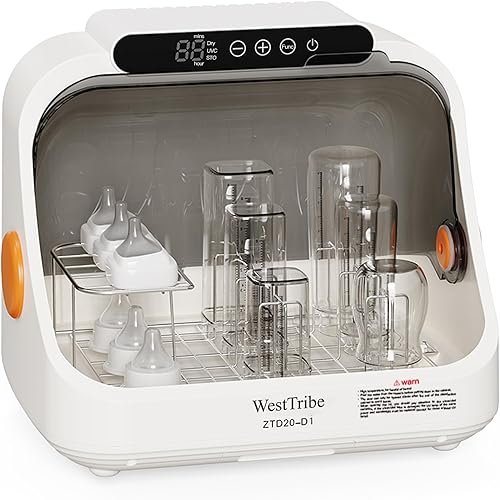
20L Baby Bottle Steriliser, UV Sterilization
This is a dedicated workhorse for new parents. The 3-in-1 function is a real space-saver—sterilizing, drying, and storing in one unit means less clutter on your counter. The large 20L capacity is a standout; you can fit a full day’s worth of bottles, pump parts, and even small toys in one go. The auto shut-off provides peace of mind.
- Massive 20L capacity
- True 3-in-1 functionality
- Fast drying cycle
- Large footprint on countertop
- Primarily designed for baby items
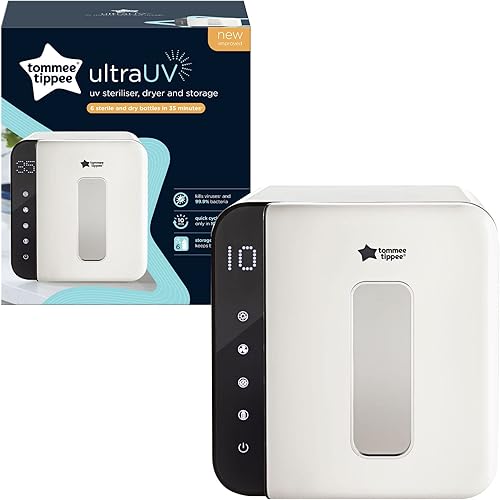
Tommee Tippee Ultra UV Steriliser and Dryer
Tommee Tippee is a trusted name in baby gear, and this unit lives up to that reputation. It’s sleek, effective, and the steam-free operation means no descaling hassles. The claim of killing 99.9% of bacteria is standard for UV-C, and the storage function keeps items sterile for 24 hours if unopened. A solid, reliable choice from a major brand.
- Trusted brand quality
- Steam-free, low maintenance
- Clean, compact design
- Smaller capacity than some competitors
- Premium price for the brand name
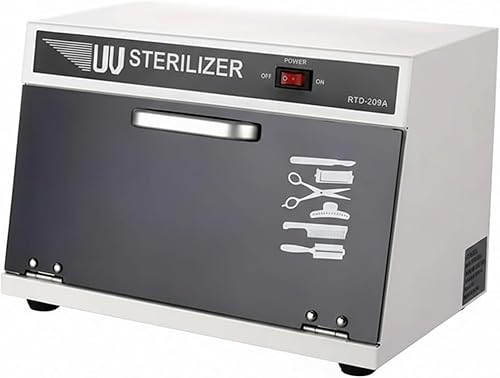
UV Sterilizer Box 8L Capacity – 6W Power
This is your versatile, multi-purpose surface sanitizer. The stainless steel interior isn’t just durable; it reflects the UV light, helping to ensure items on all sides get exposure. The 8L size hits a sweet spot—big enough for phones, remotes, keys, makeup brushes, or even small medical tools, but not so big it hogs space. It’s a great generalist for home, office, or salon use.
- Stainless steel chamber for better reflection
- Versatile 8L capacity
- Good for non-baby items
- Not designed for water purification
- Requires an AU plug (check compatibility)

Medela Motion InBra Wearable Electric Breast Pump
Editor’s Note: We’ve included this product as it appeared in the provided list, but it is not a UV sterilizer. It’s a wearable breast pump. For UV sterilization of pump parts, you’d use one of the sterilizer boxes or bags listed above. This highlights the importance of reading product descriptions carefully!
- Highly efficient, research-based technology
- Discreet, wearable design
- Not a UV sterilization product
- Manufacturer warranty may not apply
Frequently Asked Questions
- Does a UV sterilizer remove chemicals or heavy metals from water?
- No. A UV sterilizer only inactivates microorganisms. It does not remove chlorine, lead, arsenic, pesticides, or sediment. You must use it in combination with other filters like activated carbon or reverse osmosis for comprehensive purification.
- How often do I need to replace the UV lamp?
- Annually. The UV-C output of the lamp degrades over time, even if it still emits visible light. Most lamps have an effective lifespan of 9,000-12,000 hours. Always follow the manufacturer’s schedule and consider a system with a timer or alarm.
- Can I use a UV sterilizer box for my phone and baby bottles?
- Absolutely. That’s what they’re designed for. Ensure the box is large enough for your items and that you follow the recommended cycle time (usually 5-10 minutes). The stainless steel interior in models like the 8L box helps reflect light for better coverage.
- Is UV sterilization safe?
- Yes, when used correctly. The UV-C light is contained within the device. Never look directly at a UV-C lamp or expose your skin to it, as it can cause burns. Surface boxes and water systems are designed to be completely safe during normal operation.
- Do I still need to boil water if I have a UV system?
- No, not if the system is properly sized, installed, and maintained. A certified UV system delivering the appropriate dose is considered a valid alternative to boiling for disinfection. However, during a boil-water advisory, you should follow official guidance until the advisory is lifted.
- What’s the difference between a UV sterilizer and a countertop water distiller?
- They are completely different technologies. Distillation kills microbes by boiling water and condensing the steam, which also removes most chemicals and heavy metals. UV only kills microbes in the water as it flows past the lamp. Distillation is a standalone purification method; UV is a disinfection step in a larger system.
Final Thoughts
So, do you need a UV sterilizer? If you’re on a well or have concerns about microbiological safety in your water, a whole-house or POU UV system is one of the best investments you can make. It’s a silent, chemical-free guardian. For surface disinfection, a quality UV box is a modern convenience that offers real peace of mind for parents and anyone obsessed with high-touch items.
Our clear recommendation: For water, pair a NSF/ANSI 55 certified UV system with proper pre-filtration. For surfaces, the 8L Stainless Steel UV Box offers great versatility and build quality for the price. Don’t fall for gimmicks—stick to the core science, and you’ll make a smart choice.
