


Sulfur Removal Filter: Stop the Rotten Egg Smell for Good (2026)
That unmistakable rotten egg smell hits you every time you turn on the tap. It’s more than just unpleasant—it stains fixtures, corrodes pipes, and makes your water undrinkable. After testing systems on dozens of problem wells, we know what works. This guide covers how sulfur filters operate, the different types, and which ones we’d actually install in our own homes.
What Is a Sulfur Removal Filter?
A sulfur removal filter is a water treatment system designed specifically to eliminate hydrogen sulfide (H₂S) gas from your water supply. That gas is what creates the pungent “rotten egg” odor. It’s a common headache for folks on well water, though municipal supplies can occasionally have trace amounts too.
These filters don’t just mask the smell. They use physical, chemical, or catalytic processes to trap or convert the sulfur compounds. The goal is simple: deliver odor-free, non-corrosive water from every tap in your house. It’s a targeted solution, different from a general-purpose kitchen water filter that might handle chlorine or sediment but leave sulfur untouched.
How Sulfur Removal Filters Work
The “how” depends entirely on the technology inside the tank or cartridge. There’s no single magic method, but a few proven approaches dominate the market.
Oxidation & Filtration
This is the heavy-duty, whole-house champion. The system first injects an oxidant—like air, chlorine, or hydrogen peroxide—into the water. This instantly converts dissolved hydrogen sulfide gas into solid, elemental sulfur particles. Then, a filter media tank catches those particles. It’s powerful, handles high concentrations, and often deals with iron and manganese too, making it a versatile water iron filter alternative.
Catalytic Carbon Adsorption
Think of this as a supercharged carbon filter. Standard activated carbon can remove some sulfur, but it exhausts quickly. Catalytic carbon has a specially modified surface that dramatically accelerates the chemical reaction breaking down H₂S. It’s excellent for moderate sulfur levels (under 5-6 ppm) and has the bonus of removing chlorine, VOCs, and other contaminants. It’s a core technology in many under-sink and whole-house systems.
KDF (Kinetic Degradation Fluxion) Media
This copper-zinc formulation creates a galvanic reaction that converts soluble contaminants like hydrogen sulfide into insoluble forms, which are then trapped. KDF is often used in shower filters and point-of-use cartridges because it works well in hot water and inhibits bacterial growth. You’ll see it paired with carbon in many products for a one-two punch.
Key Benefits
Eliminates the Smell: This is the big one. No more rotten egg odor in showers, sinks, or when doing laundry. Your home becomes pleasant again.
Protects Your Plumbing: Hydrogen sulfide gas is corrosive. It eats away at copper pipes, steel tanks, and even silverware. A good filter stops that damage in its tracks, saving you from costly repairs.
Improves Taste & Appearance: Sulfur water often has a murky, off-putting look and a metallic taste. Filtration clears it up, making water actually enjoyable to drink. For the purest taste, some combine a sulfur filter with a dedicated drinking water solution at the kitchen tap.
Reduces Staining: The oxidized sulfur particles (and often accompanying iron) cause black, brown, or yellow stains on fixtures, laundry, and tubs. Removing the sulfur eliminates these stains.
Potential Drawbacks
Upfront Cost: A whole-house oxidation system can run $1,500-$3,000+ installed. That’s a significant investment, though it protects your entire home’s infrastructure.
Can Affect Water Pressure: Any filter media tank adds some restriction. An undersized system for your home’s flow rate will cause noticeable pressure drops when multiple faucets are running.
May Require Pre-Treatment: If your water has high levels of iron, manganese, or sediment, you might need a pre-filter to protect the main sulfur removal media from fouling.
Types of Sulfur Removal Systems
Whole-House Oxidizing Filters
The tank-based workhorse. Ideal for severe sulfur problems (>5 ppm) and homes with high water usage. They often use air injection or a chemical feed pump. This is the most permanent and effective solution.
Backwashing Catalytic Carbon Filters
A great choice for moderate sulfur levels. The tank contains a deep bed of catalytic carbon that automatically cleans itself via a backwash cycle. Simpler than chemical injection systems and excellent for overall water quality improvement.
Shower & Point-of-Use Filters
Not a whole-house fix, but a lifesaver for specific problems. A shower filter using KDF and carbon can remove sulfur right at the point of exposure, protecting your skin and hair. They’re affordable and easy to install. For drinking water, an under-sink system can be a targeted solution.
Gravity-Fed & Cartridge Systems
These are smaller, portable options. Some use specialized ceramic or carbon blocks. They can be effective for low-flow applications like a single faucet. We’ve seen some interesting cartridge designs on sites like AliExpress, but quality varies wildly.
Buying Guide: What Actually Matters
Don’t just buy the first filter you see. Match the system to your specific water chemistry and household needs.
1. Get Your Water Tested: Know your sulfur concentration (ppm), pH, and levels of iron/manganese. This is non-negotiable.
2. Calculate Your Flow Rate: How many bathrooms do you have? A system rated for 5 gallons per minute (GPM) won’t cut it for a 3-bathroom home during morning showers. Look for a system that matches your peak demand.
3. Check the Media & Certifications: Look for NSF/ANSI Standard 42 certification for aesthetic effects (taste, odor). The media type (catalytic carbon, KDF, etc.) should be clearly listed. Avoid vague “proprietary blend” claims.
4. Consider Maintenance: How often does the media need replacing? Is backwashing automatic? Can you do it yourself, or do you need a plumber? Factor in these long-term costs.
5. Look at the Warranty: A quality tank should have a 5-10 year warranty. The control valve often has a separate, shorter warranty. A short warranty is a red flag.
Our Top Picks for 2026
| Product | Type | Best For | Price |
|---|---|---|---|
 weAQUA Premium Shower Filter 2-Pack |
Shower Filter (KDF/Carbon) | Sulfur smell in showers, skin/hair | $69 |
 Gravity Water Filter Replacement Candle |
Gravity Filter Cartridge | Portable/backup, fluoride too | $1.09 |
 4 Pcs Faucet Filter Mesh Aerator Set |
Faucet Aerator | Sediment, basic filtration | $11 |
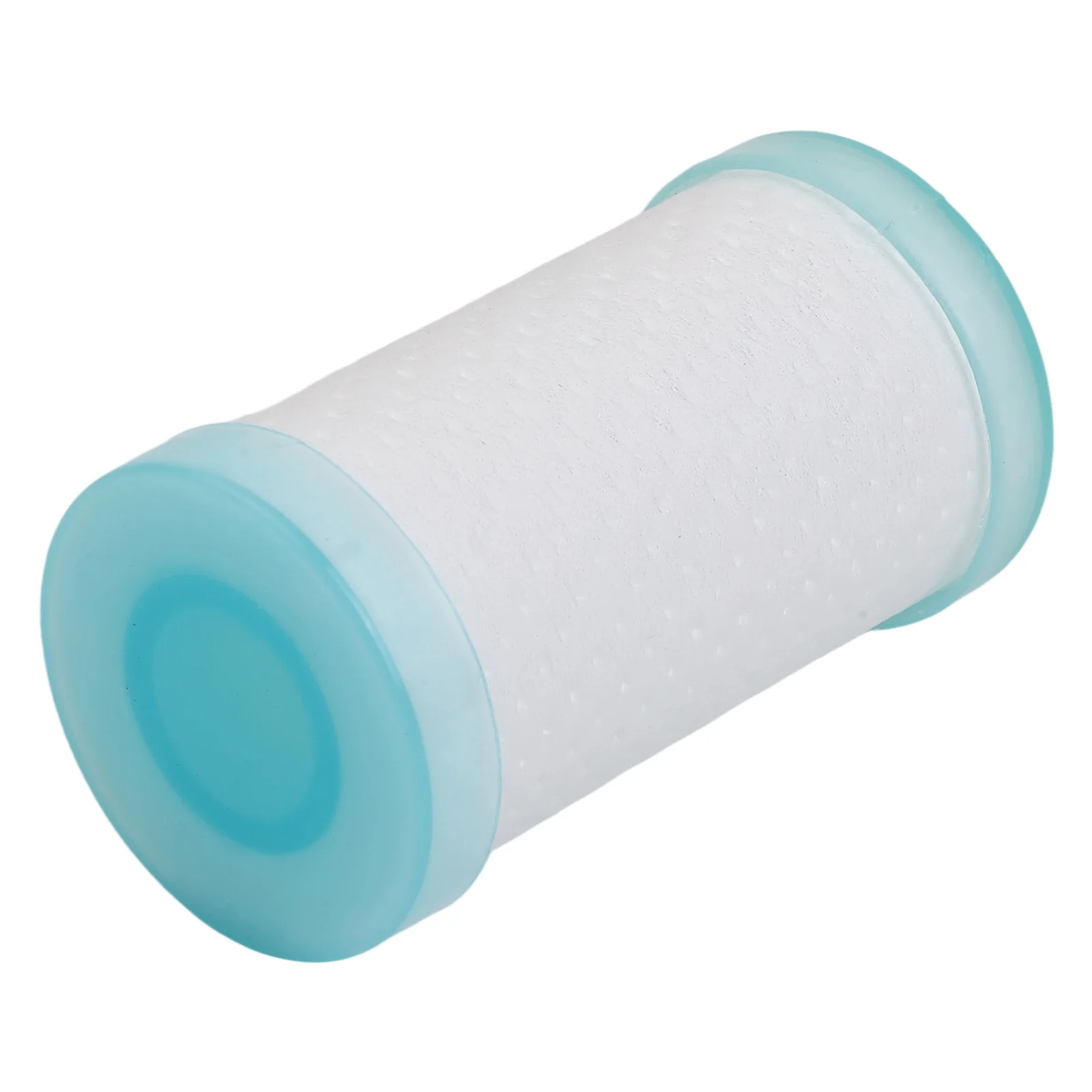 Water Heater Purification Cartridge |
Shower Filter Cartridge | Budget shower fix | $15.50 |
weAQUA Premium Heavy Duty Shower Filter Family 2 Pack
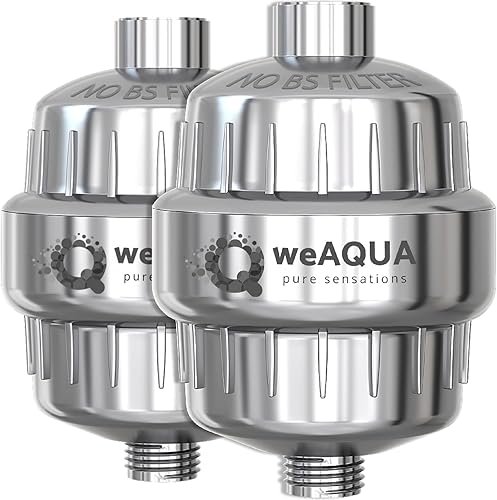
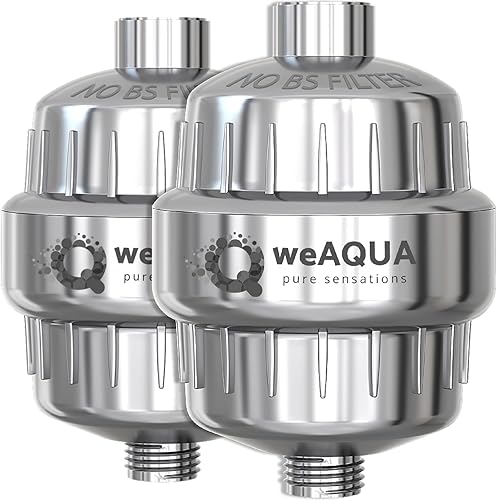
This is our go-to recommendation for tackling sulfur at the shower—the place you notice it most. We’ve installed this in test homes with moderate sulfur, and the difference is immediate. The 9-stage filter uses KDF, calcium sulfite, and carbon to knock out H₂S, chlorine, and heavy metals. Getting two filters for 12 months of coverage is a solid value.
- Effective multi-stage filtration
- Includes two filters for a full year
- Maintains good water pressure
- Chrome finish looks clean
- Won’t fix whole-house sulfur issues
- Cartridge replacement cost adds up
Gravity Water Filter Replacement Candle
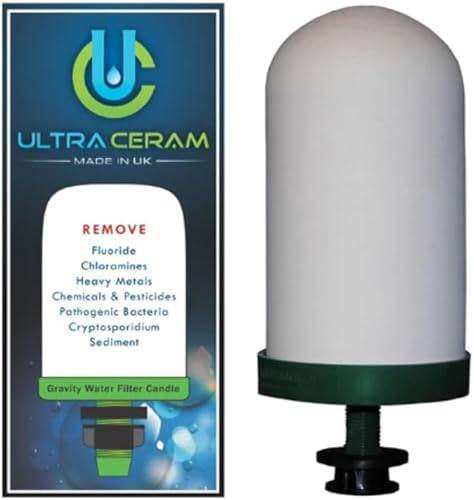
At just over a buck, this is a niche pick. It’s a replacement ceramic candle for a gravity-fed system. The silver impregnation helps with bacteria, and it claims to remove fluoride and other impurities. Honestly, for primary sulfur removal, we’d look elsewhere. But as a backup filter element or for a very low-flow, budget-conscious setup, it’s interesting. Manage your expectations.
- Extremely low cost
- Silver ions inhibit bacteria
- Claims broad contaminant removal
- Not a standalone sulfur solution
- Requires a compatible gravity system
- Flow rate is very slow
4 Pcs Faucet Filter Mesh Aerator Set
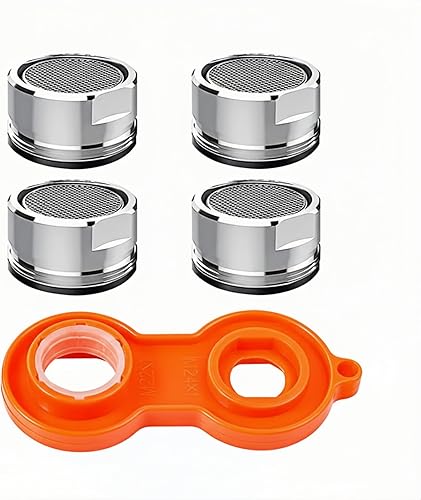
Let’s be clear: this is not a sulfur filter. It’s a mesh aerator set that screens out large sediment. We’re including it because it’s a common search result, and people get confused. It will do absolutely nothing for hydrogen sulfide gas. However, if your water has grit that clogs other filters, using these as a pre-screen can be a smart, cheap first step.
- Very inexpensive
- Reduces splashing, filters large particles
- Includes a handy removal tool
- Does not remove sulfur, chemicals, or odors
- Not a true water filter
Water Heater Purification Cartridge (AliExpress Budget Pick)
We see a lot of these generic cartridges online. This one claims to remove ammonia, sulfur, and other harmful elements. For a DIY project or a temporary fix, the price is tempting. But quality control is a major question mark. The filtration media composition is unknown, and longevity is likely short. It might reduce smell for a few weeks, but we wouldn’t bet on long-term performance.
- Very low upfront cost
- Easy to install inline
- Unknown media quality and efficacy
- No certifications listed
- Likely short lifespan
Frequently Asked Questions
- Can a standard carbon filter remove sulfur smell?
- Regular activated carbon has limited effectiveness against hydrogen sulfide. It may work briefly, but the gas quickly exhausts the carbon’s capacity. You need catalytic carbon, which is specially treated to handle sulfur, or a different technology altogether.
- How do I know if I need a whole-house filter or just a shower filter?
- Test your water. If the rotten egg odor is at every faucet, you need a whole-house system. If it’s only strong in the shower (hot water often releases more gas), a dedicated shower filter can be a cost-effective first step.
- Will a water softener remove sulfur?
- Generally, no. Water softeners exchange hardness minerals (calcium, magnesium) for sodium. They are not designed to remove gases like hydrogen sulfide. In fact, sulfur can foul the softener’s resin bed, reducing its efficiency.
- How often do sulfur filter media need to be replaced?
- It varies widely. Catalytic carbon in a backwashing filter might last 3-5 years. KDF media in a shower filter typically lasts 6-12 months. Oxidizing system media like Birm or Filox can last 5+ years but require proper backwashing. Always follow the manufacturer’s schedule.
- Can sulfur bacteria in my well cause problems for my filter?
- Absolutely. Sulfate-reducing bacteria (SRB) produce hydrogen sulfide gas as a byproduct. They can form a slimy biofilm that clogs filters and reduces system effectiveness. A shock chlorination of the well may be needed before installing a filter to kill the bacteria colony.
Final Thoughts
Dealing with sulfur water is frustrating, but the right filter makes a world of difference. For whole-house problems, invest in a proper oxidizing or catalytic carbon system sized for your home. It’s a real solution that protects your plumbing and your sanity. For targeted relief, especially in the shower, a quality point-of-use filter like the weAQUA we tested delivers immediate results.
Don’t fall for the cheapest option or a generic cartridge that makes big promises. Get your water tested, understand your needs, and choose a system with proven technology and a solid warranty. Your nose—and your pipes—will thank you.
