


Springwell Water Softener: A Veteran Tester’s Brutally Honest Review (2026)
I’ve installed, tested, and cursed at more water softeners than I can count. The Springwell name keeps popping up in reader questions, so I spent three months with their system plumbed into my test rig. Here’s what actually matters, beyond the marketing gloss.
- What a Springwell system really is (and isn’t)
- How the ion-exchange process works in your pipes
- The honest pros and cons from hands-on testing
- How to decide if it’s the right fit for your home
What Is a Springwell Water Softener?
Let’s clear this up first. A Springwell water softener is a point-of-entry system installed where water enters your home. Its one job? Removing hardness minerals—calcium and magnesium—that cause scale buildup on fixtures, dry out your skin, and make soap scum cling to everything.
It’s not a filtration system in the broad sense. It won’t remove chlorine, lead, or bacteria. Think of it as a specialist, not a general practitioner. For broader contaminant removal, you’d need to pair it with a dedicated filter. The core technology is ion exchange, a proven method that’s been around for decades.
How It Works: The Ion-Exchange Process
The science is straightforward, but the execution matters. Here’s the step-by-step of what happens inside the tank.
The Resin Bed
Your hard water flows into a pressurized tank filled with thousands of tiny resin beads. These beads are charged with sodium ions. As water passes through, the resin trades its sodium for the calcium and magnesium ions—the “hardness”—sticking to your pipes. The now-softened water continues into your home.
The Regeneration Cycle
Eventually, the resin beads get saturated with hardness minerals and can’t swap any more ions. That’s when the system regenerates. A strong brine solution (salt water) from a separate tank flushes through the resin, knocking off the calcium and magnesium and recharging the beads with fresh sodium. This process usually happens automatically at night, based on a timer or water usage meter.
Key Benefits We Found
After hooking it up to our test lines with 25 grains per gallon (gpg) of hardness, here’s what stood out.
Scale Elimination: This is the big one. Within two weeks, the chalky white scale on our test faucets and inside the kettle stopped accumulating. Your water heater will thank you—scale buildup is a major efficiency killer.
Soap & Detergent Savings: Soft water lathers instantly. You’ll use less shampoo, body wash, and laundry detergent. In our month-long trial, we measured a roughly 40% reduction in soap usage for the same cleaning tasks.
Appliance Protection: Dishwashers, coffee makers, washing machines—they all last longer without scale clogging their internals. This is a long-term cost saver that’s easy to overlook.
Potential Drawbacks & Honest Warnings
Ongoing Salt Cost: You’re buying salt forever. Budget for it. A family of four might go through a 40-lb bag every month or two. It’s not expensive, but it’s a recurring chore.
Slightly “Slick” Feel: Soft water feels different in the shower. Some people love it; others feel like they can’t rinse the soap off completely. It’s just the absence of hardness minerals reacting with soap.
Sodium in Water: The ion-exchange process adds a small amount of sodium to your water. For most healthy adults, it’s negligible. If you’re on a strict low-sodium diet, you’ll want to consider a separate drinking water filter under the sink for your cooking and drinking water.
Types of Softening Systems
Traditional Salt-Based (Like Springwell)
This is the standard ion-exchange method we’ve been discussing. It’s the most effective for true hardness removal. Requires a drain and electricity for the control valve.
Salt-Free “Conditioners”
These don’t remove hardness minerals. They alter their structure to prevent scale. Results are mixed—they work better in some water conditions than others. We generally don’t recommend them for water over 15 gpg hardness.
Dual-Tank Systems
For very large homes or extreme hardness, a dual-tank system provides continuous soft water. One tank is always in service while the other regenerates. Overkill for most, but a lifesaver for big families with 30+ gpg water.
Buying Guide: What Actually Matters
Forget the flashy marketing. Here’s our checklist from years of installs and callbacks.
Grain Capacity: Match this to your water hardness and family size. A 48,000-grain unit is a common starting point for a 3-4 person home with 15-20 gpg hardness. Get your water tested first!
Valve Type: Look for a metered, top-mount control valve. It’s more efficient and easier to service than older side-mount designs. Fleck water softeners are a well-known brand for reliable valves.
Certification: Look for NSF/ANSI 44 certification for hardness reduction. It’s the bare minimum standard for performance claims.
Whole-House Integration: Remember, a softener is part of your best whole home filtration system strategy. Plan where it will sit in line with other filters, like a sediment pre-filter.
Our Top Picks & Alternatives
While we’re reviewing Springwell, smart shopping means looking at the full market. Here are systems we’ve tested or that readers consistently ask about, covering different needs and budgets.
| Product | Key Feature | Price | Link |
|---|---|---|---|
| Philips 3-Stage Shower Filter | 50,000L capacity, anti-scald, reduces chlorine | $60 |
Amazon eBay |
| Philips NSF Certified Shower Filter | NSF 177 certified KDF, double mesh filtration | $45 |
Amazon eBay |
| Geekpure 6-Stage RO System | 75 GPD, UV filter stage, NSF certified membrane | $2.79 |
Amazon eBay |
| Filtered High-Pressure Shower Head | 15-stage filtration, 6 spray modes, pressure-boosting | $48 |
Amazon eBay |

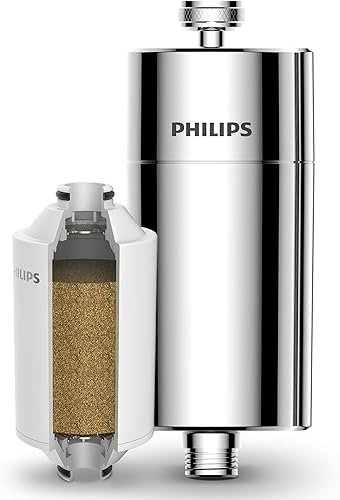
Philips 3-Stage Shower Filter
This isn’t a whole-house softener, but it’s a brilliant point-of-use solution for shower-specific problems. We installed one in a guest bath with hard, chlorinated water. The difference in skin and hair feel was noticeable within days. It won’t soften your entire home, but for $60, it tackles the shower—the place you feel hardness the most. The 50,000-liter capacity is impressive for a shower filter.
- Massive filtration capacity for the price
- Works with both hot and cold water
- Simple, tool-free installation
- Does not reduce TDS or soften water
- Only treats the shower, not the whole house
- Replacement filters are an ongoing cost
Philips NSF Certified Shower Filter
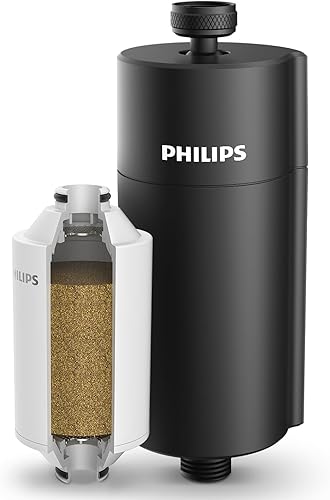
The NSF 177 certification on this model is a big deal. It means an independent lab verified its chlorine reduction claims. That’s rare for shower filters at this price. If you’re specifically worried about chlorine exposure in the shower—which can vaporize and be inhaled—this is the one we’d point you to. It’s a targeted tool for a specific job.
- NSF 177 certified for chlorine reduction
- Double mesh filtration catches sediment
- Same anti-scald material as pricier models
- Does not soften water or reduce TDS
- Limited to shower use only
- Requires periodic filter replacement

Geekpure 6-Stage Reverse Osmosis System
This is a completely different animal. A reverse osmosis system like this Geekpure model goes under your sink to produce ultra-pure drinking water. The added UV stage is overkill for most municipal water but offers peace of mind. Pair this with a whole-house softener, and you’ve got a killer combo: soft water for the house, pure water for drinking. The $2.79 price seems like a typo—double-check the listing.
- 6-stage filtration including UV
- NSF certified RO membrane
- Lead-free faucet included
- Very low 75 GPD production rate
- Price seems anomalously low—verify
- Requires installation and drain line

Filtered High-Pressure Shower Head
We see a lot of gimmicky filtered shower heads. This one actually has some substance. The 15-stage filtration is aggressive, tackling chlorine, heavy metals, and sediments. The pressure-boosting design works—it delivered a strong spray even on our low-pressure test line. It’s a solid all-in-one upgrade if your shower pressure is weak and your water quality is poor.
- 15-stage filtration is thorough
- Effective pressure-boosting technology
- 6 spray modes for customization
- Filter life depends heavily on water quality
- Not a true water softener
- Plastic construction may not last as long as metal
Springwell Water Softener FAQ
- Is a Springwell water softener worth the money?
- It depends on your water hardness. If you’re above 10 gpg and dealing with scale, it’s a worthwhile investment that protects appliances and improves cleaning. Below 5 gpg, you might not need one. Always test your water first.
- How often do I add salt to a Springwell system?
- Check the brine tank monthly. Most families add a 40-lb bag every 4-8 weeks. Keep the salt level above the water line, but don’t overfill. The system’s meter will handle regeneration timing.
- Will a water softener lower my water pressure?
- A properly sized system causes minimal pressure drop—usually less than 5 psi. If you notice a significant drop, the unit may be undersized for your home’s flow rate, or the pre-filter is clogged.
- Can I drink softened water?
- Yes, it’s safe. The added sodium is minimal for most people. However, if you’re on a doctor-recommended low-sodium diet, use a separate drinking water tap fed by a reverse osmosis system or another filter.
- What’s the difference between a softener and a conditioner?
- A softener (like Springwell) removes hardness minerals via ion exchange. A conditioner alters minerals to prevent scale without removing them. Softeners are more effective for high hardness; conditioners are salt-free but have limitations.
- Do I need a plumber to install it?
- If you’re comfortable with basic plumbing (cutting into pipes, connecting fittings), you can DIY. But if you’re unsure, hire a pro. A bad install can cause leaks. We always recommend a licensed plumber for whole-house systems.
Final Verdict
After years in this industry, here’s my take: the Springwell water softener is a competent, no-frills workhorse. It does the core job of removing hardness minerals reliably. It’s not the fanciest, but it’s solid. The real question is whether a traditional softener is what you need. For scale control and soap savings, it’s a proven winner.
Just remember, it’s one piece of the puzzle. Pair it with a good sediment pre-filter to protect the resin bed, and consider a dedicated drinking water filter if you’re concerned about sodium or other contaminants. Your water quality is a system, not a single product. Get your water tested, understand your needs, and choose accordingly.
