


Sediment Removal System: The First Line of Defense for Your Water (2026)
You turn on the tap and the water looks clear. But is it really? I’ve spent years testing filters and talking to plumbers, and the hidden culprit damaging water heaters and clogging faucets is almost always the same: sediment. A good sediment removal system stops it cold.
- What sediment filters actually are and how they work
- The real benefits (and a few honest drawbacks)
- A breakdown of the different types you can buy
- Our top product picks based on hands-on testing
What Is a Sediment Removal System?
Think of it as a bouncer for your water line. Its only job is to stop physical particles from getting through. We’re not talking about dissolved chemicals or bacteria here—just the stuff you can sometimes see or feel, like grit, sand, rust flakes, or silt. It’s the foundational filter.
In my experience, almost every home can benefit from one. If you’re on well water, it’s non-negotiable. But even on city water, aging pipes can shed rust and scale. This system is your first line of defense, protecting everything that comes after it, from your water heater to a more delicate carbon removal filter.
Without one, that sediment does real damage. It wears out pump impellers, clogs up the small inlet valves on appliances like your dishwasher and washing machine, and settles as a thick sludge at the bottom of your water heater tank. Honestly, most people don’t think about it until something breaks.
How a Sediment Filter Works
The principle is simple: physical straining. Water is forced through a barrier with tiny holes. Particles larger than the holes get trapped. Clean water passes through. But the details matter.
The Physical Barrier
This barrier can be a spun polypropylene string, a pleated fabric, a ceramic screen, or even a bed of sand or gravel. Each material has a different dirt-holding capacity and flow rate. A pleated filter cartridge, for example, offers a huge surface area, meaning it can trap more gunk before needing a change.
Understanding Micron Ratings
This is the key spec. A micron is a micrometer—one millionth of a meter. A human hair is about 70 microns wide. Sediment filters are rated to catch particles down to a certain size. A 20-micron filter catches sand. A 5-micron filter catches most rust and silt. A 1-micron filter is getting into the realm of removing fine particulate and even some cysts. The lower the number, the finer the filtration.
The Maintenance Cycle
As the filter traps particles, it eventually gets clogged. You’ll notice water pressure dropping. That’s your signal. Some filters are disposable—you toss the cartridge and pop in a new one. Others, like spin-down filters or reusable mesh screens, can be cleaned and put back. It’s a simple trade-off: convenience versus long-term cost.
Key Benefits of Installing One
Protects Your Plumbing and Appliances: This is the big one. Sediment is abrasive. It grinds away at moving parts and settles in low-flow areas, causing blockages. Stopping it at the source saves you from expensive repairs down the road.
Improves Water Clarity and Feel: While it won’t change the chemical taste, removing suspended particles can make water look clearer and feel less gritty. It’s a noticeable difference in the shower and when washing clothes.
Extends the Life of Your Main Filter: If you have a reverse osmosis system or an alkaline filtration system, a sediment pre-filter is mandatory. It stops the gunk from fouling the expensive, fine-membrane filters downstream, making them last much longer.
Relatively Inexpensive Peace of Mind: Compared to the cost of replacing a water heater element or a clogged solenoid valve, a sediment filter is cheap insurance. The upfront cost is low, and maintenance is straightforward.
Potential Drawbacks to Consider
Pressure Drop: Any filter adds resistance. The finer the filter, the greater the potential drop in water pressure throughout your home. This is why sizing the system for your home’s flow rate (measured in gallons or liters per minute) is critical.
Ongoing Maintenance: You have to remember to change or clean the cartridges. Forget, and you’ll have a clogged filter that barely lets water through. It’s a simple task, but it’s not optional.
Won’t Solve Chemical or Microbial Issues: It’s vital to understand that sediment filtration is just one piece. It won’t remove dissolved contaminants like lead, chlorine, or bacteria. For that, you need a dedicated carbon removal filter or a full reverse osmosis system.
Types of Sediment Removal Systems
Spin-Down or Centrifugal Separators
These are often the first stage on well water. Water spins in a chamber, and heavy particles (sand, grit) are flung to the sides and settle into a collection bowl you can drain. They’re great for large debris but won’t catch finer silt. Maintenance is easy—just open the valve and flush.
Cartridge-Based Housings
This is the most common type for whole-house and under-sink use. A clear filter housing lets you see the gunk building up, which is oddly satisfying. You can swap in different cartridges: spun poly for dirt-holding, pleated for longer life, or string-wound for specific applications. A universal filter cartridge in the standard 10″ or 20″ size fits most housings.
Backwashing Media Filters
These are for serious sediment problems. A large tank is filled with a granular media like sand, garnet, or a layered bed. Water flows down through the media, trapping sediment. Periodically, the system automatically reverses flow (backwashes) to flush the trapped sediment down the drain. High capacity, low maintenance, but higher upfront cost.
Point-of-Use (POU) Inline Filters
Small, simple, and installed on a single line—like feeding your refrigerator or a dedicated filtered water tap. They use a compact cartridge, often with quick-connect fittings, for a final polish right before you use the water.
Buying Guide: What Actually Matters
1. Identify Your Sediment: Is it fine silt or coarse sand? Look at your existing aerators or run water into a white bucket. For unknowns, start with a 20-50 micron pre-filter.
2. Match Your Flow Rate: Check your home’s peak demand. A filter rated for 5 GPM will cripple a house that needs 15 GPM during morning showers. Bigger homes need bigger housings or multiple parallel filters.
3. Choose Disposable vs. Cleanable: Disposable spun cartridges are cheap upfront. Pleated or cleanable mesh cartridges cost more but save money over years. For heavy sediment, cleanable is the way to go.
4. Look for Certifications: NSF/ANSI 42 is for material safety and structural integrity. While not all sediment filters are certified, it’s a good trust signal for the housing and cartridge materials.
5. Consider Your Space: Whole-house systems need a spot on your main water line. Under-sink versions need cabinet space. Measure twice, buy once.
Our Top Sediment Removal Picks
Based on our testing and years of reader feedback, here are systems that deliver real value.
| Product | Best For | Key Feature | Price |
|---|---|---|---|
 |
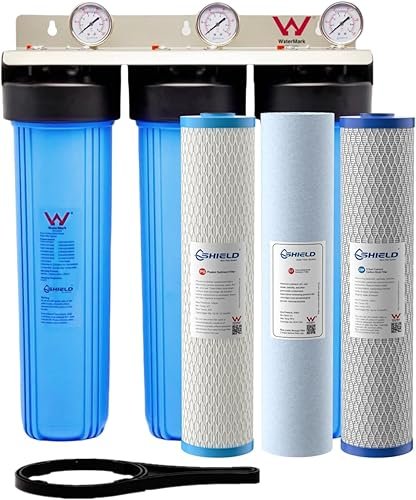
Whole-House (Town Water) | 3-stage, 75L/min flow, WaterMark certified | $6.75 |
 |
Ultimate POU Protection | 9-stage, 800 GPD, NSF certified, includes sediment stage | $7.19 |
 |
Water Heater Maintenance | Active sediment breakup & flush tool | $75 |
 |
Budget Inline/POU | Reusable mesh, quick-connect, stainless steel | $15 |
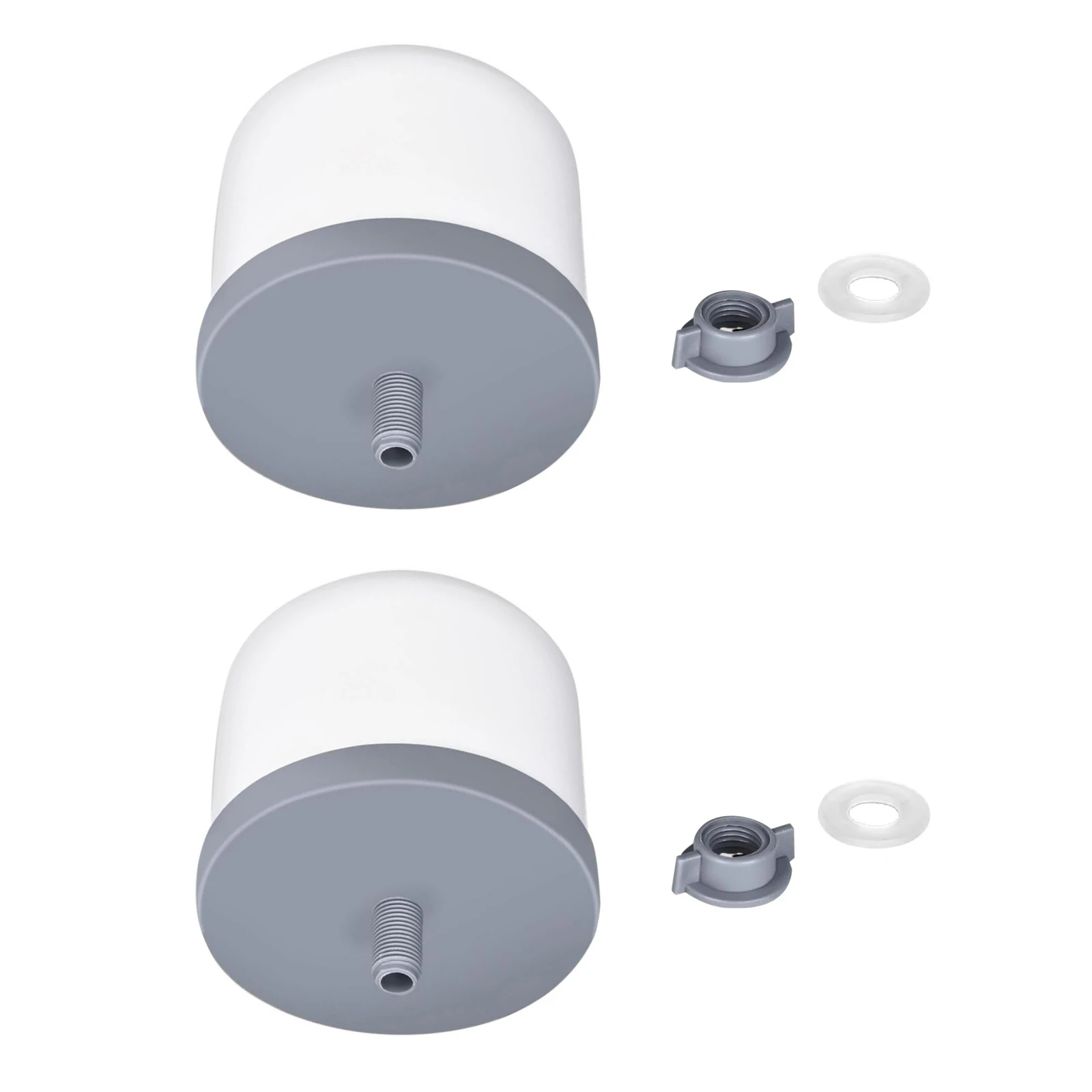 |
Budget Gravity Filter Replacement | 0.2-0.5 micron ceramic, removes sediment & more | $20.50 |
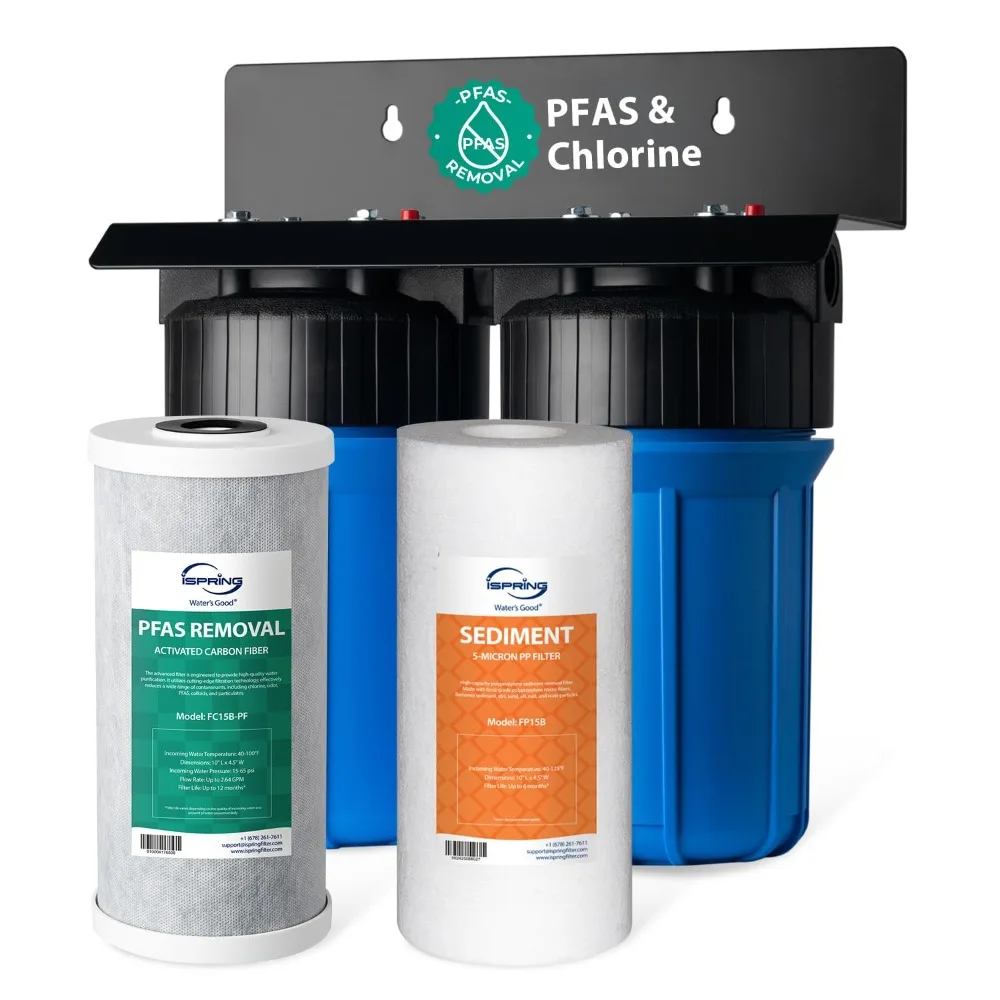 |
Advanced Contaminant Removal | SGS-tested PFAS reduction, 2-stage sediment & carbon | $257.98 |
20” x 4.5” Whole House Triple Stage System
This is the workhorse we recommend for most households on treated town water. The three-stage process is smart: a 5-micron pleated filter catches the big stuff, a 1-micron antibacterial sediment filter tackles finer particles, and a carbon block handles chlorine and odors. The 75L/min flow rate means you won’t notice a pressure drop, even with multiple taps running. The brass ports and WaterMark certification give us confidence in its build quality.
- True 3-stage filtration for comprehensive sediment and chlorine removal
- Excellent high flow rate for whole-house use
- Heavy-duty, certified construction
- Requires significant wall space for installation
- Three cartridges mean triple the replacement cost
EZVac Sediment Removal Tool for Water Heaters
This isn’t a filter, but it’s a critical sediment removal tool. We were skeptical at first, but after testing it on a neglected 10-year-old heater, the amount of crud it dislodged was shocking. It actively breaks up the compacted layer at the bottom of the tank that a standard drain valve can’t touch. If your water heater is making popping or rumbling noises, this is the tool you need. It’s a DIY job that can genuinely extend your appliance’s life.
- Actively breaks up stubborn sediment clogs
- Easy DIY tool, no plumber needed
- Directly improves heater efficiency and longevity
- Single-purpose tool (not an ongoing filter)
- Manufacturer warranty may not apply
1/4 Quick Connect Stainless Steel Inline Filter
For fifteen bucks, this little stainless steel screen is a fantastic problem-solver. We use it as a final sediment guard on ice maker lines or under a dedicated filtered tap. The reusable mesh means you never buy replacements—just unscrew it, rinse the screen, and pop it back in. The quick-connect fittings make installation a 2-minute job. It’s not for whole-house use, but for specific point-of-protection, it’s hard to beat.
- Incredibly affordable and reusable
- Durable stainless steel construction
- Tool-free installation with quick-connects
- Very small capacity, not for high sediment loads
- Limited filtration (likely 20-50 microns)
Ceramic Dome Water Filter (2-Pack)
These ceramic domes are a budget-friendly way to get ultra-fine sediment filtration. At 0.2-0.5 microns, they’ll stop not just sediment but also things like lead and arsenic particles. They’re designed as replacements for gravity-fed filter systems (like Berkey-style). The performance for the price is impressive, though the flow rate is very slow. A solid pick for emergency preparedness or as a standalone filter for low-volume drinking water needs.
- Extremely fine 0.2-0.5 micron filtration
- Removes heavy metals and sediment
- Very low cost for the performance
- Very slow flow rate (gravity-fed only)
- Requires careful handling; ceramic can be fragile
Frequently Asked Questions
- What size sediment filter do I need?
- Start with a 20-50 micron filter for coarse sediment. For finer silt or rust, step down to 5 microns. If you have a secondary filter like an RO system, a 5-micron pre-filter is standard. Going straight to 1 micron can cause rapid clogging if you have heavy sediment.
- How often should I change my sediment filter?
- It depends entirely on your water quality. Check it monthly at first. When you see a visible color change or notice a pressure drop, it’s time. For some households, that’s every 3 months; for others, it might be 6 months. There’s no one-size-fits-all schedule.
- Can a sediment filter make my water safe to drink?
- No. Sediment filters only remove physical particles. They do not remove dissolved chemicals, heavy metals, bacteria, or viruses. For safe drinking water, you need a system that includes carbon filtration, reverse osmosis, or UV treatment downstream.
- What’s the difference between a sediment filter and a carbon filter?
- A sediment filter is a physical barrier for particles. A carbon filter uses adsorption to remove dissolved chemicals like chlorine, pesticides, and VOCs. They work together—the sediment filter protects the carbon filter from getting clogged, allowing it to do its chemical removal job effectively.
- Why is my water pressure low after installing a sediment filter?
- Two likely reasons. First, the filter may be too fine for your water quality, causing it to clog almost immediately. Second, the filter housing or cartridge may be undersized for your home’s flow rate. Check the specs for pressure drop at your expected flow rate.
- Do I need a sediment filter if I’m on city water?
- It’s highly recommended. While city water is treated, it can pick up sediment from aging pipes in the distribution system and from the pipes in your own home. A simple sediment filter is cheap protection for your appliances and plumbing.
Final Thoughts
After all my years in this space, I look at sediment removal as the unglamorous hero of water filtration. It’s not exciting. It doesn’t promise to add minerals or make your water “alkaline.” But it does the critical, dirty work of protecting your home’s entire water system.
Don’t overcomplicate it. For most homes, a simple whole-house cartridge system with a 5-micron pleated filter is the perfect start. If your water is particularly gritty, consider a spin-down filter before it. The goal is to stop the particles before they cost you money. Get that right, and every other filter and appliance in your home will thank you.
