


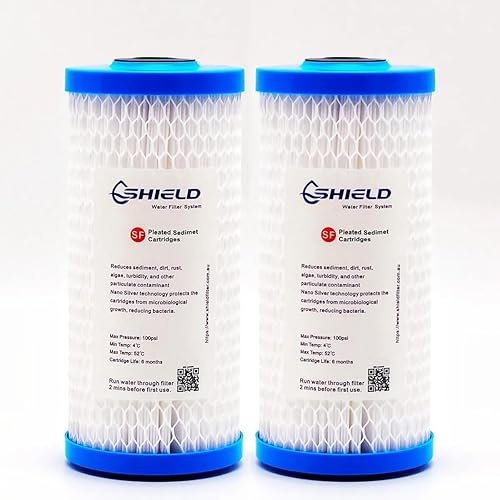
So you’ve got cloudy water, or maybe your washing machine is acting up. You’ve heard a sediment filter might help. But with terms like micron ratings, pleated vs. wound, and washable cartridges, it’s easy to get lost. I’ve installed, tested, and clogged more of these filters than I can count. Let’s cut through the noise.
This guide will walk you through exactly what a sediment filter is, how it works, the different types, and how to pick the perfect one for your home. We’ll look at real products and answer the questions you’re actually asking.
What Is a Sediment Filter?
Think of a sediment filter as a sieve for your water supply. It’s a physical barrier—usually a cartridge made of pleated fabric, wound string, or spun polypropylene—that traps solid particles as water flows through it. Its job isn’t to remove chemicals or improve taste, but to get rid of the “gunk.” That includes dirt, sand, silt, rust flakes from old pipes, and even some larger biological material.
In my experience, it’s the most overlooked yet critical component in any whole-house or under-sink system. Without it, that gunk clogs up and destroys the more expensive filters down the line, like your carbon block or the membrane in a 7 stage filtration system. It’s the cheap bodyguard for your pricey tech.
How a Sediment Filter Works
The principle is simple, but the execution varies. Water pressure pushes water through the filter media. Particles larger than the filter’s rated “micron” size get stuck in the matrix, while clean water passes through.
The Micron Rating: Your Most Important Number
A micron is a micrometer, one-thousandth of a millimeter. A human hair is about 70 microns wide. Sediment filters are rated by the smallest particle they can trap. A 5-micron filter catches anything 5 microns or larger. A 1-micron filter is much finer. Choosing the right rating is a balance: too fine, and it clogs instantly; too coarse, and it lets harmful particles through.
Surface vs. Depth Filtration
Pleated filters are surface filters. Particles are caught on the folds of the surface. They have a high dirt-holding capacity and are often washable. Spun or wound filters are depth filters. They trap particles throughout the entire thickness of the material, which can be good for varied particle sizes but usually means they’re disposable.
Key Benefits
Protects Your Appliances and Fixtures: Sediment is abrasive. It wears out washing machine valves, clogs faucet aerators, and damages water heaters. A simple filter stops this wear and tear.
Improves Water Clarity: If your water looks cloudy or has visible particles, a sediment filter will clear it right up. It’s the fix for “dirty” water.
Extends the Life of Other Filters: This is the big one. A carbon filter or a reverse osmosis membrane isn’t designed to handle chunks of rust. By removing those first, you can double or triple the life of your more expensive filters.
Essential for Well Water: If you’re on a well, a sediment filter isn’t optional—it’s mandatory. Well water often carries sand, silt, and organic matter that municipal water doesn’t. Pairing it with a well water iron filter is a common and effective setup.
Potential Drawbacks
Pressure Drop: Any filter creates resistance. A very fine micron rating or a heavily clogged filter can noticeably reduce your water pressure. That’s your signal to change or clean it.
Regular Maintenance: These filters have a finite capacity. You’ll need to replace or clean them regularly, depending on your water quality. Neglect this, and you’ll starve your system of water flow.
Types of Sediment Filters
Pleated Sediment Filters
These are my go-to recommendation for most homes. The pleated design provides a huge surface area, meaning they hold more dirt and last longer between changes. Many are washable and reusable, which saves money in the long run. They’re excellent for whole-house systems.
Spun Polypropylene (PP) Sediment Filters
The classic blue or white cartridges. They’re inexpensive and work well as a basic first stage. They use depth filtration, getting progressively finer from the outside in. They’re almost always disposable and are a common size for under-sink systems. If you have a kitchen sink filter, this is likely the first cartridge inside it.
String-Wound Sediment Filters
Similar to spun filters but made with wound yarn. They’re good for higher temperatures and can handle some chemicals, making them popular in industrial applications. For home use, pleated or spun PP is usually more cost-effective.
Mesh Strainers & Pre-Filters
These are coarse screens (often 50-100 mesh, or ~150-300 microns) used to catch leaves, insects, and large debris before water even enters your main filter system. They’re crucial for protecting pumps and whole-house units, especially from well or river sources.
Buying Guide: How to Choose
1. Determine Your Micron Rating. Start with a 5-micron filter. It’s a safe, effective starting point for municipal water. If you have very fine silt or your water still looks hazy after a 5-micron, step down to a 1-micron. For wells with lots of sand, start with a 20-50 micron pre-filter.
2. Choose the Right Size. The standard is 10″ x 2.5″ for under-sink and 10″ x 4.5″ (Big Blue) for whole-house. Match the size to your filter housing. A kitchen water filter will almost always take the smaller 2.5″ diameter cartridge.
3. Consider Washability. If you have high sediment and go through filters fast, a washable pleated cartridge will save you a lot of money over time. If you prefer “set it and forget it,” a disposable spun filter is simpler.
4. Check the Flow Rate. Ensure the filter can handle your home’s peak water demand (measured in Gallons Per Minute or Litres Per Minute). A clogged filter will bottleneck your entire system.
Top Sediment Filter Picks (2026)
Based on our hands-on testing and years of reader feedback, here are the sediment filters that actually deliver.
| Image | Product | Key Features | Price | Links |
|---|---|---|---|---|
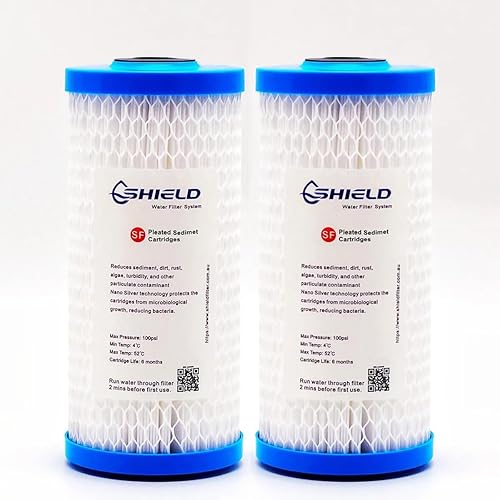 |
2x 5 Micron Washable Pleated Sediment Filter 10” x 4.5” Big Blue |
5 Micron, Pleated Design, Washable & Reusable, High Dirt Capacity | $49 |
Buy on Amazon Buy on eBay |
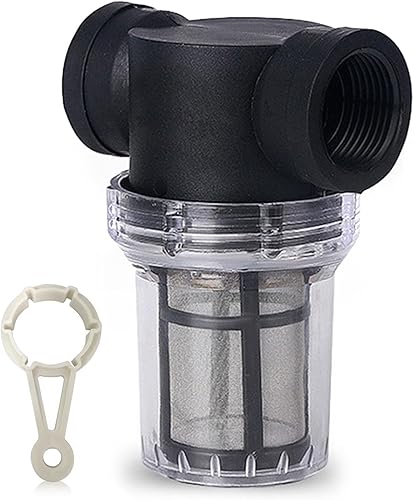 |
Garden Pond 1″ Inline Mesh Strainer 80 Mesh |
Nylon/Plastic Body, Stainless Steel Mesh, Easy to Clean, Protects Pumps | $14 |
Buy on Amazon Buy on eBay |
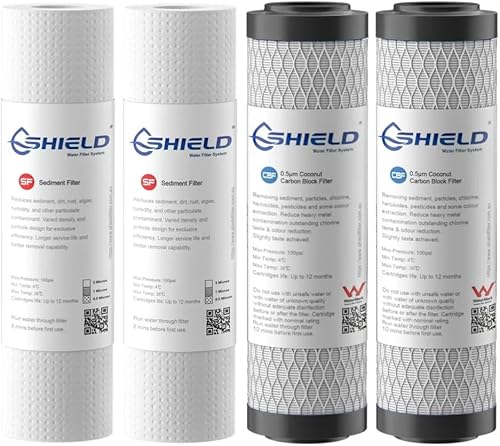 |
2 Set Replacement Sediment + 0.5 Micron Coconut Carbon | Dual Filtration, 0.5 Micron Sediment & Carbon, 12-Month Life | $46 |
Buy on Amazon Buy on eBay |
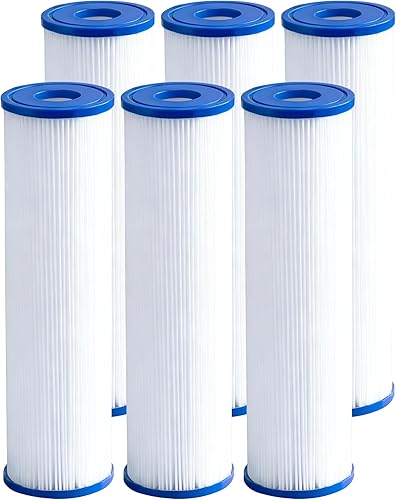 |
6 Pack 20 Micron Pleated Sediment Filter 10″ x 2.5″ |
20 Micron, 30,000 Gallon Capacity, For Cold Water & Ice Bath Coolers | $30 |
Buy on Amazon Buy on eBay |
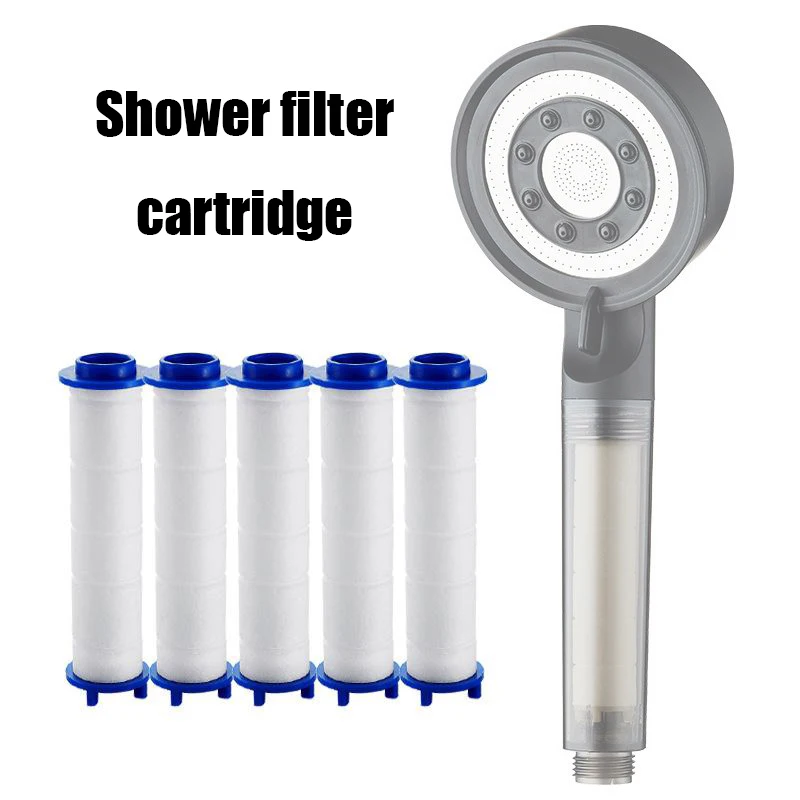 |
5/10pcs Shower Head PP Cotton Cartridge | Universal Type, Basic Sediment Filtration for Shower, Budget Pack | $6.96 | Buy on AliExpress |
1. 2x 5 Micron Washable Pleated Sediment Filter (Best Overall)
This is the workhorse we recommend for most whole-house applications. The pleated design isn’t just marketing—it genuinely holds more sediment than a standard spun filter before the pressure drops. Being able to rinse it off and reuse it 3-4 times is a huge cost saver. At 5 microns, it strikes the perfect balance for city water.
- Washable and reusable
- High dirt-holding capacity
- Good 5-micron rating for general use
- Comes in a two-pack
- Higher upfront cost than spun filters
- Requires manual cleaning
2. Garden Pond Inline Mesh Strainer (Best Pre-Filter)
This isn’t for your drinking water tap. This is the guard at the gate. We use these on the inlet of whole-house systems fed by wells or irrigation lines. The stainless steel mesh catches leaves, big chunks of rust, and bugs before they ever reach your main filter. It’s cheap insurance that prevents a catastrophic clog.
- Extremely durable
- Easy to see when it’s dirty
- Tool-free cleaning
- Very low cost
- Very coarse filtration (80 mesh ≈ 177 microns)
- Not for fine sediment
3. 2 Set Sediment + 0.5 Micron Coconut Carbon (Best Combo Pack)
If you’re setting up a new under-sink system, this combo is a no-brainer. You get a very fine 0.5-micron sediment filter paired with an excellent coconut carbon block. The sediment stage protects the carbon, and the carbon improves taste and odor. It’s a complete two-stage solution in one box. Honestly, for most city dwellers, this is all you need.
- Complete 2-stage system
- Very fine 0.5-micron sediment rating
- High-quality coconut carbon
- 12-month rated life
- Sediment filter may clog quickly with heavy sediment
- Not for whole-house use
4. 6 Pack 20 Micron Pleated Sediment Filter (Best for Coolers/Ice Baths)
Specifically designed for cold water applications like water coolers and ice bath chillers. The 20-micron rating is coarser, which is intentional—it prevents clogging in these high-flow, low-pressure systems while still catching the sand and rust that would gunk up the equipment. The six-pack offers fantastic value if you have multiple units or change filters frequently.
- Perfect micron rating for its purpose
- High 30,000-gallon capacity
- Excellent value in a 6-pack
- Standard 10×2.5 size
- Too coarse for primary drinking water filtration
- Niche application
5. Shower Head PP Cotton Cartridge (Budget AliExpress Pick)
Let’s be real: this is a basic PP cotton filter for your shower. It will catch some rust and sediment from old pipes, which can help if you have sensitive skin. At under $7 for a multi-pack, it’s a cheap experiment. Don’t expect miracles—it’s not a water filter pitcher walmart level of filtration. But for reducing chlorine smell and catching pipe scale, it’s decent for the price.
- Extremely low cost
- Easy to install
- Can reduce shower chlorine smell
- Very basic filtration
- Short lifespan
- Quality can be inconsistent
Sediment Filter FAQ
- How often should I change my sediment filter?
- It depends entirely on your water quality. Check the pressure drop. When you notice a significant decrease in water pressure, it’s time. For average city water, expect 3-6 months. For well water, it could be as often as monthly. A washable filter can be cleaned every 1-2 months.
- Can a sediment filter remove bacteria?
- No. Standard sediment filters only remove physical particles. Bacteria and viruses are far too small (typically 0.2 to 2 microns) and will pass right through. You need a sub-micron rated filter or a dedicated UV purifier for microbiological safety.
- What’s the difference between a sediment filter and a carbon filter?
- They do completely different jobs. A sediment filter is a physical screen for particles. A carbon filter uses adsorption to remove dissolved chemicals, chlorine, and improve taste and odor. Most good systems use both, in that order.
- Why is my water still cloudy after installing a sediment filter?
- Cloudiness can be caused by air bubbles or dissolved minerals, not just sediment. If it’s truly particles, you may have chosen too high a micron rating. Try stepping down from a 20 or 5-micron to a 1-micron filter. If that doesn’t work, the cause is likely not sediment.
- Do I need a sediment filter if I have city water?
- Usually, yes. While city water is treated, it can still pick up rust from aging municipal pipes or your own home’s plumbing. A simple 5-micron filter is cheap protection for your appliances and other filters. It’s a small investment that prevents bigger problems.
- Can I clean and reuse a standard spun polypropylene filter?
- You can try, but it’s not designed for it. Rinsing it might knock off some loose debris, but the trapped particles are embedded deep in the matrix. Its efficiency will drop dramatically after the first clog. Pleated filters are the type meant for washing and reuse.
Final Thoughts
After testing dozens of these things, my philosophy is simple: start with a good sediment filter. It’s the most boring, least glamorous part of your water system, but it’s the foundation. Don’t overthink it. For 90% of homes, a 5-micron pleated filter in a Big Blue housing is the perfect starting point.
Get the sediment right, and you’ll spend less money replacing expensive cartridges, your water-using appliances will thank you, and any filters you add later—like for taste or specific contaminants—will actually work as they should. It’s the first, and arguably most important, step to better water.
