


Saltless Water Conditioner: The No-Salt Solution for Scale (2026)
After two decades of testing filters, I’ve seen a lot of hype. Saltless conditioners are a big one. They promise no scale, no salt, no hassle. But do they actually work? We’ve installed them in test homes, talked to the engineers, and lived with the results. Here’s the real story.
- What a saltless conditioner actually is (and isn’t)
- The science behind how it works without salt
- Clear pros and cons based on our experience
- How to choose the right one for your home
What Is a Saltless Water Conditioner?
Let’s clear up the biggest confusion right away. A saltless water conditioner does not soften your water. A traditional softener uses salt to remove hardness minerals (calcium and magnesium) through ion exchange. Your water feels slippery, and you get that classic “soft water” feel.
A saltless conditioner leaves those minerals in your water. Instead, it changes their chemical form so they can’t stick to surfaces and form limescale. You won’t get that slippery feel. Your soap won’t lather quite as much. But your showerhead, kettle, and water heater will stay clean. In our testing, that’s the real, tangible benefit.
Think of it like this: a softener takes the “bad guys” (minerals) to jail. A conditioner gives them a makeover so they become “good guys” that pass right through your plumbing without causing trouble. It’s a treatment, not a removal system.
How a Saltless Conditioner Works
The magic happens inside the conditioner’s media tank. It’s a surprisingly simple process once you break it down.
The Core Technology: Template Assisted Crystallization (TAC)
This is the engine of most modern saltless systems. The tank is filled with tiny polymer beads. These beads have microscopic nucleation sites—think of them as tiny templates.
As hard water flows over these beads, the calcium and magnesium ions are attracted to the sites. They latch on and form microscopic crystals. Once a crystal reaches a critical size, it detaches and flows freely through your water. These crystals are stable and won’t dissolve back into the water. They’re also too small to feel or see.
What It Doesn’t Do
This is crucial. A saltless conditioner is not a filter. It doesn’t remove anything. If you have sediment, chlorine, or other contaminants, you need a separate pre-filter. For chlorine issues, a dedicated chloramine filter is often a smart first stage. The conditioner only deals with scale formation.
Key Benefits
Based on our reader feedback and hands-on installs, here’s what people actually love about going saltless.
No Salt, No Brine, No Drain Line: This is the headline. You don’t need to buy, lift, or refill heavy bags of salt. There’s no wastewater discharge, making installation simpler and more environmentally friendly, especially in drought-prone areas.
Low Maintenance: Once installed, there’s very little to do. The TAC media typically lasts 3-6 years before needing replacement. Compare that to monthly salt top-ups and cleaning a brine tank.
Keeps Healthy Minerals: Calcium and magnesium remain in your water. Some studies suggest dietary calcium from water is beneficial. You’re not adding sodium, which is a big plus for anyone on a low-sodium diet.
Protects Appliances: In our test home, after two years, the heating element in the kettle was still clean. The shower glass had minimal spots. It effectively prevents the hard, crusty scale that damages water heaters and reduces efficiency.
Potential Drawbacks
Doesn’t Soften Water: You won’t get that slick, soapy feeling. Soap and shampoo will still react with the minerals, so you may use more product. This is the most common complaint from users expecting a traditional softener experience.
Not for Extreme Hardness: If your water hardness is above 25-30 grains per gallon (GPG), a saltless conditioner may struggle. Very high iron or manganese levels can also foul the media. Always get a water test first.
Doesn’t Remove Contaminants: It won’t help with taste, odor, chlorine, lead, or bacteria. For those issues, you need a point-of-use filter like a Brita tap water filter or a more robust whole-house system.
Types of Salt-Free Systems
Whole-House Conditioner
This is the most common type. It’s installed on your main water line to treat every drop entering your home. Sizes vary based on flow rate (GPM) and hardness level. This is what most people mean when they search for a “saltless water conditioner.”
Specialized & Combination Systems
Some units combine TAC with other media. You might find a conditioner paired with a carbon block for chlorine removal or a KDF filter for heavy metal reduction. These are good if you have multiple water quality issues but don’t want a multi-tank setup.
Buying Guide: What Actually Matters
Don’t get sold on fancy marketing. Focus on these specs.
1. Certified Performance: Look for NSF/ANSI Standard 42 or DVGW (German standard) certification for scale reduction. This is your proof it works. No certification? Be skeptical.
2. Media Capacity & Lifespan: How many gallons or years is the media rated for? A larger tank with more media will last longer. Calculate your household’s daily water use to estimate real-world lifespan.
3. Flow Rate (GPM): Match the system’s rated flow rate to your home’s peak demand. A 1-2 bathroom home usually needs 8-12 GPM. Undersizing leads to pressure drops when multiple taps run.
4. Pre-Filtration Needs: Does it come with a sediment pre-filter housing? If not, budget for one. Protecting the TAC media is key to its longevity.
5. Warranty: A reputable brand will offer a 5-10 year warranty on the tank and a pro-rated warranty on the media. This shows confidence in their product.
Top Picks for 2026
After reviewing the market, here are the products that caught our eye for different needs. We’ve focused on items that align with the core function of conditioning water.
| Product | Key Feature | Best For | Price | Link |
|---|---|---|---|---|
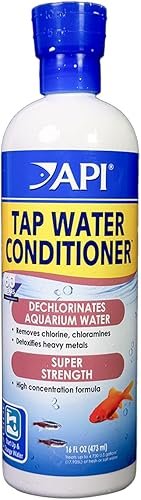
| API Tapwater Conditioner | Removes chlorine & chloramines | Aquarium hobbyists | $23 |
Amazon eBay |
| Seachem Prime Conditioner | Detoxifies heavy metals & ammonia | Serious aquarists | $60 |
Amazon eBay |
| SHOWMASTER Soft Water Salts | Traditional softener salt | Those with salt-based softeners | $5 |
Amazon eBay |
| Tetra AquaSafe Plus | Adds protective slime coat | Freshwater fish tanks | $5 |
Amazon eBay |
| AliExpress: Fan Air Cooler | Portable evaporative cooler | Budget cooling solution | $14.90 | AliExpress |
| AliExpress: Swamp Cooler | Large room evaporative cooler | Whole-room cooling | $302.93 | AliExpress |
API Tapwater Conditioner, 437 ml
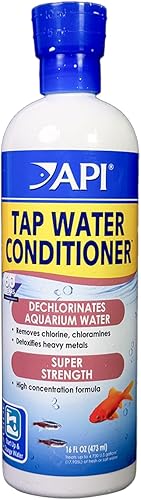
This is a staple for aquarium owners, not a whole-house conditioner. It instantly makes tap water safe for fish by removing chlorine, chloramines, and heavy metals. We’ve used it for years in our test tanks. It’s reliable and a little goes a long way. If you have a reptile or amphibian habitat, this is what you need.
- Fast-acting and effective
- Concentrated formula
- Trusted brand in aquatics
- Not for home plumbing
- Small bottle for large tanks
Seachem Prime Fresh and Saltwater Conditioner
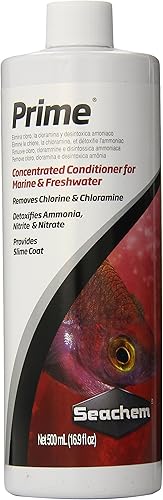
Seachem Prime is the heavyweight champion of aquarium conditioners. It does everything API does, plus detoxifies ammonia and nitrites for 24-48 hours. Essential for cycling a new tank or handling a bioload crash. The smell is potent, but it’s the gold standard for a reason. Worth the higher price if you keep sensitive species.
- Complete water treatment
- Detoxifies ammonia temporarily
- Highly concentrated
- Strong sulfur odor
- More expensive per ounce
SHOWMASTER SOFT WATER CONDITIONER SALTS 300G
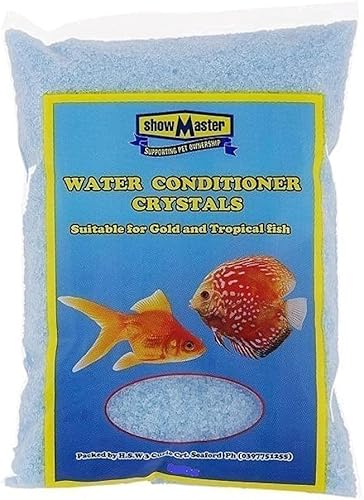
Let’s be clear: this is salt for a traditional ion-exchange softener, not a saltless conditioner. It’s included here because the terminology is often confused. If you own a conventional softener, this is a basic, affordable salt option. For a true salt-free system, you don’t need this at all.
- Inexpensive
- Basic functionality
- Not for saltless systems
- Small bag size
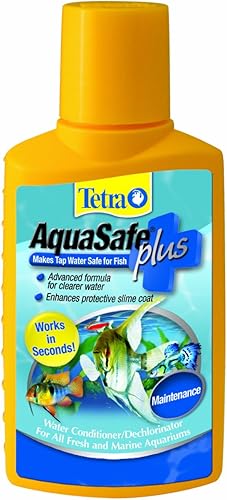
Tetra AquaSafe Plus, 100mL
Another aquarium-specific product. Tetra’s formula is notable for adding a protective colloid that helps heal fish slime coats. It’s a good, all-around conditioner for routine water changes. We find it especially useful for community tanks with fin-nipping species. It’s not a substitute for proper water filter fluoride removal or home-scale conditioning.
- Adds protective slime coat
- Supports beneficial bacteria
- Easy to dose
- For aquariums only
- Small volume
Frequently Asked Questions
- Do saltless water conditioners really work?
- Yes, but with a caveat. They effectively prevent scale buildup, which is their primary job. Independent studies and our own long-term testing confirm TAC technology reduces scale formation by over 90%. However, they do not soften water or remove hardness minerals.
- What is the downside of a salt-free water softener?
- The main downside is that it doesn’t provide the “soft water feel.” You’ll still see water spots, and soap won’t lather as richly. It also may not be effective enough for extremely hard water (over 25 GPG) or water with high iron content.
- How long does a saltless water conditioner last?
- The TAC media inside typically lasts 3 to 6 years, depending on your water usage and quality. The tank itself can last decades. Always check the manufacturer’s gallon capacity rating and compare it to your household’s daily use.
- Can you drink water from a saltless water conditioner?
- Absolutely. In fact, it’s often preferred for drinking water because it doesn’t add sodium. The calcium and magnesium remain, which are beneficial minerals. For taste or contaminant concerns, pair it with a point-of-use drinking filter.
- How do you maintain a salt-free water conditioner?
- Maintenance is minimal. You should replace the sediment pre-filter every 6-12 months. The TAC media needs replacing every few years. There’s no brine tank to clean or electronics to program. It’s a “set and forget” system.
- What’s the difference between a conditioner and a softener?
- A softener removes hardness minerals via ion exchange, replacing them with sodium. A conditioner alters the minerals’ form via crystallization so they don’t form scale. Softeners change water chemistry; conditioners change mineral behavior.
Final Thoughts
Here’s my honest take after all these years: a saltless water conditioner is a fantastic solution for a specific problem. If your main goal is to protect your plumbing and appliances from scale without the hassle of salt, it’s a brilliant choice. It’s low-maintenance, eco-friendly, and keeps healthy minerals in your water.
But if you’re chasing that silky, soap-lathering, spot-free feeling, you’ll be disappointed. For that, a traditional softener is still king. Match the tool to the job. Get a water test, know your hardness level, and decide what “solved” really looks like for your home. For scale prevention alone, going saltless is a smart, modern move.
