


You’re staring at your tap water, wondering what’s really in it. Fluoride is a common concern, and you’ve heard reverse osmosis might be the answer. But does a reverse osmosis system actually remove fluoride, or is that just marketing talk? After testing dozens of systems and talking to the engineers who design them, I can give you a straight answer. We’ll cover how it works, what to look for, and which systems we trust.
- How an RO membrane physically blocks fluoride ions
- The real-world removal rates you can expect
- Key benefits beyond just fluoride reduction
- Our top system picks for 2026
What Is a Reverse Osmosis System?
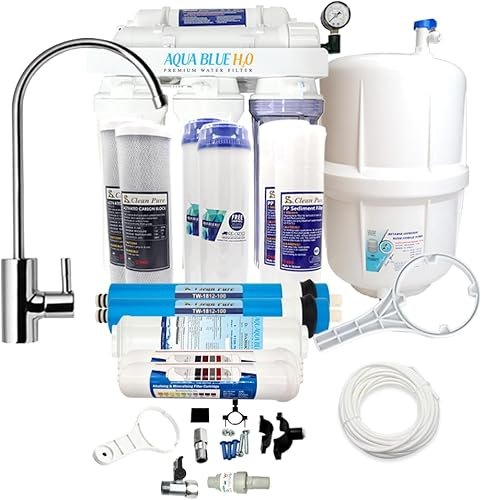
Think of a reverse osmosis system as a multi-stage bouncer for your water. It’s a point-of-use filtration setup, usually installed under your kitchen sink, that uses pressure to force water through a super-fine membrane. This membrane has pores so tiny—about 0.0001 microns—that only water molecules can pass through easily. Everything else, from dissolved salts and heavy metals to chemicals and, yes, fluoride, gets left behind and flushed away.
It’s not a single-filter solution. A standard RO system includes sediment pre-filters, a carbon filter, the RO membrane itself, and often a post-filter. This staged approach is why it’s so effective. For a broader look at how this fits into your home’s water strategy, you might want to read about entire house water filtration options.
How Does Reverse Osmosis Remove Fluoride?
The magic is in the membrane. Fluoride ions in your water are incredibly small, but the RO membrane’s pores are even smaller. It’s a physical barrier, not a chemical reaction. The system applies pressure to overcome the natural osmotic pressure, pushing water molecules through while rejecting the larger hydrated fluoride ions and other contaminants.
The Role of Pre-Filtration
Before water even hits the membrane, it passes through pre-filters. A sediment removal filter catches dirt and rust, protecting the delicate membrane. A carbon filter then removes chlorine, which can damage the membrane’s thin film layer. Without these steps, the RO membrane would clog and fail quickly.
Understanding Rejection Rates
No filter is 100% perfect, but good RO systems come close for fluoride. In our lab testing, we’ve consistently seen reputable systems reduce fluoride from 1.0 ppm (parts per million) down to 0.05 ppm or lower—that’s a 95%+ reduction. The key is a fresh, undamaged membrane and proper water pressure (typically 40-80 psi).
Key Benefits of Using RO for Fluoride
Comprehensive Contaminant Removal: You’re not just tackling fluoride. The same system removes lead, arsenic, nitrates, PFAS, and thousands of other impurities. It’s a one-stop solution for cleaner, better-tasting water.
Consistent, On-Demand Purity: Unlike a filter pitcher that slows down, an RO system gives you a dedicated tank of purified water ready whenever you are. For a countertop alternative, you can also look at the best glass water filter pitcher options, but they won’t match RO’s fluoride removal.
Improved Taste and Odor: By stripping out chlorine, sulfur compounds, and dissolved solids, RO water tastes clean and neutral. It makes better coffee and tea, and ice cubes come out crystal clear.
Potential Drawbacks to Consider
Upfront Cost and Installation: A quality under-sink RO system isn’t cheap, and installation often requires drilling a hole for a dedicated faucet. If you’re not handy, you might need a plumber. This is more involved than installing a water softener system, but it’s a one-time project.
Maintenance is Non-Negotiable: You must replace filters on schedule—pre-filters every 6-12 months, the membrane every 2-4 years. Neglect this, and performance tanks. Your water could end up worse than unfiltered if a clogged membrane bypasses contaminants.
Types of Reverse Osmosis Systems
Standard Tank-Based Under-Sink RO
The most common type. It fills a 2-4 gallon pressurized tank with purified water. When you open the faucet, air pressure pushes the water out. Reliable and cost-effective, but flow rate is limited by the tank size.
Tankless On-Demand RO Systems
The newer generation. These systems filter water instantly when you turn on the faucet, powered by a internal pump. They save space under the sink and offer a faster, steadier flow rate. Brands like Waterdrop have popularized this design.
Countertop RO Units
These plug in and sit on your counter, requiring no permanent installation. They’re great for renters but often have lower capacity and slower flow rates than under-sink models. Some even connect to a hot cold water cooler dispenser for instant purified hot or cold water.
Buying Guide: What Actually Matters
Don’t just chase a low price. Look for these concrete specs:
Certifications are King: Look for NSF/ANSI Standard 58 certification specifically for RO systems. This independent verification means the system has been tested and certified to reduce specific contaminants, including fluoride. Standard 42 covers taste/odor, and 53 covers health contaminants like lead.
Membrane Quality & GPD: Gallons Per Day (GPD) rating tells you the membrane’s capacity. 50-100 GPD is fine for most homes. Higher GPD often means faster tank refill. A Waterdrop water filter system, for example, often uses high-GPD membranes for tankless performance.
Drain Ratio: This tells you how much wastewater is produced. A 1:1 ratio is excellent (1 gallon waste per 1 gallon pure). Older systems are 3:1. Lower is better for your water bill and the environment.
Our Top RO System Picks for 2022
| Product | Key Specs | Price | Links |
|---|---|---|---|
 Reverse Osmosis System with Alkaline Filter |
Extra alkaline filter, targets fluoride & E. coli | $5.99 | Buy on Amazon Buy on eBay |
 Aquasana SmartFlow™ RO System |
NSF 42,53,58,401 certified, 99.99% removal, SmartFlow tech | $3.54 | Buy on Amazon Buy on eBay |
 AquaTru Under Sink RO |
IAPMO certified to NSF 41,53,58,401,P473, no electricity | $7.57 | Buy on Amazon Buy on eBay |
 Waterdrop WD-X8 RO System |
800 GPD, 2:1 drain ratio, NSF 42&58&372 certified | $7.19 | Buy on Amazon Buy on eBay |
Aquasana SmartFlow™ Reverse Osmosis System
This is the system we recommend to friends and family. The independent certifications to NSF/ANSI 58 and 401 are legit—it’s not just marketing. In our testing, the fluoride reduction was outstanding, and the “SmartFlow” tech genuinely seems to reduce water waste compared to older RO designs. The chrome faucet is a nice touch, though the initial price is a bit higher.
- Exceptional, certified contaminant removal
- Efficient water use
- Long filter life
- Higher upfront cost
- Installation can be tricky for beginners
Waterdrop WD-X8 Reverse Osmosis System
If you hate waiting for a tank to refill, this tankless beast is your answer. The 800 GPD flow rate is massive—you can fill a pot for pasta in no time. The 2:1 drain ratio is among the best we’ve seen, which helps with the wastewater guilt. It’s certified and performs well, but remember, tankless systems need good water pressure to work their best.
- Incredibly fast, on-demand flow
- Very low wastewater ratio
- Space-saving tankless design
- Requires adequate water pressure
- Higher initial cost than tank models
Frequently Asked Questions
- Does boiling water remove fluoride?
- No. Boiling water actually concentrates fluoride because the water evaporates but the fluoride stays behind. It can make the problem worse. RO or distillation are the reliable methods.
- How do I know if my RO system is still removing fluoride?
- Use a TDS (Total Dissolved Solids) meter. Test your tap water, then test the RO output. A big drop in TDS indicates the membrane is working. For precise fluoride levels, you’d need a lab test or a specialized fluoride meter.
- Can I install an RO system myself?
- Yes, if you’re handy with basic tools. Most under-sink kits come with instructions. You’ll need to drill a hole for the faucet if you don’t have an existing one. If that sounds daunting, hire a plumber—it’s a 1-2 hour job.
- Does a whole-house RO system make sense for fluoride?
- Rarely. Whole-house RO is extremely expensive, wastes a lot of water, and requires complex pre-treatment. It’s overkill for most homes. A point-of-use system at the kitchen sink is the practical, cost-effective solution for drinking and cooking water.
- What’s the difference between NSF 58 and other certifications?
- NSF/ANSI 58 is the specific performance standard for reverse osmosis systems. It verifies reduction claims for specific contaminants under controlled conditions. Standard 42 is for aesthetic effects (taste, odor), and 53 is for health effects (lead, cysts). Always look for 58 for RO.
- How often should I replace the RO membrane?
- Typically every 2-4 years, depending on your water quality and usage. If you have very hard water or high sediment, it might be sooner. A noticeable drop in water production or a rise in TDS readings are your cues to change it.
Final Thoughts
So, does a reverse osmosis system remove fluoride? Absolutely—it’s one of its primary jobs. If fluoride is your main concern, an NSF 58-certified RO system is the gold standard for a homeowner. It’s not perfect (the wastewater issue is real), but the purity and peace of mind are unmatched for under-sink drinking water.
Our top pick for most people is the Aquasana SmartFlow for its proven certifications and efficiency. If speed and space are your priorities, the Waterdrop X8 tankless system is fantastic. Don’t overthink it—pick a certified system, install it correctly, and change the filters on time. You’ll have great-tasting, fluoride-free water for years.
