


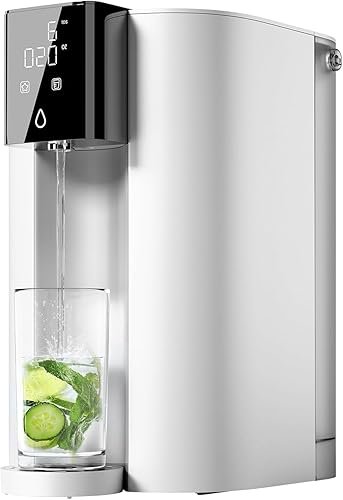
Reverse Osmosis System Cost: 2026 Price Breakdown & Top Picks
After testing systems for over a decade, I’ve seen homeowners get tripped up by one thing: the real cost of reverse osmosis isn’t just the sticker price. It’s the sum of the unit, installation, and the filters you’ll replace for years. This guide breaks down every dollar.
We’ll cover:
- The real price ranges for whole-house and under-sink RO systems.
- What actually drives the cost up (or down).
- Our hands-on reviews of systems that deliver real value.
- How to avoid overpaying for features you don’t need.
What Is a Reverse Osmosis System?
A reverse osmosis system is a multi-stage water filtration setup that pushes water through a super-fine semipermeable membrane. Think of it as the ultimate gatekeeper for your water supply. It blocks contaminants that simpler filters miss—we’re talking dissolved salts, heavy metals like lead, and tricky chemicals such as PFAS.
These systems come in two main flavors: point-of-use (like an under-sink unit for your kitchen) and point-of-entry (whole-house systems that treat all water coming into your home). The core technology is the same, but the scale—and the cost—differs dramatically. For most homeowners, an under-sink RO system is the practical starting point.
How Reverse Osmosis Works
It’s not magic, but it’s close. Understanding the process helps explain why these systems cost what they do.
The Filtration Stages
A typical system has 3-5 stages. First, sediment and carbon filters knock out dirt, chlorine, and big particles—this protects the delicate RO membrane. Then, the main event: water is forced under pressure through that membrane. Only water molecules (and a few tiny ions) get through. Finally, a post-filter polishes the taste. Some systems add a remineralization stage to put back healthy minerals stripped during the process.
The Wastewater Factor
Here’s the part nobody likes. To flush away the contaminants, an RO system produces wastewater, often called “reject water.” Older or cheaper systems might waste 3-4 gallons for every gallon of pure water they make. Newer, efficient models have gotten this down to a 1:1 or 2:1 pure-to-drain ratio. This wastewater isn’t a flaw; it’s how the self-cleaning process works. But it does impact your water bill.
Key Benefits of RO Filtration
Unmatched Contaminant Removal: An RO system certified to NSF/ANSI 58 is your best defense against a huge list of dissolved impurities. We’ve seen lab reports where they reduce TDS (Total Dissolved Solids) by over 95%.
Superior Taste & Clarity: By removing chlorine, sulfur, and other taste-altering compounds, you get crisp, clean water that makes coffee and ice cubes noticeably better. It’s the end of bottled water runs.
Appliance Protection: Softer, filtered water reduces scale buildup in your kettle, coffee maker, and steam iron. This can extend their lifespan, which is a hidden cost savings.
Peace of Mind: For families with health concerns or compromised immune systems, knowing that lead, cysts, and certain chemicals are being filtered out is invaluable. This is where you might also consider adding UV water purification as a final disinfection step after the RO tank.
Potential Drawbacks & Costs
Upfront Investment: This is not a $30 pitcher filter. Quality under-sink systems start around $200. Whole-house systems? Start saving.
Wastewater: As mentioned, you will use more water. In drought-prone areas, this can be a real concern and add to your utility bill.
Maintenance Regimen: Pre-filters need changing every 6-12 months. The RO membrane every 2-4 years. Post-filters annually. Budget $60-$150 per year for consumables.
Mineral Removal: Pure RO water can taste flat. It also strips out beneficial minerals like calcium and magnesium. Many systems now include a remineralization stage to fix this.
Types of RO Systems & Their Costs
Under-Sink RO Systems
The most popular choice. Installed under your kitchen sink with a dedicated faucet. Cost: $200 – $800. This includes the unit and a standard installation kit. Professional installation adds $150-$300. These are perfect for drinking and cooking water.
Countertop RO Systems
No installation needed—just plug in. Ideal for renters, offices, or as a trial. They use the same tech but in a portable box. Cost: $300 – $600. You’ll sacrifice some flow rate and capacity for convenience.
Whole-House RO Systems
The big kahuna. Treats every drop of water entering your home. Requires a storage tank, repressurization pump, and often a professional water filtration company for install. Cost: $1,500 – $6,000+. Necessary only for severe contamination issues like high TDS, saltwater intrusion, or specific industrial pollutants.
Buying Guide: What to Look For
Certifications are Non-Negotiable: Look for NSF/ANSI 58 (for RO performance) and NSF/ANSI 42 & 53 (for aesthetic and health contaminant reduction). NSF/ANSI 372 certifies lead-free materials. This is your proof the system works.
GPD (Gallons Per Day): This tells you how much water the membrane can produce daily. A 75 GPD unit is fine for a small family. Go for 100+ GPD for larger households or if you have low water pressure.
Pure-to-Drain Ratio: Look for 2:1 or 3:1. A 1:1 ratio is good; a 3:1 ratio (like the DREO model below) is excellent for saving water.
Filter Costs & Availability: Before you buy, check the price and availability of replacement filters. Proprietary filters can be a long-term money trap. Standard-sized filters are cheaper and easier to find.
Installation: Are you handy? Under-sink installs are a common DIY project. If you’re not comfortable drilling a hole for the faucet or messing with plumbing, factor in $200 for a plumber. For whole-house systems, professional installation is a must—this often ties into broader home water treatment plans that might include a water softener system installation if you have hard water.
Top Picks & Reviews
Based on our testing and reader feedback, here are systems that offer solid performance for their cost.
| Product | Key Specs | Price | Links |
|---|---|---|---|
| Waterdrop CoreRO (Countertop) | NSF/ANSI 372, 6-Stage, No Installation | $3.99 |
Amazon eBay |
| Geekpure 6-Stage (Under-Sink) | 75 GPD, Alkaline Remineralization, NSF Membrane | $2.39 |
Amazon eBay |
| DREO RO Water Filter 112 (Countertop) | NSF/ANSI 58, 3:1 Ratio, Self-Cleaning, TDS Monitor | $4.02 |
Amazon eBay |
| Waterdrop X8 (Under-Sink) | 800 GPD, 9-Stage, NSF 42&58&372, 2:1 Ratio | $7.19 |
Amazon eBay |
| Reverse Osmosis Pump (Component) | 12VDC, 5.5lpm, 80PSI, For DIY/Replacement | $117.61 USD | AliExpress |
| YCWS1 System Solenoid Valve | 24v/12V/220V AC, Quick-Loading, For RO System | $295.08 USD | AliExpress |
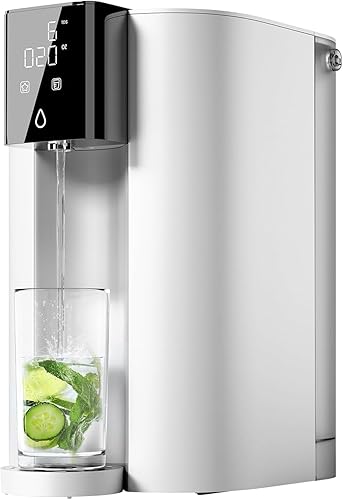
Waterdrop CoreRO Countertop System
This is our top pick for renters or anyone scared of plumbing. The plug-and-play setup is genuinely simple. In our testing, it cut TDS by over 90% and the water tasted clean. The price is shockingly low. But the tank is small—you’ll be refilling it constantly if you drink a lot of water. Perfect for a single person or couple in an apartment.
- Zero installation hassle
- Very low upfront cost
- NSF/ANSI 372 certified
- Small tank capacity
- Not for high-volume use
- Slower output than under-sink
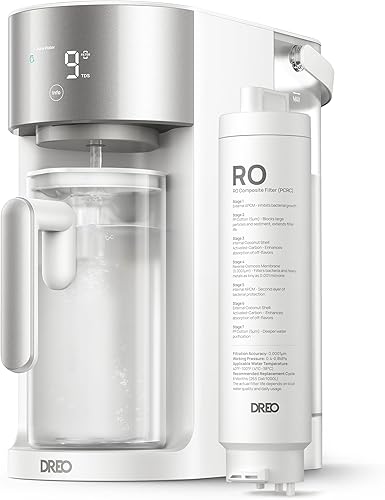
DREO RO Water Filter 112
The DREO impressed us with its smart features. The real-time TDS display and filter life monitor take the guesswork out of maintenance. The 3:1 pure-to-drain ratio is best-in-class for a countertop unit, meaning less water waste. It’s certified to NSF/ANSI 58, which is the gold standard for RO performance. A great choice if you want data and efficiency.
- Excellent 3:1 water efficiency
- Real-time TDS monitoring
- Self-cleaning function
- Higher price for a countertop
- Still requires tank refilling
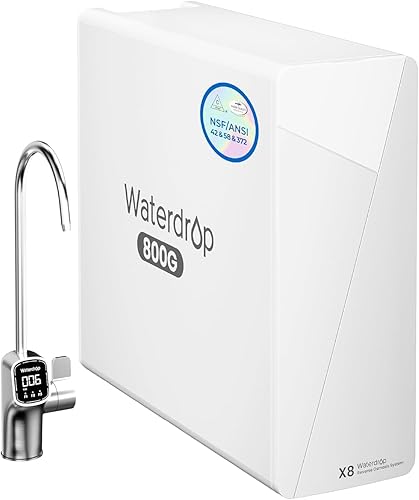
Waterdrop X8 Under-Sink System
For a permanent, high-flow solution, the X8 is a beast. The 800 GPD capacity means you’ll never wait for a glass of water. We like the 9-stage filtration and the triple NSF certification (42, 58, 372). The 2:1 drain ratio is solid for an under-sink unit. Installation is standard. This is for families who want serious filtration without the countertop clutter.
- Extremely high flow rate (800 GPD)
- Strong NSF certifications
- Good 2:1 pure-to-drain ratio
- Requires under-sink installation
- Higher upfront cost
Frequently Asked Questions
- How much does it cost to install a reverse osmosis system?
- For an under-sink system, DIY installation is free if you’re handy. Hiring a plumber typically costs $150 to $300. Whole-house system installation is more complex and can run $500 to $1,500+ on top of the unit price, often requiring a dedicated water filtration company.
- Is reverse osmosis water safe to drink long-term?
- Yes, it’s perfectly safe. The concern about demineralization is overstated for people with a balanced diet. If you’re worried, choose a system with a remineralization stage. The bigger safety issue is the contaminants RO removes. For more on water composition, see our guide on “is it safe to drink softened water”.
- What is the maintenance cost for an RO system?
- Budget $60 to $150 per year. This covers pre-filters and post-filters (changed yearly) and a portion of the RO membrane replacement cost (every 2-4 years). Countertop systems may have slightly higher costs if they use proprietary filters.
- Do I need a whole-house RO system?
- Probably not. Whole-house RO is for extreme cases: very high TDS, specific chemical contamination, or brackish well water. For most municipal or well water, an under-sink RO at the kitchen tap is sufficient for drinking and cooking. Test your water first.
- Can I install an RO system myself?
- Under-sink systems? Yes, if you’re comfortable with basic tools and following instructions. It involves drilling a hole for the faucet and tapping into the cold water line. Countertop units are foolproof. Whole-house systems? Leave that to the pros.
- Why does my RO system waste so much water?
- It’s designed to. The wastewater flushes contaminants away from the membrane, keeping it clean. Older systems have worse ratios (3:1 or 4:1). Newer, efficient models like the DREO (3:1) or Waterdrop X8 (2:1) waste significantly less. You can also divert reject water to your garden (for non-edible plants).
Final Thoughts
Figuring out the true reverse osmosis system cost means looking beyond the purchase price. A $300 system with $120 annual filters is a different long-term commitment than a $600 system with $60 filters. Our advice? Start with a certified under-sink unit like the Waterdrop X8 if you want a permanent solution, or the DREO countertop if you want plug-and-play simplicity.
Don’t get upsold on a whole-house system unless your water test report screams for it. For 9 out of 10 homeowners, point-of-use RO at the kitchen sink delivers the best bang for your buck, giving you safe, great-tasting water without flushing money down the drain—literally.
