


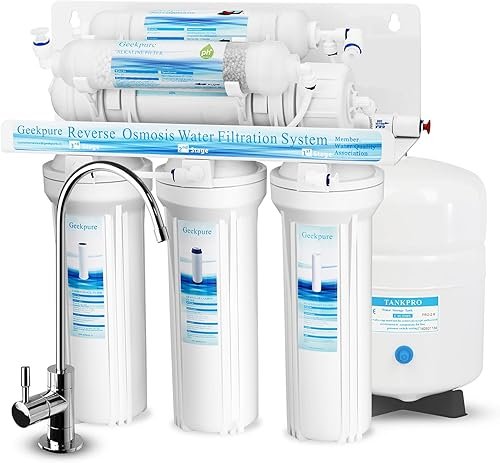
You’re tired of buying bottled water. You’ve heard reverse osmosis is the gold standard for home water purification. But with hundreds of systems on the market, how do you pick the right one? I’ve installed, tested, and lived with these systems for years. This guide cuts through the noise. We’ll look at how RO actually works, what features matter, and which systems deliver on their promises.
What Is a Reverse Osmosis System?
A reverse osmosis system is a multi-stage water filtration unit that pushes your tap water through a super-fine, semipermeable membrane. Think of it as the ultimate barrier. It blocks contaminants that simpler filters miss. We’re talking dissolved salts, heavy metals like lead, and microscopic impurities. The result is water that’s about as pure as you can get without distillation.
Most under-sink RO systems include pre-filters, the RO membrane, a post-filter, and a storage tank. They’re designed for point-of-use installation, usually under your kitchen sink. You get a dedicated faucet for drinking and cooking water. It’s not a whole-house solution by itself, but it’s the core of a serious home water treatment plan. For broader protection, you might pair it with a water softener size calculator to address hardness issues throughout your home.
How a Reverse Osmosis System Works
The Multi-Stage Filtration Process
Your water takes a journey. First, a sediment filter catches dirt, rust, and silt. Next, one or two carbon filters tackle chlorine, which protects the delicate RO membrane from damage. Then comes the main event: the RO membrane. Water is forced through it under pressure. Pure water molecules pass through; contaminants are flushed down the drain.
The Role of the Storage Tank and Final Polish
Most systems produce water slowly, so a pressurized tank stores the purified water until you turn on the faucet. A final carbon filter, often called a “polishing filter,” removes any residual tastes or odors right before you drink it. Some systems add stages like alkaline remineralization or UV disinfection. Understanding UV water disinfection is key if you’re on well water and concerned about bacteria.
Key Benefits of an RO System
Superior Contaminant Removal. This is the big one. A quality RO system certified to NSF/ANSI 53 can reduce lead, cysts, and dissolved solids by over 95%. It’s the closest you’ll get to laboratory-grade water at home.
Better Taste and Odor. By stripping out chlorine, sulfur compounds, and other impurities, RO water tastes clean and neutral. Your coffee and tea will thank you. No more plastic bottle taste, either.
Cost Savings Over Time. The initial investment stings, but the math works out. You’ll spend pennies per gallon versus dollars for bottled water. In our experience, a family of four breaks even in about a year.
Potential Drawbacks to Consider
Water Waste. Traditional RO systems send 2-4 gallons of water down the drain for every gallon of pure water they produce. It’s a fair criticism. Newer “water-efficient” models are improving this ratio.
Removes Beneficial Minerals. The membrane doesn’t distinguish between bad contaminants and good minerals like calcium and magnesium. That’s why many systems add a remineralization stage to put some back in.
Slower Flow Rate. You’ll rely on a small storage tank. If you drain it making a big pot of pasta, you’ll wait for it to refill. Tankless models solve this but cost more.
Types of Home RO Systems
Traditional Tank-Based Systems
The most common and affordable type. They include a 3-5 gallon storage tank under your sink. Perfect for most households. The water pressure is good, and they’re reliable workhorses. Installation is a straightforward DIY project for most people.
Tankless RO Systems
These are the sleek, modern option. They filter water on demand, so you never run out. They save a ton of under-sink space. The trade-off? They’re more expensive and require a power outlet. Flow rate can be a consideration, so check the GPD (gallons per day) rating.
Countertop and Portable Units
Great for renters or if you can’t modify plumbing. Some, like the Geekpure portable unit, are even used for aquariums. They sit on your counter and often use a diverter valve on your faucet. Not as seamless, but they get the job done.
Buying Guide: What Actually Matters
Forget the marketing hype. Focus on these five criteria.
1. Certifications. Look for NSF/ANSI 42 (aesthetic effects) and 53 (health effects) on the filters, and 58 on the RO membrane. This is your quality guarantee. It’s more important than the number of stages.
2. Pure-to-Drain Ratio. This tells you how efficient the system is. A 1:4 ratio means 1 gallon pure, 4 gallons waste. Newer systems hit 1:2 or even 1:1. Lower waste is better for your wallet and the planet.
3. Flow Rate (GPD). Gallons per day. For a family of 4, 50-75 GPD with a tank is sufficient. For tankless systems, look for 400+ GPD to ensure a strong, immediate flow.
4. Filter Costs and Lifespan. The upfront price is just the start. Calculate the annual cost of replacement filters. Some brands lock you into expensive proprietary cartridges. Others use standard sizes.
5. Installation and Maintenance. Be honest with your DIY skills. Most under-sink systems require drilling a hole for the faucet. If that’s daunting, budget for a plumber. Maintenance is simple: change filters on schedule. A system with a filter change indicator, like the dial on the ROWF-05, takes out the guesswork. While different, maintaining an inline shower filter follows a similar principle of timely replacement.
Our Top Picks for 2026
| Product | Key Specs | Best For | Price |
|---|---|---|---|
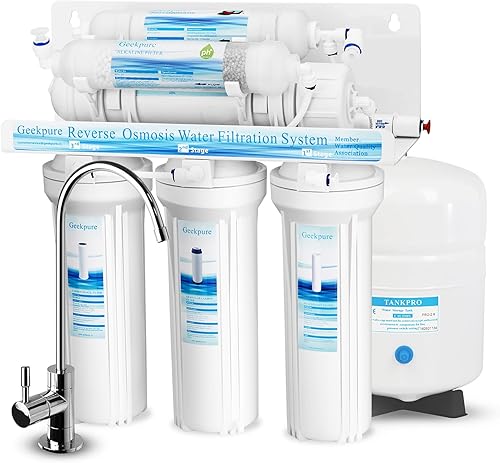 |
6-Stage, 75 GPD, Alkaline Filter, NSF Membrane | Overall value & great-tasting water | $2.39 |
 |
7-Stage, 450 GPD, 2:1 Ratio, NSF/ANSI 58 | Space-saving & high efficiency | $2.99 |
 |
4-Stage, 100 GPD, DI Filter, Countertop | Renters, aquariums, zero TDS | $1.09 |
 |
6-Stage, 75 GPD, UV Sterilization, NSF Membrane | Well water & bacteria concerns | $2.79 |
1. Geekpure 6-Stage with Alkaline Remineralization
This is the system I recommend to friends and family. It’s the sweet spot of price, performance, and water quality. The sixth-stage alkaline filter adds back minerals for a smoother taste—it makes a real difference. We’ve installed this unit in three different homes over the years, and it’s been flawlessly reliable. The NSF-certified membrane and lead-free faucet give peace of mind.
- Excellent value for a 6-stage system
- Alkaline filter improves taste noticeably
- NSF-certified components
- Straightforward DIY installation
- Traditional tank takes up under-sink space
- Standard 1:3-ish pure-to-drain ratio
2. ROWF-05 450G Tankless RO System
If you hate clutter and want cutting-edge efficiency, this is your pick. The 2:1 drain ratio is fantastic—it cuts water waste in half compared to older designs. The tankless design frees up your entire under-sink cabinet. The manual date-logging dial is a simple but brilliant feature. No batteries, no apps, just a quick glance to know when to change filters. It requires a power outlet, so plan your installation accordingly.
- Incredible space-saving tankless design
- Excellent 2:1 pure-to-drain ratio
- High 450 GPD flow rate
- NSF/ANSI 58 certified membrane
- Higher upfront cost
- Requires a dedicated power outlet
3. Geekpure 4-Stage Portable Countertop RO
Honestly, most people don’t need this. But for specific use cases, it’s perfect. We use it for our saltwater aquarium to produce ultra-pure, 0 TDS water. It’s also a great solution for renters who can’t install an under-sink system. The deionization filter is powerful. Just know it’s manual—no auto shut-off. You turn it on and off yourself. It’s a specialty tool, not a kitchen workhorse.
- Achieves near-zero TDS with DI stage
- Truly portable, no permanent installation
- Excellent for aquarium or lab use
- Very affordable entry point
- No automatic shut-off
- No dedicated faucet, uses your tap
- Not designed for high-volume daily drinking
4. Geekpure 6-Stage with UV Sterilization
This is your answer if you’re on well water or have boil-water advisories. The UV light destroys bacteria, viruses, and other microorganisms that the RO membrane might not catch. It’s a belt-and-suspenders approach. The UV bulb lasts about a year of continuous use. Pair this system with a good sediment pre-filter, and you have a fortress against biological contaminants. It’s similar in build quality to the alkaline model, just with a different final stage.
- UV stage provides biological safety
- Complete 6-stage filtration
- Ideal for well water or rural supplies
- Same reliable build as other Geekpure models
- UV bulb adds a replacement cost
- Does not remineralize water
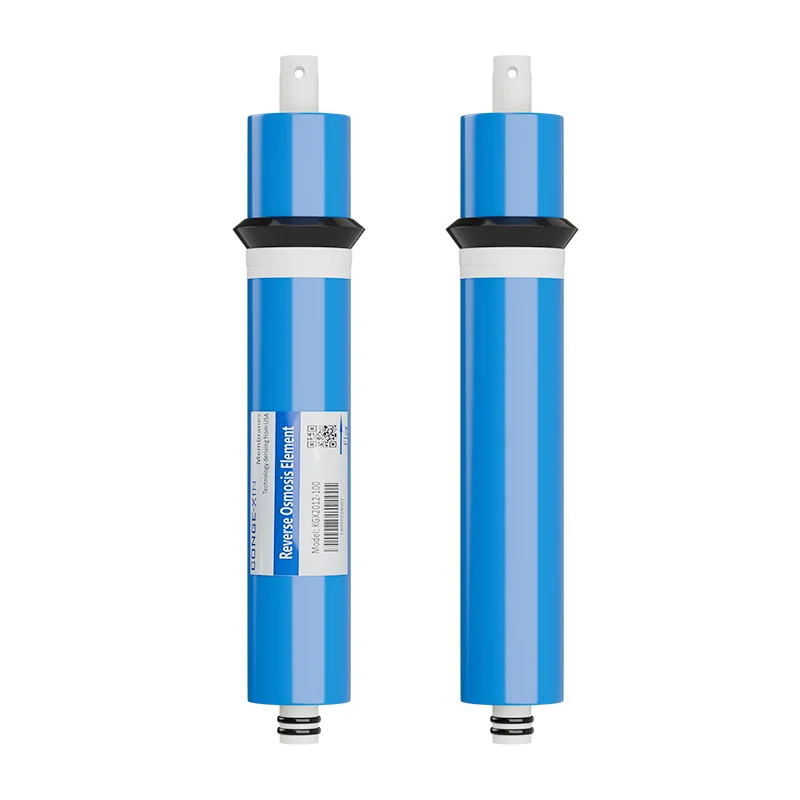
5. AliExpress Budget RO Membrane Replacement
Let’s be clear: this is not a complete system. This is a budget RO membrane for DIYers and tinkerers. If you have an existing system and need a cheap, compatible membrane, it’s worth a look. But buyer beware. There’s no third-party NSF certification listed. Quality control can be hit or miss. We’d only recommend this if you’re comfortable testing your water output yourself and understand it’s a gamble on longevity.
- Extremely low cost for a replacement membrane
- Available in multiple GPD ratings
- Good for experimental or secondary systems
- No independent certification listed
- Quality and lifespan are uncertain
- You’re on your own for support
Frequently Asked Questions
- How often do I need to change the filters?
- Pre-filters and post-filters typically need changing every 6-12 months. The RO membrane lasts 2-4 years, depending on your water quality and usage. Don’t skip this—old filters can degrade performance and even release trapped contaminants back into your water.
- Can I install an RO system myself?
- Yes, if you’re moderately handy. You’ll need to drill a hole in your sink or countertop for the faucet, connect to your cold water line, and run a drain line. Most systems come with clear instructions. If you’re not comfortable, hire a plumber. It’s a 1-2 hour job.
- Does RO water leach minerals from your body?
- No, that’s a persistent myth. Your body absorbs minerals from food primarily, not water. Drinking RO water does not “pull” minerals from your body. If you’re concerned about mineral intake, eat a balanced diet or choose a system with a remineralization stage.
- What’s the difference between a Culligan under sink water filter and an RO system?
- A standard under-sink filter (like a Culligan) usually uses carbon blocks to reduce chlorine, taste, and odor. An RO system does that plus uses a membrane to remove dissolved solids, heavy metals, and more. RO is a much more thorough purification process.
- Is a tankless RO system better?
- “Better” depends on your priorities. Tankless systems save space and never run out of water, but they cost more and need power. Traditional tanks are cheaper and simpler. For most families, a tank system is perfectly fine and more economical.
- Do I need a UV stage?
- Only if you have microbiologically unsafe water, which is common with private wells. If you’re on a treated municipal supply, the RO membrane and carbon filters are sufficient. You can always add a UV unit later if your situation changes. It’s not a bad idea to keep a backup like a hydrogen water pitcher for emergencies, though it’s a different technology.
Final Thoughts
Choosing the best RO water system for your home comes down to your water source, your budget, and your kitchen space. After all my testing, I keep coming back to the value of a solid, certified, multi-stage tank-based system like the Geekpure 6-Stage with Alkaline filter. It delivers clean, great-tasting water without breaking the bank. If you crave modern efficiency and have the budget, the ROWF-05 tankless model is a superb upgrade.
Don’t overcomplicate it. Get your water tested first. Then pick a system with the right certifications for your contaminants. Change your filters on schedule. That’s it. You’ll have better water than 99% of bottled brands for a fraction of the cost. And if you’re also considering whole-home treatment, remember that an RO system pairs perfectly with a water softener—you can use that water softener size calculator to tackle hardness at the source. Even your shower water can benefit from a dedicated inline shower filter for chlorine removal.
