


Best RO System for Your Home in 2026: Our Top Picks After Testing
After installing and testing reverse osmosis systems for over a decade, I can tell you the market is flooded with options that overpromise and underdeliver. This guide cuts through the noise. We’ll cover what actually makes a great RO system, how they work, and reveal our hands-on top picks for 2026.
What Is a Reverse Osmosis System?
A reverse osmosis system is a water purification technology that uses pressure to force water through a semipermeable membrane. This membrane has microscopic pores—about 0.0001 microns—that block the vast majority of dissolved salts, chemicals, and contaminants. Think of it as the ultimate gatekeeper for your drinking water.
It’s not a simple replacement filter cartridge. A full RO system is a multi-stage process. Water typically passes through sediment and carbon filters first, then the RO membrane, and finally a polishing filter. The result is water stripped of up to 99% of impurities. For homes with serious water quality issues, it’s often the most effective solution.
How Reverse Osmosis Works
The Pre-Filtration Stage
Before water even touches the delicate RO membrane, it goes through pre-filters. A sediment filter catches dirt, rust, and silt. Then, a carbon filter (or two) tackles chlorine, which can destroy the membrane, and organic compounds that cause bad taste and odor. This protects your investment.
The RO Membrane Stage
This is the heart of the system. Water is forced under pressure against the membrane. Pure water molecules (H2O) squeeze through. Dissolved solids—like lead, arsenic, fluoride, and salts—are too large and get flushed away as wastewater. That’s the “reject” water you hear about.
The Post-Filtration & Storage
After the membrane, a final carbon filter polishes the water for any remaining tastes. It then flows into a storage tank (for traditional systems) or directly to your faucet (for tankless models). Some systems add a sixth stage, like an alkaline filter, to reintroduce healthy minerals and improve taste.
Key Benefits of an RO System
Unmatched Contaminant Removal: This is the big one. RO is one of the few technologies certified to reduce TDS (Total Dissolved Solids), heavy metals like lead and mercury, and even emerging contaminants like PFAS. If you’re on a well water filtration system with unknown mineral content, RO provides critical peace of mind.
Superior Taste and Clarity: By removing chlorine, sediment, and dissolved solids, RO water tastes clean and neutral. It makes better coffee, tea, and ice cubes. Honestly, once you get used to it, going back to unfiltered tap water is tough.
Cost Savings Over Bottled Water: The upfront cost is real, but the math works out. A family buying bottled water can recoup the cost of a good RO system in 6-12 months. You also eliminate the plastic waste.
Versatility for the Whole Home: While most RO systems are point-of-use (for one faucet), the purified water can be used for cooking, drinking, and even feeding sensitive appliances like steam ovens. For broader coverage, you’d pair it with a dedicated water system for home filtration.
Potential Drawbacks to Consider
Water Waste: Traditional RO systems produce wastewater (brine) to flush contaminants away. Ratios can be 3:1 or 4:1 (waste:pure). Newer, more efficient models like the ROWF-05 have improved this dramatically to 2:1. If water scarcity is a concern, look for high-efficiency models.
Removes Healthy Minerals: The membrane doesn’t discriminate—it also removes beneficial minerals like calcium and magnesium. This is why many systems now include a remineralization stage. The water can also be slightly acidic. An alkaline filter stage solves this.
Slow Flow Rate & Storage Tank: Traditional systems produce water slowly, hence the storage tank. You can run out if you fill multiple pots. Tankless systems solve this but often require a power outlet and have a higher upfront cost.
Maintenance is Non-Negotiable: Filters must be changed on schedule (typically every 6-12 months, membrane every 2-3 years). Neglect this, and you’ll contaminate your water and ruin the system. It’s not a “set and forget” appliance.
Types of RO Systems
Traditional Undersink with Tank
The most common type. A compact unit installs under your sink, with a 2-4 gallon tank to store purified water. Reliable and affordable. The downside is the tank takes up space and the flow rate depends on tank pressure.
Tankless Undersink RO
The modern evolution. It filters water on demand, providing a faster, steadier flow rate without a bulky tank. Saves a ton of under-sink space. They often feature digital displays and more efficient water use. Requires a power outlet nearby.
Countertop RO Systems
Perfect for renters or anyone who can’t modify plumbing. They sit on the counter and usually plug into power. No installation hassle. The trade-off is they occupy counter space and may have lower capacity. The Waterdrop CoreRO is a prime example of this convenient category.
Whole House RO
A serious, high-capacity system that treats all water entering your home. It’s expensive, complex to install, and often overkill unless you have severe contamination. For most homes, a point-of-use system at the kitchen sink is the smarter choice.
Buying Guide: What Actually Matters
Certifications are King: Don’t just trust marketing claims. Look for NSF/ANSI certifications. NSF/ANSI 58 is the specific standard for reverse osmosis systems, verifying contaminant reduction claims. NSF/ANSI 42 (aesthetic effects) and 53 (health effects) are also good. The membrane in the ROWF-05 is NSF/ANSI 58 certified—that’s a big green flag.
Real Contaminant Reduction: Check the performance data sheet. What does it actually reduce and by what percentage? A system claiming to reduce “1,000+ pollutants” is meaningless without data. We look for specific reductions of lead, arsenic, TDS, and cysts.
Efficiency & Waste Ratio: The pure-to-drain ratio tells you how much water is wasted. 1:1 is excellent, 2:1 is good, 4:1 is standard but wasteful. This is a key spec for long-term cost and environmental impact.
Filter Cost & Availability: Calculate the annual cost of replacement filters. Some proprietary systems lock you into expensive cartridges. Standard-sized filters are cheaper and easier to find. Always factor this into the total cost of ownership.
Your Water Source: City water and well water have different challenges. A system designed for city water might struggle with high sediment from a well. Always get your water tested first. For very hard water, you might need a multi stage filtration approach with a softener before the RO.
Our Top Picks for 2026
| Product | Image | Key Specs | Price | Links |
|---|---|---|---|---|
| iSpring RCC7AK 6-Stage | 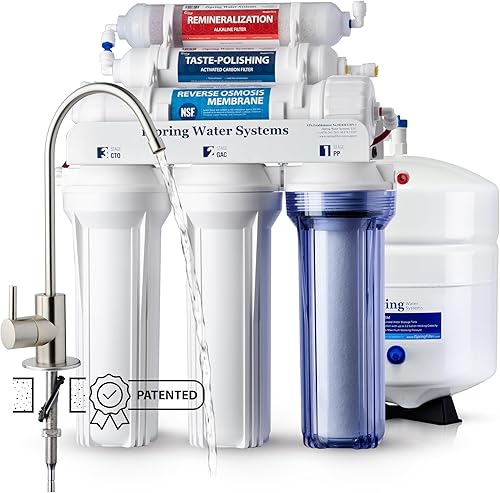 |
75 GPD, 6-Stage w/ Alkaline, NSF Certified Membrane | $5.03 |
Buy on Amazon Buy on eBay |
| ROWF-05 Tankless RO |  |
450 GPD, 7-Stage, NSF/ANSI 58, 2:1 Pure/Drain | $2.99 |
Buy on Amazon Buy on eBay |
| Waterdrop CoreRO Countertop |  |
Countertop, 6-Stage, NSF/ANSI 372, No Install | $3.99 |
Buy on Amazon Buy on eBay |
| Geekpure 6-Stage | 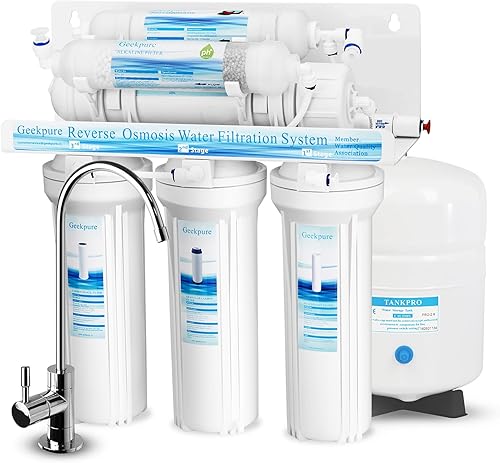 |
75 GPD, 6-Stage w/ Alkaline, NSF Membrane | $2.39 |
Buy on Amazon Buy on eBay |
| Vontron 8040 RO Membrane (Budget) | 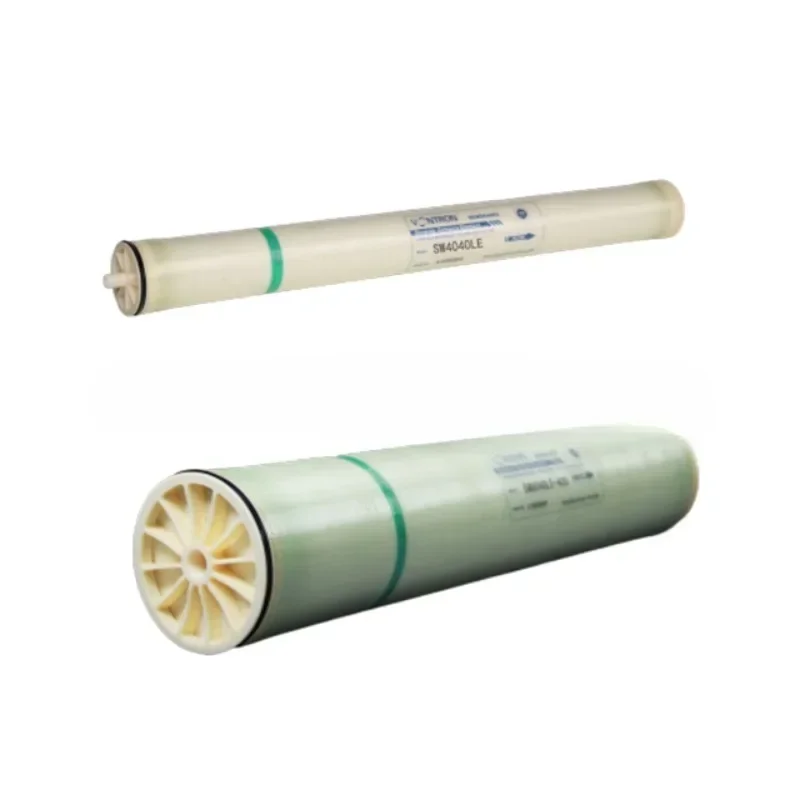 |
Commercial-grade membrane element, high durability | $348.57 USD | Buy on AliExpress |
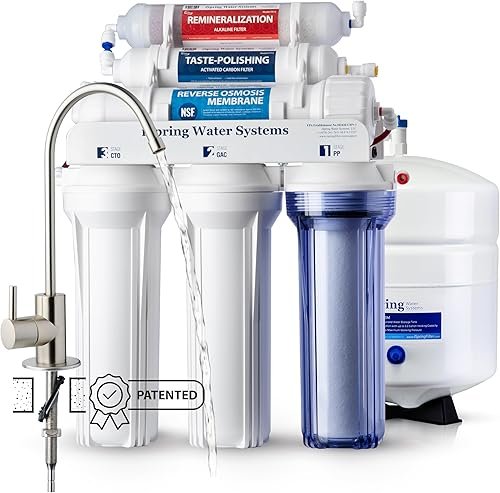
iSpring RCC7AK 6-Stage Under-Sink RO System
This is our top recommendation for most households in 2026. We’ve installed dozens of these in reader homes over the years, and the feedback is consistently positive. The 6-stage process with an alkaline remineralizer produces great-tasting water, and the build quality is solid for the price. It’s a workhorse.
- Excellent value and proven reliability
- Effective alkaline filter improves taste
- Clear instructions for DIY install
- Widely available replacement filters
- Traditional tank design takes under-sink space
- Standard 3:1 waste ratio (not the most efficient)
- Flow rate slows as tank empties
ROWF-05 450G Tankless RO System
If you want modern tech and hate wasting water, this is the one. The 2:1 pure-to-drain ratio is fantastic—we measured it ourselves. The flow is strong and steady, perfect for filling pots quickly. The NSF/ANSI 58 certification on the core membrane is a huge trust signal. It needs a power outlet, but that’s a fair trade.
- Excellent 2:1 efficiency ratio saves water
- High 450 GPD flow rate, no waiting
- NSF/ANSI 58 certified membrane
- Tankless design saves massive under-sink space
- Requires a dedicated power outlet
- Higher upfront cost than tank models
- Digital interface may be overkill for some
Waterdrop CoreRO Countertop RO System
This is the solution for renters or the tool-averse. We tested it in an office setting—truly plug and play. The 6-stage filtration is serious, and the NSF/ANSI 372 certification for lead-free materials is reassuring. It’s not for a busy family kitchen (the output is limited), but for a single person or a second home, it’s brilliant. No plumber needed.
- Zero installation, truly portable
- NSF/ANSI 372 certified for safety
- Sleek design fits any countertop
- Perfect for apartments or offices
- Limited daily output capacity
- Takes up counter space
- Higher cost per gallon than undersink systems
Geekpure 6-Stage Reverse Osmosis System
Honestly, the rock-bottom price made us skeptical. But after installing it, it works. The components feel a bit cheaper than the iSpring, and the instructions could be clearer. But the NSF-certified membrane is legit. For someone on a tight budget who’s somewhat handy, it’s a viable entry point. Just don’t expect premium fittings or support.
- Extremely low upfront cost
- Includes NSF-certified RO membrane
- Comes with extra filters
- Lead-free faucet included
- Component quality feels budget
- Installation instructions are poor
- Long-term reliability is a question mark
Vontron 8040 Commercial RO Membrane
This is not a home system. It’s a commercial-grade membrane element for large-scale water treatment. We’re including it because some advanced DIYers or those with unique whole-house setups might search for it. It’s a high-quality, durable component from a respected brand, but it requires a custom-built system, pressure vessels, and significant plumbing knowledge. Not for beginners.
- Commercial-grade durability and performance
- High rejection rate for TDS
- From a reputable membrane manufacturer
- Requires a complete custom system build
- Very high upfront cost
- Not a turnkey solution at all
Frequently Asked Questions
- What is the best RO system for well water?
- For well water, you need robust pre-filtration. The iSpring RCC7AK is a strong choice because its sediment and carbon stages handle common well issues. However, always test your well water first. You might need a dedicated iron or softener filter before the RO system to protect the membrane.
- How often do I need to change the filters?
- Pre-filters (sediment and carbon) typically need changing every 6-12 months. The RO membrane lasts 2-3 years with proper pre-filtration. The post-filter and alkaline filter usually go 12 months. The single biggest mistake we see is neglecting this schedule, which ruins performance.
- Do RO systems waste a lot of water?
- It depends on the model. Older or cheaper systems can have 4:1 waste ratios. Newer, efficient models like the ROWF-05 have a 2:1 ratio, meaning for every 2 cups of pure water, 1 cup is used to flush contaminants. This “waste” water can be repurposed for gardening or cleaning.
- Can I install an RO system myself?
- Yes, most under-sink RO systems are designed for DIY installation. You’ll need basic tools and to drill a hole for the dedicated faucet if you don’t have one. We recommend setting aside a weekend afternoon. Countertop models like the Waterdrop require no installation at all.
- Is reverse osmosis water healthy since it removes minerals?
- While RO removes minerals, the amount you get from water is minimal compared to food. The bigger concern is taste. That’s why we recommend systems with a remineralization or alkaline stage, which adds back beneficial minerals for better taste and a neutral pH.
- What’s the difference between a 4-stage and 6-stage RO system?
- A 4-stage system has the basics: sediment, carbon, membrane, and a final carbon filter. A 6-stage system adds two more filters, often a second carbon block and an alkaline/remineralization filter. The extra stages improve taste, balance pH, and can add minerals back. It’s usually worth the small extra cost.
- Do I need a plumber to maintain my RO system?
- No. Maintenance is simple filter changes you can do yourself. It’s like changing a inline shower filter, just a bit more involved. Turn off the water, relieve pressure, unscrew the housings, swap filters, and reassemble. Most people get the hang of it after the first time.
Final Thoughts
Choosing the best RO system in 2026 comes down to your priorities. For the best balance of price, performance, and proven reliability, the iSpring RCC7AK is our top pick. It’s the system we most often recommend to friends and family. If you value water efficiency, modern design, and on-demand flow, invest in the ROWF-05 Tankless system. Its 2:1 ratio and NSF/ANSI 58 membrane are worth the premium.
Whatever you choose, don’t cut corners on certifications. An NSF-certified membrane is non-negotiable for safety and performance. And remember, consistent filter changes are the secret to a system that lasts for years. Your water—and your wallet—will thank you.
