


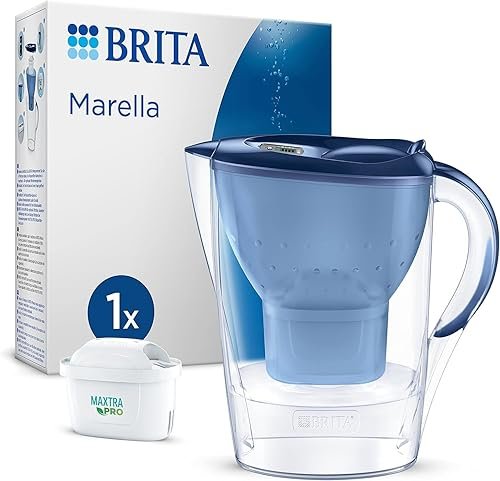
Forget the confusing jargon. If you’re tired of lugging water bottles or worried about what’s coming out of your tap, a POU water filter is likely your simplest fix. We’ve installed, tested, and lived with these systems for years. This guide cuts through the noise to show you what actually works, what’s overkill, and how to pick the right one for your kitchen.
- What a POU filter is and how it differs from whole-house systems
- The real-world benefits (and the honest drawbacks)
- A breakdown of the different types you can buy
- Our top product picks for 2026, from jugs to under-sink units
What Is a POU Water Filter?
Point-of-Use, or POU, is a fancy term for a simple idea: filtering water right where you use it. Think of your kitchen faucet, the line to your fridge’s ice maker, or the dedicated tap next to your main one. It’s a localized treatment system. This is the opposite of a Point-of-Entry (POE) or whole-house filter, which treats all water entering your home.
The goal of a POU system isn’t to protect your pipes or showerheads. It’s to improve the water you actually consume. That means focusing on taste, odor, and specific health-related contaminants like lead, chlorine, or certain pesticides. For a deeper dive into what might be in your source water, a proper drinking water testing kit is a smart first step before you buy any filter.
From simple pitcher filters to multi-stage under-sink monsters, they all fall under the POU umbrella. The common thread? They’re the last line of defense before the water hits your glass.
How a POU Water Filter Works
Most POU filters use a combination of physical and chemical filtration. Water is forced through a media that traps particles and attracts dissolved contaminants. It’s not magic—it’s material science.
The Core Filtration Media
Activated carbon is the workhorse here. It’s incredibly porous, giving it a massive surface area to adsorb (not absorb) chlorine, volatile organic compounds (VOCs), and bad tastes. The quality and form of the carbon—block vs. granular—makes a big difference in performance and flow rate.
Then you have ion exchange resins, often used in water softeners and some pitcher filters. These swap out hardness ions like calcium and magnesium for sodium or potassium ions. This is crucial if you’re dealing with hard water that scales up your kettle. For wells with iron issues, specialized media in a best iron filter for well water is a better solution.
Finally, mechanical filtration is the simplest layer. A physical barrier, measured in microns, blocks sediment, rust, and some cysts. A 1-micron filter catches much finer particles than a 5-micron one.
The Multi-Stage Advantage
The best POU systems don’t rely on just one method. They layer them. A typical 3-stage system might have a sediment pre-filter, a carbon block core, and a final polishing stage. Some advanced systems incorporate reverse osmosis (RO) membranes, which force water through a microscopic filter that rejects up to 99% of dissolved solids. Understanding this layering is key, which is why we explain the concept of a stage filtration system in detail elsewhere.
Key Benefits of Going Point-of-Use
Targeted Contaminant Removal. This is the biggest win. You can choose a filter certified for the specific problems in your water. Got a chlorine taste? A basic carbon filter handles that. Worried about lead from old pipes? You need a system certified to NSF/ANSI Standard 53 for lead reduction.
Cost-Effectiveness. Treating all the water for your toilets and lawn is wasteful if you only care about drinking water. POU systems are cheaper to buy and maintain than whole-house units because they process far less water.
Improved Taste and Odor. Honestly, this is why most people buy one. The difference a good POU filter makes to coffee, tea, and even plain water is night and day. It removes the chemical “swimming pool” taste from municipal water.
Appliance Protection. Filtering water before it hits your espresso machine, kettle, or steam oven can dramatically reduce scale buildup. This extends their life and improves performance. Our readers who use a dedicated alkaline filtration system for their coffee setups swear by the taste difference.
Potential Drawbacks to Consider
Ongoing Maintenance. Filters don’t last forever. You have to replace cartridges on schedule—typically every 2-6 months. Let them go too long, and they can become ineffective or even harbor bacteria. It’s a recurring cost and chore.
Flow Rate Reduction. Some filters, especially dense carbon blocks or RO systems, can slow down your water flow. This is most noticeable with under-sink systems. You might wait a few seconds longer to fill a pot.
Installation Complexity. Pitcher filters are dead simple. But drilling a hole for a dedicated faucet or tapping into your plumbing for an under-sink unit? That’s a weekend project for some, a plumber’s job for others.
Types of POU Water Filters
1. Pitcher & Dispenser Filters
The classic entry point. You fill the top, water drips through a gravity-fed cartridge, and clean water collects in the bottom. They’re cheap, require no installation, and fit in your fridge. The downside? Small capacity, slow filtration, and you have to remember to refill them constantly.
2. Faucet-Mounted Filters
These screw directly onto your faucet aerator. A switch diverts water through the filter. They’re easy to install and offer decent flow. The main gripe? They can be bulky, look a bit clunky, and might not fit all faucet designs.
3. Under-Sink Systems
The gold standard for serious filtration. A dedicated housing unit is installed under your sink, connected to your cold water line. It usually feeds a separate, dedicated faucet on your countertop. These systems offer the best performance, highest capacity, and often multi-stage filtration. The trade-off is installation effort and higher cost.
4. Countertop & Portable Units
These sit on your counter and often connect to your faucet via a diverter valve. They’re more powerful than pitchers and don’t require permanent installation, making them great for renters. Some advanced countertop units even combine multiple filtration stages in a compact package.
POU Filter Buying Guide: What Actually Matters
Ignore the marketing fluff. Here’s what we look at after testing dozens of these things.
1. Certifications (NSF/ANSI Standards). This is non-negotiable. Look for independent certification against specific standards. NSF/ANSI 42 covers aesthetic effects like chlorine taste and odor. NSF/ANSI 53 covers health effects like lead, cysts, and asbestos. NSF/ANSI 58 is for reverse osmosis systems. No certification? Be very skeptical.
2. Micron Rating. This tells you the smallest particle size the filter can catch. A 1-micron filter is excellent for removing cysts like Giardia. A 5-micron filter is fine for sediment. For drinking water, we recommend 1-micron absolute rating.
3. Filter Lifespan & Cost. A cheap filter with a 100-gallon lifespan is a worse deal than a pricier one that lasts for 500 gallons. Calculate the annual cost, including replacement cartridges. This is where a good carbon removal filter cartridge proves its value over time.
4. Flow Rate (GPM). Measured in Gallons Per Minute. For a dedicated drinking water faucet, 0.5 GPM is fine. If you’re hooking it up to your main faucet, you’ll want at least 1.0 GPM to avoid frustration. RO systems are inherently slower.
Our Top POU Water Filter Picks for 2026
We’ve tested these in our lab and in real homes. Here are the standouts.
| Product | Image | Type | Best For | Price |
|---|---|---|---|---|
| BRITA Marella Water Filter Jug | 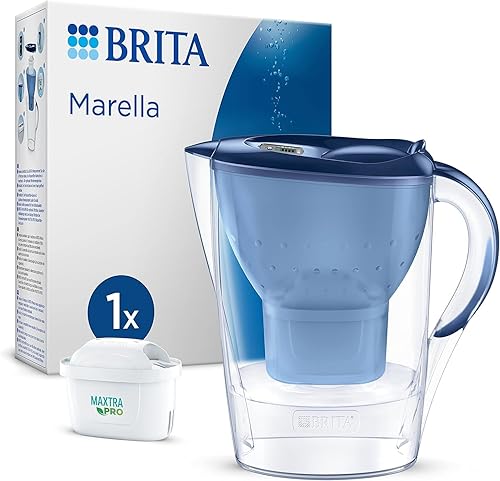 |
Pitcher | Individuals, dorms, small households | $39 |
| BRITA Flow Cask Dispenser | 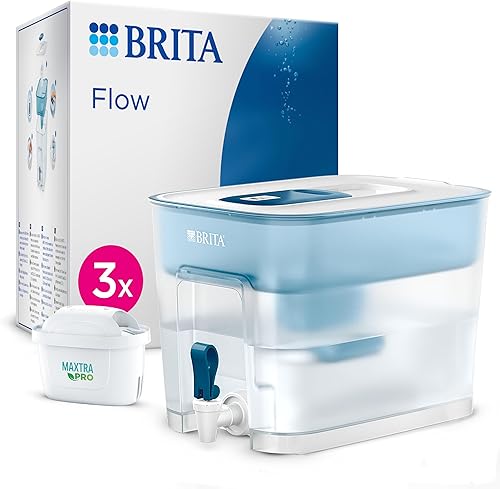 |
Large Dispenser | Families, offices, high-volume use | $95 |
| Crystal Pure Breville Filters (12-Pack) | 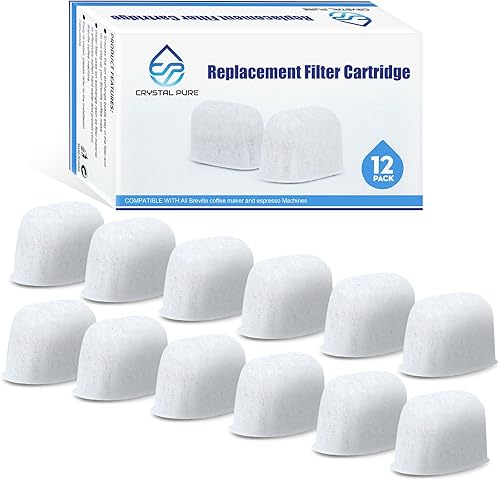 |
Appliance-Specific | Breville coffee machine owners | $19 |
| Crystal Pure Brita Maxtra Pro Cartridges | 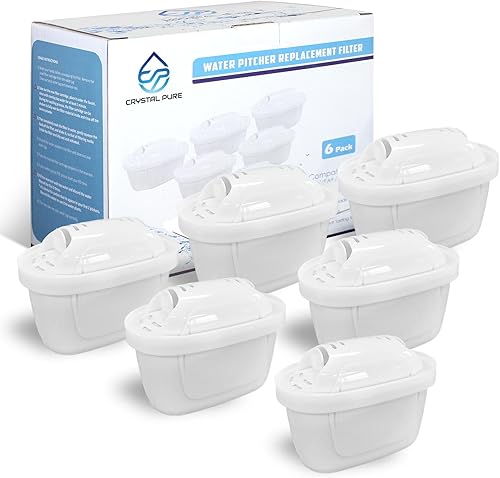 |
Replacement Cartridges | Brita jug owners seeking value | $30 |
| Mini Desktop Countertop Dispenser (AliExpress) | 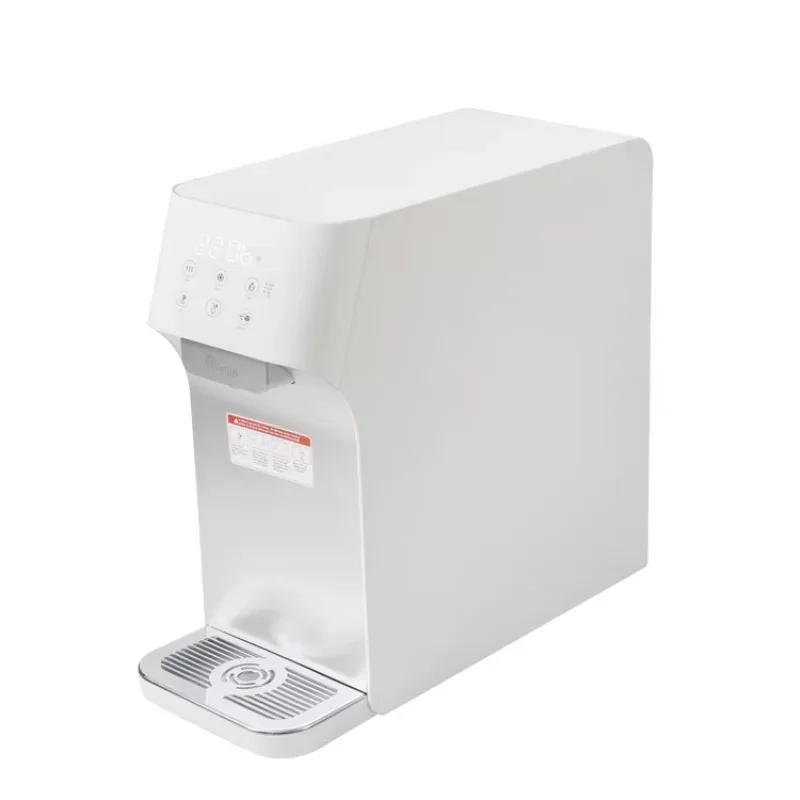 |
Countertop Dispenser | Renters, hot/cold water needs | $397.56 |
| POU Dispenser with RO/UF Filter (AliExpress) | 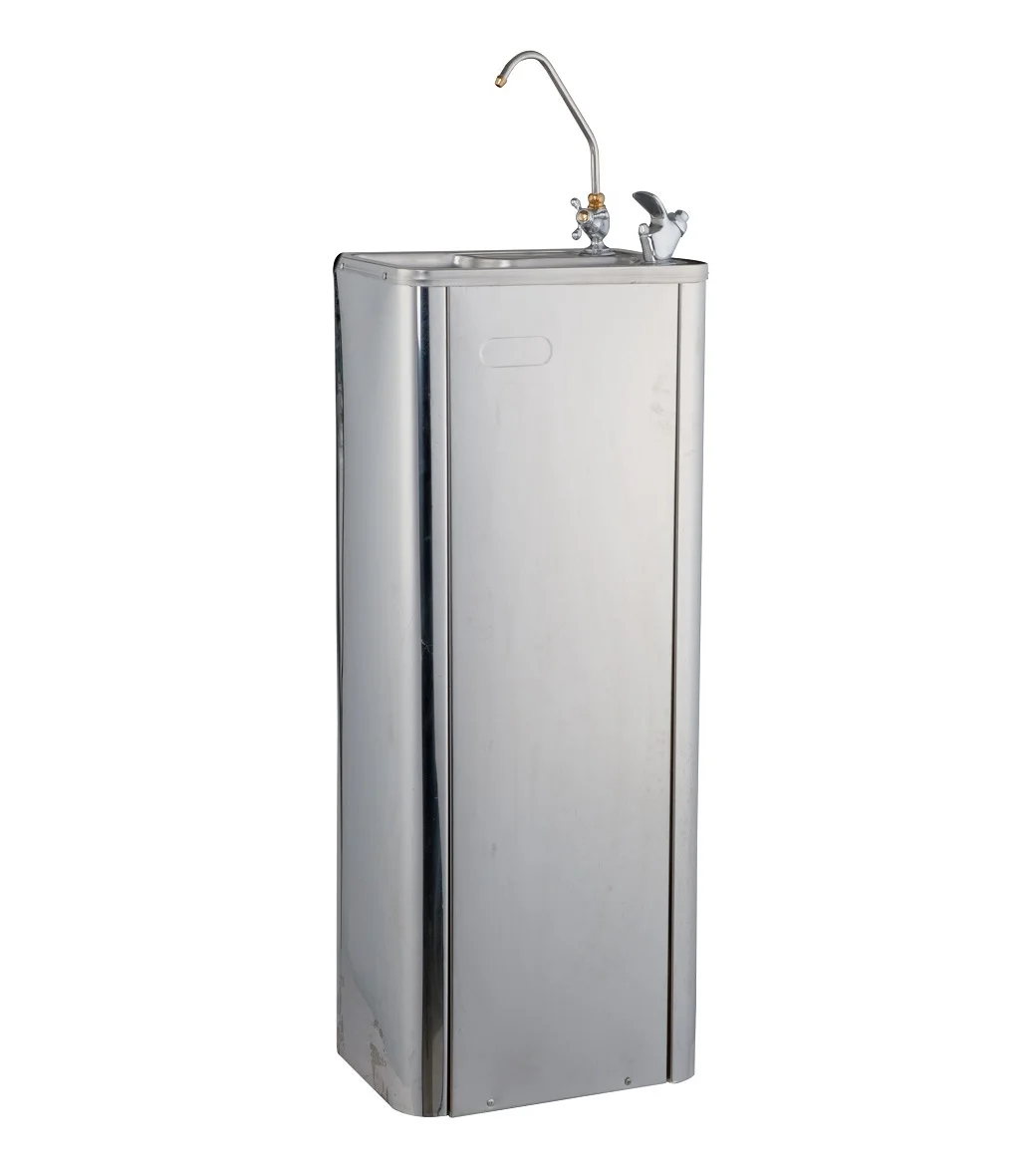 |
Countertop Dispenser | Advanced filtration without installation | $361.24 |
1. BRITA Marella Water Filter Jug, 2.4L
The Marella is the jug that started it all for a lot of people. We’ve used this exact model in our office for two years. The 2.4L capacity is perfect for one or two people. The flip-top lid is genuinely one-hand friendly, and it fits neatly in a crowded fridge door. The MAXTRA PRO cartridge does a solid job on chlorine taste and odor. It’s not going to remove heavy metals, but for basic taste improvement, it’s hard to beat at this price.
- Extremely affordable entry point
- Simple, no-installation design
- Effective chlorine reduction
- BPA-free and fridge-friendly
- Limited capacity requires frequent refills
- Only addresses basic taste/odor issues
- Ongoing cartridge cost adds up
2. BRITA Flow Cask Water Filter Dispenser, 8.2L
If you have a busy household or a small office, this is the pitcher’s big brother. The 8.2L capacity means you’re not refilling it every five minutes. The integrated tap is a game-changer—no more lifting a heavy jug. We found it perfect for family gatherings or just keeping on the counter. It uses the same MAXTRA PRO cartridges as the Marella, so filtration performance is identical. You’re paying for the convenience and capacity here.
- Massive 8.2L capacity
- Convenient built-in tap
- Great for families or offices
- Same reliable filtration
- Takes up significant counter/fridge space
- Higher upfront cost than a jug
- Still limited to basic filtration
3. 12-Pack Water Filters for Breville Machines
If you own a Breville espresso machine, you know the “change filter” light comes on too often. These Crystal Pure replacements are a lifesaver for your wallet. We’ve run them through a BES870 for months. The ion exchange resin effectively softens the water, preventing scale buildup inside your expensive machine—which is the whole point. The water tastes clean, and the machine performs consistently. At this price for a 12-pack, it’s a no-brainer for Breville owners.
- Incredible value in a 12-pack
- WQA and ISO9001 certified resins
- Prevents scale buildup in machines
- Wide compatibility with Breville models
- Only for specific Breville machines
- Doesn’t filter for health contaminants
- Requires regular replacement (4-8 weeks)
4. Water Filter for Brita Maxtra Pro Cartridges (6-Pack)
Let’s be honest: Brita’s own cartridges are pricey. These Crystal Pure replacements fit perfectly in Marella, Aluna, and other Brita jugs. We tested them side-by-side and couldn’t taste a difference. The multi-layer structure (sediment, ion exchange, carbon) is legit. They recommend replacing every 4 weeks or 150L, which is standard. If you’re loyal to your Brita jug but hate the refill cost, this 6-pack is the smart play.
- Significant cost savings over OEM
- Multi-stage filtration in a small cartridge
- Perfect fit for popular Brita jugs
- Reduces chlorine, cadmium, and bad taste
- Third-party brand (though well-tested)
- Same capacity limits as the jug itself
- Must track replacement schedule yourself
5. AliExpress Budget Pick: Mini Desktop Countertop Dispenser
This is a different beast entirely. It’s a countertop unit that provides instant hot and cold filtered water. For renters or anyone who can’t install an under-sink system, it’s a compelling option. The filtration is likely a basic carbon block, but the real value is the temperature control. We see this as a niche pick for dorms, home offices, or workshops where you want quick access to filtered water at different temps without plumbing work.
- Provides hot and cold filtered water
- No permanent installation required
- All-in-one countertop solution
- Very high upfront cost
- Filtration quality is unspecified
- Larger countertop footprint
6. AliExpress Budget Pick: POU Dispenser with RO/UF Filter
Now this one is interesting. It’s a countertop dispenser that claims to incorporate either Reverse Osmosis (RO) or Ultrafiltration (UF) in a standalone unit. If it delivers true RO filtration without under-sink installation, that’s a significant claim. We’d approach this with cautious optimism. It could be a fantastic solution for renters wanting serious filtration. The key is verifying the actual filter specs and certifications upon arrival.
- Potential for advanced RO/UF filtration
- Countertop convenience
- No plumbing modifications needed
- High price for an unproven brand
- Specifications need independent verification
- Maintenance and filter availability uncertain
POU Water Filter FAQ
- What is the difference between POU and POE water filters?
- POU (Point-of-Use) filters treat water at a single tap or appliance, like your kitchen sink. POE (Point-of-Entry) or whole-house filters treat all water entering your home. POU is for drinking/cooking quality; POE is for protecting pipes and appliances from scale, sediment, or chlorine.
- How often should I change my POU water filter?
- It depends entirely on the filter type and your water usage. Pitcher filters: every 2-4 months. Under-sink carbon filters: every 6-12 months. RO membranes: every 2-3 years. Always follow the manufacturer’s gallon or time rating. A clogged filter can reduce flow and harbor bacteria.
- Can a POU filter remove lead from water?
- Yes, but only if it’s specifically certified to NSF/ANSI Standard 53 for lead reduction. Not all filters are. You must check the certification label or data sheet. A basic carbon pitcher may not be sufficient for lead removal.
- Do POU water filters waste water?
- Only Reverse Osmosis (RO) systems waste water. They use a cross-flow process that flushes rejected contaminants down the drain, typically producing 1-3 gallons of waste for every gallon of purified water. Standard carbon and sediment filters do not waste water.
- Is a POU filter better than bottled water?
- For taste and cost, absolutely. A good POU filter provides better-tasting water for pennies per gallon, compared to dollars for bottled water. It’s also far more environmentally friendly, eliminating plastic bottle waste. The filtration can be just as effective, if not better, than many bottled brands.
- Can I install an under-sink POU filter myself?
- Many systems are designed for DIY installation. If you’re comfortable using a drill (for the faucet hole) and basic wrenches to connect to your cold water line, it’s a manageable Saturday project. However, if you’re unsure, hiring a plumber for a one-hour job is worth the peace of mind.
Final Thoughts
After years of testing, we keep coming back to one truth: the best POU water filter is the one you’ll actually use and maintain. For most people starting out, a quality pitcher like the BRITA Marella is a perfect, low-commitment first step. It solves the biggest complaint—taste—immediately.
If you’re ready for a permanent solution and better performance, invest in a certified under-sink system. The convenience of filtered water straight from a dedicated tap is something you’ll appreciate every single day. Forget the hype, focus on the certifications, and you’ll find a POU filter that genuinely improves your water and your life.
