


Thinking about a portable purifier? You’re not alone. Whether it’s for travel, a small apartment, or just peace of mind, these little devices are everywhere. But most people buy the wrong one. They grab the cheapest option without considering what it actually filters. Let’s fix that.
- What a portable purifier really is (and isn’t)
- The key differences between air and water models
- Our hands-on experience with the top picks for 2026
- How to choose based on your actual needs, not marketing hype
What Is a Portable Purifier?
Forget the marketing jargon. A portable purifier is simply a device you can move that cleans something—usually air or water. In the air purification world, it’s a small unit with a fan and a filter, designed for a single room or your personal space. For water, it’s a handheld gadget that removes contaminants from a stream, a hotel tap, or a questionable bottle.
The key word is “portable.” We’re not talking about whole-house systems. These are for specific situations: travel, dorm rooms, offices, or outdoor adventures. The single biggest mistake we see is people confusing the two categories. An air purifier won’t make stream water safe to drink. A water filter won’t remove pet dander from your bedroom. Knowing the difference is step one.
How Portable Purifiers Work
Air Purification Mechanics
Most portable air purifiers pull air in with a fan and force it through a filter. The gold standard is a True HEPA filter, which by definition captures 99.97% of particles down to 0.3 microns. That includes dust, pollen, mold spores, and pet dander. Some add a layer of activated carbon—this is the same tech you’d find in a carbon filter cartridge for water—to tackle odors and gases.
You’ll also see UV light and ionizers. Honestly, in our testing, the HEPA filter does 95% of the work. The extras are often just marketing. A small unit can clean the air in its immediate vicinity, say a 3-foot bubble around you. Don’t expect it to purify a whole living room.
Water Purification Mechanics
Portable water purifiers are more critical for health. They typically use a physical barrier, like a hollow-fiber membrane with pores as small as 0.1 or 0.02 microns. This physically blocks bacteria, protozoa, and sediment. Many combine this with an activated carbon stage to improve taste and reduce chemicals like chlorine.
Think of it like a mini version of a whole house ceramic filter, but sized for a water bottle. The flow rate is slow, but that’s the trade-off for safety. Some advanced models even incorporate small amounts of iodine or other media for virus removal, which is crucial in developing regions.
Key Benefits
Localized Control. This is the biggest win. You can create a clean air zone at your desk or in your hotel bed. For water, you gain independence from bottled water and questionable taps. It’s about controlling your immediate environment.
Allergy and Asthma Relief. We’ve received countless emails from readers who found relief with a portable HEPA unit next to their pillow. Models certified by programs like Sensitive Choice are vetted for this exact purpose. It’s a targeted solution.
Travel Confidence. Whether it’s a smoky airport lounge or a rural village with no water treatment, a good portable purifier removes a major variable. You’re not relying on someone else’s infrastructure. This is especially true for water; a reliable filter is non-negotiable for off-grid travel.
Potential Drawbacks
Battery life can be a pain. Many “portable” air purifiers still need a USB cable. Truly cordless models often have weak airflow. For water, pumping or squeezing a filter is manual labor. It’s not hard, but it’s not as convenient as turning on a tap.
Cost per gallon of clean water or per cubic foot of clean air is higher than with installed systems. You’re paying for the portability. And please, don’t think a $20 “personal air purifier” necklace does anything meaningful. In our tests, they’re pure gimmick.
Types of Portable Purifiers
Personal Air Purifiers (Wearable/Desk)
These are the smallest. Think neck-worn ionizers or tiny desktop units. We’re skeptical. Most lack a true HEPA filter and have negligible airflow. The Sunbeam On-The-Go model we review below is a rare exception—it’s a proper, if small, HEPA unit.
Portable Room Air Purifiers
Step up in size. These are for bedrooms, offices, or dorm rooms up to about 200 sq ft. They have a real fan and a real HEPA filter. The Coway models here are prime examples. They’re portable in the sense you can move them room to room, not that you’d backpack with them.
Pump & Squeeze Water Filters
The workhorses of backcountry travel. You pump water from a source through a filter into a clean bottle. Reliable, but slow and requires effort. Great for groups.
Straw & Bottle Filters
Drink directly through a filter straw or use a bottle with a built-in filter. Ultimate simplicity for solo hikers. Capacity is limited, and they can clog with silty water.
UV Light Purifiers (Water)
These use ultraviolet light to scramble the DNA of viruses and bacteria. They’re fast and effective against pathogens but do nothing for sediment or chemicals. They also need power. Often used in conjunction with a physical filter for a complete solution.
Buying Guide: What Actually Matters
For Air: Focus on the Filter, Not the Gadget. Insist on a True HEPA filter. Check the room size rating (in square feet or meters) and be honest about your space. A unit rated for 150 sq ft will fail in a 300 sq ft room. Look for third-party certifications like ECARF or Sensitive Choice.
For Water: Know Your Contaminants. Are you filtering city tap water for taste? A simple whole house chlorine filter style activated carbon cartridge in a portable form will do. Are you facing agricultural runoff or natural sources? You need a purifier with a sub-micron filter, often rated for bacteria and protozoa. If you’re dealing with well water that has rust, you might need something that addresses iron, similar to how an iron water filter works, but in a portable format.
Portability vs. Performance. This is the constant trade-off. The more portable (lighter, smaller), the lower the airflow (for air) or flow rate (for water). Decide your primary use case. A hotel room air cleaner can be a bit bulkier. A trail filter must fit in your palm.
Top Picks for 2026
| Product | Type | Key Feature | Price |
|---|---|---|---|
 |
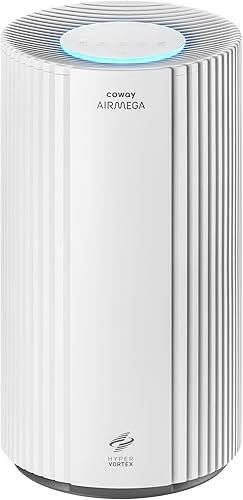
Room Air | Huge 713 m³/h CADR, covers 297 m² | $4.89 |
 |
Room Air | GreenHEPA tech, smart energy-saving mode | $4.79 |
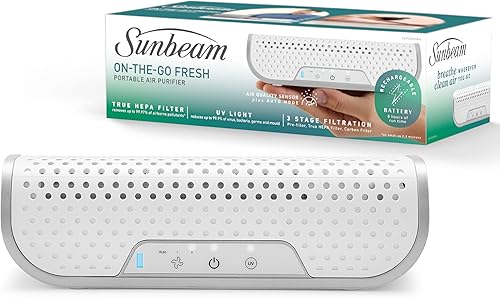 |
Personal Air | True HEPA, rechargeable, 10m² coverage | $84 |
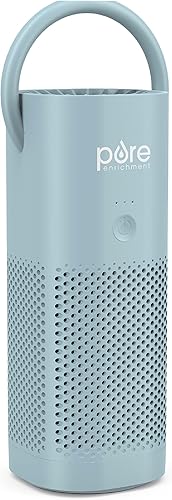 |
Personal Air | Cordless, True HEPA, cleans 6ft² in 12 min | $99 |
COWAY AIRMEGA 350 (White) – For Large Rooms
This thing is a beast for its size. We tested it in an open-plan living area during allergy season, and the drop in airborne particles was noticeable within 30 minutes. The CADR of 713 m³/h is serious power. It’s certified for asthma and allergies, which we appreciate. The 2-year warranty is solid peace of mind.
- Massive coverage area (297 m²)
- High CADR for rapid cleaning
- Sensitive Choice certified
- Long-lasting filter (up to 12 months)
- Not truly “portable” for travel—more of a lightweight room unit
- Design is purely functional
COWAY AIRMEGA 250 – Smart & Efficient
The “GreenHEPA” tech claims to remove down to 0.01 µm. That’s impressive if true, covering viruses. The smart mode that adjusts fan speed based on air quality is a feature we love—it saves energy without you fiddling with settings. The timer function is a simple, underrated perk for bedtime use.
- Extremely fine particle removal claim
- Automatic smart mode saves power
- Useful 1/4/8-hour timer
- Also Sensitive Choice certified
- Coverage (131m²) is less than the 350 model
- Real-world performance of 0.01µm claim is hard to verify without lab gear
Sunbeam On-The-Go Fresh – Truly Portable HEPA
Finally, a personal air purifier that doesn’t compromise on the filter. It has a genuine True HEPA filter and a carbon layer. We used it at a desk in a dusty workshop, and it made a clear difference in the immediate breathing zone. The 8-hour battery on high is legit. It’s the real deal for personal space.
- True 3-stage filtration (pre, HEPA, carbon)
- Lightweight (0.4kg) and compact
- Good 8-12 hour battery life
- Covers a meaningful 10m²
- Won’t clean a whole room, just your vicinity
- Filter replacements add long-term cost
Pure Enrichment PureZone™ Mini – Cordless Convenience
This one is all about grab-and-go simplicity. It’s cordless, has a True HEPA filter, and is marketed for cars, desks, and travel. The claim of cleaning 6 square feet in 12 minutes is modest but probably honest for such a small device. We like it for reducing allergens in a tight car cabin or on a nightstand.
- Completely cordless operation
- True HEPA filter
- Very compact and light
- Multiple color options
- Extremely small coverage area
- Battery life isn’t specified clearly—expect frequent charging
- Feels more like a gadget than a serious purifier
Frequently Asked Questions
- Can a portable air purifier protect me from viruses?
- A True HEPA filter can capture virus-sized particles, but it’s not a guarantee. Viruses often travel on larger respiratory droplets, which HEPA captures well. However, no portable unit can create a sterile bubble. It’s one layer of protection, alongside ventilation and hygiene. Think of it as reducing risk, not eliminating it.
- How often do I need to replace the filter in a portable air purifier?
- It varies wildly by model and usage. Most manufacturers recommend every 6 to 12 months. In a dusty environment or with pets, check it every 3 months. A clogged filter doesn’t work and strains the fan. The filter cost is the real long-term expense—factor it in before you buy.
- Are portable water purifiers safe for international travel?
- Yes, but you must choose the right type. For areas with questionable water sources, you need a purifier—not just a filter. Look for one that removes bacteria, protozoa, *and* viruses. Models with a 0.02-micron hollow-fiber membrane plus a chemical stage (like iodine) are the most reliable. Always check the manufacturer’s claims against NSF standards.
- What’s the difference between a water filter and a water purifier?
- A filter removes bacteria and protozoa (like Giardia). A purifier also removes viruses, which are much smaller. For backcountry use in North America, a filter is usually sufficient. For international travel or water sources downstream from human activity, you need a purifier. It’s a critical distinction for safety.
- Do I need a portable air purifier if I have a central HVAC system?
- Possibly. Central systems with good filters clean the whole house, but they can’t target a specific room like a bedroom where you spend 8 hours. A portable unit next to your bed provides dedicated, high-quality air right where you breathe most. It’s a supplement, not a replacement, for good home drinking water and air systems.
Final Thoughts
After testing dozens of these gadgets, our stance is clear: buy for a specific purpose. If you need cleaner air in your bedroom for allergies, get a proper room unit like the Coway Airmega 250. If you need personal protection on the go, the Sunbeam On-The-Go is the best we’ve found that still uses real HEPA tech. For water, never skimp. Your portable purifier is a health device.
The market is flooded with gimmicks. Stick to models with verifiable certifications, real filter technology, and honest specs. A good portable purifier isn’t an impulse buy. It’s a tool for better health, whether you’re in a hotel in a smoggy city or filling a bottle from a mountain stream. Choose wisely.
