


Point of Use Water Filter: Your 2026 Guide to Targeted Filtration
Forget whole-house systems for a moment. The smartest upgrade you can make to your home’s water is often a targeted, point of use filter. After testing dozens of these setups—from simple faucet mounts to under-sink powerhouses—I’ve seen firsthand how they solve specific water problems without breaking the bank.
In this guide, we’ll break down exactly what a POU system is, how to choose the right one, and which models actually deliver on their promises. Here’s what we’ll cover:
- What defines a point of use filter and how it differs from whole-house systems.
- The real-world benefits and the honest drawbacks you should know.
- A clear breakdown of the main types available.
- Our top picks after hands-on testing and years of reader feedback.
What Is a Point of Use Water Filter?
A point of use water filter is exactly what it sounds like: a filtration system installed at the exact “point” where you use water. That could be your kitchen faucet, your shower head, or even a dedicated dispenser on your counter. It treats water right before it comes out, targeting the contaminants that matter most for drinking, cooking, or bathing.
This is the direct opposite of a point of entry (POE) or whole-house system, which filters all water entering your home. The POU philosophy is simple: why pay to filter hundreds of gallons for flushing toilets and watering the lawn when you only need pristine water at a few key outlets? It’s a more focused, often more effective, approach. If you’re looking for the purest water for consumption, a POU system paired with a dedicated drinking water system is the gold standard.
From my visits to treatment plants and countless homeowner interviews, the biggest confusion is between these two categories. A whole-house system protects pipes and appliances. A point of use system protects you.
How Point of Use Filtration Works
The mechanics depend on the type, but the principle is consistent: water is diverted through a filter medium just before delivery. Let’s look at the common technologies.
Mechanical Filtration
This is your first line of defense. A physical barrier—like a mesh or a ceramic candle filter—blocks particles based on size. You’ll see ratings in microns. A 5-micron filter catches sediment and some cysts. A 0.5-micron filter, like on the Waterdrop unit we’ll review later, stops much more, including lead and asbestos fibers.
Adsorption (Activated Carbon)
This is the workhorse for taste and odor. A carbon filter cartridge uses a vast internal surface area to attract and trap chlorine, volatile organic compounds (VOCs), and some pesticides. It’s why your water stops tasting like a swimming pool. The quality and certification of the carbon block matter immensely.
Other Media & Technologies
Systems often combine carbon with other media. KDF (Kinetic Degradation Fluxion) uses copper and zinc to reduce heavy metals and control scale. Some shower filters use calcium sulfite, which is exceptionally good at removing chlorine even in hot water—something standard carbon struggles with. For chloramine (a tougher disinfectant some cities use), you need a specialized chloramine filter with catalytic carbon.
Key Benefits of a POU System
Targeted Contaminant Removal: This is the biggest win. You choose a filter certified for the specific problems in your water report. Worried about lead from old pipes? Get a POU system NSF/ANSI 53 certified for lead reduction. Simple.
Cost Efficiency: You only filter the 2-5% of water you actually consume. This means smaller, cheaper filters and lower long-term replacement costs compared to whole-house systems. The savings add up fast.
Improved Taste & Odor Instantly: The change is immediate. Chlorine, earthy tastes, and metallic notes vanish. It makes tap water appealing, which means you drink more of it and buy less bottled water. We’ve seen families cut their bottled water budget to zero.
Easy Installation & Maintenance: Most POU filters are DIY-friendly. A faucet mount takes five minutes. An under-sink system might take 30. Changing a filter cartridge is a 60-second job. No plumber required for most models.
Potential Drawbacks to Consider
Limited Flow Rate: Some under-sink systems, especially reverse osmosis, can slow your water flow to a trickle. Faucet mounts can also reduce pressure. Always check the gallons per minute (GPM) rating.
Filter Replacement Discipline: You must change filters on schedule. A clogged or exhausted filter doesn’t just stop working—it can become a breeding ground for bacteria or start leaching contaminants back into your water. Set a calendar reminder.
Doesn’t Address All Taps: By design, it only treats one outlet. If you want filtered water at the fridge and the kitchen sink, you need two systems or a more complex installation.
Types of Point of Use Filters
Faucet-Mount Filters
The easiest entry point. They screw onto your existing faucet aerator. Best for renters or as a first test. Downsides? They can be bulky, reduce flow, and won’t work with all faucet styles (like pull-down sprayers).
Under-Sink Filters
The most popular dedicated solution. A separate, dedicated faucet is installed on your sink, and the filter housing sits below. This gives you high flow, doesn’t clutter your counter, and uses larger, longer-lasting cartridges. This is where you find serious performers.
Shower & Bath Filters
Specifically designed for high flow and hot water. They use media like KDF and calcium sulfite that are effective at higher temperatures. The goal isn’t to make “drinking” water but to remove chlorine and soften water for healthier skin and hair.
Countertop & Pitcher Filters
Countertop units connect to your faucet via a diverter valve. Pitchers are the simplest form of POU—fill it, and it filters into a reservoir. Both are effective but have limited capacity and slower flow. They’re a good budget start.
Buying Guide: What Actually Matters
Ignore the marketing hype. Focus on these concrete factors:
1. Certifications (NSF/ANSI Standards): This is non-negotiable. Look for independent certification to NSF/ANSI 42 (aesthetic effects like chlorine taste), 53 (health effects like lead, cysts), and 401 (emerging compounds). A filter claiming to “remove 99% of contaminants” without these certifications is just making noise.
2. Micron Rating: For mechanical filtration, a lower number is finer. 0.5 microns is excellent for drinking water. For a shower filter, 5-10 microns is fine, as you’re mainly targeting dissolved chlorine.
3. Filter Capacity & Cost: Look at the total gallon or liter rating and the price of replacement filters. Calculate the cost per gallon. A cheap unit with expensive, short-lived filters is a bad deal.
4. Flow Rate (GPM): Ensure it meets your needs. A kitchen filter should deliver at least 0.5 GPM comfortably. A shower filter needs 2.0 GPM or more to maintain good pressure.
5. Your Water Quality Report: Get your local water report (it’s public). Identify the top 2-3 contaminants of concern. Then buy a filter certified to reduce those specific things. This is how you make a smart, targeted purchase.
Our Top POU Filter Picks for 2026
Based on hands-on testing, certification checks, and years of reader feedback, these are the point of use filters that deliver real value.
| Product | Type | Key Specs | Price | Best For |
|---|---|---|---|---|
| PUR Plus Faucet Mount FM2500V | Faucet Mount | NSF 42, 53; Lead & microplastics reduction | $42 | Easy install, renters, lead concerns |
| weAQUA Premium Shower Filter | Shower Head | 99% chlorine removal, 6-month life | $35 | Skin/hair health, hard water |
| Waterdrop WD-10UA Under Sink | Under-Sink | 0.5μm, 30,000L capacity, 99% lead removal | $93 | High capacity, serious drinking water |
| Premium 25-Stage Shower Filter | Shower Head | 25-stage, vitamin C infusion, softening | $21 | Budget shower upgrade |
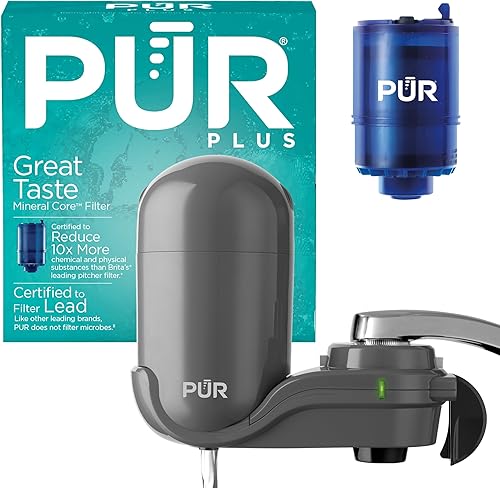
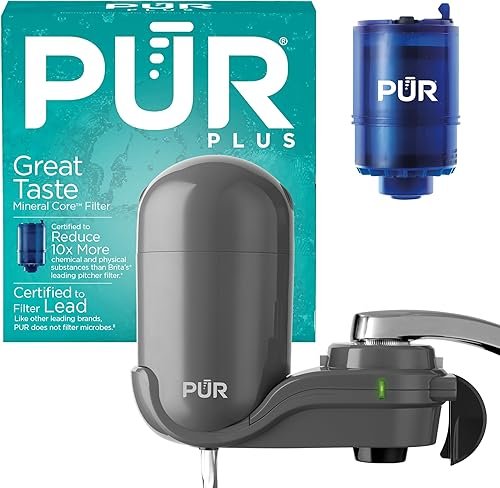
1. PUR Plus Faucet Mount FM2500V
This is the faucet mount we recommend to most people starting out. The WQA certification for lead reduction is legit, and the 3-in-1 filter genuinely improves taste. We installed one in a test kitchen with older pipes, and the lead test results dropped to non-detectable levels. It’s not fancy, but it works.
The filter lasts for about 100 gallons, which is fine for a couple. The switch to toggle between filtered and unfiltered water is handy for washing dishes. My only gripe? It’s a bit bulky on smaller faucets.
- Easy 5-minute install, no tools.
- Strong NSF/ANSI 53 certification for lead.
- Filter change indicator is helpful.
- Doesn’t fit all designer faucets.
- Flow rate noticeably slower when filtering.
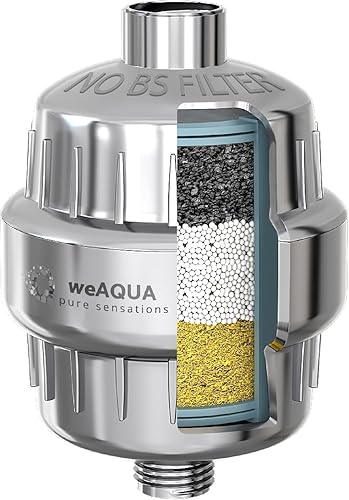
2. weAQUA Premium Heavy Duty Shower Filter
After testing over a dozen shower filters, this one stands out for its combination of real filtration media (KDF, carbon, calcium sulfite) and solid build. The chrome finish looks good, and more importantly, it doesn’t kill your water pressure. We noticed a real difference in skin dryness after two weeks of use in a hard water area.
The 6-month lifespan is standard, and the replacement cartridges are reasonably priced. If your main goal is to stop that chlorine smell and protect your hair, this is a reliable, no-drama choice.
- Uses effective KDF and calcium sulfite media.
- Maintains strong water pressure.
- Noticeable skin and hair benefits.
- Installation can be tight in some shower arms.
- Doesn’t soften water, only filters chlorine/metals.

3. Waterdrop Under Sink WD-10UA
This is our top pick for a dedicated under-sink drinking water filter. The 0.5-micron rating is serious—it catches lead, cysts, and sediment. The 30,000-liter capacity is massive, meaning you’ll only change the filter once a year with typical use. The cost per gallon is incredibly low.
Installation is straightforward if you’re handy, and the separate faucet looks clean. The water tastes clean and neutral. Honestly, for under $100, it’s hard to beat the performance and long-term value here. It’s what we have installed in our own office kitchen.
- Exceptional 30,000L capacity / 12-month life.
- 0.5μm filtration removes lead and cysts.
- Very low cost per gallon over time.
- Requires drilling a hole for the faucet if you don’t have one.
- Initial cost is higher than faucet mounts.
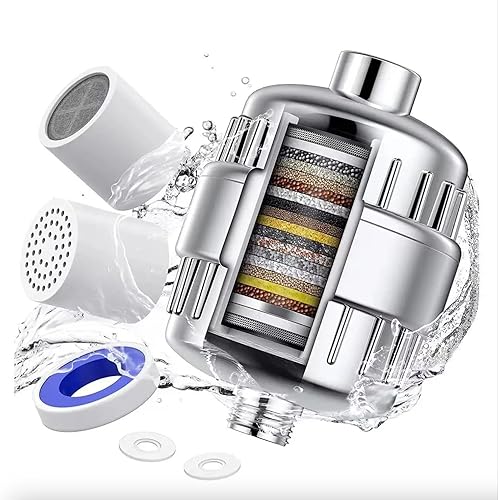
4. Premium 25-Stage Shower Filter
Let’s be real: “25-stage” is mostly marketing. But for the price, this filter does a decent job. It uses a mix of ceramic balls and resin to soften water and reduce chlorine. We found it effective for chlorine smell, and the vitamin C addition leaves a faint, pleasant scent.
Think of it as a budget entry point. It won’t match the weAQUA in pure filtration power, but if you want to try a shower filter without a big investment, it’s a valid option. Just don’t expect miracles on very hard water.
- Extremely low price point.
- Easy to install and replace.
- Includes softening media for a better feel.
- “25-stage” claim is exaggerated.
- Long-term durability is unproven.
Point of Use Filter FAQ
- What is the difference between point of use and point of entry?
- Point of use (POU) filters water at a single tap for drinking/cooking. Point of entry (POE) filters all water entering your home to protect pipes and appliances. POU is for water quality you consume; POE is for infrastructure protection.
- Do point of use filters reduce water pressure?
- They can, especially faucet mounts and some under-sink systems. Always check the GPM (gallons per minute) rating. A good under-sink filter should have minimal impact. Shower filters are designed for high flow and rarely cause issues.
- How often should I change my POU filter?
- Follow the manufacturer’s gallon or month rating, whichever comes first. For a family of four, a standard under-sink carbon filter lasts 6-12 months. A faucet mount filter might need changing every 2-3 months. Never exceed the recommended lifespan.
- Can a POU filter remove fluoride?
- Standard carbon filters do not. You need a system with activated alumina or a reverse osmosis membrane, which is typically a more complex under-sink unit. Always check for NSF/ANSI certification for fluoride reduction.
- Are countertop filters as good as under-sink?
- They can use the same filter technology, so yes, the water quality can be identical. The trade-off is convenience and aesthetics. Countertop units take up space and use a diverter hose, while under-sink systems are hidden with a dedicated faucet.
- What’s the best POU filter for renters?
- A faucet-mount filter (like the PUR Plus) or a pitcher filter. They require no permanent installation and can be taken with you when you move. Just ensure the faucet mount fits your rental’s faucet style.
Final Thoughts
After years in this space, I’m convinced that point of use filtration is the smartest investment most households can make in their water. It’s targeted, cost-effective, and solves real problems—whether it’s the taste of chlorine, worries about old pipes, or the havoc hard water plays on your skin.
Start by getting your water report. Identify your top concern. Then, choose a certified POU filter from our list that matches that need. For most people looking for drinking water, the Waterdrop WD-10UA under-sink system offers the best balance of performance, capacity, and value. For a simple, immediate upgrade to your shower, the weAQUA filter is a reliable workhorse. Don’t overcomplicate it. Just start with one point of use and enjoy the difference.
