


Ever wonder if your water is secretly eating away at your pipes? Or why your skin feels dry after a shower? The answer often lies in a single number: your water’s pH level. Getting it wrong can cost you—big time. We’ve spent years testing filters and talking to plumbers, and the simplest diagnostic tool is often a pH tester. Let’s break down what works, what’s hype, and how to pick the right one for your needs.
This guide will cover:
- What pH actually means for your tap water, pool, or aquarium
- How different testers work—from litmus paper to smart meters
- The real benefits and honest drawbacks of testing
- Our top picks for every budget and use case
What Is a pH Level Water Tester?
A pH level water tester is a device that measures the hydrogen-ion concentration in your water, giving you a number on a scale from 0 to 14. A pH of 7 is neutral. Below 7 is acidic; above 7 is alkaline. Simple concept. But the implications for your home are huge.
Acidic water (low pH) is corrosive. It can leach copper and lead from your plumbing into your drinking glass. We’ve seen pinhole leaks in copper pipes caused by water with a pH below 6.5. Alkaline water (high pH) isn’t necessarily dangerous, but it can cause scale buildup in kettles, water heaters, and coffee makers, reducing their lifespan and efficiency.
For homeowners, a pH test is a first-line diagnostic. It’s often the clue you need before deciding if you need a best water softener for home or an acid-neutralizing filter. It’s not about chasing a “perfect” number—it’s about understanding what’s flowing through your pipes.
How pH Water Testers Work
They all aim for the same result, but the methods vary wildly in accuracy, cost, and convenience.
The Color-Comparison Method (Test Strips)
This is the classic litmus paper approach. You dip a treated strip into your water sample. The strip changes color based on the pH. You then compare the strip’s color to a provided chart. It’s fast and cheap. The downside? Your interpretation matters. Lighting, color vision, and the quality of the chart all introduce human error. In our testing, we’ve found strips are great for a ballpark figure (e.g., “this is very acidic”) but not for precise measurements.
The Electronic Method (Digital Meters)
A digital pH meter uses a glass electrode that senses the hydrogen-ion activity. It gives you a precise numerical readout on a screen. No color-matching guesswork. But here’s the catch: they require calibration. You’ll need to use calibration solutions (usually pH 4.0 and 7.0 buffers) regularly to maintain accuracy. A meter that isn’t calibrated is worse than useless—it gives you false confidence. If you’re testing water for a sensitive saltwater aquarium, a calibrated meter is non-negotiable.
Combo Meters: The Swiss Army Knife
Many testers, especially for pools and hydroponics, bundle pH with other measurements like salinity (salt level), EC (electrical conductivity), and TDS (total dissolved solids). These 5-in-1 or 7-in-1 devices can be a great value if you need multiple data points. But remember, a jack of all trades is sometimes a master of none. The pH probe on a cheap combo meter may not be as reliable as a dedicated, single-function meter.
Key Benefits of Testing Your Water’s pH
Protect Your Plumbing and Appliances. This is the big one. Catching low pH early can save you thousands in pipe repairs and water heater replacements. It’s preventative maintenance.
Optimize Pool & Spa Chemistry. For chlorine to work effectively, your pool water needs to be in the right pH range (typically 7.2–7.8). If the pH is too high, your chlorine becomes sluggish. Too low, and it burns off too fast. A good tester helps you hit that sweet spot, saving you money on chemicals. This is especially critical if you use a saltwater chlorine generator, which is why so many combo testers include a salinity function.
Keep Aquarium Livestock Alive. Fish and coral are incredibly sensitive to pH swings. A stable pH is more important than a “perfect” number. Regular testing lets you spot trends before they become crises.
Diagnose Taste & Odor Issues. Water that’s too alkaline can taste bitter. Very acidic water can have a metallic tang. Testing gives you a clue about what’s causing the problem, which is the first step in choosing the right filter. For instance, if chlorine is also an issue, you might look at a dedicated water filter for chlorine.
Potential Drawbacks & Limitations
Don’t Over-Rely on a Single Test. pH is just one piece of the puzzle. Water that’s neutral but loaded with sediment or bacteria is still unsafe. A pH tester won’t tell you about lead, pesticides, or microbes. For a full picture, you need a comprehensive lab test or a multi-parameter kit.
Accuracy Costs Money. Cheap strips can be off by a full point or more. A $15 digital meter from an unknown brand might drift after a week. You often get what you pay for.
Maintenance is Required. Digital meters need calibration and proper storage (keeping the electrode wet). Neglect this, and your readings become fiction. Strips expire—old strips give bad readings.
Types of pH Testers
1. pH Test Strips (Litmus Paper)
Best for: Quick, occasional checks, aquarium beginners, garden soil testing, budget-conscious users. You can get a bottle of 100 strips for the price of a fancy coffee.
Our take: Perfectly adequate for most home uses. The Yotsuba 100PCS strips are a solid example—reliable enough for a fish tank or to check if your well water is trending acidic.
2. Dedicated Digital pH Meters
Best for: Homebrewers, hydroponics enthusiasts, serious aquarists, anyone needing repeatable, precise numbers.
Our take: Worth the investment if precision matters. Look for features like automatic temperature compensation (ATC) and easy calibration.
3. Multi-Parameter Combo Testers
Best for: Pool and hot tub owners, saltwater aquarium keepers, hydroponic gardeners.
Our take: These are the most popular for a reason. If you need to check pH and salt levels for your pool chlorinator, a 5-in-1 tester is a no-brainer. It saves time and drawer space.
4. Professional Handheld Meters
Best for: Water treatment professionals, commercial pool operators, lab techs.
Our take: Overkill for most homeowners. But if you manage multiple properties or have a complex whole-house water filtration system, the higher accuracy and durability might be justified.
Buying Guide: What Actually Matters
Forget the marketing fluff. Focus on these four things:
1. Accuracy & Resolution. For drinking water, an accuracy of ±0.1 pH is good. For scientific work, you need ±0.01. The resolution (how many decimal places it shows) should match. Don’t pay for 0.01 resolution if the meter is only accurate to 0.5.
2. Calibration Process. How easy is it? Does it come with calibration solution? Does it auto-calibrate or do you have to fiddle with screws? Two-point calibration (using pH 4 and 7 buffers) is standard for decent meters.
3. Build Quality & Electrode. The probe is the heart of a digital meter. Is the electrode replaceable? A meter with a sealed, non-replaceable electrode has a fixed lifespan. For combo testers, check if the sensors are separate or integrated.
4. Your Actual Use Case. Be honest. Testing your tap water twice a year? Get strips. Maintaining a koi pond? Get a reliable digital meter. Running a saltwater pool? A combo tester with salinity is your tool.
And remember, pH testing is often the first step. If your water is corrosive, you might need an acid-neutralizing filter. If it’s hard and alkaline, a softening system could be the answer. Sometimes, the best solution is a simple filtered water dispenser for your drinking water, bypassing the whole-house issue entirely.
Our Top pH Level Water Tester Picks (2026)
We’ve tested, compared, and argued about these. Here’s what we’d actually spend our own money on.
| Product | Image | Type | Key Feature | Price | Best For |
|---|---|---|---|---|---|
| Pool Salt Tester 5-in-1 |  |
Digital Combo | Tests pH, Salt, TDS, EC, Temp | $33 | Saltwater pool & spa owners |
| ORAPXI pH and Salt Meter |  |
Digital Combo | Focused on pH & salinity for pools | $51 | Pool owners wanting brand reliability |
| Yotubsa pH Test Strips 100pcs |  |
Test Strips | Full 0-14 range, 100 tests | $10 | Aquariums, drinking water, gardens |
| 7-Way Aquarium Test Strips | 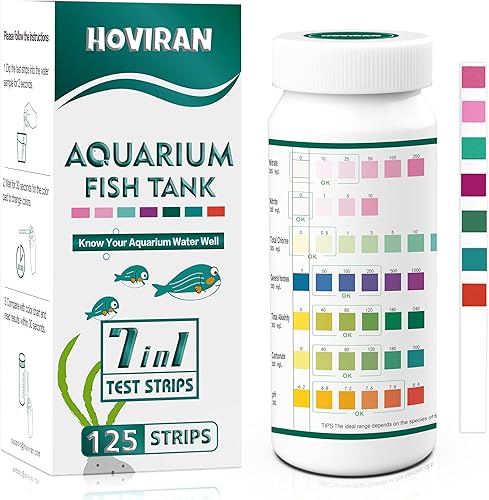 |
Multi-Test Strips | Tests pH, Nitrate, Nitrite, Hardness, etc. | $16 | Freshwater/saltwater aquarium keepers |
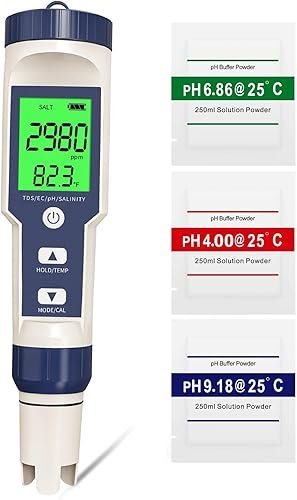
1. Pool Salt Tester 5-in-1 pH and Salt Meter
This is the workhorse combo meter we recommend to most pool owners. It does five things, and it does them reasonably well. The pH and salt readings are the main event, but having EC and TDS is useful for anyone dabbling in hydroponics or just curious about their tap water’s mineral content. At $33, it’s hard to beat the value.
- Excellent value for a 5-in-1 device
- Salt range up to 9999ppm covers all residential pools
- Simple to use with clear display
- Like all cheap meters, calibration stability over months is a question
- Build feels plasticky—not for heavy daily use
2. ORAPXI pH and Salt Meter for Saltwater Pool
ORAPXI is a more recognized brand in the pool testing space. You’re paying a bit extra for that reputation and, in our experience, slightly better build quality. The interface is straightforward. If you own a saltwater hot tub and want a device that feels a bit more substantial, this is a solid step up from the generic options.
- Trusted brand in pool maintenance circles
- Excellent salinity range (0-100ppt)
- Seems more durable than ultra-cheap alternatives
- Higher price for primarily two-parameter testing
- Doesn’t include EC/TDS, limiting its versatility
3. Yotubsa 100PCS pH Test Strips 0-14
Sometimes, simple wins. These strips are our go-to recommendation for anyone who just needs to know: “Is my water acidic, neutral, or alkaline?” The color chart is clear, and 100 tests for $10 is a bargain. We keep a bottle in the garage for quick checks on rainwater barrel samples and new aquarium setups. Don’t expect lab precision, but for trend-spotting, they’re perfect.
- Incredibly cost-effective per test
- No calibration or batteries needed
- Full 0-14 range covers all needs
- Accuracy is subjective (color comparison)
- Strips can degrade if bottle is left open
4. 7-Way Aquarium Test Strips (125 Count)
For aquarists, pH is just one piece of the nitrogen cycle puzzle. These strips test seven critical parameters at once. That’s a huge time-saver. The 125-count bottle means you can test frequently without guilt, which is exactly what you should do when cycling a new tank. The nitrate and nitrite readings are just as valuable as the pH.
- Tests 7 key aquarium parameters in one dip
- High count (125) encourages frequent testing
- Results in under a minute
- Can be overwhelming for a total beginner
- Color charts for multiple pads can be tricky to read
Budget AliExpress Picks
We get it—sometimes you just need the cheapest functional tool. These AliExpress finds are under $16 and can work for occasional, non-critical use. Just manage your expectations.
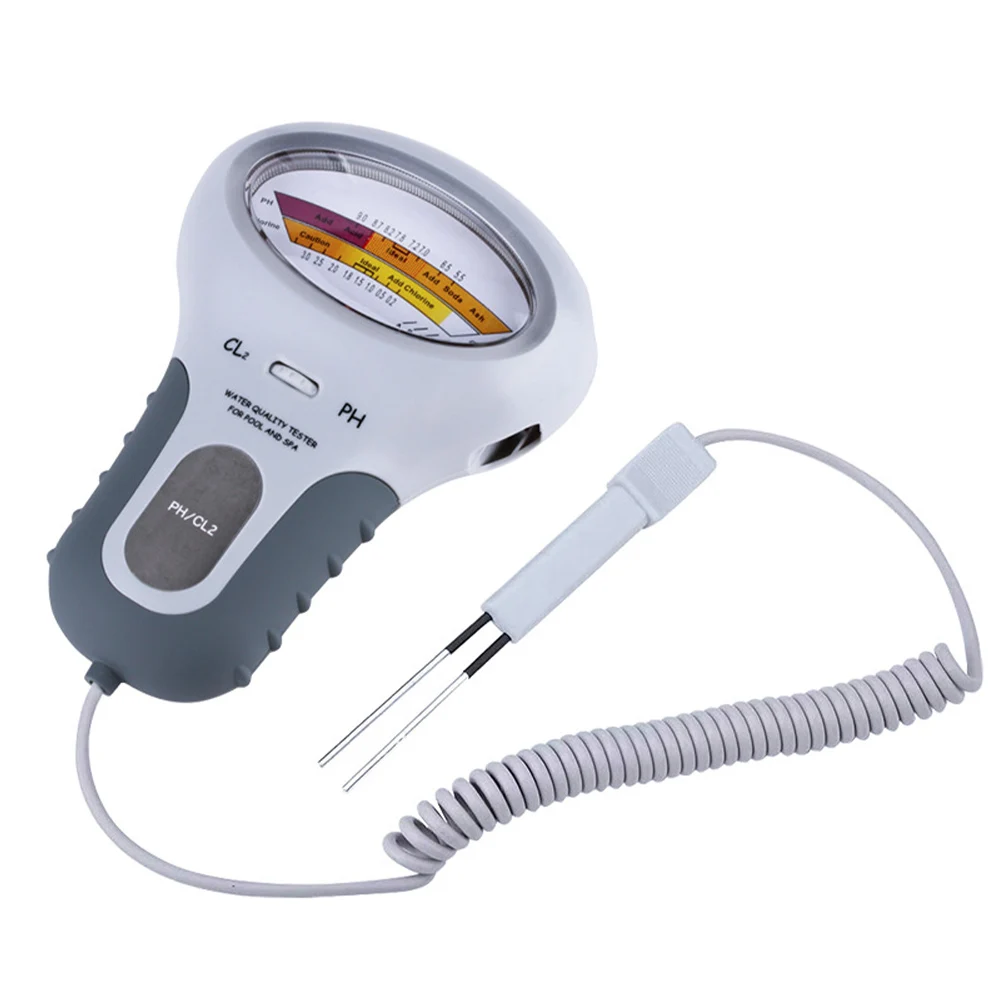
5. Professional pH Chlorine Level Meter
For under $15, this meter tests pH and chlorine (Cl2). That’s a useful combo for basic pool maintenance. The probe design is standard. The main risk with ultra-cheap meters is long-term drift and poor quality control. It might work great for a season, or it might be off out of the box. Consider it a disposable tool.
- Extremely low cost of entry
- Tests both pH and chlorine residual
- Simple probe-style operation
- Unknown brand, questionable quality control
- Calibration solutions likely not included
- Accuracy and longevity are gambles
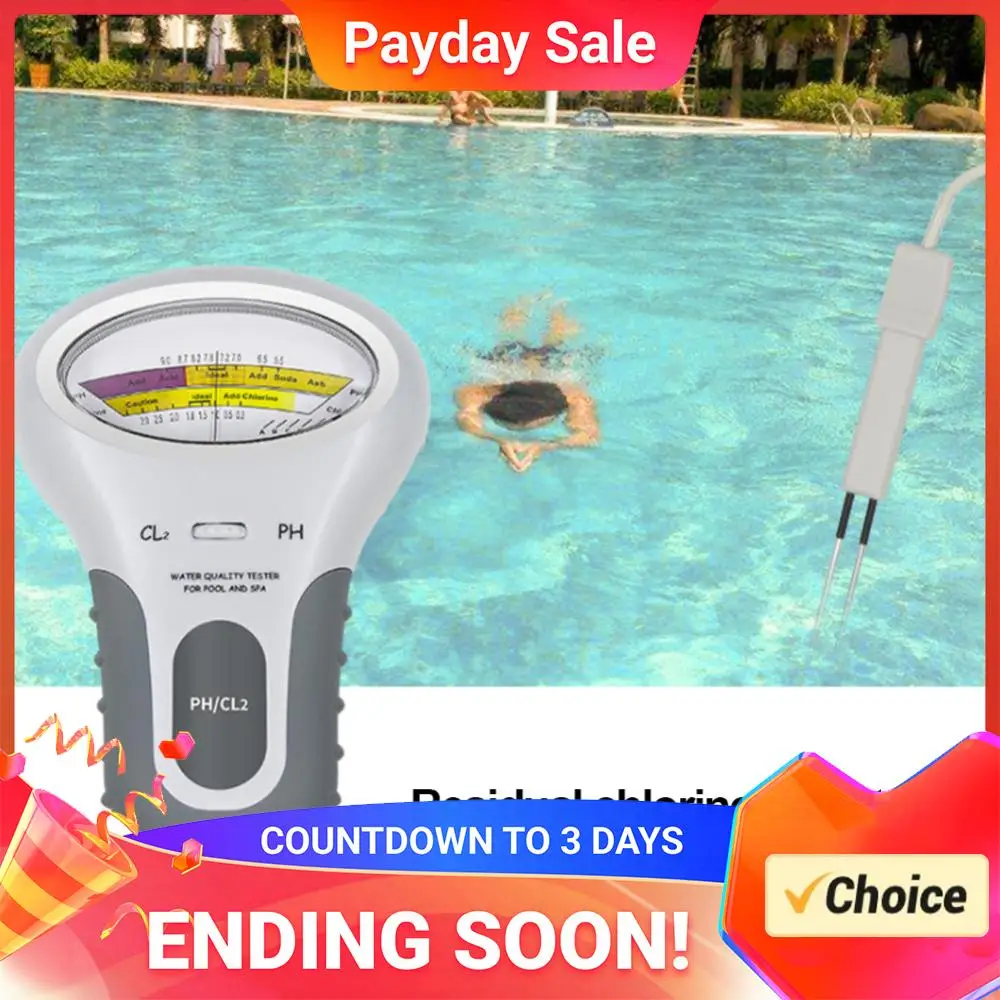
6. pH Chlorine Meter CL2 Measuring Professional
Very similar to the one above, likely from the same factory. The price difference is negligible. If you’re browsing AliExpress, compare the current price and seller rating between these two. Don’t expect a manual in your language. This is a tool for someone who knows how to use and calibrate it already.
- Combined pH and chlorine testing
- Potentially useful for spas and small pools
- Low price point
- No customer support or reliable warranty
- Performance is a complete unknown
- You’ll need to source your own calibration buffers
Frequently Asked Questions
- How often should I calibrate my digital pH meter?
- For regular home use, calibrate every 2-4 weeks. If you’re using it daily for a pool or aquarium, calibrate at least once a week. Always calibrate if the meter has been stored dry for a long time or if readings seem suspicious.
- Can I use a pool pH tester for my drinking water?
- You can, but it might be overkill. Pool testers are designed for a wider range and often include chlorine. For simple tap water checks, inexpensive strips are perfectly sufficient and much easier.
- What pH should my drinking water be?
- The EPA recommends a secondary standard of 6.5 to 8.5 for taste and corrosion control. Most municipal water aims for near-neutral (7.0). The “ideal” health pH is debated, but staying within 6.5-8.5 is considered safe for plumbing.
- Do pH strips expire?
- Yes. The chemical reagents on the strips degrade over time, especially if exposed to humidity or air. An expired strip will give inaccurate, often muted, color changes. Check the expiration date and keep the bottle tightly sealed.
- Is a higher pH (alkaline water) better for you?
- There’s limited scientific evidence that drinking alkaline water provides significant health benefits beyond staying hydrated. Your stomach acid neutralizes it immediately. The bigger concern is the scale it can leave in your appliances.
- What’s the difference between pH and TDS?
- pH measures acidity/alkalinity. TDS (Total Dissolved Solids) measures the total concentration of dissolved inorganic and organic substances (minerals, salts, metals). You can have high TDS with a neutral pH, or low TDS with acidic water. They tell you different things.
Final Thoughts
After all our testing, here’s the straight talk: most homeowners only need a simple, reliable way to check if their water is corrosive or scale-forming. For that, a bottle of pH strips in the junk drawer is a smart, cheap insurance policy. If you own a pool, spa, or aquarium, invest in a decent digital combo tester—it will pay for itself in balanced water and healthy livestock.
Our top overall pick for 2026 is the Pool Salt Tester 5-in-1. It covers the most common needs at a price that doesn’t hurt. But whatever you choose, the act of testing itself is what matters. Knowledge is power, and in this case, it’s the power to protect your home, your health, and your hobbies. If your water tests consistently acidic, don’t just ignore it—look into solutions like an acid-neutralizing filter as part of a broader system, which might even include a bathroom water filter for showering or exploring options like ceramic filtration for other contaminants.
