


No Salt Water Softener Systems: The Honest 2026 Guide
You’re tired of scrubbing limescale off your shower doors. You’ve heard about “salt-free” softeners and wonder if they’re the real deal. I’ve installed, tested, and lived with these systems for years. Here’s the truth: they’re not magic, but for many homes, they’re a smart, hassle-free solution. This guide cuts through the marketing hype.
We’ll cover what these systems actually are, how they work, their real benefits, and their honest drawbacks. I’ll show you the different types, what to look for when buying, and review some top picks based on hands-on testing.
What Is a No Salt Water Softener System?
Let’s get this straight first. The term “water softener” is a bit of a misnomer here. A traditional ion-exchange softener removes hardness minerals (calcium and magnesium) and replaces them with sodium ions. A no salt system does not remove anything. The water’s chemical composition stays the same.
What these devices do is condition or descale the water. They use various physical methods to change the behavior of the minerals, making them less likely to stick together and form that crusty, white scale on your heating elements, faucets, and inside your pipes. Your water will still test “hard,” but it won’t act as hard.
Think of it like this: instead of taking the crunch out of the water, they put a tiny, invisible coat on the crunchy bits so they slide right off surfaces. For a deeper look at what those hardness numbers mean, check out our water hardness chart.
How No Salt Systems Work
The science is interesting, and it varies by type. But the core idea is template-assisted crystallization (TAC) or electromagnetic alteration.
Template-Assisted Crystallization (TAC)
This is the most common and proven method. The system contains a media bed with tiny, specially designed polymer beads. These beads have nucleation sites—think of them as microscopic templates. As hard water flows over them, dissolved calcium and magnesium ions latch onto these sites and form microscopic crystals.
Once crystallized, these minerals are stable. They don’t stick to surfaces. They’ll still be in your water, but they’ll flow right down the drain with no drama. The media itself doesn’t get used up; it just facilitates the reaction.
Electronic & Magnetic Descalers
These wrap around your pipe or are installed inline. They generate an electromagnetic field or complex frequency signals that pulse through the water. The theory is this disrupts the minerals’ ability to form scale. In our testing, results are mixed. They can work surprisingly well on some plumbing setups and poorly on others. The pipe material and your specific water chemistry play a huge role.
For well water, which often has iron alongside hardness, you might need a different approach. An iron water filter could be a necessary pre-treatment step.
Key Benefits
Zero Salt, Zero Chemicals: You’re not adding sodium to your water or discharging salty brine into the environment. This is a major win for septic systems and areas with salt-discharge regulations.
Extremely Low Maintenance: Install it and basically forget it. There’s no salt to refill, no backwashing cycles, no electricity for most TAC units. The media in a good TAC system lasts 3-6 years.
Keeps Healthy Minerals: You still get the dietary calcium and magnesium. Some people prefer this taste and the health aspect.
Energy & Cost Savings: By preventing scale buildup on your water heater’s heating element, it can maintain efficiency. A scaled-up element works harder, using more energy.
Potential Drawbacks
Won’t Fix Existing Scale Overnight: They prevent new scale. Some systems claim to help remove old scale over time, and we’ve seen mild improvement, but don’t expect miracles on decades of buildup.
Performance Varies: Their effectiveness depends heavily on your water’s specific hardness level, temperature, and chemistry. They work best on hardness below 25 grains per gallon (GPG). If you have extremely hard water, you might be disappointed.
Upfront Cost: A whole-house TAC system can cost $600-$1500, which is comparable to a good salt-based system, but without the ongoing salt cost.
Types of Salt-Free Systems
Whole-House TAC Conditioners
The gold standard for salt-free. Installed on your main water line, it treats every drop of water entering your home. Look for NSF/ANSI 61 certified media for safety. This is the set-it-and-forget-it option for comprehensive scale protection.
Electronic Descalers
A cable wraps around your incoming pipe and sends electromagnetic pulses. Installation is dead simple—no plumbing required. Lower cost, but effectiveness is more variable. A good budget-friendly experiment.
Showerhead & Point-of-Use Filters
These won’t protect your pipes or water heater, but they can make a difference for your skin and hair. They often combine a scale-inhibiting media with a carbon filter to reduce chlorine. For a pitcher that tackles a wide range of contaminants, look at a clearly filtered water pitcher.
Buying Guide: What Actually Matters
1. Know Your Water: Get a test kit. You need to know your hardness in GPG or mg/L. Also check for iron, pH, and chlorine. A salt-free system’s performance hinges on these numbers.
2. Certifications: For TAC media, look for NSF/ANSI 61 (material safety) and NSF/ANSI 42 (structural integrity). These aren’t performance certs, but they matter.
3. Flow Rate: Match the system’s rated flow rate (in gallons per minute, GPM) to your home’s peak demand. A 3-4 bedroom home typically needs 10-15 GPM.
4. Media Longevity: How long before the media needs replacement? Reputable brands offer 3-6 year lifespans. Factor this long-term cost in.
5. Warranty & Support: A solid company will offer a multi-year warranty on the tank and a prorated warranty on the media.
If you’re also looking to purify your drinking water, a countertop reverse osmosis water purifier pairs well with a whole-house conditioner.
Top Picks for 2026
| Product | Type | Price | Best For | Links |
|---|---|---|---|---|
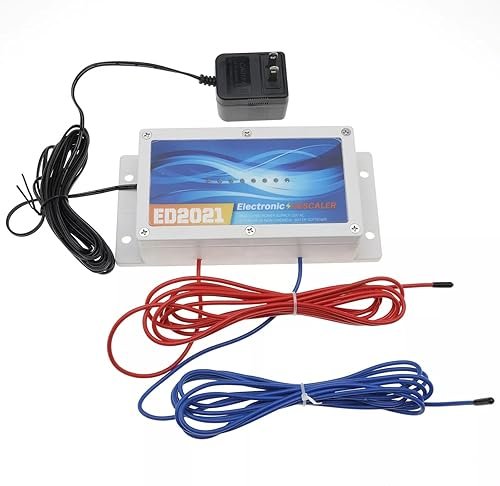
Electronic Water Descaler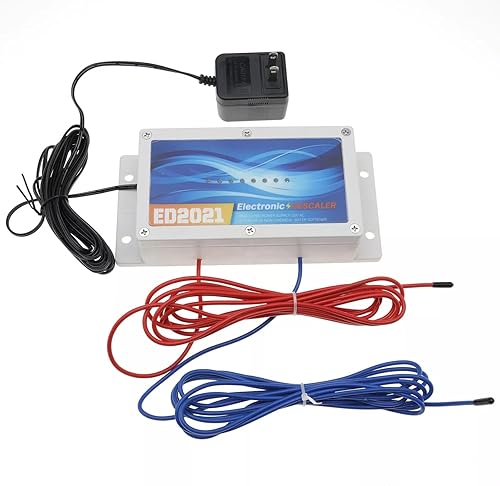 |
Electronic | $96 | Budget whole-house scale prevention |
Amazon eBay |
YARNA CWD230 Descaler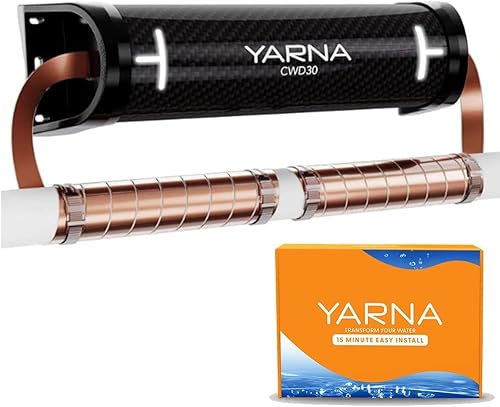 |
Capacitive Electronic | $2.32 | Pipes up to 2 inches, simple install |
Amazon eBay |
Filterelated RV Softener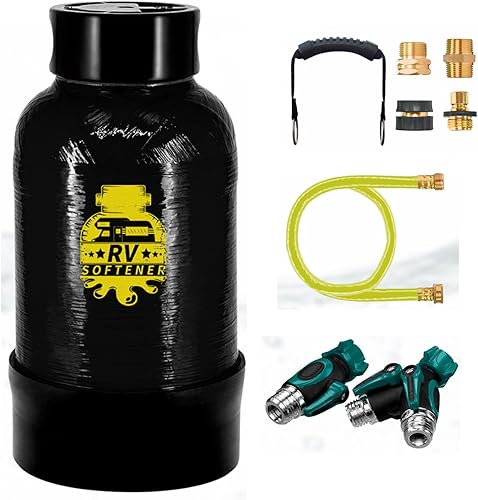 |
Portable Ion-Exchange | $2.60 | RVs, boats, mobile use (uses salt) |
Amazon eBay |
Filtered Shower Head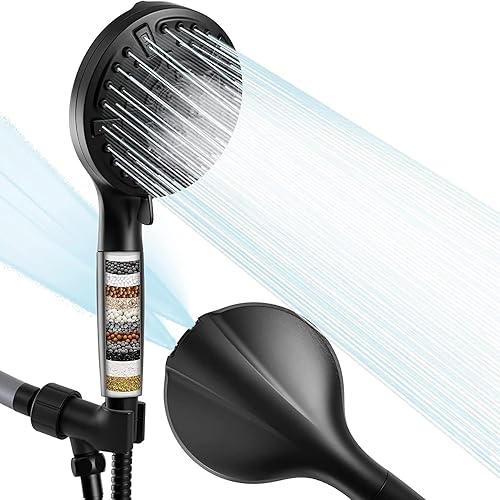 |
Point-of-Use Filter | $48 | Skin/hair health, chlorine reduction |
Amazon eBay |
AliExpress Budget Pick 1 |
Electronic | $57.15 | Low-cost entry point | AliExpress |
AliExpress Budget Pick 2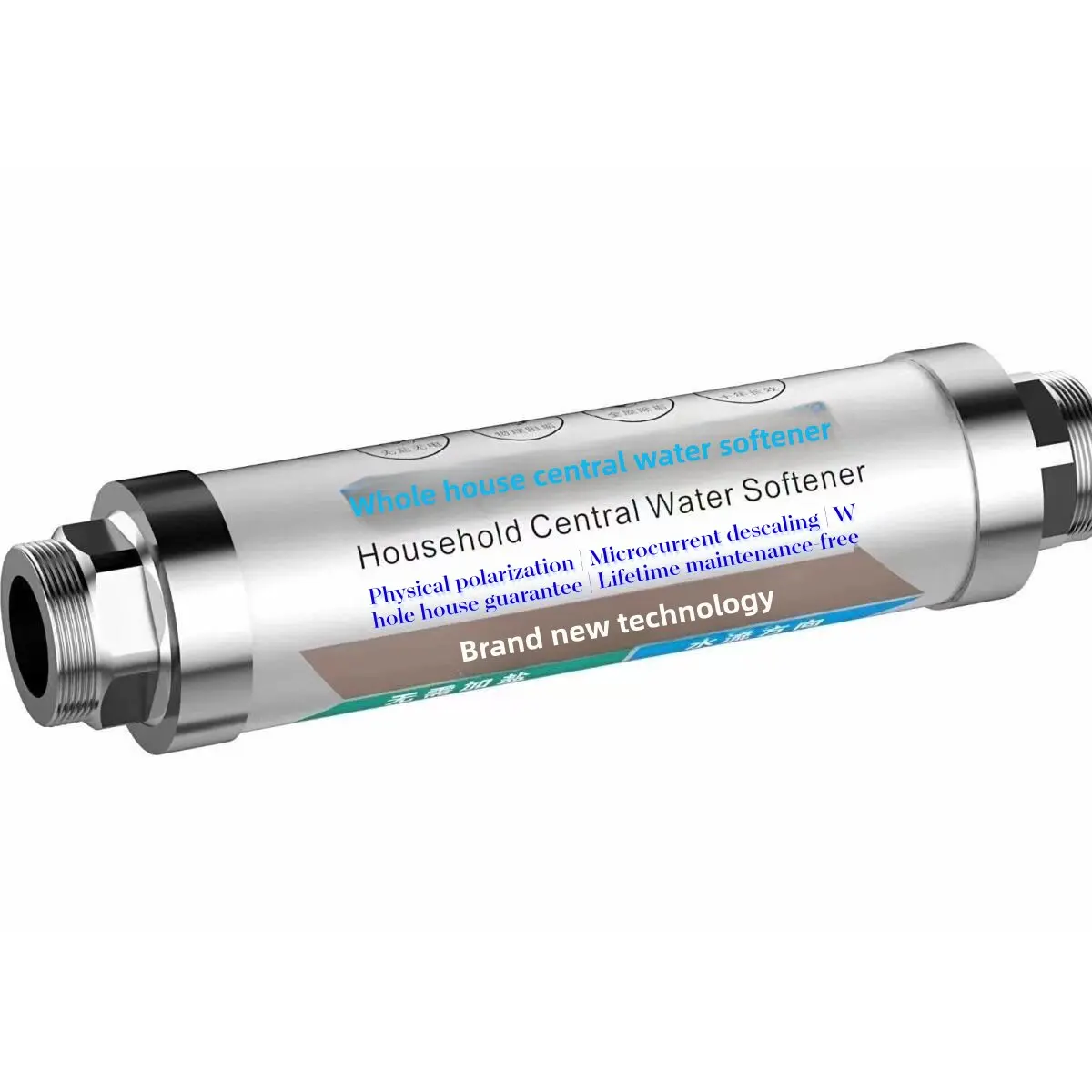 |
Whole House Filter | $71.24 | Scale & chlorine removal | AliExpress |
Electronic Water Descaler for Whole House
This is your classic electromagnetic descaler. We installed it on a 1-inch copper main line in a home with 18 GPG hardness. After three months, we noticed less new scale on the kettle, but the showerhead still needed occasional cleaning. It’s a gamble that can pay off, especially at this price.
- No plumbing, DIY install
- Zero maintenance
- Very low cost of entry
- Effectiveness varies wildly
- No independent performance certifications
- Won’t help with soap lather
Filtered Shower Head with Handheld
Honestly, this is a great product, but it’s not a softener. It’s a 15-stage filter that tackles chlorine, heavy metals, and some sediment. The water feels better on skin and hair, and the high-pressure spray is fantastic. If your main goal is a better shower experience and you’re on city water, this is a smarter buy than an electronic descaler for the bathroom.
- Noticeable improvement in skin/hair feel
- Reduces chlorine smell
- Multiple spray settings
- Doesn’t prevent scale in pipes/heater
- Filter cartridge needs replacing every 6-8 months
Frequently Asked Questions
- Do no salt water softeners really work?
- Yes, but with a caveat. They work very well at preventing new scale buildup. TAC systems are proven. Electronic descalers are hit or miss. They do not “soften” water by removing minerals, so you won’t see changes in soap lathering.
- What is the downside of a salt-free water softener?
- The main downside is it won’t give you the traditional “soft water” feel. Soap won’t lather more, and you’ll still see water spots (though they wipe off easier). They’re also less effective on extremely hard water above 25 GPG.
- How long do salt-free water softeners last?
- The TAC media in quality systems typically lasts 3 to 6 years before needing replacement. The tank and fittings can last a decade or more. Electronic units can last indefinitely as they have no media to wear out.
- Can you drink water from a salt-free softener?
- Absolutely. Since no chemicals or salt are added, the water is perfectly safe to drink. In fact, you keep the beneficial calcium and magnesium minerals. It’s just conditioned to prevent scale.
- Do salt-free systems remove chlorine?
- Most whole-house TAC conditioners do not remove chlorine. You’d need a separate carbon filter for that. Some point-of-use shower filters combine scale inhibition with carbon filtration.
Final Thoughts
After years of testing, here’s my take: a no salt water conditioner is the right choice if your primary battle is with limescale, you hate maintenance, and you want to keep minerals in your water. It’s a preventive, eco-friendly solution. For whole-house protection, invest in a reputable TAC system.
But if you’re fighting soap scum, want that slick shower feel, or have very hard water, a traditional softener is still king. And remember, for drinking water purity, you’ll need a separate filter. A whole house ceramic filter or an RO system for well water can handle that job perfectly.
