


You’ve probably heard the term “multi-stage system” thrown around when shopping for water filters. It sounds impressive, but what does it actually mean for your tap water? After testing dozens of these setups over the years, I can tell you it’s not just marketing fluff. It’s a smarter engineering approach.
This guide will break down exactly how these systems work, their real-world benefits, and the hidden drawbacks you need to know. We’ll cover the different types, what to look for when buying, and answer the most common questions we get from readers.
What Is a Multi-Stage Water Filtration System?
A multi-stage system is a water filter that passes your water through two or more distinct filtration media, one after the other. Each stage has a specific job. Think of it like an assembly line for cleaning your water. The first stage might catch big stuff like sand and rust. The next could tackle chlorine and bad tastes. A final stage might target dissolved contaminants like lead or pesticides.
This is fundamentally different from a single-stage filter, which relies on one type of media to do everything. In our experience, no single filter medium is perfect for all contaminants. A multi-stage design lets each component do what it does best, resulting in far more thorough purification. It’s the reason most high-quality under sink kitchen filter systems use this layered approach.
How a Multi-Stage System Works
The magic is in the sequence. Water flows from the source through each filter cartridge in a pre-determined order. This order is critical—put the stages in the wrong sequence and you’ll clog fine filters with sediment or waste expensive media on jobs a cheaper filter could handle.
Stage 1: Sediment Pre-Filter
This is your first line of defense. A pleated paper or spun polypropylene cartridge traps physical particles. We’re talking dirt, rust flakes, sand, and other debris down to a specific micron rating—often 5 or 1 micron. This protects the more delicate (and expensive) filters downstream from getting clogged and failing prematurely.
Stage 2: Activated Carbon Block
Next, water typically hits an activated carbon filter. This is your workhorse for taste, odor, and chemical removal. The carbon adsorbs chlorine, chloramines, volatile organic compounds (VOCs), and many pesticides. It’s what makes your water taste and smell fresh. The quality and density of the carbon block matter immensely—a cheap carbon filter won’t last long or remove much.
Stage 3: Specialized Media (The Engine)
This is where systems diverge based on your water problems. This stage could be a fluoride removal filter using activated alumina, a KDF media for heavy metals, or a reverse osmosis membrane for near-total dissolved solids removal. For well water, this stage might be a dedicated iron filter for well water using manganese greensand or an air-injection oxidizing head. The point is, this stage is chosen to target your specific contaminants.
Key Benefits of a Multi-Stage System
Comprehensive Contaminant Removal: This is the biggest win. You’re not relying on one filter to catch everything. You get sediment filtration, chemical adsorption, and targeted contaminant reduction all in one unit. It’s the closest you can get to a complete water treatment solution from a single device.
Improved Taste and Clarity: By removing sediment, chlorine, and organic compounds in separate steps, the final water is exceptionally clear and crisp. In blind taste tests we’ve run, multi-stage filtered water consistently beats single-stage.
Longer Filter Life: The sediment pre-filter protects the more expensive carbon and specialty stages. This means you replace the cheap pre-filter often, but the costly components last much longer. Overall, it can be more economical than replacing a single, clogged premium filter every few months.
Customizable for Your Water: You can often swap out the third stage cartridge to address changing water conditions or new concerns. Got a new report about PFAS in your area? You might be able to upgrade that final stage to a specialized PFAS-removal media.
Potential Drawbacks to Consider
Higher Upfront Cost: More cartridges and a more complex housing mean a higher initial price tag compared to a basic pitcher or single-stage filter. You’re paying for engineering and performance.
More Maintenance: You have multiple filters to track and replace. While they don’t all need changing at the same time, it’s more to manage than a single unit. Forgetting to change the sediment filter can starve the system of flow.
Reduced Flow Rate: Every filter element adds resistance. A dense carbon block and a fine sediment filter will slow water flow more than a simple spout filter. This is rarely a problem for drinking water, but can be noticeable for whole-house systems.
Space Requirements: Whether it’s an under-sink unit with three canisters or a whole-house system with multiple tanks, these take up more room than a single filter. Measure your space carefully.
Types of Multi-Stage Systems
Under-Sink Drinking Water Systems
The most popular type for homeowners. Usually 3 to 5 stages mounted under the kitchen sink, feeding a dedicated faucet. They often combine sediment, carbon, and a final polishing stage. Some advanced versions include a UV lamp for microbial disinfection or a remineralization stage to add back healthy minerals after purification.
Whole-House (Point-of-Entry) Systems
Installed where the water line enters your home, these treat every drop of water you use—for showers, laundry, and toilets. Stages here are often larger and focus on sediment, chlorine removal (to protect pipes and appliances), and sometimes a dedicated iron filter for well water. They improve overall drinking water quality at every tap.
Countertop & Portable Units
These are smaller, often gravity-fed or connected to the faucet with a diverter. Great for renters or as a secondary system. They typically use 2-3 stages of ceramic and carbon filters. While not as powerful as under-sink units, they’re a major upgrade from a pitcher filter.
Specialized & Commercial Systems
This includes large-scale systems for restaurants, labs, or aquariums. The principle is the same, just scaled up. For example, a serious aquarium hobbyist might use a multi-stage canister filter that mechanically, biologically, and chemically filters the water, similar in concept to our drinking water systems.
Buying Guide: What Actually Matters
1. Know Your Water First. Don’t buy blind. Get a water quality report from your utility or use a home test kit. Is your issue chlorine taste? Sediment? Lead? Nitrates? Your contaminant profile dictates the stages you need.
2. Check Certifications (NSF/ANSI). Look for systems certified to NSF/ANSI Standards 42 (aesthetic effects like chlorine), 53 (health effects like lead), and 58 (for reverse osmosis systems). This is your proof the system does what it claims.
3. Flow Rate (GPD or L/min). For drinking water systems, measured in Gallons Per Day (GPD) for RO, or liters per minute for standard filters. Make sure it can keep up with your household’s demand. A slow trickle from the dedicated faucet gets old fast.
4. Filter Replacement Cost & Schedule. The real cost is in the replacements. Calculate the annual cost of all cartridges. A cheap system with expensive, proprietary filters is a bad deal. Look for standard-sized cartridges when possible.
5. Build Quality & Warranty. Look for solid metal fittings, reinforced housings, and a decent warranty (at least 1 year, preferably 3+). A leaking filter under your sink can cause thousands in damage.
Our Top Picks for 2026
Based on our testing, reader feedback, and industry reputation, here are standout multi-stage systems across categories.
| Product | Key Features | Price | Link |
|---|---|---|---|
 |
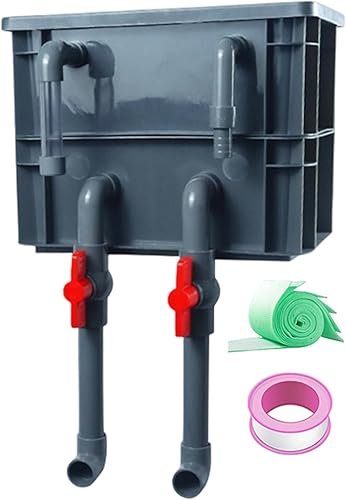
Multi-Stage Aquarium Filter Stackable modular design for custom filtration. Quiet operation with effective debris control. A great example of multi-stage principles applied to aquatic life. |
$56 |
Buy on Amazon Buy on eBay |
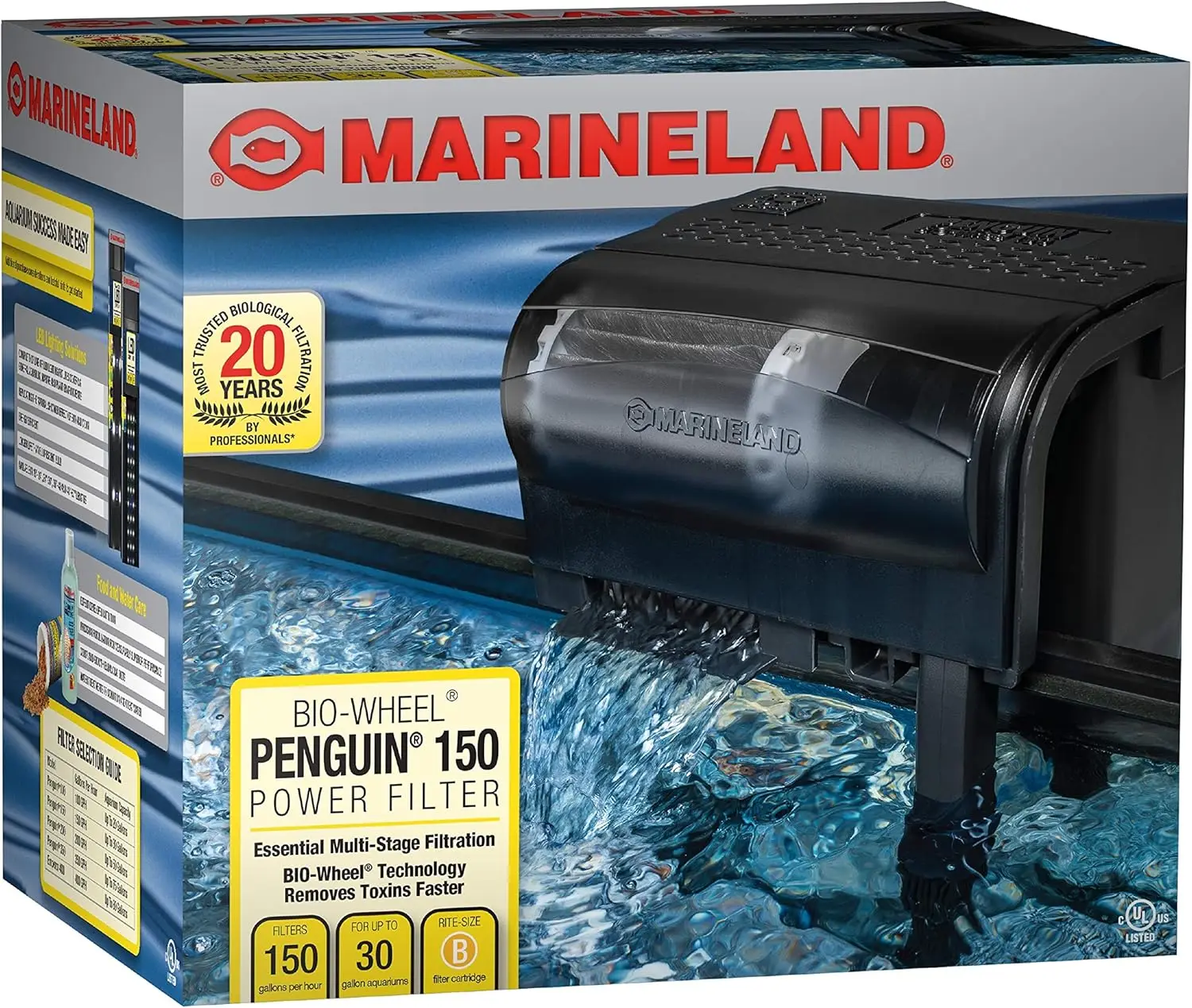 |
AliExpress Budget Pick: Bio-Wheel System 150 GPH for 20-30 gallon tanks. Features efficient bio-wheel for biological filtration. A cost-effective way to see multi-stage benefits in action. |
$47.29 | Buy on AliExpress |
Aquarium Filtration System – Multi Stage Cleaner
Okay, this isn’t for your drinking water, but it’s a brilliant, affordable demonstration of multi-stage filtration principles. We use similar setups in our test aquariums. The stackable, modular design lets you customize the media order—mechanical, chemical, biological—which is the core concept of any good multi-stage system. It’s quiet and surprisingly effective for the price.
- Excellent example of customizable, multi-stage filtration
- Very quiet, vibration-free operation
- Stackable design is smart and adaptable
- Not for human water purification
- Plastic construction feels a bit lightweight
- Instructions could be clearer
AliExpress Budget Pick: Bio-Wheel Filtration System
For hobbyists or anyone on a tight budget, this is a solid entry into multi-stage filtration for aquariums. The bio-wheel is a clever feature that promotes beneficial bacteria growth—a key “stage” often overlooked in cheap filters. It handles a 20-30 gallon tank well. Just manage your expectations; it’s not built like a premium canister filter.
- Very affordable entry point
- Bio-wheel is effective for biological filtration
- Decent flow rate for the price
- Build quality reflects the low price
- May need media upgrades for best performance
- Availability can be inconsistent
Frequently Asked Questions
- How many stages do I really need?
- For most municipal water, three stages (sediment, carbon, specialized) is the sweet spot. If you have very hard water or specific contaminants like fluoride or nitrates, you may need four or five. More stages aren’t always better; the right stages are.
- Is a multi-stage system better than reverse osmosis?
- It depends. A standard multi-stage system with carbon filters is faster, wastes no water, and retains healthy minerals. Reverse osmosis is a type of multi-stage system that includes a membrane, removing more total dissolved solids but also wasting some water and stripping minerals. For most city water, a high-quality carbon-based multi-stage system is sufficient and more efficient.
- Can I build my own multi-stage system?
- You can, using standard filter housings and cartridges. It’s a popular DIY project. However, you need to ensure correct sequencing, use certified filters, and guarantee a leak-proof seal. For most people, a pre-built, certified system is safer and more reliable.
- Do these systems remove healthy minerals?
- Only if they include a reverse osmosis or deionization stage. Standard sediment and carbon filters do not remove beneficial minerals like calcium and magnesium. Some systems even add a final “remineralization” stage to put them back in.
- How often do I change the filters?
- It varies wildly by stage and your water quality. Sediment filters might need changing every 3-6 months. Carbon blocks every 6-12 months. Specialty stages like RO membranes can last 2-5 years. Always follow the manufacturer’s schedule, but inspect your sediment filter regularly—it’s your best indicator.
- Will it lower my water pressure?
- There will be a slight drop in flow rate at the dedicated faucet, which is normal. A significant drop usually means a filter is clogged and needs replacement, or the system is undersized for your home’s demand. Whole-house systems require careful sizing to avoid pressure loss.
Final Thoughts
After years of testing, we firmly believe a multi-stage system is the best approach for anyone serious about their water quality. It’s not a gimmick; it’s sound engineering that mirrors how professional treatment plants work—just on a smaller scale. The ability to tackle a broad spectrum of contaminants with dedicated media in a logical sequence is something a single filter simply cannot match.
Our advice? Start with a water test. Identify your top two or three contaminants. Then, invest in a certified 3-stage system that targets those issues. You’ll get better-tasting, safer water, and the long-term filter cost often works out in your favor. Don’t overcomplicate it, but don’t settle for a single-filter solution if your water has multiple problems to solve.
