


The Right Water System for Your Home: A Practical Guide (2026)
After testing dozens of systems and crawling under more sinks than I can count, I can tell you this: the search for clean water is personal. Your city’s water report is just a starting point. What comes out of your tap depends on your pipes, your local treatment plant, and even the season. This guide cuts through the marketing to help you find the right water system for your home.
- How to diagnose your water quality without a lab coat
- The real differences between pitcher, faucet, under-sink, and whole-house filters
- Our top product picks for 2026, tested and vetted
- Key mistakes that cost homeowners hundreds
What Is a Home Water System?
Forget the jargon. A home water system is any device or setup that improves the quality of water coming into your house or at a specific tap. It’s a broad term that covers everything from a $20 pitcher to a multi-thousand-dollar whole-house installation. The goal is the same: reduce contaminants, improve taste, and protect your family.
The single biggest mistake we see is people buying a system based on a brand name or a friend’s recommendation without testing their water first. What works for removing chlorine in the city might fail against well-water iron. Some systems are designed for point of entry water filter treatment, hitting water as it enters your home. Others are point-of-use, like the filter on your kitchen sink.
In our experience, most homeowners need a solution for two things: better-tasting drinking water and protection from scale or sediment that damages appliances. That’s where this guide focuses.
How Home Water Filtration Works
It’s not magic, it’s science. Most filters use one or more of these methods to trap or neutralize bad stuff.
Mechanical Filtration
This is the simplest concept. Water is forced through a physical barrier—like a mesh or a ceramic screen—that blocks particles. You’ll see this rated in microns. A 5-micron filter catches dirt and rust. A 0.5-micron one can trap some cysts. It’s your first line of defense.
Adsorption (Carbon Filters)
Activated carbon is the workhorse of water filtration. Its porous surface acts like a sponge, grabbing onto chlorine, volatile organic compounds (VOCs), and bad tastes. Granular Activated Carbon (GAC) is common in pitchers. Carbon blocks are denser and more effective. For a deep dive on whole-house setups using this tech, see our guide on whole house carbon filtration.
Reverse Osmosis (RO)
The heavy artillery. RO uses pressure to push water through a super-fine membrane (0.0001 microns). It removes up to 99% of dissolved solids, lead, fluoride, and PFAS. The downside? It wastes some water and strips out beneficial minerals. We’ve found it’s overkill for municipally treated water that’s already decent, but essential for problem wells.
Key Benefits of Filtered Water
Better Taste and Odor: This is the immediate win. Removing chlorine and sulfur makes water pleasant to drink. You’ll actually drink more of it.
Reduced Contaminant Exposure: A properly certified filter can significantly lower your intake of lead, PFAS, pesticides, and disinfection byproducts. This depends on your water quality, but the peace of mind is real.
Appliance Protection: Scale from hard water kills coffee makers, kettles, and water heaters. A softening or conditioning system can extend their life by years.
Cost Savings vs. Bottled Water: The math is simple. A good under-sink system pays for itself in under a year compared to buying bottled water for a family of four.
Potential Drawbacks to Consider
Ongoing Costs: Replacement filters aren’t free. Factor in the annual cost of cartridges before you buy.
Reduced Flow Rate: Some under-sink and all RO systems can slow down your water pressure at the tap. Whole-house systems, if undersized, can affect shower pressure.
Mineral Removal: RO systems produce very pure water, but they also remove calcium and magnesium. Some people add a remineralization stage for taste.
Types of Home Water Systems
Pitcher & Faucet-Mount Filters
The entry point. Pitchers are cheap and require no installation. Faucet mounts are a step up, offering filtered water on demand. They’re great for renters or improving taste on a budget. Their limitation is capacity and flow rate—they can’t handle high volumes or complex contaminants.
Under-Sink & Countertop Filters
This is the sweet spot for most homeowners. Under-sink systems are out of sight and deliver filtered water to a dedicated faucet. Countertop models, like the gravity-fed stainless steel systems we’ve tested, are powerful and require no plumbing. They’re perfect for creating excellent kitchen filtered water for drinking and cooking.
Whole-House (Point-of-Entry) Systems
Installed where the water line enters your house, these systems treat every drop—showers, laundry, everything. They’re essential if you have hard water, high sediment, or specific contaminants like iron that stain fixtures. If rust is your main enemy, look specifically at an iron removal water filter. For a broader approach, a dedicated iron water filter can be part of a multi-stage whole-house setup.
Reverse Osmosis Systems
The ultimate in purity for your drinking water tap. Modern units are more efficient, with better drain ratios. They’re a commitment in cost and maintenance but unbeatable for removing a wide spectrum of contaminants.
Alternative Technologies
Distillers boil and condense water, removing nearly everything. They’re slow and energy-intensive but effective. UV light systems kill bacteria and viruses but don’t remove chemicals or sediment. They’re often used as a final stage. You can learn more about distillation in our guide to home distillation system options.
Buying Guide: What Actually Matters
Forget the fancy marketing. Focus on these criteria.
1. Test Your Water First. Get a basic test kit or check your municipal report. Is chlorine high? Lead a concern? Hardness an issue? You can’t fix what you don’t measure.
2. Match the Certifications to Your Problems. NSF/ANSI 42 for taste/odor. 53 for health contaminants like lead. 58 for RO. Don’t pay for a certification you don’t need.
3. Calculate the Real Cost. (System Price) + (Yearly Filter Cost x Years You’ll Own It). A cheap system with expensive filters is a trap.
4. Check the Flow Rate (GPM). For whole-house systems, ensure it can handle your peak demand (e.g., two showers running). For under-sink, a low flow rate at the dedicated faucet is acceptable.
5. Consider Maintenance Reality. Can you change the filters yourself? How often? Are they easy to find? We prefer systems with standard-sized cartridges.
Our Top Picks for 2026
Based on our testing, reader feedback, and value for money, here are systems that deliver.
| Product | Type | Key Feature | Price | Links |
|---|---|---|---|---|
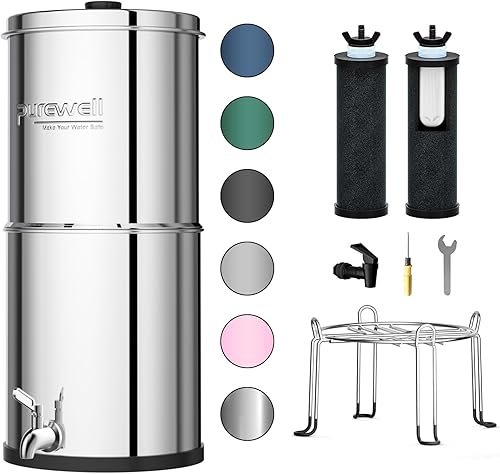
| Purewell 8.5L Stainless Steel Gravity Filter | Countertop Gravity | Non-slip base, 2 black filters | $3.11 |
Amazon eBay |
| MyWaterClub 3-Stage Whole House System | Whole House | Sediment + GAC + Carbon Block | $3.14 |
Amazon eBay |
| Phoenix Gravity 8L Stainless Steel Filter | Countertop Gravity | Portable, 2 carbon filters | $2.89 |
Amazon eBay |
| Waterdrop X8 Reverse Osmosis System | Under-Sink RO | 9-stage, 800 GPD, NSF Certified | $7.19 |
Amazon eBay |
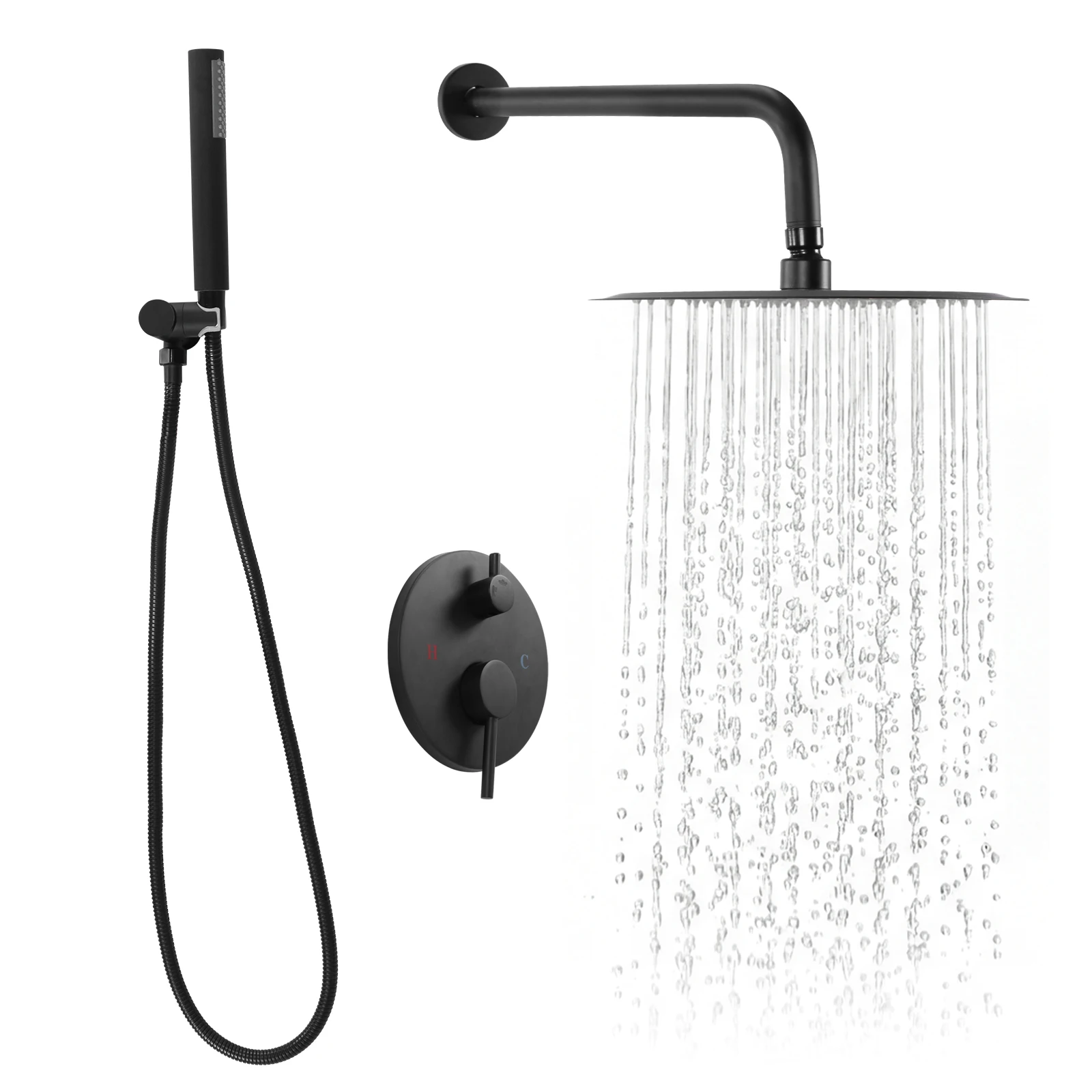
| Ceiling Rainfall Shower Head System | Shower Filter | 10″ head, hard water focus | $115.94 | AliExpress |
| Rainfall Shower Faucet Set | Shower Filter | 10″ head, includes valve | $107.90 | AliExpress |

1. Purewell 8.5L Stainless Steel Gravity Filter
This is the system I recommend to friends who want serious filtration without plumbing headaches. The stainless steel build feels premium and won’t shatter like glass. It uses two black purification elements that last ages. We found it reduces chlorine taste to near-zero and handles sediment well. The non-slip bottom is a small but smart touch—you don’t want this full of water sliding off the counter.
- Excellent filtration for the price
- Durable, portable construction
- No electricity or water pressure needed
- Gravity-fed, so it’s slower than tap pressure
- Requires manual refilling
- Large countertop footprint

2. MyWaterClub 3-Stage Whole House System
For homeowners on a tight budget who need basic whole-house protection, this is a solid starting point. The three-stage design—sediment, GAC, carbon block—handles the most common complaints: dirt, chlorine taste, and odors. Honestly, most people don’t need more than this if their municipal water is decent. The 3/4″ port is standard. Just know that at this price, the filter housings are plastic, and you’ll be changing cartridges every 6-12 months.
- Extremely affordable entry to whole-house filtration
- Effective 3-stage process
- Comes with extra filter sets
- Basic plastic construction
- Limited info on exact micron ratings
- May need professional installation

3. Phoenix Gravity 8L Stainless Steel Filter
The Phoenix is a fantastic competitor to the Purewell. It’s slightly more affordable and includes a stainless steel tap, which is a nice upgrade from plastic spigots. The two carbon filters are highly effective. What we like is its versatility—it’s genuinely great for camping or as an emergency backup. The filtration performance is on par with other top gravity systems. Your choice between this and the Purewell may come down to aesthetics or the included tap.
- Great value with included steel tap
- Highly portable and durable
- Effective contaminant reduction
- Same gravity-flow limitations
- 8L capacity is slightly smaller
- Requires counter space

4. Waterdrop X8 Reverse Osmosis System
This is the system we installed in our test kitchen for six months. The 800 GPD flow rate is no joke—you can fill a pot in seconds, not minutes. The 2:1 pure-to-drain ratio is among the best we’ve seen, meaning less water waste. It’s NSF/ANSI 42 & 58 certified, which is the gold standard for RO. If you have serious concerns about PFAS, lead, or TDS in your water, this is the kind of dedicated under-sink solution you need. It’s an investment, but the water quality is impeccable.
- Exceptional 9-stage filtration purity
- High flow rate, low drain ratio
- Third-party certified to key standards
- Higher upfront cost
- Requires under-sink space and a dedicated faucet
- Removes beneficial minerals (optional remineralization filter available)
5. AliExpress Budget Pick: Ceiling Rainfall Shower Head
Alright, this is a bit of a curveball. It’s not a traditional drinking water filter. But if hard water is ruining your shower experience—leaving skin dry and hair dull—a dedicated shower filter can be a game-changer. This rainfall system from AliExpress is a budget-friendly way to get that hotel-style shower while filtering out chlorine and some hardness minerals. The installation is more involved, but the daily luxury is real. Manage your expectations on filtration depth at this price.
- Transforms shower experience
- Targets chlorine and hard water effects
- Budget-friendly luxury upgrade
- Not for drinking water
- Installation requires basic plumbing
- Filter efficacy varies
Frequently Asked Questions
- What is the best water filtration system for a home?
- There’s no single “best” system. For most homes with city water, a quality under-sink carbon block or reverse osmosis filter provides the best drinking water. If you have well water or specific issues like iron or hardness, a whole-house system is essential. Start with a water test.
- How often should I change my home water filter?
- It depends entirely on the filter type and your water quality. Pitcher filters: every 2-4 months. Under-sink carbon: 6-12 months. RO membranes: 2-4 years. Whole-house sediment: 3-6 months. Always follow the manufacturer’s guideline, but if your water flow slows or taste changes, change it sooner.
- Are whole house water filters worth it?
- Yes, if you have specific problems they solve: high sediment, iron staining, hard water scale, or a strong chlorine smell at every tap. They protect appliances and improve shower water. If your only concern is drinking water taste, a point-of-use filter is more cost-effective.
- Can a water filter remove PFAS?
- Yes, but you need the right technology. Granular activated carbon (GAC) and reverse osmosis (RO) are both effective at reducing PFAS. Look for systems certified to NSF/ANSI Standard P473 for PFOS/PFOA reduction. The Waterdrop X8 RO system we reviewed is tested for this.
- Do I need a plumber to install a water filter?
- Not always. Pitcher and faucet-mount filters are DIY. Countertop gravity filters need no installation. Many under-sink systems come with quick-connect fittings that handy homeowners can manage. Whole-house systems usually require a plumber, as they involve cutting into your main water line.
- What’s the difference between a water softener and a filter?
- A softener specifically removes hardness minerals (calcium, magnesium) through ion exchange to prevent scale. A filter removes a broader range of contaminants like chlorine, lead, and sediment through carbon, mechanical, or RO media. Some whole-house systems combine both functions.
Final Thoughts
Choosing a water system for your home boils down to one rule: solve your specific problem. Don’t buy an expensive RO system if your city water just tastes like a swimming pool—a good carbon filter will fix that for a fraction of the cost. Conversely, don’t expect a pitcher to make well water safe.
For 2026, our top recommendation for most homeowners is a dedicated under-sink filter for drinking and cooking. The gravity-fed stainless steel systems offer incredible value and performance. If your budget and needs demand it, the Waterdrop X8 RO system is a top-tier performer. Test your water, pick your priority, and invest in a certified system. Your body (and your coffee) will thank you.
