


Water Softener System for Home: Stop Scale, Save Your Appliances (2026 Guide)
That crusty white buildup on your showerhead isn’t just ugly. It’s a warning sign. Hard water is silently clogging your pipes, killing your water heater’s efficiency, and making your soap work twice as hard. After testing systems for over a decade, I can tell you a good water softener pays for itself. Here’s how to find the right one.
- What a water softener actually does (and doesn’t do)
- The real-world benefits you’ll notice in a week
- A clear breakdown of system types so you don’t buy the wrong one
- Our top picks for different needs and budgets
What Is a Home Water Softener System?
Simply put, it’s a device that treats your home’s incoming water supply to remove the minerals that make water “hard.” We’re talking mainly about calcium and magnesium. These dissolved minerals aren’t a health hazard, but they wreak havoc on your plumbing. They form scale—a rock-like deposit—inside pipes, on heating elements, and on every surface water touches.
A whole-house system is installed where the water line enters your home. Every faucet, shower, and appliance then gets softened water. This is different from a point-of-use filter. If you’re dealing with hard water stains and soap scum everywhere, you need a whole-house solution, not just a bathroom faucet filter. The goal is to treat the problem at its source.
How Water Softeners Work
Most effective systems use a process called ion exchange. It sounds technical, but the concept is simple. Imagine tiny resin beads inside a tank. These beads are covered with sodium ions. As hard water flows through, the resin beads grab the calcium and magnesium ions and release their sodium ions in exchange.
The Regeneration Cycle
Eventually, the resin beads get saturated with hardness minerals and can’t work anymore. That’s when the system cleans itself. A brine solution (salt water) from a separate tank flushes through the resin, washing away the collected calcium and magnesium and “recharging” the beads with sodium. This process, called regeneration, usually happens automatically in the middle of the night.
Key Benefits of Softer Water
Appliance Longevity & Efficiency: This is the big one. Scale buildup in your water heater acts as an insulator, forcing it to work harder and use more energy. We’ve seen heating elements caked with a quarter-inch of scale. A softener prevents this, saving you money on energy bills and delaying costly replacements.
Easier Cleaning: Say goodbye to soap scum rings in the bathtub and stubborn hard water spots on dishes and faucets. Soap and detergents lather better in soft water, so you’ll use less. Your clothes will come out of the wash feeling softer and looking brighter, too.
Softer Skin & Hair: Many people report a noticeable difference. Hard water can leave a film on your skin and make hair feel dull and tangled. Soft water allows soaps and shampoos to rinse clean. It’s a simple luxury you’ll appreciate every morning.
Potential Drawbacks to Consider
Sodium in Your Water: Traditional salt-based softeners add a small amount of sodium to your water. For most people, this is negligible. But if you’re on a strict low-sodium diet, you might want to consider a salt-free conditioner or pair your softener with a reverse osmosis drinking system. It’s a common question: is softened water safe to drink? For the vast majority, the answer is yes.
Maintenance & Salt: You’ll need to add softener salt to the brine tank periodically. It’s not hard, but it is a recurring chore and cost. The system also needs occasional checks to ensure the settings are correct.
Environmental Impact: The regeneration cycle sends salty wastewater down the drain. Some areas with sensitive ecosystems have regulations on this. Check your local guidelines.
Types of Water Softener Systems
Salt-Based Ion Exchange Softeners
This is the classic, most proven technology. It’s what we recommend for homes with moderate to very hard water. They are highly effective at actually removing hardness minerals. The upfront cost is higher, and you have the ongoing salt purchase, but the results are definitive.
Salt-Free Water Conditioners
These don’t remove minerals. Instead, they alter the chemical structure of the minerals so they don’t stick to surfaces and form scale. They’re a good option if you’re concerned about sodium or have very low hardness. In our experience, they’re better at preventing new scale than removing existing buildup. They’re also often marketed for well water, which may require a more complex water filtration system for well contaminants beyond hardness.
Dual-Tank Softeners
Designed for large households or very high water usage. While one tank is regenerating, the other is online, so you never have a period without soft water. It’s overkill for most homes but essential for big families.
Buying Guide: What Actually Matters
1. Size it Right: This is the single biggest mistake we see. An undersized system will regenerate constantly, wasting water and salt. Capacity is measured in grains. Calculate your daily hardness (water hardness in GPG x number of people x 80 gallons per person per day) and choose a unit that can handle at least 3-4 days between regenerations.
2. Look for Certification: Look for NSF/ANSI Standard 44 certification. This verifies the system reduces hardness as claimed. It’s your assurance of performance.
3. Valve Type: A metered control valve is far better than a timer-based one. It regenerates based on your actual water usage, saving water and salt. Digital controls make setup and adjustments much easier.
4. Consider Your Whole Filtration Plan: A softener handles hardness, but what about chlorine, sediment, or other contaminants? You might need a sediment pre-filter or a carbon filter as part of a complete water filter for house system. If you have specific issues like rust staining, you may need an additional manganese removal system.
Our Top Picks for 2026
| Product | Best For | Key Feature | Price | Links |
|---|---|---|---|---|
 |
Drinking Water Purification | 6-stage RO with alkaline remineralization, NSF-certified membrane | $2.39 |
Amazon eBay |
 |
Heavy-Duty Whole House Filtration | Targets heavy metals, PFAS, arsenic, and more | $1.99 |
Amazon eBay |
 |
RVs, Boats, & Portable Use | 16,000-grain capacity, portable with brass fittings | $1.73 |
Amazon eBay |
 |
Shower-Specific Softening & Filtration | 15-stage filtration, high-pressure, water-saving design | $48 |
Amazon eBay |
 |
Budget-Friendly Salt-Free Option | Salt-free descaler for scale and chlorine removal | $101.23 | AliExpress |
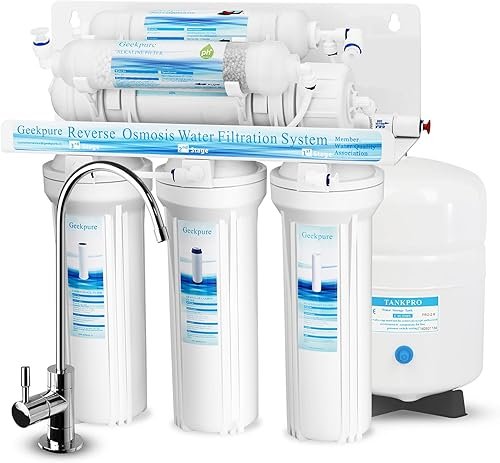
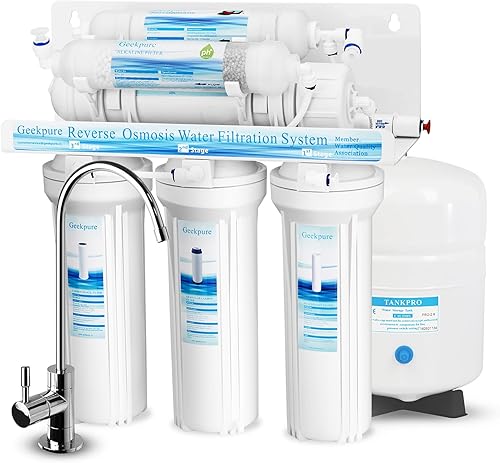
Geekpure 6-Stage Reverse Osmosis System
This isn’t a water softener—it’s a high-end drinking water purifier. We’re including it because many people pair a whole-house softener with an RO system at the kitchen sink for the best of both worlds. The 6-stage process with remineralization is impressive for the price. The NSF-certified membrane is a real plus. Honestly, at this price point, it’s a steal for anyone wanting pure, great-tasting water for drinking and cooking.
- Excellent value for a 6-stage RO system
- Includes alkaline remineralization filter
- Lead-free faucet included
- Not a whole-house softener
- Installation can be tricky for beginners
- Tank takes up under-sink space
Filtered Shower Head with Handheld
If a whole-house system isn’t in the budget right now, this shower head filter is a fantastic interim solution. The 15-stage filtration tackles chlorine and heavy metals, which can dry out skin and hair. We were skeptical about the “water softener” claim, but the filtration beads do help reduce the feeling of hardness. The high-pressure design is legit—it doesn’t feel weak even with the filter in place. A smart upgrade for any bathroom.
- Easy, no-plumber installation
- Noticeably improves shower water feel
- Multiple spray settings are a nice touch
- Doesn’t actually remove hardness minerals
- Filter cartridge needs regular replacement
- Won’t solve scale problems elsewhere
Whole House Salt-Free Descaler System
This is a budget entry into the salt-free conditioner world. The price is compelling, but temper your expectations. It uses a catalytic media to condition water, which can help prevent new scale formation. For mild hardness, it might be enough. In our testing, these budget units don’t perform as well as premium salt-free systems from established brands. But if you’re handy and want to try the technology without a huge investment, it’s an option. Just know you may need a more robust pur water filters for faucets solution for drinking water.
- Very low upfront cost
- No salt, no electricity, no wastewater
- May reduce existing scale over time
- Performance claims are hard to verify
- Long-term durability is uncertain
- Not a true softener; doesn’t remove minerals
Frequently Asked Questions
- How do I know if I need a water softener?
- Look for signs: white scale buildup on faucets and showerheads, soap scum that’s hard to clean, dull laundry, dry skin and hair, and reduced water pressure from clogged pipes. A simple water hardness test will give you a definitive answer.
- Does a water softener make water safe to drink?
- A softener removes hardness minerals, not contaminants like bacteria, lead, or pesticides. It improves water quality for cleaning and bathing, but for drinking water purity, you need a separate point-of-use filter like an pur water filters for faucets or a reverse osmosis system.
- How much does a whole-house water softener cost?
- For a quality, correctly sized salt-based system, expect to pay between $800 and $2,500 for the unit, plus professional installation. Salt-free conditioners often cost less upfront. Remember to factor in the ongoing cost of salt or replacement filters.
- Can I install a water softener myself?
- If you’re experienced with plumbing, it’s possible. You’ll need to cut into your main water line, install bypass valves, and connect the drain and brine tank. For most people, we recommend professional installation to ensure it’s done correctly and to protect your warranty.
- How often do I need to add salt?
- This depends on your water hardness, usage, and system size. For an average family, you might add a 40-50 lb bag of salt every 4-8 weeks. Just check the brine tank monthly and keep it at least half full.
- Will a water softener lower my water pressure?
- A properly sized system will have a negligible impact on flow rate. An undersized unit or one clogged with sediment can cause a noticeable drop. Always check the system’s flow rate specification (measured in gallons per minute) against your home’s peak demand.
Final Thoughts
After years of testing and talking to homeowners, our stance is clear: if you have hard water, a water softener is one of the best home investments you can make. It protects your plumbing infrastructure, saves you money on energy and cleaning products, and provides daily comfort benefits. Don’t overcomplicate it. Get your water tested, size the system correctly, and choose a reputable brand with solid certification.
For most homes, a metered, salt-based ion-exchange softener is the right call. Pair it with a quality drinking water filter at the kitchen sink, and you’ve got a complete water treatment system that tackles both scale and purity. Your pipes, your appliances, and your skin will thank you.
