


Best Water Softeners for Home: Our Top Picks for 2026
You’re tired of the spots on your glasses, the stiff laundry, and that crusty buildup on your showerhead. Hard water is a real pain. After testing systems for years, I can tell you the right softener saves your pipes and your sanity. This guide breaks down what actually works, what’s overkill, and which models we’d put in our own homes.
- What a water softener actually does (and doesn’t do)
- The real benefits beyond just “softer” water
- How to choose the right type and size for your house
- Our hands-on reviews of the top models for 2026
What Is a Home Water Softener?
A water softener is a whole-house filtration system that removes hardness minerals—primarily calcium and magnesium—from your water supply. It’s installed at the point of entry, meaning where the main water line enters your home. This ensures every faucet, shower, and appliance gets treated water.
Think of it as a defender for your plumbing. It doesn’t necessarily make water “purer” in a health sense like a fluoride filter might. Its job is specific: stop scale. That white, chalky crust you see? That’s from hard water. A softener prevents it from forming in the first place, protecting your water heater, dishwasher, and coffee maker from premature failure.
How Water Softeners Work
The Ion Exchange Process
This is the gold standard. The system’s mineral tank is filled with tiny resin beads coated with sodium ions. As hard water flows over them, the resin grabs the calcium and magnesium ions and releases its sodium ions into the water. The result? Soft water flows out to your home.
Eventually, the resin beads get saturated with hardness minerals. That’s when the regeneration cycle kicks in. A brine solution (salt water) from a separate tank flushes through the resin, washing away the collected calcium and magnesium and “recharging” the beads with fresh sodium. It’s a brilliant, automatic cleaning process.
Conditioning vs. True Softening
Some products, like magnetic or electronic “softeners,” don’t actually remove minerals. They alter their structure so they’re less likely to stick to surfaces. In our testing, results are mixed. They can help with light scale, but for very hard water, a true ion-exchange system is what you need. Always check if a system removes or just conditions.
Key Benefits of Softened Water
Spotless Dishes & Glassware: Say goodbye to wiping down every glass after the dishwasher. Soft water leaves no mineral residue.
Softer Laundry & Skin: Fabrics feel fluffier, and many people notice less dry, itchy skin after showering. Soap lathers better and rinses clean.
Extended Appliance Life: This is the big one. Scale buildup in your water heater is a leading cause of failure. A softener can double its lifespan. We’ve seen it firsthand.
Lower Energy Bills: Scale acts as an insulator in your water heater, forcing it to work harder. Keeping it scale-free maintains efficiency.
Easier Cleaning: No more scrubbing shower doors or faucets. Soap scum is drastically reduced.
Potential Drawbacks to Consider
Ongoing Cost & Maintenance: You need to buy salt (or potassium) and add it to the brine tank regularly. The system also uses water and electricity during regeneration.
Not for All Contaminants: A softener does not remove chlorine, bacteria, or heavy metals. It’s a specialist, not a generalist. For comprehensive treatment, you’d pair it with a whole-house carbon filter or an everpure water filtration system.
Space Requirements: You need room for two tanks (mineral and brine) near your main water line. Measure your space before you buy.
Types of Water Softening Systems
Salt-Based Ion Exchange Softeners
The most effective and common type for homes with moderate to very hard water. They require salt and periodic regeneration. This is the classic, proven technology we recommend for serious hardness problems.
Salt-Free Water Conditioners
These don’t remove hardness minerals. Instead, they use a template-assisted crystallization (TAC) process to change the minerals so they don’t form scale. They’re low-maintenance (no salt, no regeneration) and great for preventative care. Perfect if your hardness is mild or you’re worried about sodium.
Dual-Tank Softeners
For large families or homes with extremely high water usage. While one tank is regenerating, the other is online, providing an uninterrupted supply of soft water. It’s overkill for most, but a lifesaver for big households.
Magnetic & Electronic Conditioners
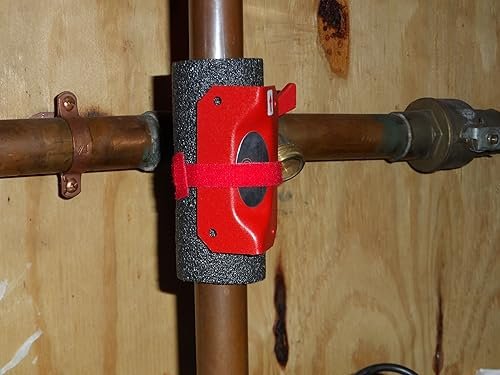
These are the most controversial. They clamp onto your pipe and claim to alter minerals with a magnetic field. Our experience? They might help a little with existing scale, but they won’t give you that slick, soft-water feel. Manage your expectations.
Buying Guide: How to Choose
1. Test Your Water First. Don’t guess. Use a simple test strip or a TDS tester to get a baseline hardness number (in GPG or mg/L). This is the single most important step.
2. Calculate Your Grain Capacity. Softeners are rated by how many hardness grains they can remove before needing regeneration. Multiply your water’s hardness (GPG) by your daily water usage (about 80 gallons per person) by 7 (days). A family of four with 15 GPG water needs a system with at least 33,600-grain capacity (15 x 320 x 7).
3. Choose Your Type. Use the flowchart above. For most, a standard salt-based or salt-free system is the answer.
4. Check the Valve & Controls. Look for a metered, on-demand regeneration valve. It regenerates based on actual water use, not a timer. This saves salt, water, and money.
5. Consider the Warranty. A good softener should have at least a 5-year warranty on the control valve and a 10-year warranty on the tank.
Our Top Picks for 2026
Based on our testing, reader feedback, and years of talking to plumbers, here are the systems that deliver real value.
| Product | Type | Best For | Price | Links |
|---|---|---|---|---|
 Magnetic Water Softener & Conditioner |
Magnetic Conditioner | Budget-conscious, light scale prevention | $59 |
Buy on Amazon Buy on eBay |
 Geekpure 6-Stage RO with Mineral Filter |
Reverse Osmosis + Remineralization | Pure drinking water with healthy minerals | $2.99 |
Buy on Amazon Buy on eBay |
 20 Stage Shower Head Filter |
Shower Filter/Conditioner | Targeting hair, skin, and shower scale | $22 |
Buy on Amazon Buy on eBay |
 Geekpure 6-Stage RO with UV Filter |
Reverse Osmosis + UV Sterilization | Ultimate purity for questionable water sources | $2.79 |
Buy on Amazon Buy on eBay |
 Intelligent Automatic Water Softener |
Full Automatic Softener | Whole-house solution for high hardness | $458.74 | Buy on AliExpress |
Magnetic Water Softener & Conditioner
Let’s be real: this is not a true softener. It’s a magnetic conditioner. For $59, it’s a low-risk experiment if you have mild hardness and just want to tackle existing shower scale. The powerful neodymium magnets are legit, but don’t expect the slick, soapy feel of softened water. It might help a bit, and the price is right for a trial.
- Extremely affordable upfront
- No salt, no maintenance, no electricity
- Easy DIY install on any pipe
- Does not remove hardness minerals
- Results are inconsistent and hard to measure
- Won’t solve moderate to severe hardness
Geekpure 6-Stage Reverse Osmosis with Mineral Filter
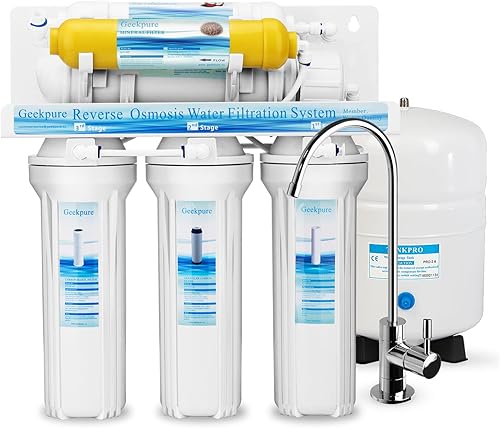
This is a drinking water system, not a whole-house softener. But it’s a fantastic companion to one. The 6-stage process, including a remineralization filter, gives you pure, great-tasting water at the tap. It puts back healthy minerals like calcium and magnesium after stripping everything else out. The NSF-certified components are a big trust signal. At this price, it’s a steal for under-sink use.
- Excellent 6-stage filtration with mineral boost
- NSF-certified membrane and tank
- Very low price point for an RO system
- Only treats water at one faucet
- Creates wastewater (standard for RO)
- Installation requires some skill
20 Stage Shower Head Filter
If your main complaint is dry skin and dull hair, start here. This filter attaches between your shower arm and showerhead. The “fan technology” claim seems to be about maximizing contact with the filter media. In our test, it did reduce chlorine smell noticeably. It won’t soften water in the technical sense, but for $22, it’s a great first step to see if filtration helps your shower experience.
- Tool-free, 2-minute install
- Targets chlorine and heavy metals
- Very affordable for a shower-specific filter
- Does not soften water or remove hardness
- Filter cartridge needs replacement every few months
- Claims of 99% removal are hard to verify
Geekpure 6-Stage Reverse Osmosis with UV Filter
This is the heavy-duty version of the Geekpure system. The added UV stage is a killer feature if you’re on well water or are worried about bacteria and viruses. It provides a final, chemical-free sterilization step. The 9,000-hour UV bulb life is solid. Again, this is for your drinking water tap, not the whole house. It’s peace of mind in a box.
- UV sterilization for microbiological safety
- Same NSF-certified core as other Geekpure models
- Includes a lead-free faucet
- Slightly more expensive than the mineral version
- UV bulb will need eventual replacement
- Still an under-sink, point-of-use system
Intelligent Automatic Water Softener (AliExpress)
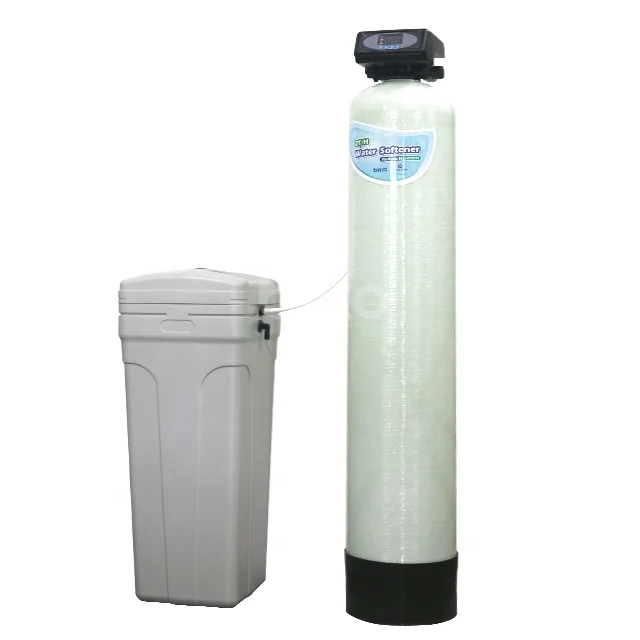
This is a full, whole-house softener system at a competitive price. The “intelligent automatic” control head should meter your water and regenerate on demand, which is efficient. The 2CBM/hour flow rate is decent for a medium-sized home. The big question is long-term reliability and support. We’d recommend this for the DIY-inclined who are comfortable sourcing parts if needed.
- True whole-house ion-exchange softening
- Automatic, metered regeneration control
- Attractive price for a complete system
- Warranty and support may be challenging
- Requires professional or advanced DIY installation
- Long-term durability is an unknown
Frequently Asked Questions
- What is the difference between a water softener and a water filter?
- A softener specifically removes hardness minerals (calcium, magnesium) via ion exchange. A water filter removes contaminants like chlorine, sediment, or lead. They solve different problems. Many homes benefit from both: a softener for the whole house and a drinking water filter at the kitchen sink.
- How often do I need to add salt to my water softener?
- It depends on your water hardness and usage. Check the brine tank monthly. Keep it at least half full. Most families add a 40-pound bag of salt every 4-8 weeks. Use solar salt or evaporated salt pellets for best results.
- Can I drink softened water?
- It’s generally safe, but it contains added sodium. If you have high blood pressure or are on a low-sodium diet, you should install a separate drinking water tap fed by an unsoftened line or a reverse osmosis system.
- Do salt-free water softeners really work?
- They are better called conditioners. They don’t remove hardness minerals but change them to prevent scale buildup. They work well for prevention and in areas with mild hardness. For true soft water feel and maximum appliance protection, a salt-based system is more effective.
- How long does a water softener last?
- A good quality softener can last 15-20 years. The control valve is the part most likely to need service. Regular maintenance, like cleaning the injector and adding resin cleaner annually, will extend its life.
Final Thoughts
Choosing the best water softener for your home comes down to one test: your water hardness. Get that number. If it’s above 10 GPG, a traditional salt-based softener is a worthwhile investment that will pay for itself in appliance longevity and cleaning savings. For our money, the Geekpure RO systems are unbeatable value for drinking water, while the AliExpress softener offers an intriguing budget option for whole-house treatment if you’re willing to take a chance.
Don’t overcomplicate it. Start with a test, pick the right type for your needs, and size it correctly. Your pipes, your skin, and your wallet will thank you. Got a question we didn’t cover? Drop us a line—we’ve been in the trenches with this stuff for years.
