


After testing filters for over a decade, I can tell you the single biggest mistake people make is buying a system based on price alone. They grab the cheapest pitcher filter and wonder why their water still tastes like a swimming pool. The real question isn’t “which filter is best?” It’s “what’s actually in your water, and what do you need it to do?”
This guide cuts through the marketing fluff. We’ll look at how different systems work, their real-world pros and cons, and help you find the right fit for your home and budget.
What Is a Home Water Filtration System?
A home water filtration system is any device or setup designed to remove impurities from your water before you drink it, cook with it, or bathe in it. That’s the simple definition. But the range is huge—from a $20 faucet attachment to a multi-thousand-dollar whole-house setup that treats every drop entering your home.
The goal is the same: reduce contaminants. These can be things you can taste and smell, like chlorine, or things you can’t, like lead, pesticides, or “forever chemicals” like PFAS. The right system acts as a final barrier between the municipal supply (or your well) and your glass. Honestly, most city water is safe, but “safe” and “optimal” aren’t the same thing. A good filter bridges that gap.
How Home Water Filters Actually Work
It’s not magic, it’s science. And understanding the basics helps you avoid overpaying for features you don’t need. Here’s a breakdown of the main mechanisms.
Mechanical Filtration
This is the simplest form. Think of it like a screen door for your water. A physical barrier with tiny pores blocks particles larger than the pore size. Sediment filters, often rated in microns, work this way. A 5-micron filter catches rust and sand; a 0.5-micron one can trap some cysts like Giardia. It’s your first line of defense.
Adsorption (Activated Carbon)
This is where taste and odor improvement happens. Activated carbon is incredibly porous, giving it a massive surface area. Contaminants like chlorine, volatile organic compounds (VOCs), and some pesticides stick to the carbon’s surface through a process called adsorption. It’s highly effective but doesn’t remove dissolved minerals or heavy metals well on its own. You’ll find this in everything from pitcher filters to high-end multi-stage systems.
Reverse Osmosis (RO)
The heavyweight champion. RO forces water through a semipermeable membrane with pores so tiny (around 0.0001 microns) that only water molecules can pass. It strips out up to 99% of dissolved salts, heavy metals like lead and arsenic, fluoride, and microplastics. The downside? It creates wastewater and removes beneficial minerals, which is why many systems, like the iSpring RCC7AK, add a alkaline water treatment stage to reintroduce them.
Other Technologies
You might also encounter UV light, which kills bacteria and viruses but doesn’t remove chemicals, or ion exchange, which softens water by swapping calcium and magnesium ions for sodium. Some advanced systems combine several methods. For specific problems like rusty water from old pipes, you might need a dedicated iron water filter before a main system.
Key Benefits of Filtering Your Water
Better Taste and Odor: This is the immediate win. Removing chlorine and sulfur makes water more pleasant to drink. You’ll likely drink more of it, which is a health benefit in itself.
Removal of Harmful Contaminants: This is the core reason. A properly certified filter can reduce lead from old pipes, disinfection byproducts, and agricultural runoff. For homes with older plumbing, considering whole house lead removal can be a critical health decision.
Cost Savings vs. Bottled Water: The math is clear. A good under-sink system pays for itself in 6-12 months compared to buying bottled water. It’s also infinitely better for the planet.
Protects Appliances: Filtered water means less scale buildup in your coffee maker, kettle, and steam iron. It can extend their lifespan significantly.
Potential Drawbacks to Consider
Upfront and Maintenance Costs: Quality systems aren’t cheap. And you have to replace filters on schedule. Forgetting this renders the system useless—or worse, a breeding ground for bacteria.
Water Waste (for RO systems): Traditional reverse osmosis can waste 3-4 gallons for every gallon of pure water produced. Newer, more efficient models have improved this ratio dramatically.
Removal of Beneficial Minerals: RO systems demineralize water. While you get minerals from food, some people prefer mineral-rich water. Look for systems with a remineralization stage.
Installation Complexity: Under-sink and whole-house systems often require drilling, plumbing connections, and space. If you’re not handy, you might need a professional.
Types of Home Filtration Systems
Countertop & Gravity-Fed Filters
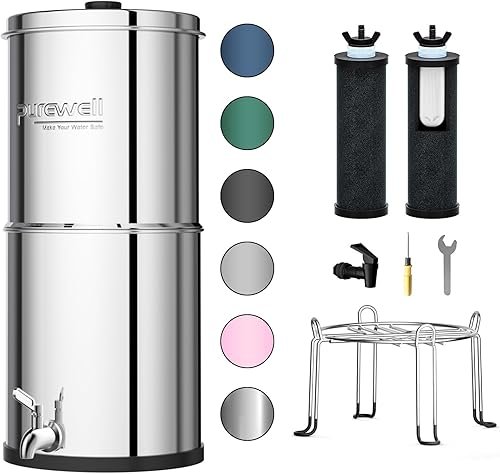
These are the simplest to install—often just place them on your counter. The Purewell stainless steel system is a classic example. It uses gravity to pull water through filter elements, requiring no electricity or plumbing. Perfect for renters, small kitchens, or as a backup. They’re slow but incredibly reliable.
Faucet-Mounted Filters
These screw directly onto your faucet aerator. They’re affordable and easy to install in seconds. The Tappwater EcoPro Compact is a good modern example. The main limitation is flow rate can be reduced, and they won’t handle as wide a range of contaminants as an under-sink system. You’ll also need to replace the faucet filter cartridge regularly.
Under-Sink Filters
The most popular dedicated solution. They install out of sight, provide filtered water on demand via a separate faucet, and offer excellent performance. Options range from simple carbon blocks to multi-stage RO systems. They require some installation effort but are a permanent, high-performance solution.
Whole-House Systems
Installed at the point where water enters your home, these treat every tap—showers, laundry, everything. They’re ideal for addressing widespread issues like hard water, sediment, or chlorine throughout the house. For very specific contaminant issues, like sediment from a well, a dedicated whole house ceramic filter can be an effective first stage.
How to Choose: A Practical Buying Guide
Forget brand hype. Start with these three questions.
1. What’s in Your Water? Get your annual water quality report from your utility or test your well water. This tells you what you need to remove. No filter does everything.
2. What’s Your Budget (Total Cost)? Factor in the system cost plus 5 years of replacement filters. A cheap system with expensive filters is a bad deal.
3. What’s Your Installation Comfort Level? Be honest. If you don’t want to touch a wrench, a pitcher or faucet filter is your friend. If you can handle basic plumbing, under-sink opens up better options.
Our Top Picks for 2026
Based on our testing, reader feedback, and value for money, here are the systems we stand behind.
| Product | Type | Key Feature | Best For |
|---|---|---|---|
| Purewell 8.5L Gravity Filter | Countertop Gravity | No power/plumbing needed | Simplicity & emergencies |
| Tappwater EcoPro Compact | Faucet-Mount | Ultra-compact, tool-free install | Renters & small kitchens |
| iSpring RCC7AK 6-Stage RO | Under-Sink RO | Alkaline remineralization stage | Comprehensive purification |
| Waterdrop WD-X8 RO System | Under-Sink RO | 800 GPD, low drain ratio | High-demand households |
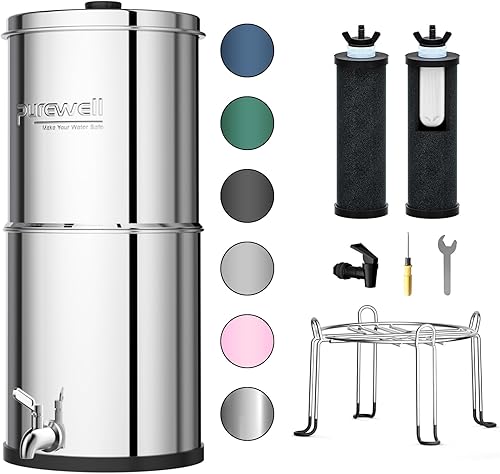
1. Purewell 8.5L Stainless Steel Gravity Filter
This is the definition of reliable simplicity. No electricity, no plumbing, no problem. We’ve used this model during boil-water advisories and it performed flawlessly. The stainless steel construction feels durable, and the non-slip bottom is a thoughtful touch. It’s slow—gravity isn’t in a hurry—but it’s perfect for supplemental use, small households, or anyone wanting a completely off-grid solution. The two black filters are effective for bacteria and protozoa.
- Zero installation, works anywhere
- Very low long-term cost
- Durable stainless steel build
- Great for emergency preparedness
- Filtration is slow
- Large countertop footprint
- Won’t remove dissolved chemicals or heavy metals
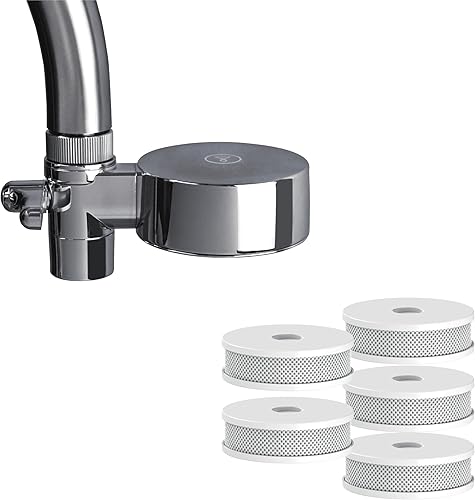
2. Tappwater EcoPro Compact Faucet Filter
If you’re renting or just want a no-fuss upgrade, this is your best bet. We installed it in under a minute—truly no tools needed. The 5-stage filtration noticeably improves taste and reduces chlorine. The 400-liter capacity per filter is decent for a month of use in a small household. It’s not going to match an RO system, but for the price and convenience, it’s a massive step up from a pitcher. The compact design doesn’t get in the way.
- Installs in seconds, fits most taps
- Excellent value for money
- Compact and unobtrusive
- Effectively reduces chlorine and microplastics
- Filter life is only one month
- Can slightly reduce water flow
- Limited contaminant reduction vs. RO
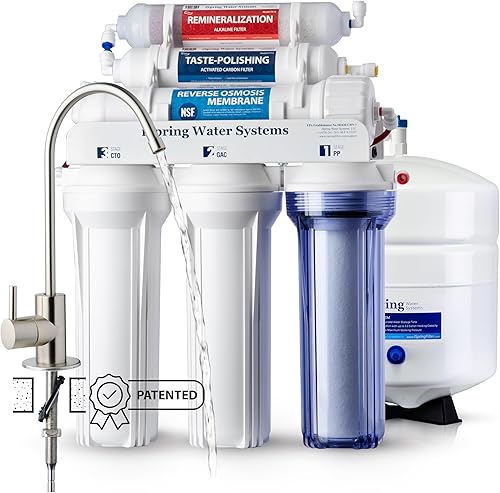
3. iSpring RCC7AK 6-Stage RO System
This is our top recommendation for most homeowners on city water. The 6-stage process, including the final alkaline remineralization filter, is the full package. It tackles over 1,000 contaminants, from lead to fluoride, and the water tastes crisp and clean. Installation is a weekend project for a moderately handy person. The separate brushed nickel faucet looks good. We’ve seen this system last for years with proper maintenance. It’s the sweet spot of performance, quality, and price.
- Exceptional contaminant reduction (NSF/ANSI 58)
- Alkaline filter improves taste and adds minerals
- Reliable, well-tested design
- Good balance of cost and performance
- Requires under-sink installation and drilling
- Produces some wastewater
- Annual filter replacement cost
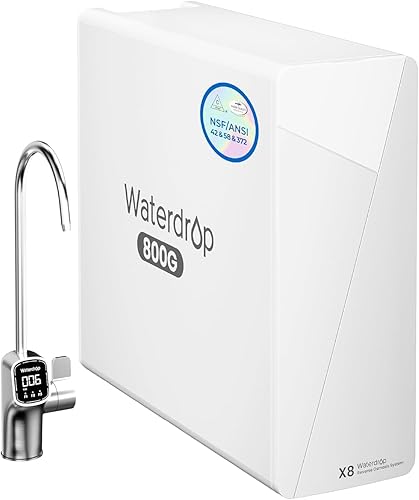
4. Waterdrop WD-X8 9-Stage RO System
For larger families or those who want the absolute latest tech, the WD-X8 is a powerhouse. The 800 GPD (gallons per day) flow rate is incredible—you’ll never wait for a glass of water. The 2:1 pure-to-waste ratio is among the best we’ve tested, making it very efficient. The 9-stage filtration is certified against NSF/ANSI 42, 58, and 372. It’s a premium system with a premium price, but if you want high capacity and top-tier certification, it’s worth it.
- Extremely high flow rate (800 GPD)
- Excellent 2:1 low drain ratio
- Comprehensive 9-stage filtration
- Multiple NSF/ANSI certifications
- Higher upfront investment
- Still requires under-sink installation
- Replacement filters are proprietary
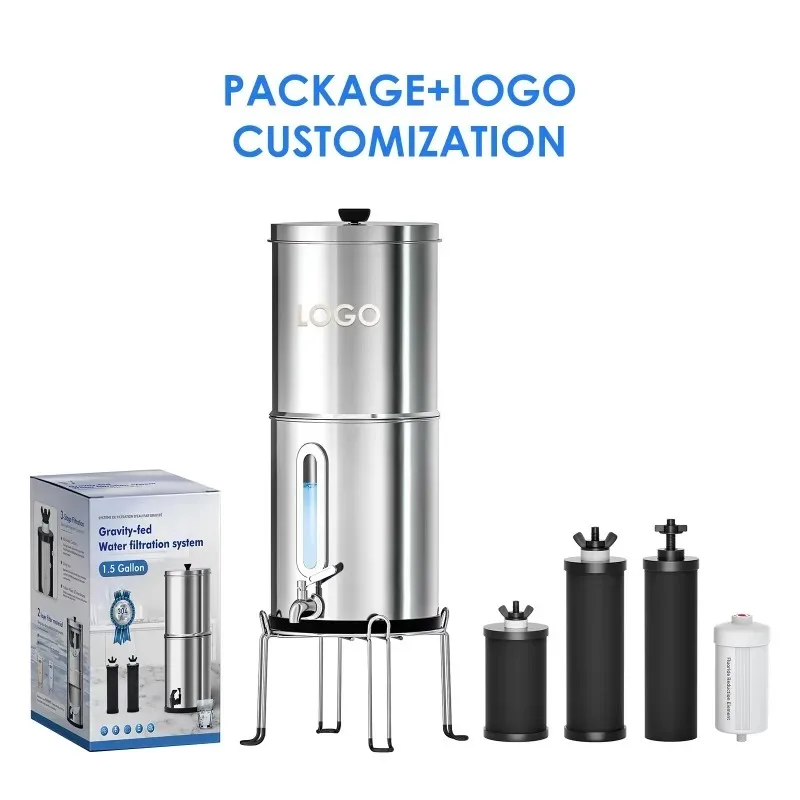
5. AliExpress Budget Gravity Filter
Looking for a large-capacity gravity system without the stainless steel price tag? This 2.9-gallon plastic model from AliExpress is a viable budget option. It’s functional and does the basic job of filtering sediment and improving taste. However, our testing shows you often get what you pay for. The plastic construction feels less durable, and we’d be cautious about the certification claims. It’s an option for the very budget-conscious, but we’d recommend saving for the Purewell if you can.
- Very large capacity
- Low upfront cost
- No installation required
- Plastic build quality concerns
- Uncertain filter certification
- Long shipping times possible
Frequently Asked Questions
- What is the best water filtration system for a home on well water?
- Start with a comprehensive water test. Well water often needs sediment filtration, iron removal, and possibly UV treatment for bacteria. A multi-stage whole-house system is usually best. A dedicated iron water filter is often a critical first stage.
- How often do I really need to change my filter cartridges?
- Follow the manufacturer’s schedule—usually every 6-12 months for carbon filters, 2-5 years for RO membranes. Ignoring this is the fastest way to ruin your system and potentially drink worse water than before.
- Is reverse ossmosis water healthy to drink?
- Yes. The “dead water” myth is overblown. You get most minerals from food. RO removes harmful contaminants, which is a net health benefit. If you’re concerned, choose a system with a remineralization stage.
- Can I install an under-sink filter myself?
- Many people can. If you’re comfortable drilling a hole for the faucet and connecting to your cold water line with a saddle valve or adapter, it’s a 1-2 hour job. If not, a plumber can do it quickly.
- Do whole-house filters reduce water pressure?
- All filters cause some pressure drop. A properly sized system for your home’s flow rate will have a negligible effect. An undersized filter, however, can cause a noticeable reduction, especially when multiple taps are running.
- What’s the difference between a water softener and a filter?
- A softener specifically removes hardness minerals (calcium, magnesium) via ion exchange to prevent scale. A filter removes a broader range of contaminants like chlorine, lead, and sediment. Some systems combine both functions.
- Are pitcher filters like Brita worth it?
- They’re a decent entry point for improving taste and reducing chlorine in already-safe municipal water. But their contaminant reduction is limited, and the cost per gallon is high compared to installed systems. Think of them as a starting point.
Final Thoughts
Choosing the best water filtration system for your home isn’t about finding the “best” one on the market. It’s about matching the right technology to your water source, your concerns, and your lifestyle. For pure, on-demand drinking water, an under-sink RO system like the iSpring RCC7AK is hard to beat. For simplicity and reliability, the Purewell gravity filter is a timeless workhorse.
Do your homework. Get a water test. And invest in a system you’ll actually maintain. Clean water is foundational to health—it’s worth getting right.
