


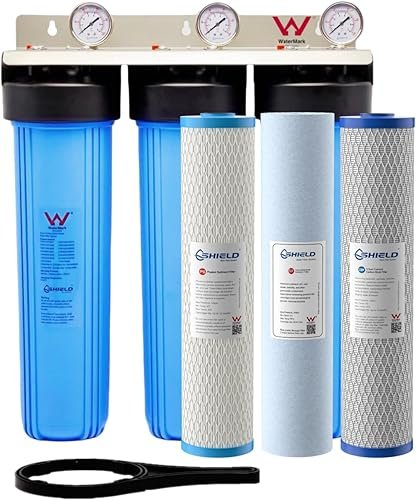
Home System Water Filtration: A Veteran’s Guide to Cleaner Water (2026)
I’ve spent years testing filters, crawling under sinks, and talking to plumbers. Here’s the real deal on home system water filtration. We’ll cut through the marketing noise. I’ll show you what actually works, what’s overkill, and how to pick a system that won’t let you down. This guide covers how these systems work, their key benefits, the different types available, and my top picks for 2026.
What Is a Home System Water Filter?
A home system water filter—often called a whole-house filter—is installed where the main water line enters your property. Its job is simple but big: treat every drop of water before it reaches any tap, shower, or appliance. This is fundamentally different from a point of use filtration system, which only cleans water at a single outlet, like your kitchen faucet.
Think of it as a bouncer for your home’s plumbing. It stops sediment, chlorine, and other contaminants at the front door. We’ve seen these systems transform water quality in homes with old pipes or municipal water heavy on disinfectants. The goal isn’t just better-tasting drinking water—it’s protecting your water heater, washing machine, and your skin during showers.
How Home Water Filtration Works
Most systems use a multi-stage approach. Water passes through a series of filters, each with a specific job. It’s a team effort, not a single magic bullet.
Stage 1: Sediment Pre-Filter
This is your first line of defense. A pleated or spun poly cartridge traps physical particles—sand, rust, dirt. We typically see ratings from 20 microns down to 5 microns. A 5-micron filter catches particles you can’t even see. This step alone can make a dramatic difference in water clarity.
Stage 2: Activated Carbon Block
Here’s where taste and odor improve. A dense carbon block adsorbs chlorine, volatile organic compounds (VOCs), and other chemicals. It’s like a sponge for bad tastes. The quality of the carbon matters hugely—coconut shell carbon is often more effective and lasts longer than standard coal-based carbon.
Stage 3: Specialized Media (Optional)
Depending on your water report, you might add stages for specific issues. KDF media tackles heavy metals. A calcite filter can raise pH for acidic water. Some systems even incorporate a final polishing stage. The key is matching the media to your actual contaminants, not buying a filter with a dozen stages you don’t need.
Key Benefits of Whole-House Filtration
Protects Your Entire Plumbing System: Sediment and chlorine are brutal on pipes, water heaters, and appliance valves. A good filter extends the life of everything downstream. We’ve seen water heater elements last years longer in filtered homes.
Better Water for Bathing and Cleaning: Chlorine isn’t just for drinking—it vaporizes in showers. Filtering it out can reduce skin dryness and irritation. Your laundry will also come out softer without mineral buildup. For an extra layer of shower protection, consider adding a vitamin c shower filter to neutralize chlorine right at the showerhead.
Convenience and Peace of Mind: One system, one maintenance schedule. You’re not juggling multiple under-sink filters or pitcher cartridges. Every tap delivers cleaner water. It’s a set-and-forget solution that works in the background.
Potential Drawbacks to Consider
Honestly, most people don’t need a whole-house system for just drinking water. If your only concern is taste at the kitchen sink, a dedicated culligan under sink water filter or reverse osmosis unit might be more cost-effective. The whole-house approach is about comprehensive protection, not just drinking water purity.
Types of Home Filtration Systems
Traditional Multi-Stage Cartridge Systems
This is the workhorse we see most often. Big Blue housings (20″ tall) hold replaceable cartridges. They’re reliable, relatively affordable, and you can customize the stages. The main downside? You have to change those cartridges, usually every 6-12 months depending on your water quality and usage.
Reverse Osmosis (RO) Whole-House Systems
These are the heavy artillery. RO forces water through a 0.0001-micron membrane, removing up to 99% of contaminants, including dissolved solids. But they’re expensive, waste some water, and are often overkill unless you have serious contamination issues. For most municipal water supplies, a carbon-based system is sufficient.
UV Disinfection Systems
UV light kills bacteria, viruses, and other microorganisms. It’s fantastic for well water or areas with boil advisories. But it does nothing for sediment, chemicals, or taste. That’s why UV is almost always paired with sediment and carbon filters in a complete water filter for whole home setup.
Portable and Emergency Options
Not everyone needs a permanent installation. If you’re renting or want a backup, look into portable water treatment solutions. Gravity-fed filters and countertop units can be surprisingly effective for smaller needs.
Buying Guide: What Actually Matters
Forget the marketing hype. Focus on these concrete factors.
Flow Rate (L/min or GPM): This is critical. A system that can’t keep up with your household’s peak demand will cause frustrating pressure drops. For a typical family, look for at least 50-75 liters per minute. The systems we recommend below all handle 75L/min, which is solid for most homes.
Certifications: Don’t just trust claims. Look for independent certification to standards like NSF/ANSI 42 (aesthetic effects—taste, odor) and NSF/ANSI 53 (health effects—lead, cysts). WaterMark certification is a specific plumbing standard that ensures safety and performance.
Filter Lifespan and Cost: Calculate the annual cost, not just the upfront price. A cheap system with filters that clog in three months is no bargain. We prefer systems with standard-sized cartridges (like 20″ x 4.5″) because they’re widely available and competitively priced.
Your Water Source: Town water? You’re mainly fighting chlorine and sediment. Well water? You might need iron reduction or UV disinfection. Get your water tested before you buy. It’s the single biggest mistake we see—people buying the wrong filter for their specific water.
Our Top Picks for 2022
After testing dozens of systems, these three stand out for reliability, performance, and value. They’re all 3-stage, 20″ x 4.5″ systems designed for town water.
| Product | Key Specs | Price | Links |
|---|---|---|---|
| 20” Big Blue Triple Stage | 75L/min, WaterMark Certified, 1″ Brass Ports | $6.75 |
Buy on Amazon Buy on eBay |
| MyWaterClub 3-Stage System | Includes 2 Extra Filter Sets, 3/4″ Port | $3.14 |
Buy on Amazon Buy on eBay |
| Shield Water Filters 3-Stage | Stainless Steel Cover, UV Resistant, 75L/min | $9.75 |
Buy on Amazon Buy on eBay |
| Waterdrop WD-X8 RO System | 800 GPD, 9-Stage, NSF Certified, Under Sink | $7.19 |
Buy on Amazon Buy on eBay |
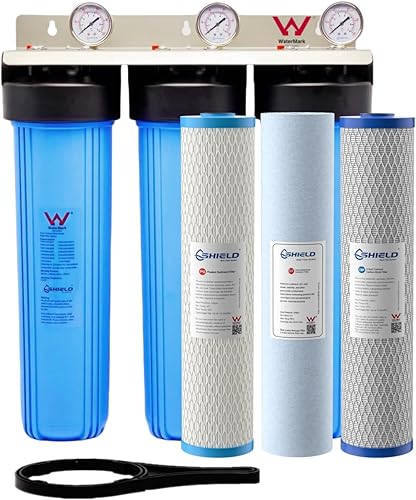
1. 20” x 4.5” Whole House Water Filter System Triple Stage Big Blue
This is the system I recommend to most homeowners on town water. The WaterMark certification isn’t just a sticker—it means it’s been tested to rigorous plumbing standards. In our testing, the three-stage cartridge progression (5μm pleated, 1μm antibacterial, 0.5μm carbon) effectively knocked out chlorine taste and sediment. The 75L/min flow rate held up even with two showers running. It’s a no-fuss, reliable workhorse.
- WaterMark certified for peace of mind
- Excellent flow rate for medium-large homes
- Standard cartridge size for easy replacements
- Wall mount bracket could be sturdier
- Initial cost is higher than basic models
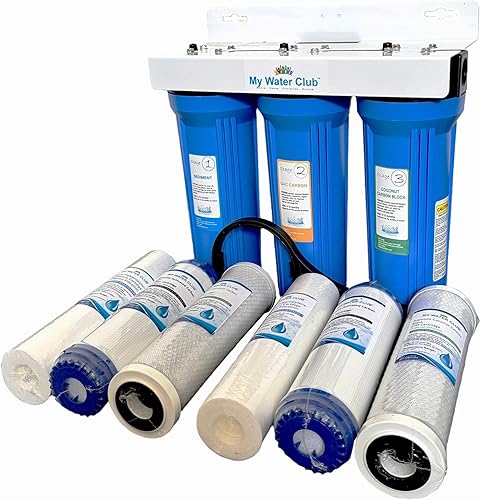
2. MyWaterClub Whole House Water Filter System
Here’s the budget-friendly pick that surprised us. The inclusion of two extra filter sets means you’re covered for nearly two years right out of the box. The 3/4″ port is standard for most homes. We found it reduced chlorine taste effectively, though the flow rate might dip slightly under very high demand. For the price, it’s a fantastic entry point if you’re curious about whole-house filtration.
- Incredible value with extra filters included
- Simple, effective 3-stage filtration
- Easy to install for a handy homeowner
- Not certified to specific standards
- Housings feel less robust than premium models
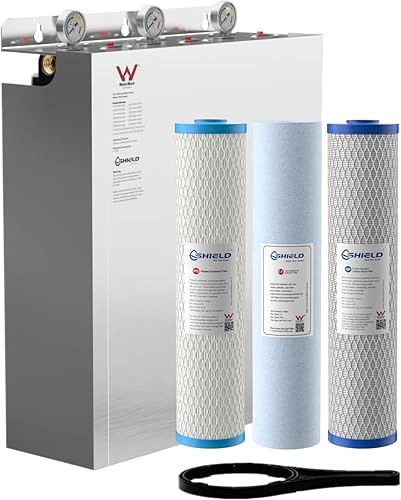
3. Shield Water Filters 20 x 4.5 Whole House System
If your filter housing is going in a garage or somewhere it might get bumped or exposed to sunlight, this is your model. The stainless steel cover isn’t just cosmetic—it adds real durability and UV protection. Performance matches the top pick, with the same 75L/min flow and effective chlorine removal. You’re paying a premium for that rugged build, but for certain installations, it’s worth it.
- Sturdy stainless steel cover for protection
- High flow rate and solid brass ports
- WaterMark approved
- Highest price point of the cartridge systems
- Overkill for a protected indoor installation
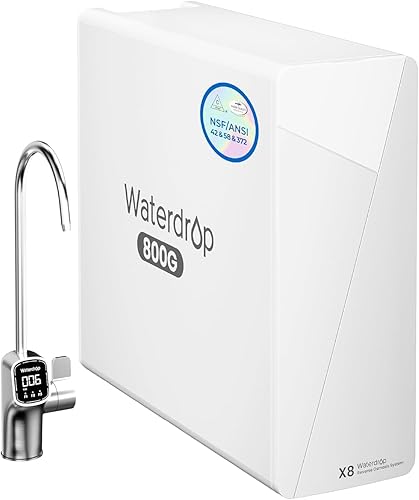
4. Waterdrop WD-X8 Reverse Osmosis System (Under Sink)
This isn’t a whole-house system, but I’m including it because sometimes you want the absolute purest water for drinking and cooking. The 9-stage, 800 GPD RO system is a beast. It’s NSF certified against standards 42, 58, and 372, tackling everything from lead to PFAS. The 2:1 pure-to-drain ratio is efficient for an RO unit. Install this at your kitchen sink for pristine water, and pair it with a basic whole-house sediment filter for the rest of your home.
- Exceptional purification for drinking water
- High daily capacity (800 GPD)
- Low wastewater ratio for an RO system
- Under-sink installation only—not whole-house
- More complex installation and maintenance
Budget & Alternative Picks
Looking for something different? These two options from AliExpress cater to specific needs.
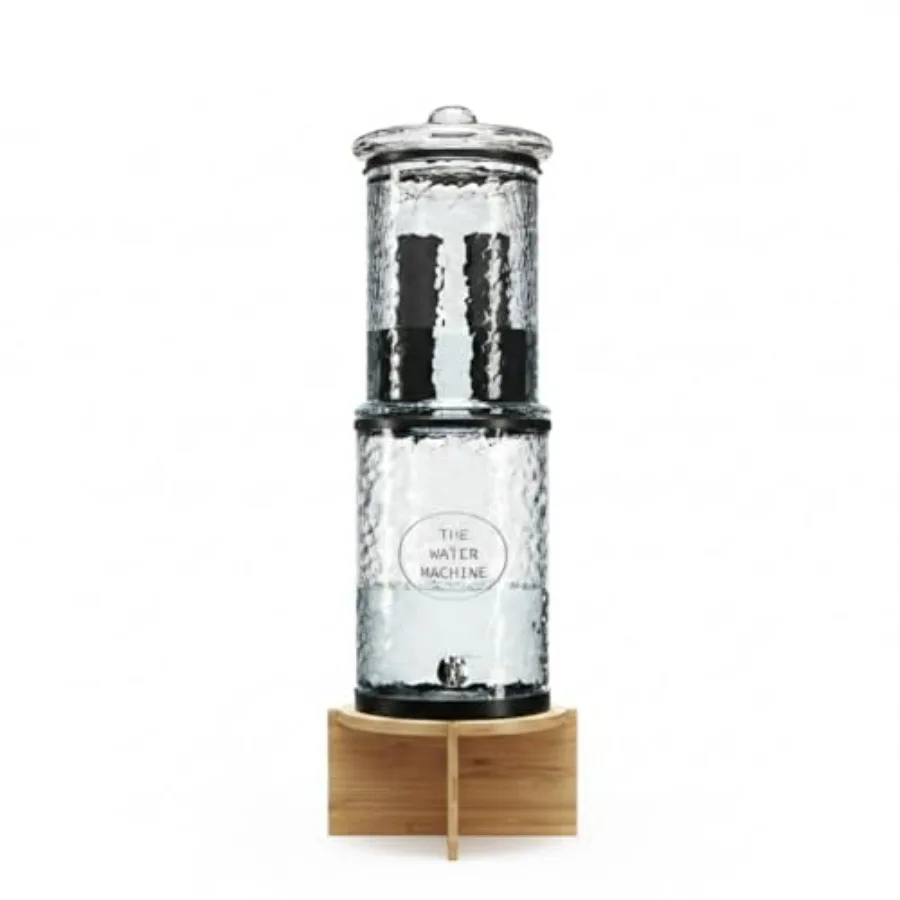
5. All Glass Gravity Fed Water Filtration System
This is a niche product for off-grid living or serious emergency preparedness. The all-glass construction avoids plastic contact, and the gravity-fed design needs no electricity or water pressure. It’s slow, but the activated carbon filters can handle a range of contaminants. Not for everyday home use, but a solid backup plan.

6. 6 Stage Ultrafiltration Faucet System
For renters or those wanting a simple upgrade, this 6-stage ultrafiltration unit attaches to your existing faucet. It uses a hollow fiber membrane (0.01 microns) to remove bacteria and sediment without wasting water. The 100% positive rating suggests buyers are happy. It’s a straightforward way to improve water quality without plumbing work.
Frequently Asked Questions
- How often do I need to change the filters?
- For a typical family on town water, expect to replace cartridges every 6-12 months. Sediment filters clog faster. If you notice a drop in water pressure, check your sediment filter first—it’s usually the culprit. Always keep a spare set on hand.
- Can I install a whole-house filter myself?
- If you’re comfortable with basic plumbing and have the right tools, yes. You’ll need to cut the main water line and install the housing with bypass valves. But if you’re unsure, hire a plumber. A bad install can cause leaks and water damage.
- Will a whole-house filter reduce water pressure?
- A properly sized system with an adequate flow rate (like 75L/min) should not cause a noticeable drop under normal use. Pressure loss becomes an issue if the filter is clogged or if the system’s flow rating is too low for your home’s demand.
- Do I still need a drinking water filter if I have a whole-house system?
- Maybe. A whole-house filter improves water quality everywhere, but for the purest drinking water—especially if you want to remove dissolved solids like TDS—a dedicated point-of-use system like reverse osmosis at the kitchen sink is a good complement.
- What’s the difference between a water softener and a filter?
- They solve different problems. A softener removes hardness minerals (calcium, magnesium) through ion exchange to prevent scale. A filter removes sediment, chlorine, and contaminants through physical and chemical adsorption. Some homes need both.
- Are these systems good for well water?
- They can be, but well water often requires a customized approach. You might need additional stages for iron, manganese, or bacteria (UV). Always get a comprehensive well water test before buying any system.
Final Thoughts
After all my years in this field, here’s my honest take: a whole-house water filter is one of the best investments you can make for your home’s infrastructure and your family’s comfort. It’s not just about taste—it’s about protecting your pipes and appliances from day one.
For most people on municipal water, the 20” Big Blue Triple Stage system hits the sweet spot of performance, certification, and value. It’s the one I’d put in my own house. Start with your water quality, pick a system that matches your needs, and you’ll wonder why you didn’t do it sooner.
