


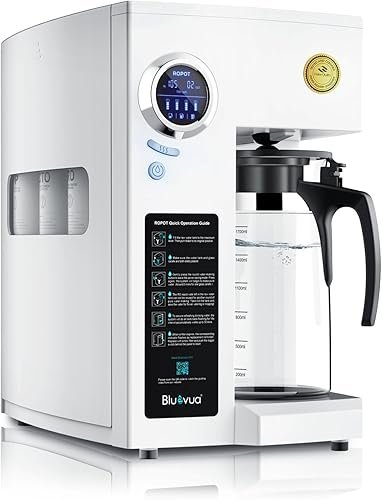
Best RO System for Home: Our Top 5 Picks After Testing (2026)
You want cleaner water. You’ve heard reverse osmosis is the gold standard. But standing in the aisle or scrolling online, the choices are overwhelming. After testing dozens of systems, visiting treatment plants, and talking to countless plumbers, we cut through the noise. This guide covers what actually matters: filtration stages, real-world flow rates, and which systems hold up over time.
What Is a Home RO System?
A home reverse osmosis system is a point-of-use water filter that forces your tap water through a super-fine semipermeable membrane. Think of it as a microscopic bouncer. It blocks contaminants like lead, chlorine, fluoride, and dissolved salts while letting pure water molecules pass through. The result is water that tastes better and is significantly cleaner than what comes out of your tap.
Unlike a simple pitcher filter, an RO system tackles a much wider range of impurities. It’s a multi-stage process, usually involving sediment and carbon filters before and after the main membrane. For homeowners on municipal water or dealing with specific issues like high TDS, it’s one of the most effective solutions available. If you’re on a well, you’ll want to look at water purification systems for well water first, as pre-filtration needs can be different.
How Reverse Osmosis Works
The Pre-Filtration Stage
Before water even touches the RO membrane, it passes through one or two pre-filters. A sediment filter catches dirt, rust, and sand. Then, a carbon filter (often a block) removes chlorine, which would otherwise destroy the delicate membrane. This step is non-negotiable for system longevity.
The RO Membrane Stage
This is the heart of the system. Water is pushed under pressure through a membrane with pores so tiny—0.0001 microns—that only water molecules get through. Contaminants are flushed away as wastewater. The efficiency here is measured by the drain ratio. A 2:1 ratio means you get two cups of pure water for every one cup of waste. That’s a huge improvement over older 4:1 systems.
The Post-Filtration & Storage
After the membrane, water often goes through a final carbon filter to polish any remaining taste or odor. Many systems include a storage tank because the filtration process is slow. Tankless models are now popular for their space-saving design and on-demand pure water.
Key Benefits of a Home RO System
Unmatched Contaminant Removal. This is the big one. A quality RO system reduces or removes lead, arsenic, nromium, fluoride, nitrates, and PFAS “forever chemicals.” If you’re concerned about fluoride in your municipal supply, RO is one of the most reliable methods to reduce it.
Better Taste and Odor. Chlorine, sulfur, and metallic tastes are effectively stripped away. You’ll notice the difference in your drinking water, coffee, and ice cubes immediately.
Saves Money Long-Term. The upfront cost stings, but it eliminates the constant purchase of bottled water. In our testing, a family of four can recoup the cost in under a year.
Protects Appliances. By reducing scale-forming minerals, RO water can help extend the life of your kettle, coffee maker, and steam iron. It’s a different process than a softener, which you can read about in our guide to the price of water softener systems.
Potential Drawbacks to Consider
Wastewater Production. Every system creates some reject water to flush contaminants away. Modern systems are much more efficient, but it’s still a consideration for the eco-conscious.
Removes Beneficial Minerals. The membrane doesn’t distinguish between bad and good minerals. Calcium and magnesium are also removed. That’s why many systems now include a remineralization stage to add them back for taste.
Slow Flow Rate. The filtration process takes time. You’ll rely on a storage tank or a high-GPD (gallons per day) tankless model to avoid waiting at the faucet.
Installation & Maintenance. Under-sink models require filter changes and occasional membrane replacement. If you’re not handy, you might need a plumber. Some people wonder, “is softened water safe to drink?” before combining a softener with an RO system—it generally is, but the RO provides an extra layer of protection.
Types of Home RO Systems
Countertop RO Systems
These are plug-and-play units that sit on your counter. No installation, no drilling. They’re perfect for renters, small kitchens, or anyone who wants to try RO without commitment. The trade-off is usually a smaller tank and lower daily output.
Traditional Under-Sink RO Systems
The classic choice. Installed under your sink with a dedicated faucet, they offer high capacity and are out of sight. They require space and some basic plumbing to set up. This is where you’ll find most of the high-performance models.
Tankless Under-Sink RO Systems
The modern evolution. They filter water on demand, so there’s no storage tank taking up space. They provide a fresher, unlimited supply but often have a higher upfront cost and require a power outlet under the sink.
Buying Guide: What Actually Matters
Certifications: Look for NSF/ANSI Standards 42 (aesthetic effects), 53 (health effects), and 58 (RO systems). This is your proof of performance. Don’t trust claims without them.
GPD Rating: Gallons Per Day tells you how much pure water the system can produce. For a family of 4, 75-100 GPD is sufficient for drinking and cooking. If you have high demand, look at 400+ GPD tankless models.
Drain Ratio: The lower, the better. A 2:1 or 3:1 pure-to-waste ratio is now the standard for efficiency. Avoid systems with ratios of 4:1 or higher.
Filter Life & Cost: Calculate the annual cost of replacement filters. Some budget systems have cheap upfront prices but expensive proprietary filters. Always check the 3-year cost of ownership.
Remineralization: If you dislike the flat taste of pure RO water, get a system with an alkaline or remineralization filter as the final stage. It adds back calcium and magnesium for better taste.
For homes with specific hardware needs, like a dedicated softener, it’s worth researching a quality unit like the water boss water softener to pair with your RO system for whole-house treatment.
Our Top Picks for 2026
| Product | Type | Key Specs | Best For |
|---|---|---|---|
 Bluevua RO100ROPOT |
Countertop | 5-Stage, No Install, WQA Certified | Renters, no-plumbing simplicity |
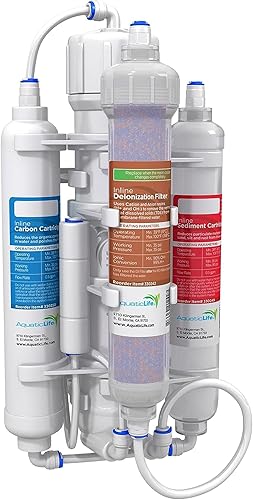 AQUATICLIFE RO Buddie |
Under-Sink | 4-Stage, 50 GPD, RO/DI | Aquarium hobbyists, small households |
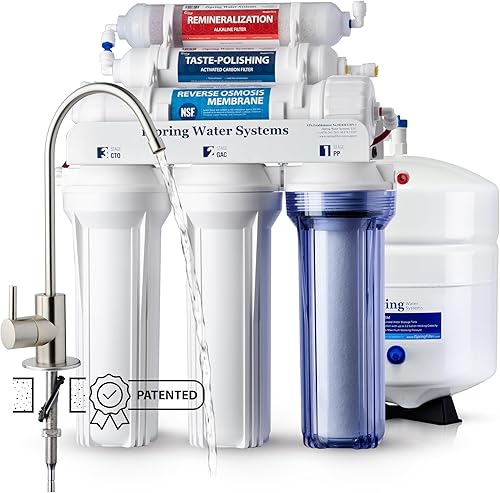 iSpring RCC7AK |
Under-Sink | 6-Stage, 75 GPD, Alkaline Filter | Families, reliable classic install |
 Waterdrop WD-X8 |
Tankless Under-Sink | 9-Stage, 800 GPD, NSF Certified | High demand, space-saving, tech-forward |
1. Bluevua RO100ROPOT Countertop RO System
This is the system we recommend to friends who ask, “What should I get?” Honestly, most people don’t need a complicated under-sink install. The Bluevua ROPOT delivers genuine 5-stage RO filtration right on your counter. Plug it in, fill the tank, and you have pure water. The WQA certification gives us confidence in its claims, and the auto-shutoff and power-saving modes are thoughtful touches.
- True no-installation portability
- WQA certified against NSF/ANSI standards
- Efficient water use, not true “waste”
- Includes remineralization
- Limited daily output for large families
- Takes counter space
2. AQUATICLIFE Aquatic Life RO Buddie Plus DI
This is a niche pick, but a stellar one. The RO Buddie is a favorite in the aquarium community for producing near-zero TDS water, which is critical for sensitive reef tanks. The 4-stage system with a deionization (DI) final stage is overkill for most homeowners but perfect for hobbyists. At 50 GPD, it’s slow for drinking but spot-on for filling a fish tank. We’ve seen these run reliably for years.
- Exceptional purity with DI stage
- Compact, simple design
- Very affordable entry point
- Low flow rate (50 GPD)
- Not designed for high-volume drinking water
3. iSpring RCC7AK 6-Stage Under-Sink RO System
The iSpring RCC7 is a legend. It’s the Toyota Camry of RO systems—reliable, well-documented, and easy to maintain. The AK version adds an alkaline remineralization filter, which solves the “flat water” complaint. In our testing, installation is straightforward for anyone with basic DIY skills. The 75 GPD capacity is plenty for a family of four’s drinking and cooking needs. It’s a workhorse.
- Proven, reliable performance
- Excellent customer support and parts availability
- Alkaline filter improves taste
- Good balance of cost and performance
- Requires under-sink space and installation
- Uses a storage tank
4. Waterdrop WD-X8 9-Stage Tankless RO System
This is the future. The Waterdrop X8 is a tankless beast with an 800 GPD flow rate—you’ll never wait for a glass of water. The 2:1 drain ratio is impressively efficient. The 9-stage filtration, including scale inhibition, is thorough. It’s NSF/ANSI certified, which we always look for. The main hurdle is the higher price and the need for an electrical outlet under your sink.
- Incredibly fast, on-demand pure water
- Saves space with no tank
- Excellent 2:1 pure-to-waste ratio
- NSF/ANSI 42, 58 & 372 certified
- Higher upfront investment
- Requires power under sink
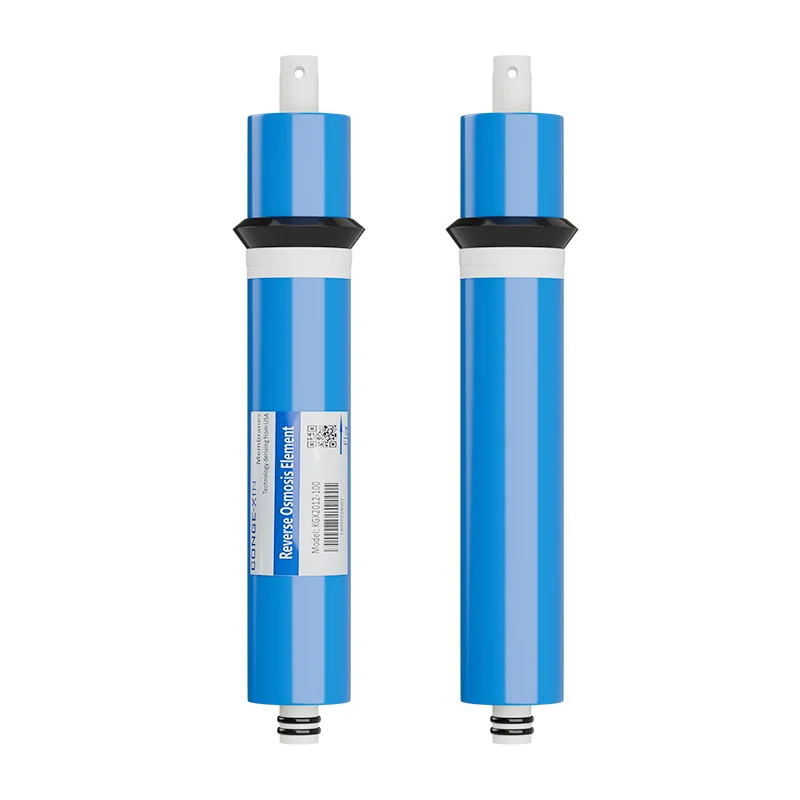
Budget Pick: Generic RO Membrane Replacement (100-400 GPD)
Already have a system and just need a new membrane? This generic option from AliExpress is a gamble we sometimes take. The price is unbeatable, and for a standard 100-400 GPD housing, it can work. But—and this is a big but—quality control is inconsistent. We’d only use this as a temporary fix or for a non-critical application like pre-washing vegetables, not as your primary drinking water source.
- Extremely low cost
- Wide compatibility claim
- Unverified performance and longevity
- No certification guarantees
Frequently Asked Questions
- What is the best RO system for a home with well water?
- For well water, you need extensive pre-testing and often pre-filtration for sediment, iron, or bacteria before an RO system. A standard under-sink RO like the iSpring can work, but it must be part of a larger treatment plan. We strongly recommend reading our guide on water purification systems for well water first.
- How often do I need to change the filters?
- It varies. Sediment and carbon pre-filters typically need replacement every 6-12 months. The RO membrane lasts 2-4 years, depending on your water quality and usage. Post-filters are usually annual. Always follow the manufacturer’s schedule.
- Does an RO system waste a lot of water?
- Modern systems are much better. A 2:1 ratio means for every gallon of pure water, one gallon is used to flush contaminants. This “waste” water can be collected for watering plants or cleaning. It’s a trade-off for purity.
- Can I install an under-sink RO system myself?
- Yes, if you’re comfortable with basic tools. Most kits come with clear instructions and all parts. You’ll need to drill a hole for the dedicated faucet if one doesn’t exist. If you’re unsure, hiring a plumber for a one-hour install is a smart move.
- Is RO water safe to drink long-term?
- Absolutely. The idea that demineralized water is harmful is a myth debunked by health organizations. We get most minerals from food. If taste is a concern, choose a system with a remineralization stage.
- What’s the difference between a water softener and an RO system?
- They solve different problems. A softener removes hardness minerals (calcium, magnesium) via ion exchange to protect pipes and appliances. An RO system removes a vast array of contaminants for drinking water purity. You can learn more about the distinction and the price of water softener setups in our detailed article.
- Do I need a whole-house RO system?
- Almost never for a typical home. Whole-house RO is extremely expensive, wastes massive amounts of water, and is overkill for toilet flushing or showering. A point-of-use system at your kitchen sink is the practical, cost-effective solution for pure drinking water.
Final Thoughts
Choosing the best RO system for your home isn’t about finding the most expensive or feature-packed model. It’s about matching the system to your reality. For pure simplicity and proven performance, the Bluevua countertop unit is hard to beat. For a permanent, family-sized solution, the iSpring RCC7AK remains a top recommendation after all these years.
Don’t overcomplicate it. Check your water report, measure your space, and pick from a reputable brand with real certifications. Your water—and your taste buds—will thank you. And if you’re in an area with known municipal issues, like some reports from Hoboken water quality discussions, an RO system provides essential peace of mind.
