


The Best Handheld Water Filters for 2026: Pure Water in Your Palm
Forget bulky jugs and complicated setups. The best handheld water filters give you safe drinking water from a stream, hotel tap, or questionable well with nothing more than a sip. After testing dozens in the field, I’ll show you what actually works, what’s marketing hype, and which one belongs in your pack.
- What handheld filters are and how they differ from bottles
- The science behind hollow fiber vs. carbon cores
- Honest pros, cons, and our top product picks
- Key specs to compare before you buy
What Is a Handheld Water Filter?
It’s a personal, portable water treatment device small enough to hold in one hand. You use it by sucking water through it—like a straw—or by squeezing a pouch or bottle through it. The core job is to remove biological threats from freshwater sources, making backcountry streams or uncertain taps drinkable.
Don’t confuse these with filter bottles. A handheld filter is the engine itself. You can drink directly from a source, pair it with a hydration bladder, or use it to fill a clean container. Their magic is in the pore size. Most quality units use hollow fiber membranes, which physically block contaminants. If you’re looking at other filtration methods for your home, you might explore how a carbon water filter works on a larger scale.
For travelers, hikers, and preppers, this is non-negotiable gear. It’s your insurance against giardia, E. coli, and cryptosporidium. But it’s not a magic bullet. They have limits, which we’ll cover honestly.
How Handheld Water Filters Work
Most handheld filters rely on physical filtration, not chemicals. Imagine a microscopic screen door. Water molecules are small enough to pass through, but bacteria and parasites get stuck.
The Hollow Fiber Membrane
This is the heart of filters like LifeStraw and Sawyer. It’s a bundle of tiny tubes with pores as small as 0.1 microns. That’s 700 times smaller than a human hair. Water is forced through these pores (by sucking or squeezing), leaving contaminants behind. The absolute micron rating is the key number—it means every pore is that size or smaller, guaranteeing performance.
Activated Carbon Elements
Some handheld filters add an activated carbon filter stage. This doesn’t catch more bacteria. Instead, it uses adsorption to improve taste and odor by reducing chlorine and some organic chemicals. It’s a nice bonus for city water but won’t save you from a swamp.
Flow and Clogging
You create the flow—either by sucking or squeezing. The flow rate slows as the filter clogs with sediment. That’s a feature, not a bug; it means it’s working. Eventually, you’ll need to backflush it to clean the membrane and restore flow. This is the single biggest maintenance task.
Key Benefits
Life-Saving Portability: This is the whole point. We’re talking ounces of weight that can prevent days of sickness. You can clip one to your pack and forget it’s there until you need it.
Immediate Access: No waiting for chemicals to work. Find water, filter, drink. In a survival or urgent travel situation, that speed matters.
Cost-Per-Liter Value: A $40 Sawyer Mini is rated for 100,000 gallons. Do the math. That’s fractions of a cent per liter compared to buying bottled water, whether you’re on a thru-hike or a month-long trip.
Emergency Readiness: They’re a cornerstone of any sensible emergency kit. If municipal water fails, you can safely use water from a rain barrel, stream, or even (in a dire pinch) a toilet tank.
Potential Drawbacks
Flow Rate Can Be Slow: Sucking through a 0.1-micron filter takes effort. It’s not like drinking from a garden hose. After a long hike, it can feel like work.
They Can Clog and Freeze: Sediment will slow them down. And if they get wet and freeze, the expanding ice can crack the delicate hollow fibers, ruining the filter permanently.
Limited to Liquid Water: You can’t filter snow or ice directly. You must melt it first, which requires a heat source and time.
Types of Handheld Filters
Straw-Style Filters
The original and simplest. You stick one end in the water and drink. LifeStraw is the classic example. They’re ultra-light and foolproof, but you must be at the water source. You can’t use them to fill a pot for cooking.
Squeeze Filters
More versatile. You fill a dirty water pouch, screw on the filter, and squeeze clean water into a clean container or your mouth. The Sawyer Squeeze (and its smaller Mini version) dominates this category. You can use them to store filtered water for later.
Pump & Bottle Filters
A handheld pump mechanism moves water through the filter. They’re often a bit bulkier but can handle murkier water and fill larger containers faster. Filtered water bottles combine the filter and container in one, which is convenient but means you’re carrying the weight of the bottle always.
For home countertop systems, the technology shifts. You might use a ceramic water filtration element or a replaceable countertop filter cartridge. It’s a different ballgame.
Buying Guide: What Actually Matters
Ignore the marketing fluff. Focus on these four specs.
1. Micron Rating (Absolute): This is non-negotiable. Look for “absolute” not “nominal.” 0.2 microns or smaller is excellent for bacteria and protozoa. 0.1 microns (like Sawyer) is the gold standard for handhelds.
2. Filter Lifespan & Cleanability: How many gallons/liters before it’s dead? Can you backflush it to restore flow? A filter you can clean lasts years longer. Sawyer’s 100,000-gallon claim, backed by testing, is hard to beat.
3. Weight & Form Factor: An ounce here, an ounce there—it adds up. For ultralight backpacking, every gram counts. Also, consider how it packs. Does it fit in a pocket?
4. Versatility: Can it be used as a straw, inline with a bladder, and as a squeeze system? The more ways you can use it, the more value it has. Think about your primary use case.
Our Top Handheld Filter Picks for 2026
| Product | Type | Key Spec | Best For | Price |
|---|---|---|---|---|
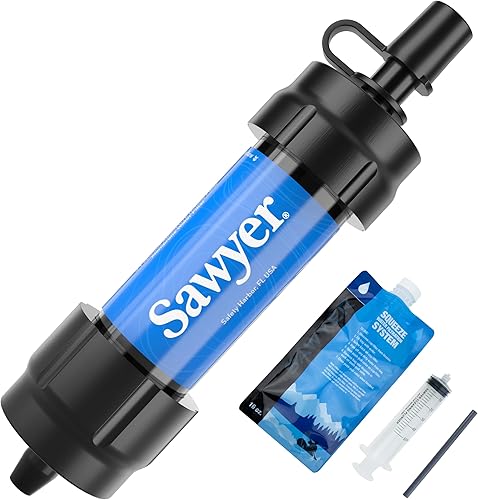 Sawyer SP128 Mini |
Squeeze/Inline | 0.1 Micron Absolute | Overall Versatility | $45 |
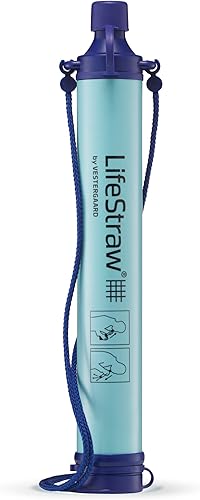 LifeStraw LSPHF017 |
Straw | 0.2 Micron | Simplicity & Backup | $39 |
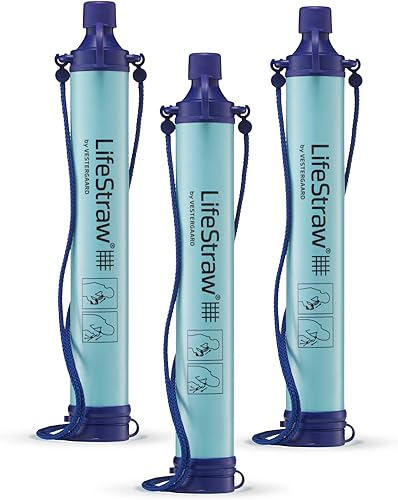 LifeStraw 3-Pack |
Straw | 0.2 Micron | Families/Groups | $65 |
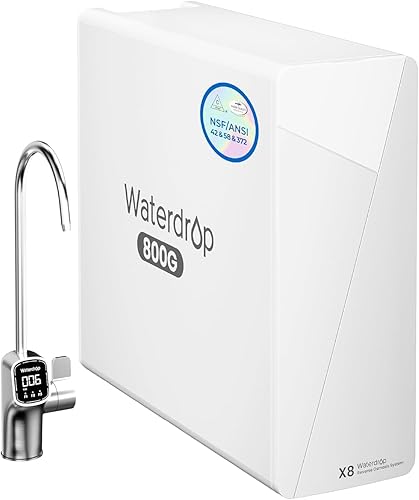 Waterdrop WD-X8 |
Under-Sink RO | 0.0001 Micron (RO) | Home Use (Not Handheld) | $7.19 |
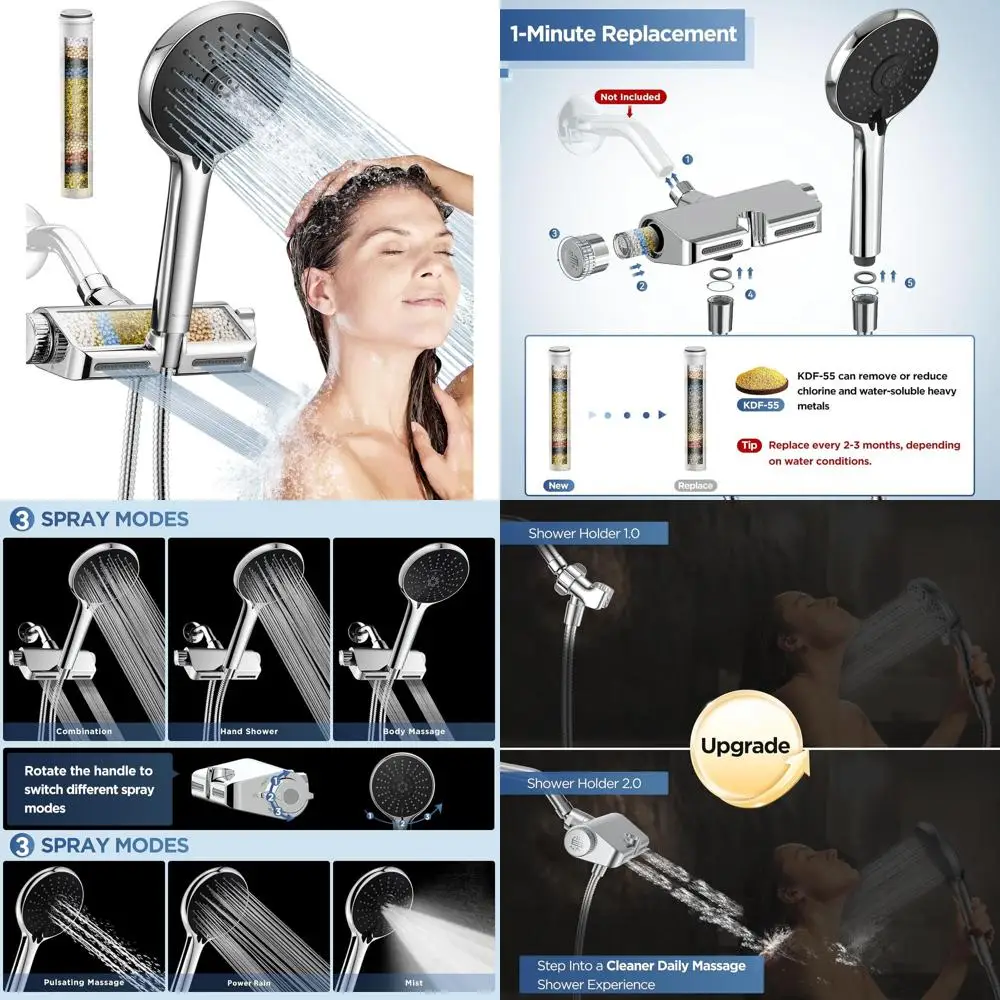 AliExpress Shower Filter |
Shower Head | Chlorine Reduction | Budget Shower Filtration | $72.45 |
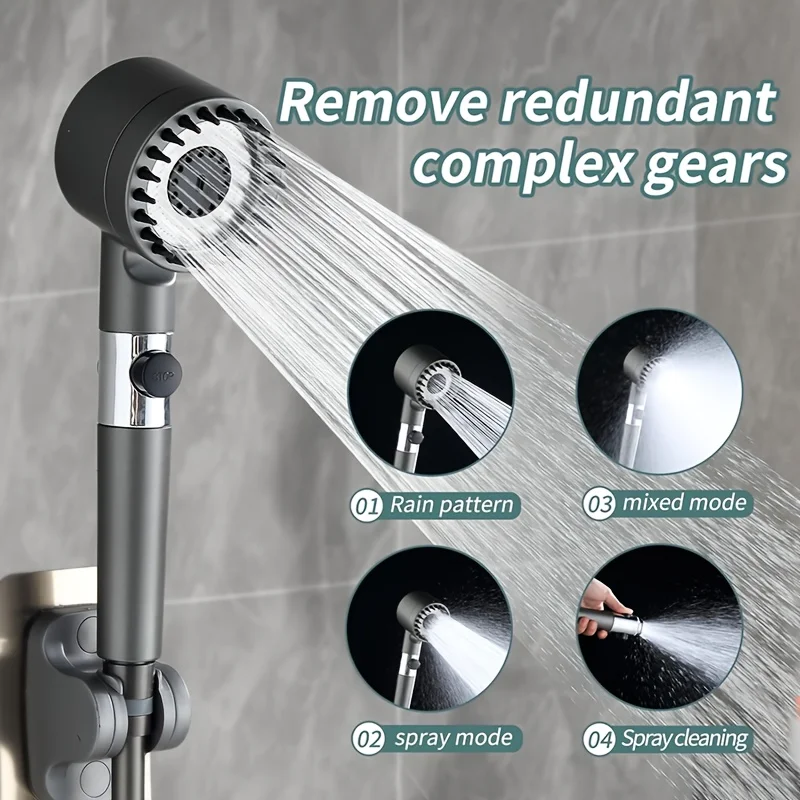 AliExpress Shower Head |
Shower Head | Basic Filtration | Ultra-Budget Shower | $14.43 |
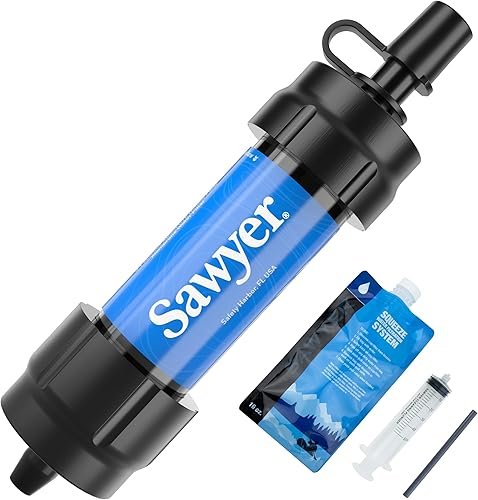
Sawyer Products SP128 Mini Water Filtration System
This is the one I personally carry and have for years. The 0.1-micron absolute rating is as good as it gets for a handheld. It’s tested three times at the factory. The versatility is unmatched: use it as a straw, squeeze it into a pot, or hook it inline with your hydration pack. The flow rate is decent when clean, and backflushing with the included syringe brings it back to life. Honestly, the only reason to choose something else is if you hate squeezing.
- Gold-standard 0.1-micron absolute filtration
- Incredibly lightweight (2 oz) and compact
- 100,000-gallon lifetime with cleaning
- Three modes of use: straw, squeeze, inline
- Flow rate slows with heavy sediment
- Squeeze bags can fail over time (use a smartwater bottle instead)
- Requires backflushing maintenance
LifeStraw Personal Water Filter (1 Pack)
The LifeStraw is iconic for a reason. It’s dead simple: stick it in water and drink. The 99.999999% bacteria removal is lab-verified. It’s perfect for its intended use—directly drinking from a source. But that’s also its limitation. You can’t use it to fill a bottle or cook. It’s a fantastic, lightweight backup filter or a primary for short day hikes where you’ll always be near water. The price is right.
- Extremely simple to use—no setup
- Very lightweight and packable
- Proven, reliable filtration
- Great price point for a backup
- Straw-only design limits utility
- Cannot store filtered water
- Harder to use for cooking or sharing
LifeStraw Personal Water Filter (3 Pack)
Buying the three-pack is a no-brainer for families, scout troops, or building multiple emergency kits. You get the same proven filtration in each unit. Stash one in the car, one in the go-bag, one in the camping bin. Per-unit cost drops significantly. The same pros and cons apply as the single pack—it’s a straw, so use it as such. For group trips where you need to fill shared containers, a squeeze filter is still a better primary tool.
- Excellent value per unit
- Ideal for outfitting a family or group
- Perfect for distributing across multiple kits
- Still limited to straw-mode only
- Not for cooking or water storage
Waterdrop WD-X8 Reverse Osmosis System
Let’s be clear: this is not a handheld filter. It’s a full under-sink reverse osmosis system. We’re including it because it came up in our research, and it’s a powerful example of home filtration. It reduces PFAS, lead, and TDS with its 9-stage, 0.0001-micron RO membrane. The 800 GPD flow rate is impressive for home use. If you need serious, certified water purification for your entire household, this is the category to look at. It’s a different product for a completely different job.
- NSF/ANSI 42&58&372 certified
- High 800 GPD flow rate
- Excellent 2:1 pure-to-drain ratio
- Not portable at all—permanent install
- Requires under-sink space and plumbing
- Overkill for basic biological threats
AliExpress Dual-Function Shower Filter System
This is a budget shower head filter from AliExpress. It claims to soften water and remove chlorine for better skin and hair. At $72.45, it’s not exactly cheap for an unbranded unit, but it’s a fraction of name-brand shower filters. The real question is filter media quality and longevity—specs are vague. If you’re on a tight budget and want to experiment with shower filtration, it’s an option. Just manage expectations. For drinking water, stick to certified handheld filters.
- Claims multi-stage filtration for shower
- Potential chlorine reduction for skin/hair
- Unverified claims and longevity
- Not for drinking water purification
- Shipping times can be long
AliExpress 4-Speed High-Pressure Shower Head
At $14.43, this is about as cheap as shower heads get. It includes a basic filter, likely just a simple sediment or carbon pad. Don’t expect it to remove much beyond some rust particles or chlorine taste. It’s a water-saving nozzle with a filter as a bonus feature. For the price, it’s worth trying if your main goal is a new shower head, but don’t rely on it for serious filtration. It’s a shower accessory, not a water treatment device.
- Extremely low cost
- Multiple spray settings
- Basic filtration better than nothing
- Filter media is minimal and short-lived
- No certifications
- Primarily a shower head, not a filter
Frequently Asked Questions
- Can a handheld water filter remove viruses?
- No, standard handheld filters cannot. Viruses are much smaller (0.02-0.004 microns) than bacteria. You need a filter with a 0.02-micron rating or smaller, often labeled as a “purifier,” or use chemical treatment like chlorine dioxide tablets as a follow-up.
- How do I clean and maintain my handheld filter?
- For squeeze filters, backflushing is key. Use the provided syringe to push clean water backwards through the filter after each trip. Never use soap. For straw filters, blow air back through to clear water. Always let it air dry completely before long-term storage to prevent mold.
- How long does a handheld water filter last?
- It depends on the model and water quality. A Sawyer Mini is rated for 100,000 gallons with proper maintenance. A LifeStraw lasts for 1,000 gallons. In reality, you’ll likely lose it or upgrade before hitting those numbers. The filter media doesn’t “expire,” but it will clog permanently over time.
- Can I use a handheld filter for saltwater?
- Absolutely not. Handheld filters do not remove dissolved salts. You would need a reverse osmosis system for that. Drinking filtered saltwater will dehydrate you faster and can be dangerous.
- What’s the difference between a filter and a purifier?
- A filter removes bacteria and protozoa (like giardia). A purifier also removes viruses. Purifiers often use a combination of a finer membrane (0.02 microns) and/or a chemical element like iodine. For international travel to areas with poor sanitation, a purifier is recommended.
- Can I use a handheld filter to fill a hydration bladder?
- Yes, if you have a squeeze filter. You squeeze clean water from the dirty source directly into the bladder’s opening. Some filters, like the Sawyer Mini, can also be installed inline with the bladder hose for on-the-go filtration.
Final Thoughts
After years of testing, the Sawyer Mini remains our top recommendation for most people. Its 0.1-micron absolute filtration, versatility, and insane lifespan make it the best value in portable water treatment. It’s the one I trust in the backcountry. The LifeStraw is a superb, simple backup to have in your car or desk drawer.
Remember what these tools are for: making biologically suspect water safe to drink. They are not for chemically contaminated sources or saltwater. Match the tool to the task, maintain it properly, and it’ll serve you for years. Stay hydrated out there.
