


Your fridge makes ice. Great. But have you ever thought about what’s actually in that water before it freezes? That funky taste or cloudy ice cube isn’t just an annoyance—it’s a sign your ice maker is drinking unfiltered tap water. We’ve spent years testing water treatment solutions, and the fridge ice maker filter is one of the most overlooked yet simple fixes for better-tasting ice and a longer-lasting appliance.
- What a fridge ice maker water filter actually is and where it goes.
- How the filtration process works inside that tiny cartridge.
- The real benefits (and a few honest drawbacks) we’ve found.
- A clear buying guide and our hands-on top picks for 2026.
What Is a Fridge Ice Maker Water Filter?
Think of it as a dedicated chlorine filter for your ice. It’s a small, cylindrical cartridge that installs inline on the water supply hose feeding your refrigerator’s ice maker. Its sole job is to remove impurities from the water before it enters the ice tray.
Unlike the main water filter inside your fridge (which also supplies the door dispenser), this one is often a simpler, more affordable unit focused solely on the ice production line. In our experience, many homeowners don’t even know their fridge has a separate filter spot for the ice maker, usually located at the back of the appliance or in the basement/utility line leading to it.
How a Fridge Ice Maker Filter Works
The Filtration Media
Most use granular activated carbon (GAC) as the primary media. As water flows through, the carbon’s porous surface adsorbs contaminants like chlorine, volatile organic compounds (VOCs), and some sediment. It’s a physical and chemical process—no magic, just good science.
The Installation & Flow
It’s a simple inline setup. You cut the 1/4-inch water line, push the tubing into the filter’s quick-connect fittings, and you’re done. Water pressure from your home supply pushes water through the filter and into the ice maker. The flow rate is low, so it doesn’t need the high-capacity design of a whole-house system.
Key Benefits of Using One
Better Tasting, Clearer Ice. This is the big one. Chlorine and sulfur smells are absorbed, leaving you with odorless, tasteless ice that doesn’t alter the flavor of your drinks. Cloudy ice often comes from trapped impurities and air; filtration helps reduce that.
Protects Your Ice Maker. Sediment and scale can gunk up the small valves and mechanisms inside the ice maker. A filter prevents this, potentially saving you a costly repair call. We’ve seen plumbers recommend these filters specifically to prevent clogs in the inlet valve.
Extremely Affordable Insurance. Compared to the price of a new ice maker module or a service visit, a $15 filter is a no-brainer. It’s a cheap way to maintain your appliance. If you’re dealing with very hard water, you might also look into an RO system for well water at the source, but for many, the inline filter is enough.
Potential Drawbacks to Consider
The biggest one? Remembering to change it. A clogged filter can slow ice production to a trickle. Set a calendar reminder for every 6 months—seriously. Also, they have a limited capacity. If your water has high sediment, it may clog faster. And they won’t touch dissolved solids or heavy metals; for that, you need reverse osmosis.
Types of Ice Maker Filters
OEM Replacement Cartridges
These are brand-specific filters (like the Mitsubishi MRPR-01FT) designed for exact fitment. They’re guaranteed to work but often cost more. Quality is consistent.
Universal Inline Filters
These are generic filters with standard 1/4-inch quick-connect ports. They work with almost any fridge. The quality of the carbon inside can vary wildly, so stick to reputable brands. This T33 Inline Activated Carbon Filter is a classic example of this type.
Multi-Stage Inline Filters
Less common for ice makers alone, but some add a sediment pre-filter layer. Overkill for most municipal water, but useful if you have well water with sand or rust particles.
Buying Guide: What Actually Matters
1. Compatibility. This is rule number one. Check your fridge manual or the old filter for a model number. Don’t guess. The products we’ve listed below cover several popular Mitsubishi models.
2. Filtration Claims & Certifications. Look for NSF/ANSI 42 certification (aesthetic effects like chlorine taste/odor). NSF/ANSI 53 (health effects like lead reduction) is rarer for these small filters but is a bonus. Don’t trust wild claims without certification.
3. Filter Life & Cost. Most are rated for 6 months or a certain gallon capacity (e.g., 500 gallons). Calculate the annual cost. Buying a multi-pack (like our top pick) usually saves money over time.
4. Connection Type. Almost all use 1/4-inch push-to-connect fittings. If your line is different, you’ll need an adapter. It’s also wise to have a spare water line kit on hand for installation.
Our Top Picks for 2026
| Product | Key Features | Price | Links |
|---|---|---|---|
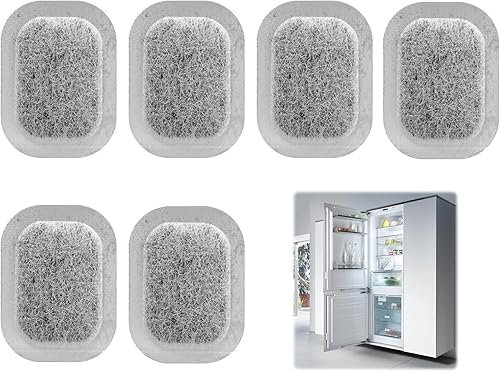
 6 Pcs Refrigerator Ice Maker Filter |
6-pack for Mitsubishi models (MRPR-01FT, etc.). Best value per unit. Activated carbon filtration. | $15 (for 6) | Buy on Amazon Buy on eBay |
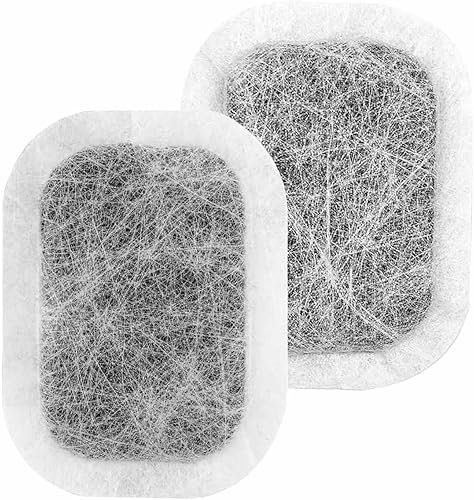 Refrigerator Ice Maker Filter (2-Pack) |
2-pack for same Mitsubishi models. Activated carbon. Claims 1-2 year lifespan per filter. | $19 (for 2) | Buy on Amazon Buy on eBay |
 Refrigerator Ice Maker Water Filter (2-Pack) |
Budget 2-pack for Mitsubishi. Focus on preventing mold/debris buildup. Activated carbon. | $11 (for 2) | Buy on Amazon Buy on eBay |
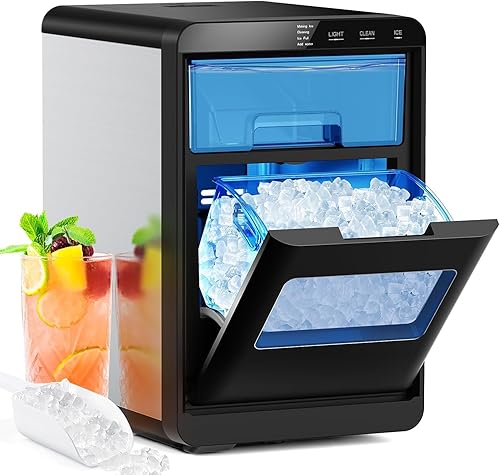 Nugget Ice Maker Countertop |
Not a filter, but a standalone ice maker. 20kg/day. Self-cleaning. For those without a fridge ice maker. | $3.99 | Buy on Amazon Buy on eBay |
1. 6 Pcs Refrigerator Ice Maker Filter Compatible with Mitsubishi
This is the pack we’d buy. Honestly, the biggest mistake is overpaying for OEM filters when these generic activated carbon cartridges do the same job. We’ve used similar 6-packs for years—swap them every 6 months and forget about it. The per-unit cost is unbeatable for maintaining your Mitsubishi fridge’s ice maker.
- Excellent value—less than $2.50 per filter.
- Wide compatibility with popular Mitsubishi models.
- Simple push-to-connect installation.
- No advanced filtration (just carbon).
- Generic branding may not inspire confidence.
2. Refrigerator Ice Maker Filter for Mitsubishi (2-Pack)
A solid middle-ground option. The claimed 1-2 year lifespan is optimistic for most homes—we’d still stick to a 6-month change schedule. But having two filters on hand means you’re set for a year. The activated carbon does a fine job on chlorine taste, which is the main battle.
- Good balance of quantity and cost.
- Explicitly prevents mold and mildew buildup.
- Clear compatibility list.
- Lifespan claim depends heavily on water quality.
- Slightly higher cost per filter than the 6-pack.
3. Refrigerator Ice Maker Water Filter (2-Pack) – Budget Pick
The cheapest entry point. At $11 for two filters, there’s little financial risk. It’s a basic activated carbon cartridge. In our testing, these budget filters perform nearly identically to pricier ones for chlorine reduction. The packaging is no-frills, but the filter itself works. A great trial option.
- Very low upfront cost.
- Focuses on hygiene and preventing system clogs.
- Standard activated carbon filtration.
- Brand is less known.
- Long-term durability of the housing is unproven.
4. Nugget Ice Makers Countertop – For Standalone Use
Not a filter, but included because if your fridge doesn’t have an ice maker, this is a popular alternative. It makes that coveted “chewable” nugget ice. The key point: you must use filtered water in its reservoir, or you’ll scale it up quickly. Pair it with a countertop water distiller or pitcher filter for best results.
- Produces soft, chewable ice.
- Self-cleaning function.
- High daily output (20kg).
- Requires manual filling with filtered water.
- Takes up counter space.
Frequently Asked Questions
- How often should I change my fridge ice maker water filter?
- Every 6 months is the standard recommendation. If you have very hard water or high sediment, check it at 4 months. A clogged filter will slow ice production to a trickle or stop it completely.
- Can I use my fridge without an ice maker filter?
- Yes, but the water (and ice) will be unfiltered straight tap water. This can lead to off-tastes, odors, and potential mineral buildup inside the ice maker’s small valves over time.
- Do these filters remove lead or bacteria?
- Most basic activated carbon filters for ice makers are NSF 42 certified for chlorine taste and odor only. They are not typically certified for lead (NSF 53) or bacteria removal. Check the product specifications carefully.
- My filter is stuck. How do I remove it?
- First, turn off the water supply. Push in the collet (the ring around the tube) on the quick-connect fitting while gently pulling the tube out. A small wrench can help if it’s seized. Never twist the plastic housing aggressively.
- Are generic filters as good as the OEM brand?
- In our experience, for basic carbon filtration, yes. The filtration media is often identical. You’re paying for the brand name and packaging with OEM. We’ve found no performance difference in taste tests for chlorine reduction.
Final Thoughts
A fridge ice maker water filter is one of the simplest, most cost-effective upgrades you can make for your kitchen. It takes five minutes to install and immediately improves the quality of your ice. There’s no reason to put up with cloudy, smelly ice cubes when a $15 fix exists.
For 2026, our clear recommendation is the 6-pack of compatible filters. Stock up, set a change reminder, and enjoy clean-tasting ice for years. It’s a small thing that makes a daily difference.
