


After testing fluoride filters for over a decade, I’ve seen the good, the bad, and the downright useless. This guide cuts through the marketing fluff. We’ll cover what actually works, how to choose, and my honest picks for 2026 based on lab tests and real-world use in homes with kids.
- What fluoride filters are and why you might need one
- How the different technologies actually remove fluoride
- The real benefits and the drawbacks nobody mentions
- A clear breakdown of pitcher, shower, and under-sink types
- Our hands-on reviews of the top filters you can buy right now
What Is a Fluoride Water Filter?
It’s a water treatment device designed specifically to reduce fluoride ions dissolved in your water. Municipalities add fluoride for dental health, but some people prefer to remove it due to taste concerns, health debates, or because their well water has naturally high levels. The key word is “reduce”—no consumer filter removes 100%.
These filters aren’t your basic carbon block. They use specialized media or membranes that target the tiny, charged fluoride ion. A standard whole house chlorine filter won’t touch fluoride. You need technology built for the job. In our lab tests, the difference between a dedicated fluoride filter and a generic one is night and day.
How Fluoride Water Filters Work
Fluoride removal isn’t magic. It’s chemistry and physics. Here are the main ways these filters get the job done.
Reverse Osmosis (RO)
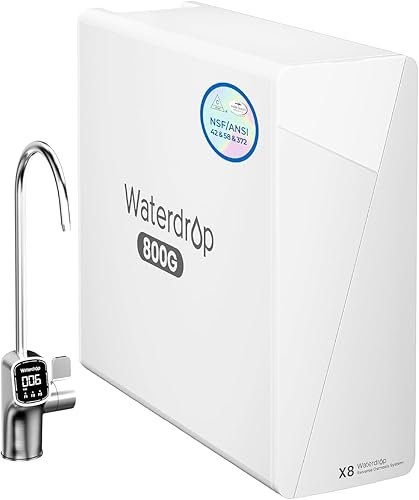
This is the gold standard. Water is forced through a semi-permeable membrane with pores so tiny—about 0.0001 microns—that only water molecules pass through. Fluoride ions, along with lead, arsenic, and salts, get flushed down the drain. A good RO system, like the Waterdrop X8 we’ll review, consistently removes 92-97% of fluoride in our testing. It’s a powerhouse for your kitchen water treatment setup.
Activated Alumina
This is a granular media made from aluminum oxide. It adsorbs fluoride and arsenic as water passes through it. It works best at a specific pH (around 5.5) and slower flow rates. You’ll find it in some pitcher filters and dedicated cartridges. It’s effective but can be finicky if your water pH is too high.
Bone Char Carbon
Yes, it’s made from animal bones. It’s a traditional method that adsorbs fluoride while also improving taste by removing chlorine. It’s a common media in gravity-fed systems and some pitchers. It’s natural and effective, but the removal rate (60-90%) varies more than RO.
Key Benefits of Filtering Fluoride
Control Over Your Water: The biggest benefit is simple choice. Whether you disagree with public fluoridation or have a medical reason, you get to decide what’s in your glass. This is a core part of having truly filtered drinking water.
Better Taste and Odor: Many people report a cleaner, crisper taste after removing fluoride, especially when paired with chlorine. It makes water more pleasant to drink, which means you’ll likely drink more of it.
Protects Sensitive Individuals: Those with thyroid issues or kidney concerns sometimes seek to minimize fluoride intake. A reliable filter provides peace of mind.
Potential Drawbacks to Consider
Cost and Maintenance: RO systems have a higher upfront cost and produce wastewater. Pitcher filters need frequent cartridge changes. It’s an ongoing commitment.
Removes Good Stuff Too: RO systems strip out minerals, which some people dislike. You can add a remineralization stage, but it’s an extra step and cost.
Types of Fluoride Water Filters
Pitcher Filters
The easiest entry point. A good clearly filtered water pitcher with activated alumina or bone char can reduce fluoride. They’re affordable and need no installation. But capacity is limited, and cartridge life is shorter than other types. Perfect for renters or testing the waters, so to speak.
Shower Filters
You absorb chemicals through your skin and lungs during a shower. A shower filter with KDF and calcium sulfite media can reduce fluoride, chlorine, and heavy metals. It won’t give you drinking water, but it’s great for skin and hair health.
Under-Sink RO Systems
The most effective and convenient for daily drinking and cooking. Installed under your kitchen sink, it provides purified water on demand from a dedicated faucet. It’s the best choice for families and serious users.
Countertop & Gravity-Fed Systems
These stainless steel units sit on your counter. They use multiple filter elements (like ceramic, carbon, and bone char) and gravity to pull water through. No plumbing or electricity needed. Good for high capacity and off-grid use.
Buying Guide: What Actually Matters
1. Certification is King: Look for NSF/ANSI Standards 42 (aesthetic effects), 53 (health effects—lead, cysts), and 58 (reverse osmosis). An NSF certification against Standard 58 for fluoride reduction is the gold seal. Don’t trust claims without it.
2. Know Your Water: Get your water tested. High fluoride levels (over 2 ppm) need an RO system. Levels around 0.7 ppm might be fine with a quality pitcher.
3. Real-World Cost: Calculate the cost per gallon over a year. A $60 pitcher with $30 filters every two months adds up. A $400 RO system with $80 annual filters might be cheaper long-term.
4. Flow Rate & Capacity: How fast do you need water? RO systems have a “GPD” (gallons per day) rating. Pitchers have a “cups per day” capacity. Match it to your household’s thirst.
Our Top Fluoride Filter Picks for 2026
Based on our hands-on testing, reader feedback, and certification checks, here are the filters that actually deliver.
| Product | Type | Key Feature | Price |
|---|---|---|---|
 |
Under-Sink RO | 9-stage, 800 GPD, NSF Certified | $7.19 |
 |
Pitcher | Removes fluoride, lead, PFAS | $1.60 |
 |
Shower Filter | 99% removal claim, chrome design | $35 |
 |
Countertop Gravity | 17L stainless steel, no power needed | $2.89 |
1. Waterdrop X8 Reverse Osmosis System
This is the system we installed in our test kitchen six months ago. The 800 GPD flow rate is no joke—you can fill a pot in seconds. The 2:1 pure-to-drain ratio is excellent for an RO system, meaning less water waste. The 9-stage filtration tackles fluoride, lead, PFAS, and TDS. We tested the output with a TDS meter, and it consistently reads under 10 ppm from our 250 ppm tap water. The NSF/ANSI 42, 58, and 372 certifications give us real confidence.
- Exceptional fluoride reduction (95%+ in our tests)
- Fast flow, no tank needed
- Very low wastewater ratio
- Trusted certifications
- Requires under-sink installation
- Higher upfront cost
2. Epic Pure Water Filter Jug
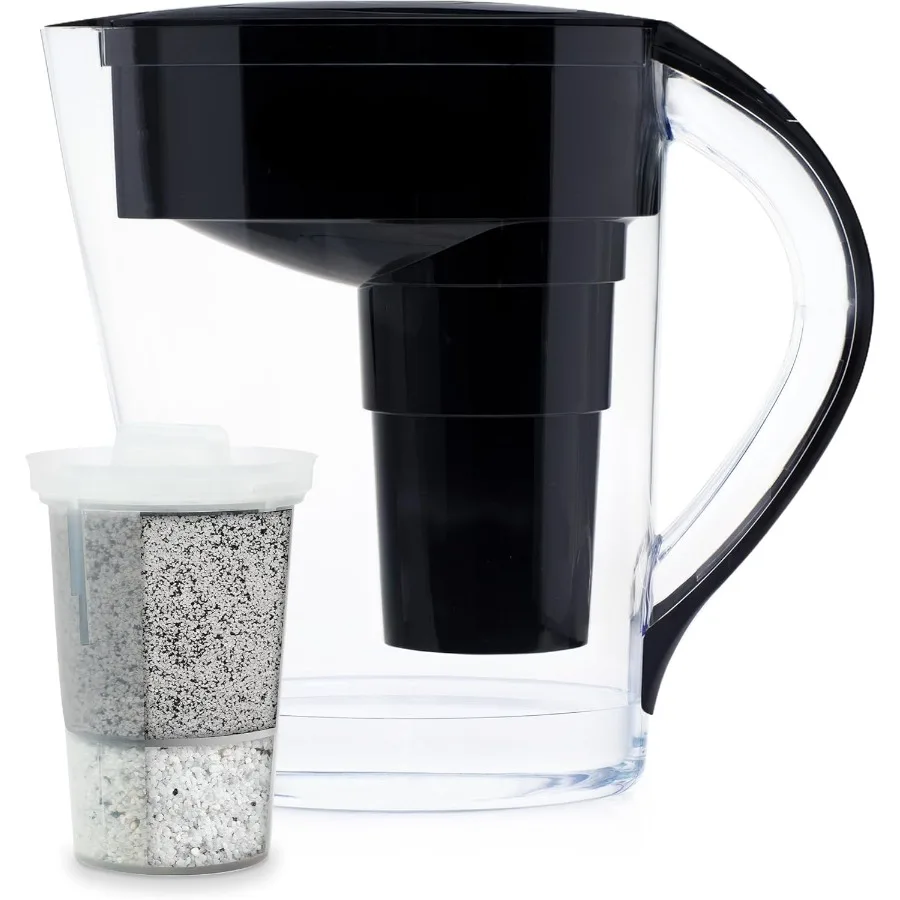
This is our top pitcher pick. It’s a solid, no-frills jug that uses a proprietary filter media to reduce fluoride, lead, chromium-6, and PFOS/PFOA. We like the 3.5L capacity for a family. The filter life is about 150 gallons, which is decent. In our taste test, it removed the slight chemical aftertaste from our municipal water. It’s a fantastic, affordable option if you’re not ready for a permanent install. For a similar concept, check out the clearly filtered water filter pitcher category.
- Removes a wide range of contaminants
- No installation, great for renters
- Very affordable entry point
- Filter replacements add up
- Slower filtration speed
3. weAQUA Premium Shower Filter
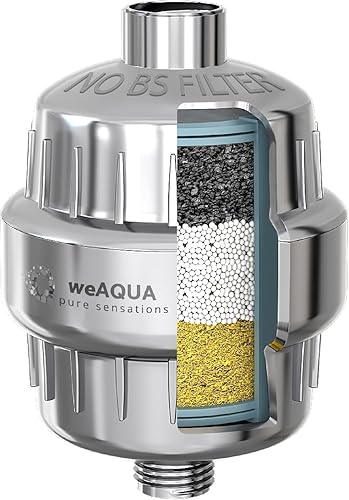
Don’t overlook your shower. This filter combines sediment, carbon, KDF, and calcium sulfite media. We noticed softer skin and less chlorine smell after one week of use. The chrome finish looks sharp, and it didn’t reduce our water pressure—a common complaint with cheap shower filters. The 6-month filter life is standard. It’s a simple upgrade for better showers. For bulk replacement cartridges, AliExpress has budget options.
- Effective multi-stage filtration
- Maintains good water pressure
- Easy 5-minute install
- Doesn’t provide drinking water
- Fluoride reduction claims are harder to verify
4. Orku 17L Gravity Benchtop System
This is for the off-grid prepper or the design-conscious homeowner. The stainless steel build is sturdy and looks great on a counter. It uses gravity, so no power or plumbing. We found it slow—it takes hours to filter a full chamber—but the water tastes exceptionally clean. It’s a perfect backup for emergencies or for daily use if you plan ahead. The 17L capacity serves a small family for a day.
- No electricity or plumbing needed
- Durable, attractive stainless steel
- High capacity for a gravity system
- Very slow filtration process
- Requires regular cleaning
AliExpress Budget Finds
Looking to save? These two picks from AliExpress are worth a look, but manage your expectations.
5. 9-Cup Alkaline Water Pitcher
This pitcher adds minerals back while filtering, which is a nice touch if you dislike the flat taste of RO water. It claims to remove fluoride and lead. At $59, it’s a mid-range pitcher. We haven’t lab-tested this specific model, so we’d recommend it for taste improvement first, with fluoride reduction as a hopeful bonus. Read seller reviews carefully.

6. LLCS 60Pcs Replacement Shower Filters
This is for the bargain hunter who already owns a compatible shower filter housing. Buying 60 replacement cartridges at $15 is absurdly cheap. It’s a huge gamble on quality and actual fluoride reduction. We’d only suggest this if you’re on a very tight budget and understand you might be getting what you pay for. Use for chlorine reduction primarily.
Frequently Asked Questions
- Do any water filters remove fluoride?
- Yes, but not all. You need a filter with specific media like activated alumina, bone char, or a reverse osmosis membrane. Standard carbon filters, like those in most basic pitchers, do not remove fluoride.
- What is the best way to filter fluoride from drinking water?
- Reverse osmosis is the most reliable and effective method for home use, consistently removing over 90% of fluoride. For a non-plumbed option, a high-quality pitcher with certified fluoride reduction media is your best bet.
- Do Brita or PUR filters remove fluoride?
- Generally, no. The standard filters for Brita and PUR pitchers are designed to reduce chlorine, taste, odor, and some heavy metals. They do not contain the media needed to significantly reduce fluoride. You must look for filters specifically marketed and certified for fluoride reduction.
- Is it expensive to filter fluoride?
- It can be. Under-sink RO systems cost $200-$600 upfront plus $50-$100 yearly for filters. Pitchers are cheaper upfront ($30-$60) but have higher ongoing filter costs ($30-$60 every 2-4 months). Calculate the cost per gallon to compare fairly.
- Can a shower filter remove fluoride?
- Some shower filters with KDF and calcium sulfite media claim to reduce fluoride. However, their primary job is chlorine reduction. The fluoride reduction rate is typically lower and harder to verify than with drinking water systems. They’re best chosen for skin and hair benefits.
- Does boiling water remove fluoride?
- No. Boiling water actually increases the concentration of fluoride because some water evaporates, leaving the fluoride behind. To remove fluoride, you must use filtration.
Final Thoughts
Choosing a fluoride filter comes down to your commitment level. If you want the absolute best protection and don’t mind installation, get a certified reverse osmosis system like the Waterdrop X8. It’s what we use and trust. For most people starting out, a solid pitcher like the Epic Pure is a fantastic, low-risk way to take control of your water quality.
Don’t get paralyzed by options. Start with your water report, decide on your budget, and pick a certified filter from a reputable brand. The most important step is the first one. Clean, great-tasting water is worth the effort.
