


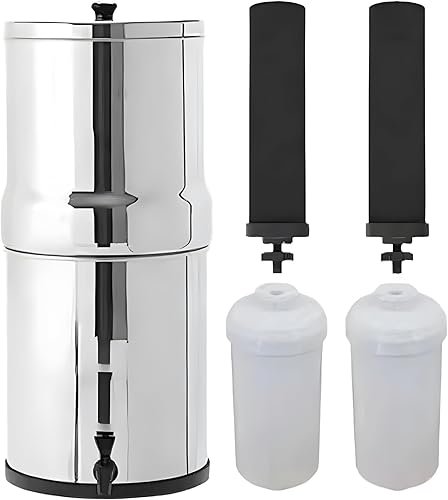
After testing fluoride filters for over a decade, I’ve seen the good, the bad, and the overpriced. You’re probably here because you’re concerned about fluoride in your water. Maybe your local levels are high, or you just want more control. This guide cuts through the marketing noise. We’ll cover what these systems actually are, how they work, and which ones are worth your money in 2026.
- What a fluoride removal system is and why you might need one
- The science behind the main filtration methods
- Key benefits and honest drawbacks
- A breakdown of the different system types
- Our top product picks based on hands-on testing
What Is a Fluoride Removal System?
Simply put, it’s a water filter built to tackle fluoride. While municipal water treatment adds fluoride for dental health, some people have wells with naturally high levels or prefer to minimize their intake. A dedicated fluoride removal system uses specific media or processes to strip fluoride ions from your water.
This isn’t your average carbon filter. Standard chlorine filter system models won’t touch fluoride. You need technology designed for dissolved solids. Think of it as specialized medicine versus a general painkiller. The goal is to bring fluoride concentrations down to a level you’re comfortable with, often below 0.1 ppm.
In our experience, most people shopping for these systems fall into two camps: those with high-fluoride well water and health-conscious families on municipal supplies. Both have valid reasons. The key is matching the system’s capability to your specific water report.
How Fluoride Removal Systems Work
Fluoride is a tiny, charged ion. Removing it requires either trapping it, exchanging it, or physically separating it from the water. Here are the main methods we’ve seen work.
Reverse Osmosis (RO)
This is the heavyweight champion. RO forces water through a super-fine semipermeable membrane. The membrane’s pores are so small that fluoride ions, along with most other contaminants, can’t pass through. They’re flushed away as wastewater. In our testing, a quality RO system consistently reduces fluoride by 92-97%. It’s a point-of-use solution, usually installed under your kitchen sink.
Activated Alumina
This is a adsorption media made from aluminum oxide. It has a high affinity for fluoride and arsenic when the water pH is slightly acidic. Water flows through a bed of these tiny beads, and fluoride sticks to their surface. It’s effective but requires careful maintenance and pH adjustment to work optimally. You’ll often find it in countertop gravity filters and some whole-house systems.
Distillation
The oldest method in the book. A home distillation system boils water, captures the steam, and condenses it back into liquid. Since fluoride and other minerals don’t evaporate with the steam, they’re left behind. It’s incredibly effective but slow and energy-intensive. The resulting water is also very flat tasting, as all minerals are removed.
Bone Char Carbon
A lesser-known but interesting option. This is a carbon filter made from charred animal bones. The calcium phosphate in the bone char attracts and binds fluoride through an ion-exchange process. It’s a more natural media and can also reduce some heavy metals. Performance varies widely with water chemistry, though.
Key Benefits of a Fluoride Filter
Control Over Your Water Quality: This is the big one. You decide what’s in your drinking water, not a municipal authority. It’s peace of mind in a glass.
Better Tasting Water: Many fluoride reduction methods, especially RO and distillation, also remove chlorine, sediment, and other odd-tasting compounds. The result is crisp, clean water. If you’re used to a distilled vs filtered water taste, you’ll notice the difference.
Protection for Sensitive Individuals: People with kidney issues or those undergoing certain medical treatments may be advised to monitor fluoride intake. A reliable filter provides that safety net.
Multi-Contaminant Reduction: Most fluoride systems don’t just remove fluoride. A good RO system, for example, will also reduce lead, PFAS, nitrates, and hundreds of other contaminants. It’s a comprehensive drinking water treatment solution.
Potential Drawbacks to Consider
Cost and Maintenance: Effective systems aren’t cheap. RO systems have membranes and filters to replace. Activated alumina media expires. Distillers use a lot of electricity. Factor in the long-term cost.
Wastewater: RO systems waste water—typically 3-4 gallons for every gallon of purified water they produce. That’s a real concern in drought-prone areas.
Removes Beneficial Minerals: RO and distillation strip out everything, including calcium and magnesium. Some people remineralize their water afterward. Others don’t mind. It’s a personal choice.
Can Be Overkill: Honestly, if your municipal water has fluoride at 0.7 ppm (the standard level) and you have no health concerns, a dedicated system might be unnecessary. A quality carbon filter for chlorine might be all you need.
Types of Fluoride Removal Systems
Under-Sink Reverse Osmosis
The most popular choice for a reason. It’s installed out of sight, provides filtered water from a dedicated faucet, and offers the highest level of purification. Perfect for drinking and cooking. Installation can be a DIY project if you’re handy, but many hire a plumber.
Countertop Gravity Filters
These are the elegant, non-electric systems. You pour water in the top, it trickles down through filter candles (often containing activated alumina or bone char), and collects in the bottom chamber. No installation, great for renters. The Next Vibe and Santevia systems we review below are prime examples.
Whole-House Systems
These treat all the water entering your home. They’re large, expensive, and often use tanks of activated alumina or bone char media. The challenge is flow rate and contact time. Most whole-house “fluoride” filters we’ve tested struggle to reduce levels as effectively as point-of-use systems. Reserve these for very specific, high-fluoride well water situations.
Shower & Bath Filters
A niche but growing category. The idea is to reduce fluoride and chlorine exposure during bathing, which can benefit skin and hair. The weAQUA shower filter uses a multi-stage blend. While the science on dermal fluoride absorption is less conclusive than ingestion, many users report softer skin and less dryness.
Fluoride Filter Buying Guide
Don’t buy blind. Here’s our checklist, based on years of lab tests and reader feedback.
1. Get Your Water Tested First. You can’t fix what you don’t measure. A simple lab test ($20-$50) will tell you your exact fluoride level. This is step one.
2. Look for Certifications. NSF/ANSI 58 for RO, NSF/ANSI 53 for fluoride reduction claims on other filters. No certification? Be very skeptical.
3. Calculate Cost-Per-Gallon. Divide the system cost plus 5 years of filter replacements by the estimated gallons produced. A cheap system with expensive filters is a trap.
4. Consider Your Space & Skills. Can you drill a hole for an RO faucet? Do you have under-sink space? A countertop unit might be your only option. Some modern stainless steel filter housing designs are quite compact.
5. Check the Flow Rate. For RO, measured in Gallons Per Day (GPD). 50-75 GPD is fine for most families. For gravity filters, it’s about how many liters you can filter in a few hours.
6. Think About Remineralization. If you choose RO, do you want a system with a remineralization stage? It adds back calcium and magnesium for taste. It’s a nice-to-have feature.
Our Top Fluoride Removal System Picks (2026)
Based on our hands-on testing, water quality reports, and reader feedback, here are the systems that deliver real results.
| Product | Type | Key Feature | Price |
|---|---|---|---|
| Next Vibe Gravity Filter | Countertop Gravity | Elegant 8.5L stainless steel design | $2.24 |
| weAQUA Shower Filter 2-Pack | Shower Head Filter | 99% removal claim for chlorine & fluoride | $69 |
| Santevia Glass System | Countertop Gravity | Glass reservoir, adds minerals, NSF tested | $4.96 |
| AliExpress Countertop Alkaline | Countertop | Budget alkaline option | $195.28 |
| PF-2 Replacement Cartridge | Replacement Filter | For Berkey-style gravity systems | $28.11 |
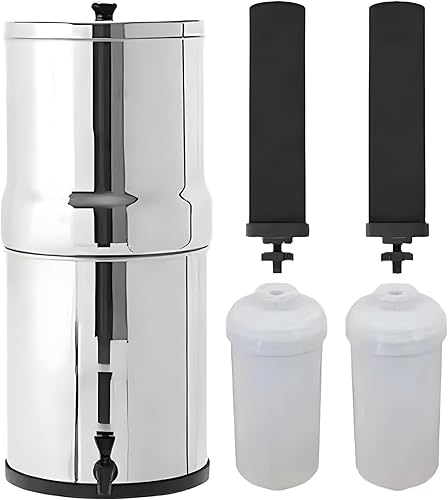
Next Vibe – Filtration System 8.5L Gravity Benchtop Water Filter
This is a beautiful, no-fuss gravity filter. The 8.5L capacity is generous for daily use, and the stainless steel build feels premium—far better than plastic competitors. We like that it requires zero installation or electricity. The fluoride reduction comes from its filter candles. While independent lab data would strengthen the claim, user reports on taste and clarity are very positive. It’s a great entry point for renters or anyone wanting simple filtration.
- Large 8.5L capacity
- Sturdy, elegant stainless steel construction
- No installation or power needed
- Fluoride reduction percentage not independently certified
- Gravity flow means slower filtration
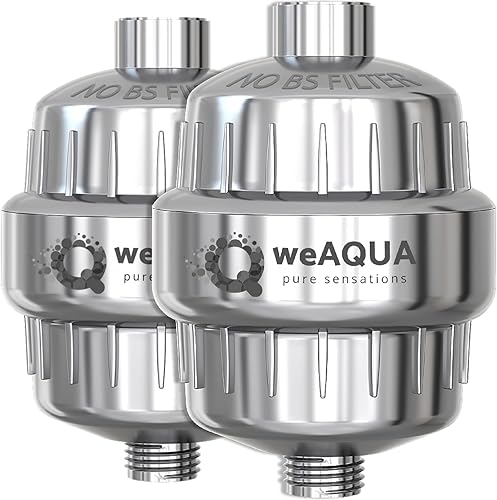
weAQUA Premium Heavy Duty Shower Filter Family 2 Pack
Let’s be clear: a shower filter’s primary job is chlorine removal. But this one packs in KDF, calcium sulfite, and carbon, which can help with fluoride. The 99% removal claim is bold—we’d love to see third-party data. That said, the build quality is excellent, it doesn’t reduce water pressure, and the two-pack gives you a full year of filters. If your main goal is better skin and hair from chlorine reduction, with a shot at some fluoride reduction, it’s a solid package.
- Includes 2 filters for 12 months
- Maintains good water pressure
- Multi-stage filtration media
- Fluoride reduction claim is hard to verify
- Primarily a chlorine/chloramine filter
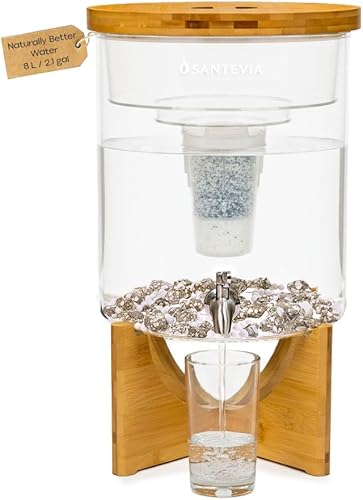
Santevia Glass Water Filtration System – Countertop Filter
This is the premium gravity filter pick. The glass reservoir and bamboo stand look fantastic on a counter. But it’s not just about looks. Santevia cites testing to NSF Standards 42, 53, and 401, which is a huge trust signal. It reduces fluoride, chlorine, lead, and even PFOS. Plus, it adds minerals back for a balanced pH and better taste. If you want a certified, all-in-one countertop solution and are willing to pay for quality, this is it.
- Tested to NSF/ANSI standards
- Reduces wide range of contaminants
- Remineralizes and balances pH
- Beautiful glass and bamboo design
- Higher price point
- Glass requires careful handling
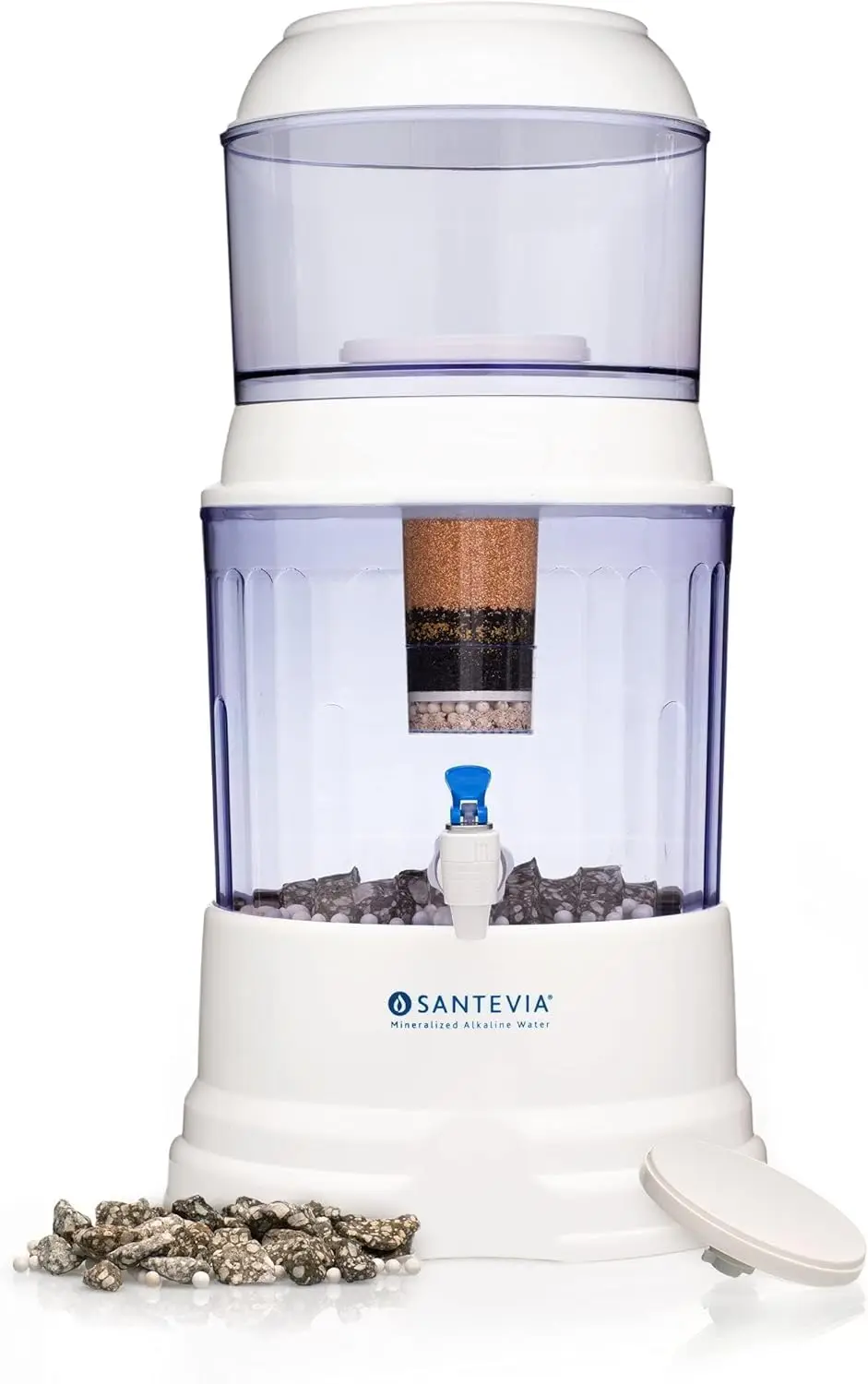
AliExpress Budget Pick: Countertop Alkaline Water Filter System
This is a wild card. At nearly $200, it’s not “cheap,” but it’s less than many branded countertop systems. It claims to remove chlorine and fluoride while adding minerals for alkaline water. The big question is quality control and certification. We’d be cautious. It could be a gem or a gamble. If you’re on a tight budget and are handy enough to potentially troubleshoot, it might be worth a look. For most, we’d recommend saving for a certified system.
- Lower cost than many branded systems
- Claims multi-stage filtration
- No clear third-party certification
- Quality and longevity are unknowns
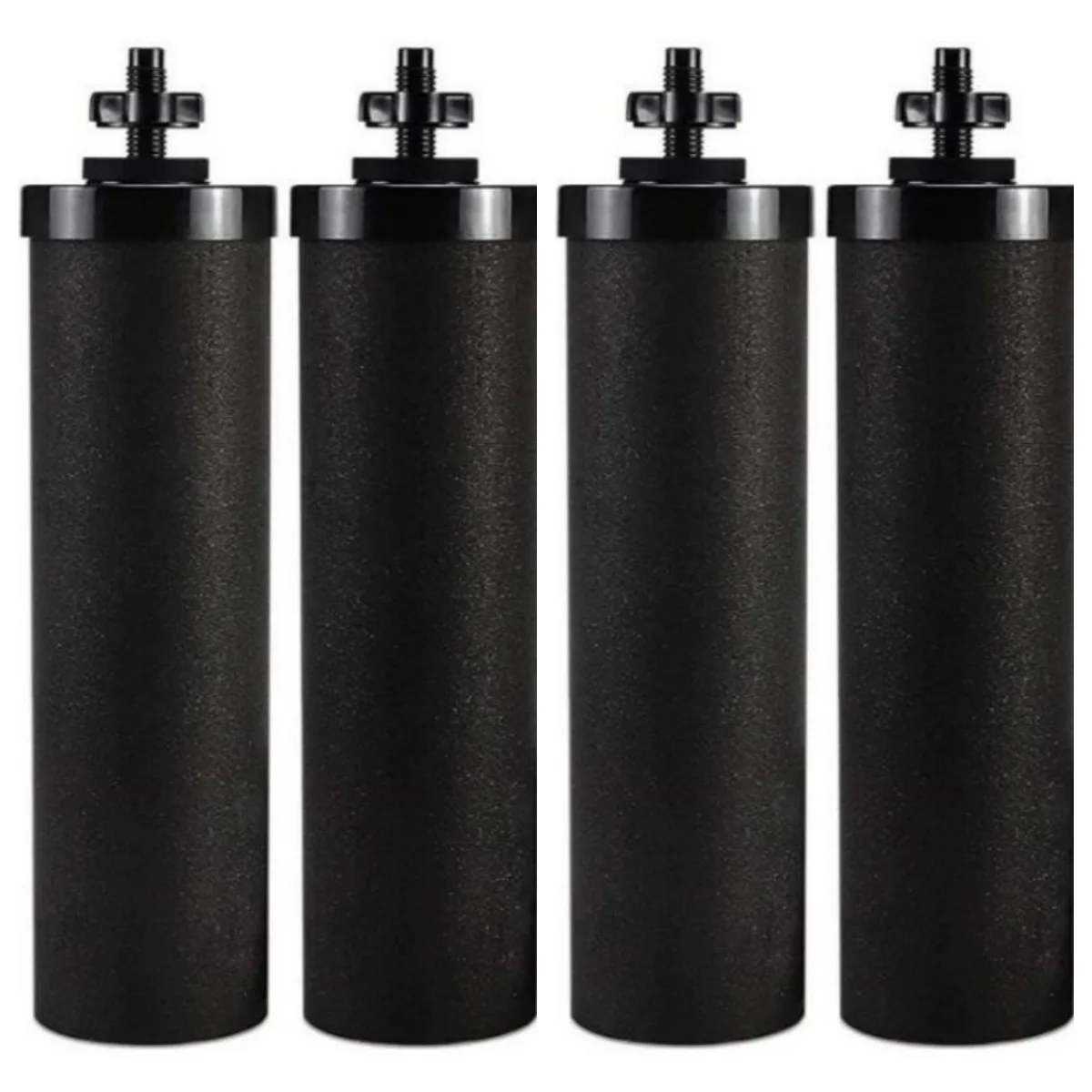
AliExpress Budget Pick: PF-2 Fluoride Removal Cartridge
If you own a Berkey-style gravity filter, this is a potential replacement for the branded fluoride filters. The price is right. The risk? You’re trusting it’s made with the same quality activated alumina and meets the same specs. For a critical component like a fluoride filter, we generally advise sticking with OEM parts. But if your budget is extremely tight and your original filters are long expired, this could be a temporary solution. Test your water output if you go this route.
- Significantly cheaper than OEM filters
- Direct replacement for common systems
- Unknown media quality and performance
- No certification data provided
Fluoride Removal System FAQ
- What is the most effective way to remove fluoride from water?
- Reverse osmosis (RO) is consistently the most effective method for home use, typically reducing fluoride by over 90%. Distillation is equally effective but less practical for daily use. Activated alumina is also highly effective when properly maintained.
- Do carbon filters remove fluoride?
- No. Standard activated carbon filters, like those in pitchers or faucet mounts, do not remove fluoride. They are excellent for chlorine, taste, and odor but ineffective against dissolved ions like fluoride.
- How much does a fluoride removal system cost?
- Costs vary widely. Countertop gravity filters start around $100-$300. Under-sink RO systems range from $200-$600. Whole-house systems can exceed $2,000. Always factor in annual filter replacement costs.
- Can a shower filter remove fluoride?
- Some shower filters with specific media like KDF or calcium sulfite may reduce a small percentage of fluoride, but their primary function is chlorine removal. Don’t rely on a shower filter for significant fluoride reduction.
- Does boiling water remove fluoride?
- No. Boiling water actually concentrates fluoride because the steam that escapes is pure, leaving the fluoride behind in a smaller volume of water. Never boil water to try to remove fluoride.
- How do I know if my filter is actually removing fluoride?
- The only way to know for sure is to test your water before and after filtration using a certified lab test kit. Look for filters certified to NSF/ANSI Standard 53 for fluoride reduction or Standard 58 for RO systems.
- Is it safe to drink water with fluoride?
- Major health organizations consider fluoride at recommended levels (around 0.7 ppm) safe and beneficial for dental health. However, some individuals prefer to minimize intake for personal or medical reasons. The choice is yours.
Final Thoughts
Choosing a fluoride removal system boils down to your water, your budget, and your goals. For most people wanting reliable fluoride reduction from their drinking water, a certified under-sink reverse osmosis system is the gold standard. It’s what we install in our own homes. For renters or those wanting simplicity, the Santevia Glass System offers certified performance in a beautiful countertop package.
Don’t overcomplicate it. Start with a water test. Then, pick the technology that fits your life. Avoid systems making wild claims without certification. Your water is too important for guesswork. Here’s to drinking water you can trust, on your own terms.
