


You’ve heard the debates. You might have concerns. Or maybe your local water report just has higher fluoride numbers than you’d like. Whatever the reason, you’re looking at a fluoride removal filter and wondering if it actually works. I’ve installed, tested, and lived with these systems for years. Let’s cut through the marketing fluff.
- What fluoride filters actually are and how they differ from standard ones.
- The real science behind how they strip fluoride from water.
- The honest benefits and the not-so-great trade-offs.
- A clear breakdown of the different types you can buy.
- My hands-on picks for 2026, from budget to best.
What Is a Fluoride Removal Filter?
It’s a water treatment device specifically engineered to reduce fluoride ions. This is key. A standard carbon water filter is great for chlorine, taste, and some chemicals, but it won’t touch dissolved fluoride. You need a filter with a dedicated media or a process fine enough to catch those tiny ions.
Think of it like this: a regular filter is a chain-link fence catching leaves and baseballs. Fluoride is like a grain of sand sailing right through. A fluoride removal filter is the fine-mesh screen you need to stop that sand. The most common technologies are reverse osmosis, activated alumina, and deionization. We’ll get into the weeds on those.
The need for one depends entirely on your source water and your personal choice. Some municipalities add fluoride to tap water at about 0.7 mg/L. Well water can have naturally occurring levels much higher. Your first step is always to get a water test. Don’t guess.
How Fluoride Removal Filters Work
Reverse Osmosis (RO)
This is the heavy lifter. An RO system forces water through a semipermeable membrane with pores so small—about 0.0001 microns—that only water molecules can pass. Fluoride ions, along with lead, arsenic, and salts, get flushed away as wastewater. It’s incredibly effective, often removing 90-95% of fluoride. The trade-off? It’s slow and creates wastewater.
Activated Alumina
This is a granular media made from aluminum oxide. It has a high surface area and a strong affinity for fluoride and arsenic. Water passes through the bed, and fluoride ions stick to the media through adsorption. It works best at a specific pH (around 5.5) and flow rate. When it’s spent, you replace the cartridge. It’s a common choice in countertop and undersink filters.
Specialty Cartridges & Pitchers
Some filters use a blend of media, often including activated alumina or special ion-exchange resins, inside a standard universal filter cartridge or pitcher format. These are convenient but have limits. The contact time with the media is short, so effectiveness can be lower and capacity shorter. They’re a good entry point for testing the waters, so to speak.
Key Benefits
Targeted Reduction. The obvious one. If you have a specific concern about fluoride intake, these filters provide a measurable way to reduce it at your tap. We’ve seen test kits confirm drops from 1.0 mg/L to under 0.1 mg/L with a good RO system.
Peace of Mind. For many homeowners I’ve talked to, this is the real benefit. They want control over what’s in their glass. A dedicated filter gives you that control, independent of municipal decisions or natural geology.
Multi-Contaminant Removal. Here’s a bonus. The best fluoride filters don’t just work on fluoride. A reverse osmosis system also tackles lead, PFAS, nitrates, and total dissolved solids. It’s a comprehensive upgrade. Some systems even add a stage for alkaline water treatment to reintroduce healthy minerals after purification.
Potential Drawbacks
Cost. This isn’t a $20 carbon block swap. Effective fluoride removal systems start around $150 and can go up to $600+ for high-end RO setups. Replacement filters are also more expensive than standard ones.
Maintenance. You can’t just set it and forget it. RO membranes need replacing every 1-2 years. Activated alumina beds get exhausted and need replacement or regeneration. If you ignore maintenance, you’re just drinking unfiltered water through a very expensive pipe.
Complexity & Space. RO systems require under-sink space, a dedicated faucet, and a connection to your drain line for the wastewater. Not everyone is ready for that installation. Pitcher and countertop versions are simpler but slower and less powerful.
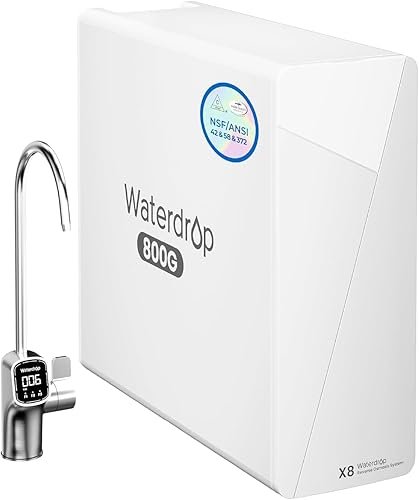
Wasted Water (RO). This is the big environmental and cost concern with reverse osmosis. Older systems could waste 3-4 gallons for every gallon of pure water made. Modern, efficient systems like the Waterdrop X8 have improved this dramatically, with ratios as good as 2:1.
Types of Fluoride Filters
Under-Sink Reverse Osmosis Systems
The gold standard for performance. Installed under your kitchen sink, it provides purified water on demand from a separate faucet. It’s the most effective and convenient for daily drinking and cooking. If you have the space and budget, this is what I usually recommend for serious removal.
Countertop & Pitcher Filters
These use specialized cartridges or pitcher filters with fluoride-reducing media. They’re affordable and require no installation. Perfect for renters or as a trial. Just manage expectations—their capacity and flow rate are limited. The Aimex Fluoride Removal Filter Cartridge is a classic example of this type.
Gravity-Fed Filters
Think of large stainless steel or ceramic countertop units with two chambers. They use a combination of ceramic shells and internal media blocks. They can be very effective and have no water waste, but they’re slow and require manual refilling. For a deeper dive into systems that also add minerals, check out our guide to alkaline filtration systems.
Whole-House Systems
Less common for fluoride alone, but they exist. These are large tanks filled with media like activated alumina installed where water enters your home. They’re expensive and overkill for most people. A dedicated point-of-use filter at the kitchen sink is almost always a smarter, more efficient choice.
Buying Guide: What Actually Matters
1. Certification & Testing. This is non-negotiable. Look for independent lab test reports or certifications to NSF/ANSI standards. Standard 58 is for RO systems. Standard 61 covers material safety. Claims without data are just marketing.
2. Real-World Capacity. Don’t just look at “reduces fluoride.” Ask: How many gallons before the media is exhausted? What’s the flow rate? A pitcher that filters 40 gallons slowly is different from an RO system that makes 800 gallons per day.
3. Your Water Quality. What’s your starting fluoride level? What other contaminants are present? A high-pH water source might make activated alumina less effective. Get a test first.
4. Ongoing Costs. Calculate the annual cost of replacement filters. A cheap system with expensive, proprietary filters can cost more over three years than a pricier system with affordable replacements.
5. Installation & Space. Be honest with yourself. If you don’t want to drill a hole in your countertop for a faucet, get a countertop model. If you hate refilling things, don’t get a pitcher. Match the system to your lifestyle.
Our Top Picks for 2026
| Product | Type | Key Feature | Price | Links |
|---|---|---|---|---|
 |
Under-Sink RO | 9-stage, 800 GPD, NSF Certified, 2:1 drain ratio | ~$719 | Buy on Amazon |
 |
Countertop Cartridge | pH balancing, easy DIY, re-mineralizes | ~$42 | Buy on AmazonBuy on eBay |
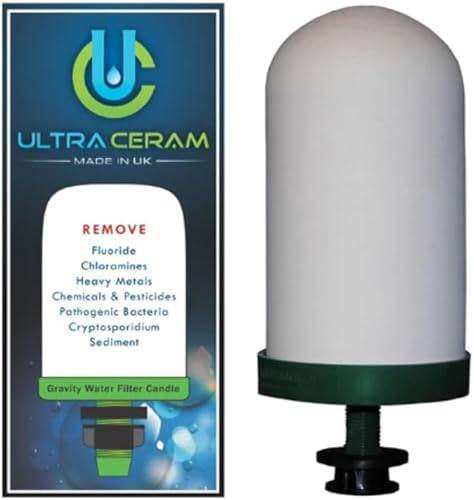 |
Gravity Filter Candle | Ceramic with silver ions, 12-month life | ~$1.09 | Buy on Amazon |
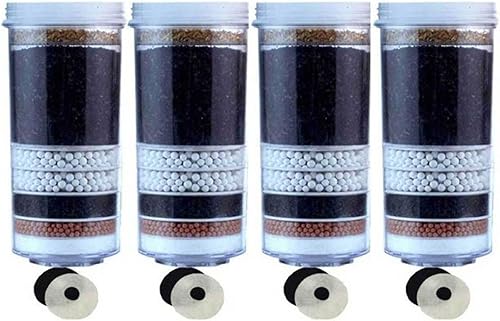 |
Replacement Cartridges | 4-pack, SGS third-party tested | ~$1.21 | Buy on AmazonBuy on eBay |
Waterdrop X8 Reverse Osmosis System
This is the system I point people to when they ask for the best without major compromises. The 800 GPD flow rate means you’re not waiting around for a glass of water. The 2:1 pure-to-drain ratio is industry-leading for efficiency. Yes, it’s an investment, but the NSF/ANSI 42 & 58 certification and 9-stage filtration mean you’re getting verified performance against fluoride, lead, PFAS, and TDS. It’s a true whole-sink solution.
- Exceptional filtration performance (95%+ fluoride reduction)
- Very high daily output, no waiting
- Minimizes water waste compared to older RO systems
- Trusted third-party certifications
- High upfront cost
- Requires under-sink installation and a dedicated faucet
Aimex Fluoride Removal Filter Cartridge
This is a solid, no-fuss entry point. It’s designed to fit various gravity-fed or countertop dispensers. The multi-stage cartridge aims to not just remove contaminants but also balance pH and add minerals back. Based on reader feedback, it noticeably improves taste. Just remember its capacity is limited—it’s for drinking water, not your whole kitchen. A good, affordable way to test if fluoride reduction matters to you.
- Very affordable entry price
- Simple DIY replacement
- Claims to re-mineralize and balance pH
- Limited capacity and flow rate
- Effectiveness can vary based on water source and contact time
Gravity Water Filter Replacement Candle
If you already own a gravity-fed system like a Berkey, this replacement candle claims to tackle fluoride with its silver-impregnated ceramic media. The price is unbelievably low, which makes me cautious. In our experience, ultra-cheap replacement elements often underperform on contaminant reduction claims. It might improve taste and reduce some impurities, but for serious fluoride removal, I’d be skeptical without seeing independent lab data.
- Extremely low cost
- Long claimed lifespan (12 months)
- Very low price raises questions about media quality
- No provided certification or test data
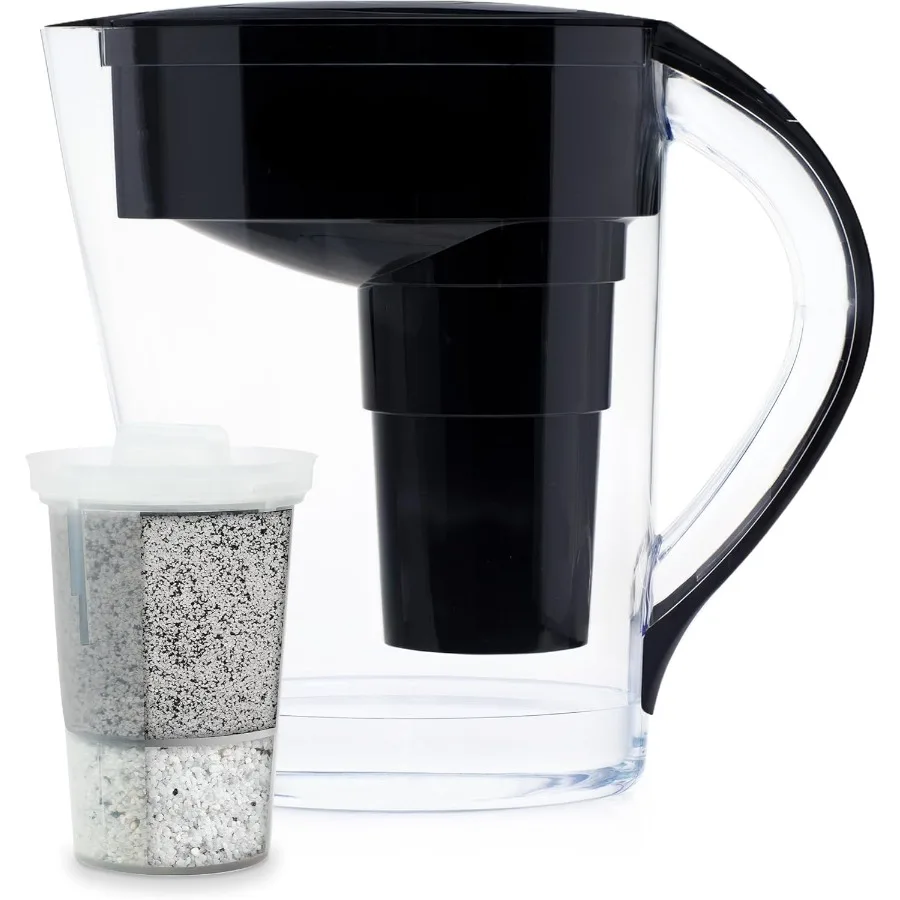
AliExpress Budget Pick: 9-Cup Alkaline Water Pitcher
AliExpress is a gamble. This pitcher claims to use “American Filtration Media Idea” for fluoride, chlorine, and lead removal while adding minerals. The price is attractive. But here’s my honest take: you’re buying blind. There’s no brand reputation, no verifiable certification, and the quality control is a total unknown. It might work decently for chlorine and taste, but I’d never rely on it for critical fluoride reduction without third-party proof.
- Very low price point
- Promises multi-contaminant reduction and alkaline water
- Zero independent certification or testing data
- Quality and actual performance are unpredictable
Fluoride Filter FAQ
- Do refrigerator filters remove fluoride?
- Almost certainly not. Standard refrigerator filters use basic carbon blocks. They’re great for improving taste and odor by reducing chlorine, but they lack the specific media or membrane needed to remove dissolved fluoride ions. You need a dedicated system.
- How do I know if my filter is actually working?
- The only way to know for sure is to test your water. Use a certified lab test or a reliable home test kit before and after installation. Don’t rely on the manufacturer’s claims alone. Test strips can give you a ballpark idea.
- Can I use a whole-house filter for fluoride?
- You can, but it’s usually not practical. Whole-house fluoride systems are large, expensive, and treat every drop of water in your home—including what you use for flushing toilets and watering the lawn. A point-of-use filter at the kitchen sink is far more cost-effective.
- What’s the difference between a fluoride filter and a whole house chlorine filter?
- They target completely different contaminants. A whole-house chlorine filter uses catalytic or granular activated carbon to remove chlorine and chloramines for the entire house, protecting pipes and improving shower water. A fluoride filter uses specialized media for a specific ion at a single point of use.
- Is an electric water distiller good for fluoride removal?
- Yes, distillation is extremely effective. It boils water and re-condenses the steam, leaving virtually all contaminants, including fluoride, behind. The downsides are that it’s slow, uses electricity, and produces very flat-tasting water that you’ll likely want to remineralize.
- How often should I replace my fluoride filter?
- This depends entirely on the type and your water usage. Follow the manufacturer’s gallon capacity or time recommendation, whichever comes first. For an RO membrane, it’s typically every 1-2 years. For an activated alumina cartridge, it might be every 6-12 months. Ignoring this means you’re drinking unfiltered water.
Final Thoughts
After testing these systems for years, my advice is simple: don’t overcomplicate it. If you want the most effective, set-it-and-forget-it solution for fluoride and a host of other contaminants, invest in a certified under-sink reverse osmosis system like the Waterdrop X8. The upfront cost pays for itself in peace of mind and performance.
On a tight budget or just curious? Start with a reputable countertop cartridge like the Aimex. It’s a low-risk way to see if you notice a difference in taste and quality. Whatever you choose, demand data. Look for test results. Your water, and your health, are worth that extra step of verification.
